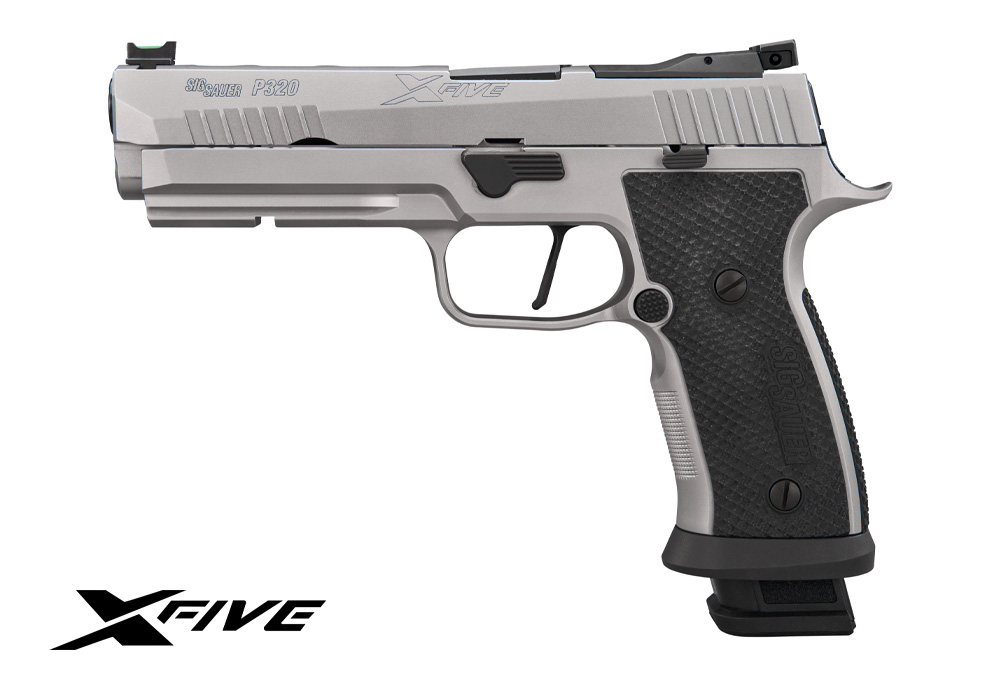
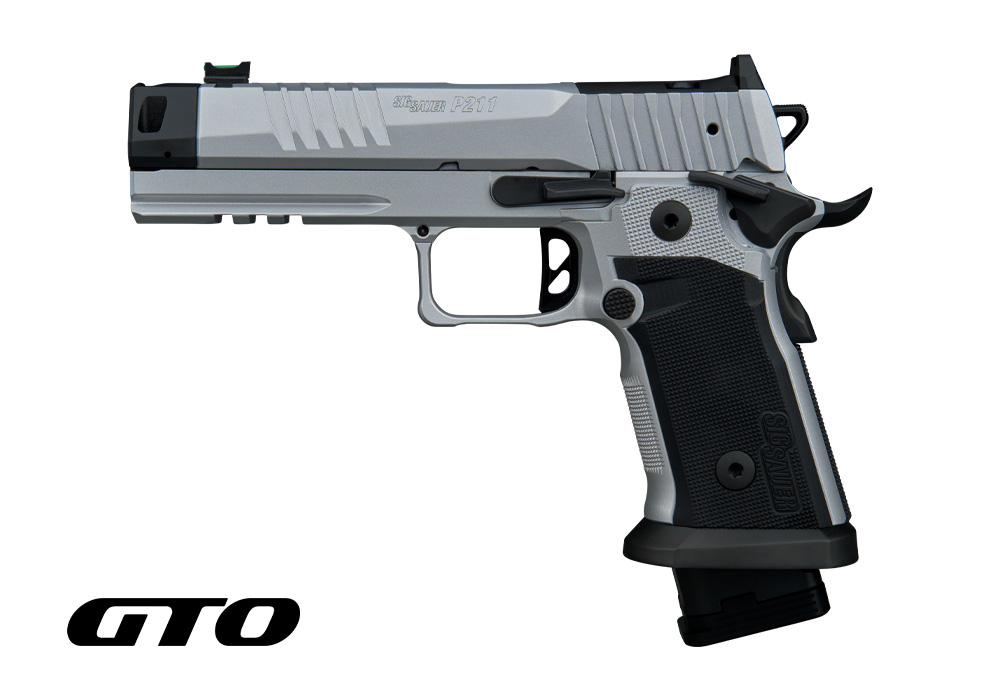
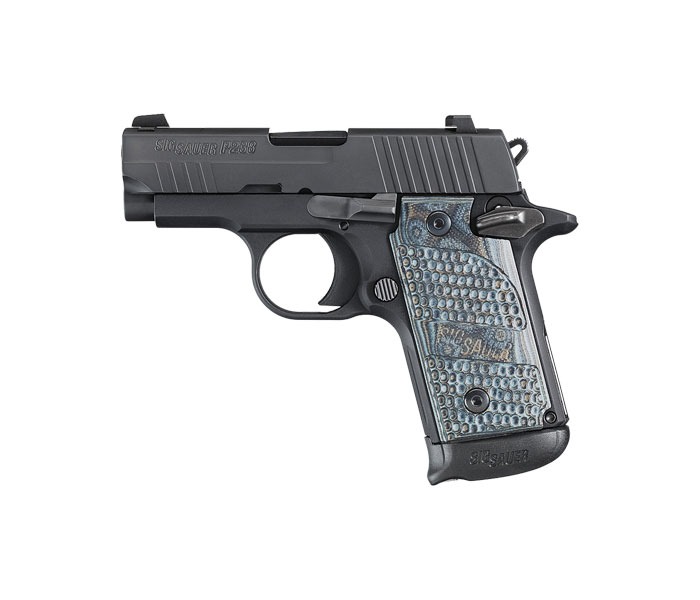
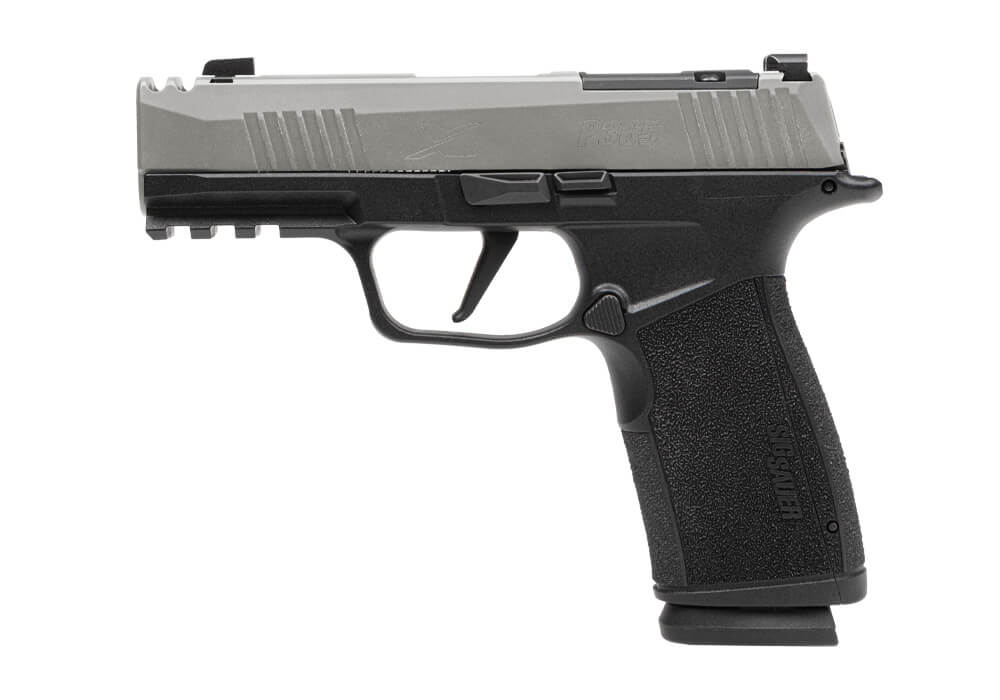
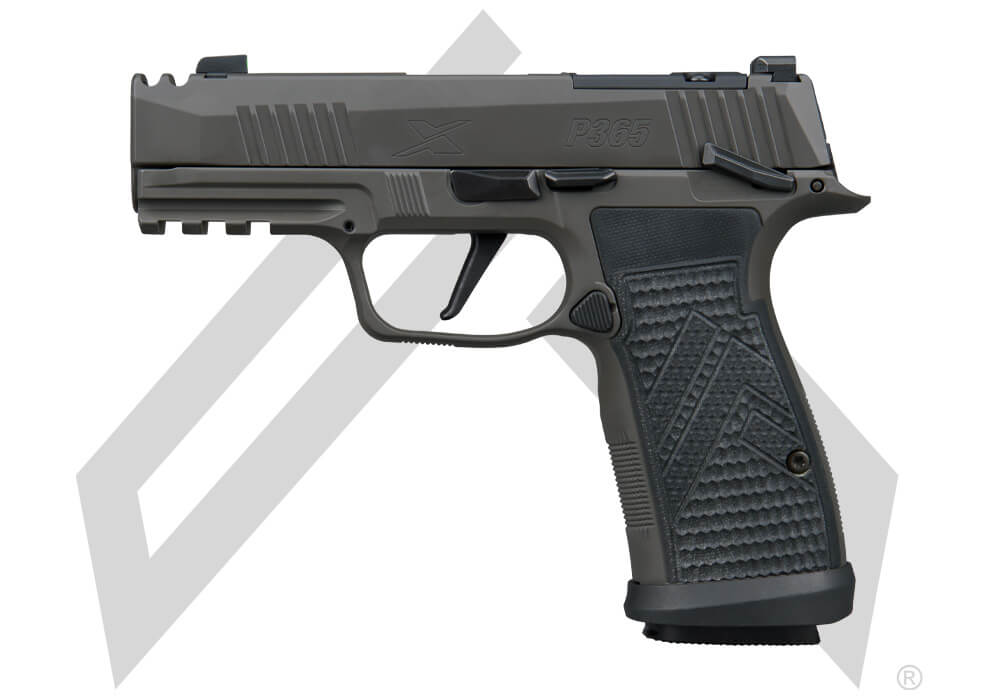
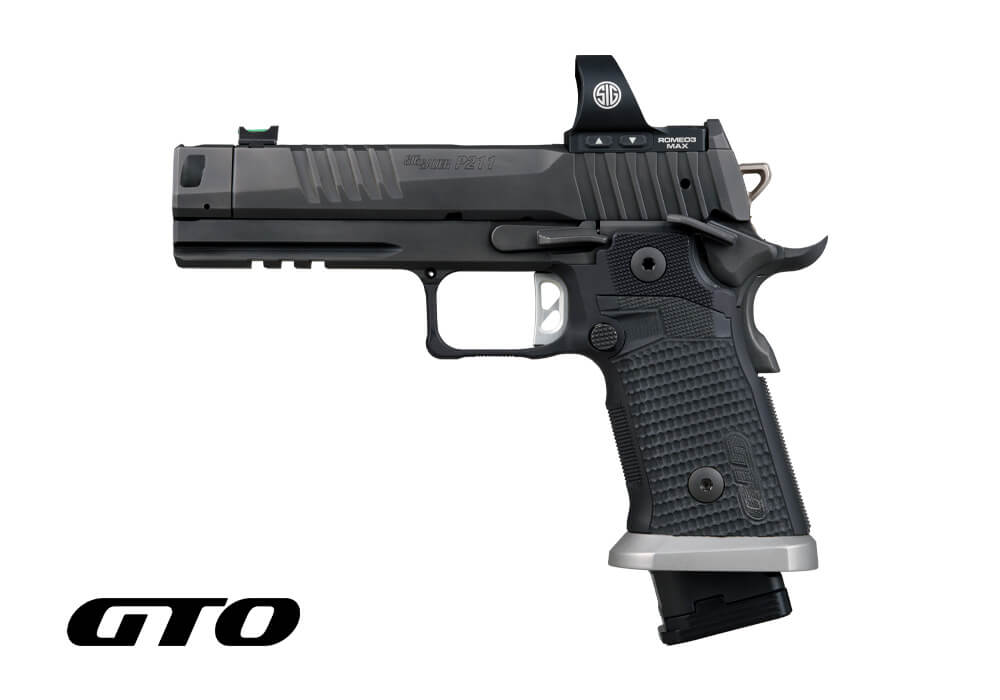
Compact pistols with stainless construction combine a manageable footprint with the lasting appeal of metal components and a finish designed to better withstand everyday exposure. For many owners, the attraction begins with the balance in the hand: a stainless slide can add a touch of weight compared with an ultra-light configuration, helping soften perceived recoil and making it easier to settle the sights for a controlled follow-up shot. Stainless steel also offers strong resistance to sweat, moisture, and ordinary environmental wear, which can be especially useful for a pistol carried close to the body during warm days or stored for extended periods during the cooler months. Depending on the design, stainless construction may appear as an all-metal frame and slide, a stainless slide paired with a polymer frame, or a two-tone combination that blends a bright metal finish with darker controls and grip surfaces. These pistols are compact enough for discreet inside-the-waistband, outside-the-waistband, or other approved holster arrangements, yet substantial enough to provide a confident, steady feel during practice. A compact pistol should always be treated as a serious firearm rather than an accessory: safe storage, proper handling, regular inspection, and consistent range practice are essential parts of ownership. Anyone considering one should also review applicable federal, state, and local laws governing purchase, possession, transportation, and concealed carry, since requirements can vary considerably by jurisdiction.
Choosing among compact pistols with stainless construction starts with the details that affect how naturally the firearm fits a particular hand and routine. Caliber is an important consideration, with common compact options including .380 ACP and 9mm; each has different recoil characteristics, ammunition availability, and training considerations. A smaller caliber may appeal to someone seeking a softer-shooting platform, while 9mm is widely chosen for its balance of manageable recoil, broad ammunition selection, and standard or extended capacity options. Action type also influences the experience. Striker-fired designs generally provide a consistent trigger system, while hammer-fired pistols may offer a distinct manual of arms and a profile familiar to shooters who prefer that operating style. Controls should be easy to reach without forcing the shooting hand to shift position, and the grip should allow a secure hold without creating excessive bulk for concealed carry. Pay close attention to overall length, height, width, unloaded weight, sight configuration, trigger reach, and the shape of the slide and controls. A smooth, rounded exterior can help reduce snagging when drawing from a quality holster, while textured grip panels can improve control when hands are damp or gloved. Magazine dimensions matter as well: a flush-fit magazine may provide the slimmest profile, while an extended magazine can offer additional grip length and standard or extended capacity. Before settling on a model, handle it unloaded at a qualified retailer or range, verify that the controls feel intuitive, and confirm that suitable holsters, magazines, and practice ammunition are readily available. Fit is personal, and the pistol that feels balanced during a brief inspection may become even more comfortable after supervised practice.
These pistols may suit licensed concealed carriers, home-defense owners, experienced range users, and new shooters who are prepared to learn under qualified instruction. They can also be considered as a gift for an eligible adult family member or shooting enthusiast, but firearms should never be given casually or transferred outside the requirements of applicable law. The recipient should have an opportunity to evaluate grip size, recoil, controls, and carry preferences, and any transfer should be completed through the legally required process. For everyday carry, a rigid holster that fully protects the trigger guard is essential, along with a secure belt or carry system designed for the firearm; placing a loose pistol in a pocket, bag, nightstand drawer, or vehicle compartment is not an appropriate substitute. Stainless construction reduces concern about routine moisture, but it does not eliminate maintenance. Wipe away fingerprints and perspiration after handling, inspect the slide and controls, follow the manufacturer’s cleaning and lubrication instructions, and store the pistol unloaded or as otherwise appropriate under a responsible storage plan. A locked container, separate ammunition storage where appropriate, and restricted access are especially important in homes with children or other unauthorized users. For shooters comparing stainless models with other finishes, the broader selection of Compact Pistols With Durable Construction can provide additional ways to weigh material choices, carry needs, and maintenance expectations. Whatever the final selection, the best experience comes from a deliberate process: learn the firearm’s controls, use quality factory ammunition suited to the pistol, confirm reliability through supervised range sessions, and build habits around the four fundamental rules of firearm safety.