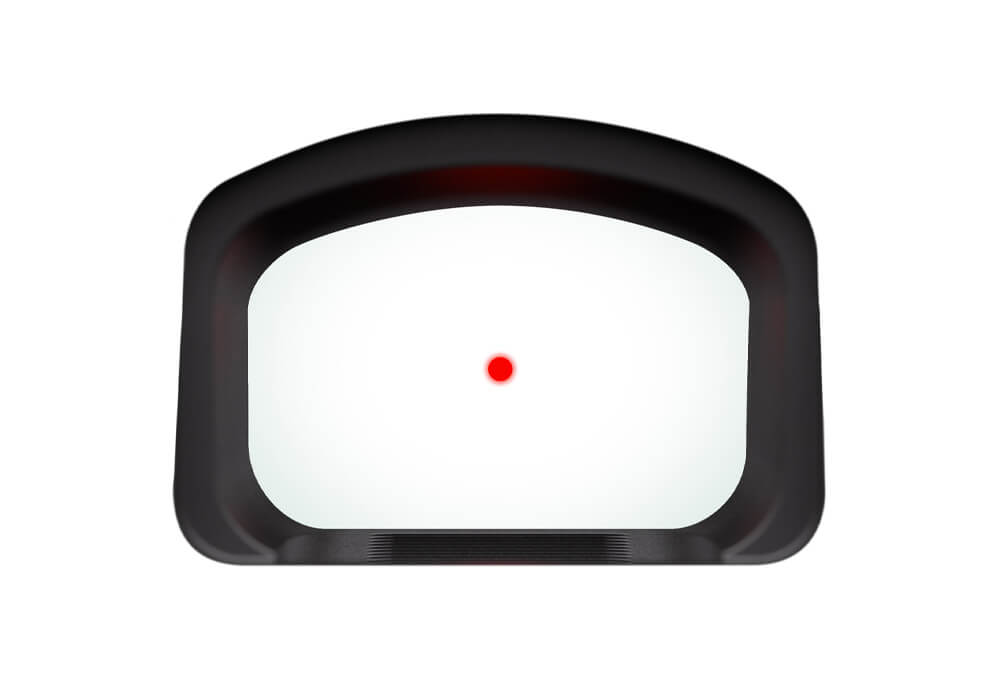
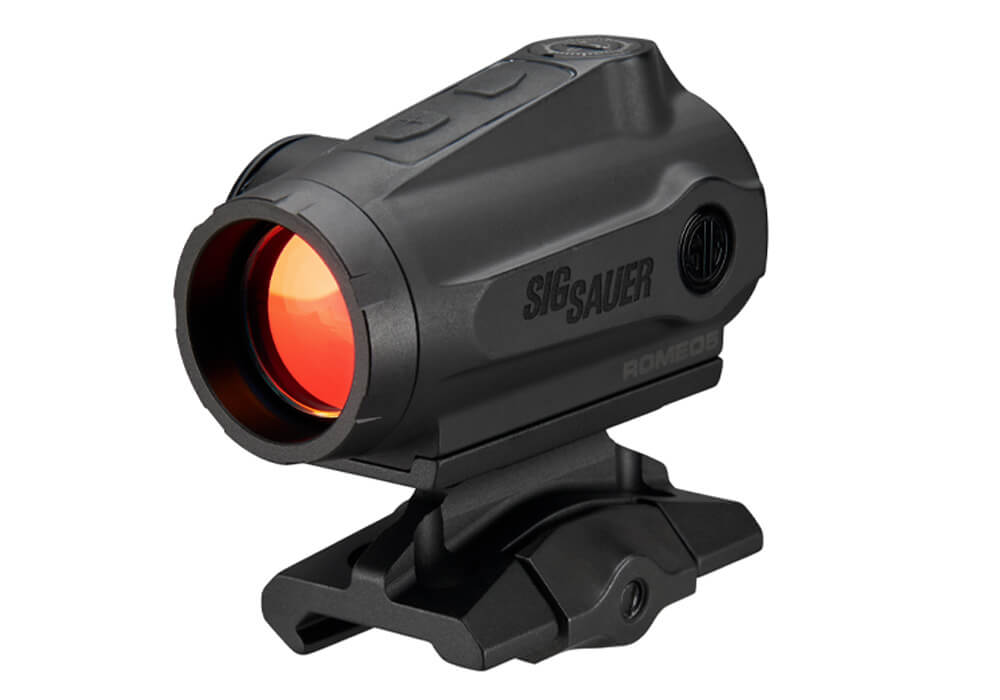
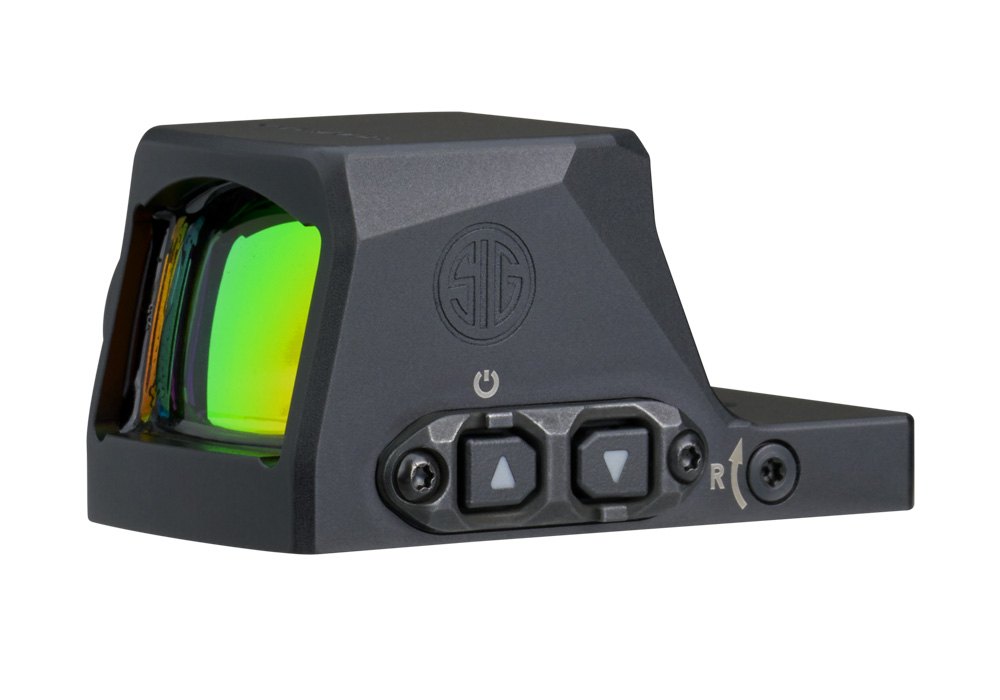
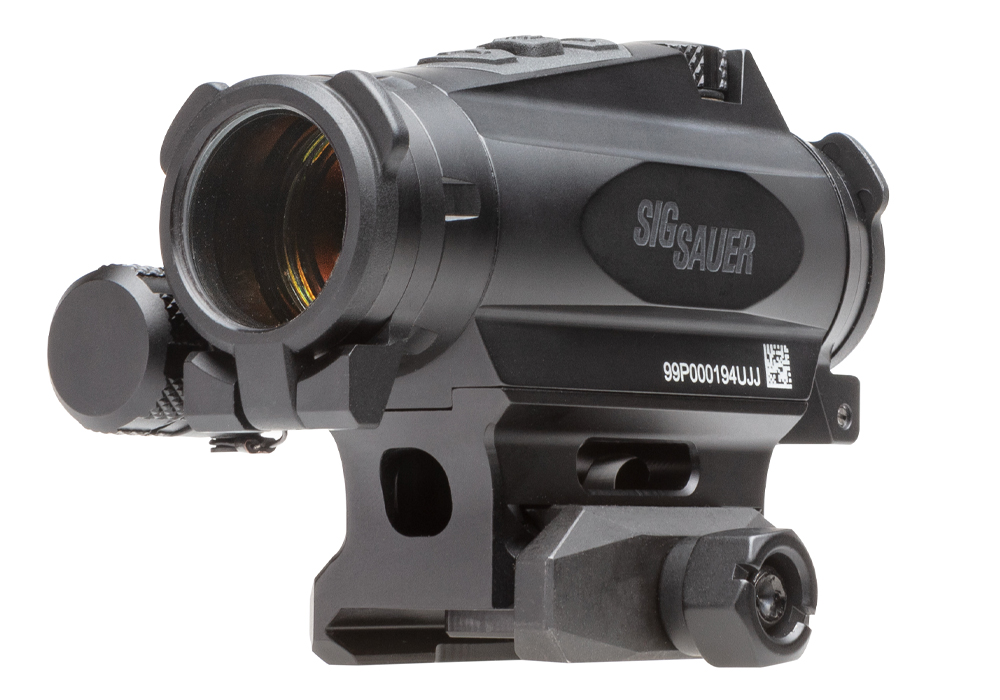
Compact red dot sights with excellent light transmission combine a bright, natural-looking view with a distinct aiming point and a housing that keeps weight and bulk manageable. Their optical appeal comes from how effectively the lens system passes visible light while controlling distracting reflections, haze, and color shift. Quality optical glass and carefully applied coatings help preserve contrast, allowing details beyond the sight window to remain recognizable rather than appearing washed out or heavily tinted. A slight tint is not automatically a sign of poor optics: a reflex sight uses a specially coated surface to reflect the illuminated aiming point toward the shooter’s eye while allowing the surrounding scene to remain visible. The useful distinction is whether that tint interferes with detail, color recognition, or visual comfort. For recreational target shooting and organized competition, a clear window can make the sight picture feel less cluttered, particularly against dark target backgrounds or under uneven indoor lighting. Most red dot sights in this category are nonmagnifying, supporting an open view with both eyes open rather than the narrower perspective associated with magnified optics. Window dimensions, housing thickness, and lens shape also influence that experience. A larger viewing window may feel more spacious, but exterior dimensions alone do not establish optical quality. Likewise, a brighter illuminated dot does not mean that more light is passing through the glass. Dot illumination and light transmission are separate characteristics, and excessive brightness can create a glowing halo that obscures fine detail. Balanced illumination leaves the aiming point visible without overwhelming the background. Published transmission figures can provide context when the measurement method is explained, but percentages from different sources are not necessarily directly comparable. The strongest overall optical impression comes from consistent clarity across the usable window, restrained internal reflections, and an aiming point that stays distinct at a comfortable brightness setting. Those qualities matter more in everyday use than an isolated specification without supporting detail.
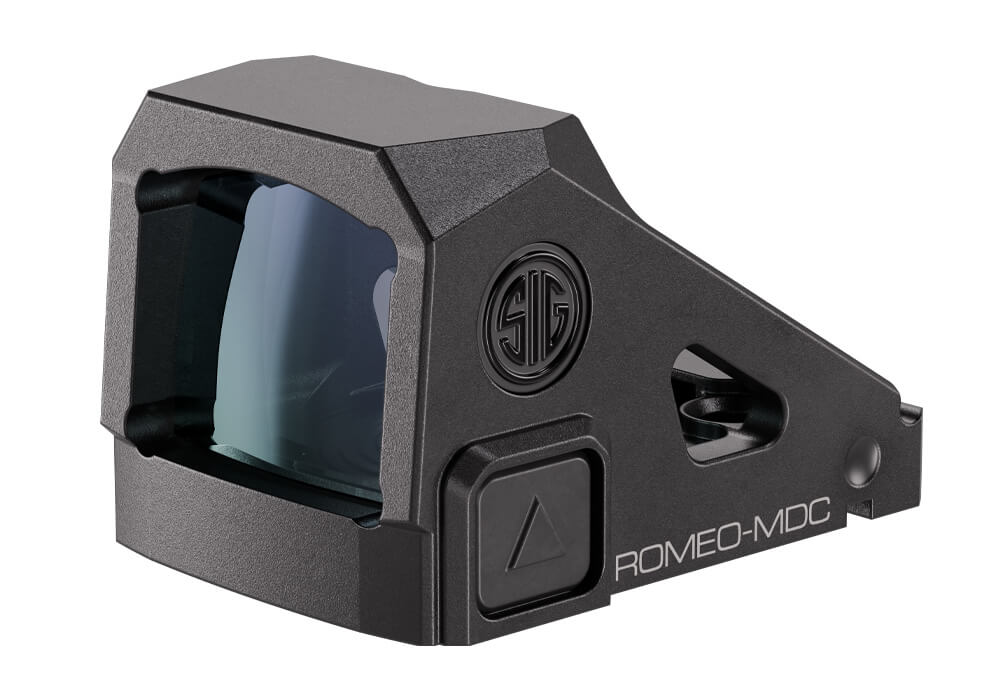
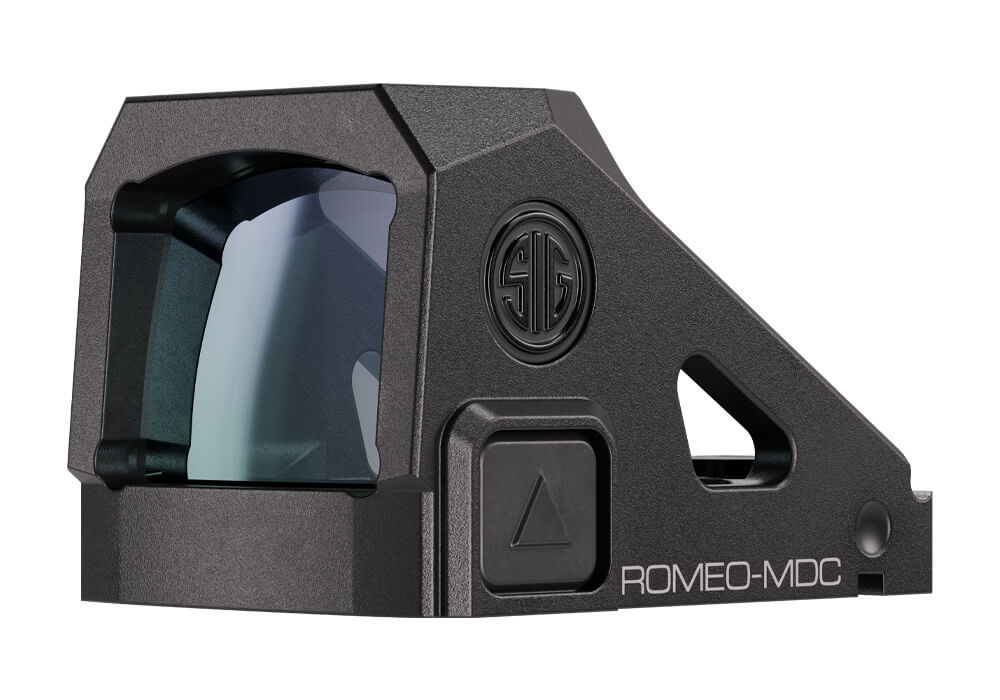
Compact proportions also bring practical considerations beyond the view through the lens. A sight should suit its intended platform without adding unnecessary bulk or placing controls where they are difficult to reach. Mounting footprint, mounting system, overall dimensions, and clearance around nearby components are separate compatibility details; similar-looking housings do not establish interchangeability. Manufacturer documentation provides the relevant fit information, including whether an adapter is required and which mounting arrangements are supported. Housing materials influence weight and durability, with aluminum commonly used to balance structural strength and manageable size. Protective finishes can help resist surface wear, although no finish eliminates the need for sensible handling. The relationship between the housing and the lens matters as well: exposed edges, recessed glass, and the shape of the protective frame can affect how easily the optic collects fingerprints or contacts other equipment during transport. Open-emitter designs leave the light source exposed within the sight structure, while enclosed-emitter designs surround the optical path with a protective housing. Each arrangement has implications for size, cleaning access, and protection from dust or lint. Neither description alone establishes superior glass quality or higher transmission. Documented recoil testing, sealing specifications, and warranty terms offer more useful durability context than broad claims of toughness. Controls deserve similar attention. Distinct buttons, understandable brightness settings, and accessible battery compartments can make routine ownership less cumbersome. Automatic brightness adjustment may be convenient, but its usefulness depends on how well the sensor responds to the lighting around the shooter and the target area. Manual adjustment provides direct control when those lighting levels differ. Battery-life claims also need context because illumination level, operating mode, and electronic features influence runtime. A compact optic used regularly at a practice range may place different demands on its controls and battery access than one reserved for occasional recreational sessions. Thoughtful fit balances the sight’s optical qualities with its dimensions, operating features, and documented compatibility rather than treating small size as the only goal.
Long-term clarity depends partly on how the sight is handled and maintained. Fingerprints, skin oils, lint, and fine dust can scatter light across the window, creating glare that resembles an optical limitation even when the underlying glass is clear. Loose particles should be removed before the lens is wiped, and cleaning materials should be suitable for coated optics and consistent with the manufacturer’s care directions. A rough cloth or an unsuitable household cleaner can damage delicate surfaces instead of restoring visibility. Clean lens tissue or a clean optical microfiber cloth, used as directed, helps preserve the coatings that contribute to a crisp view. A protective cover and a secure storage arrangement can also reduce unnecessary contact with the glass between range visits. Routine inspection of the housing, controls, and battery compartment supports dependable ownership without requiring elaborate upkeep. For shooters who appreciate compact equipment, the appeal is often the combination of a modest profile and an uncluttered sight picture rather than a long list of electronic features. Someone practicing on paper targets may value fine control over dot brightness, while a recreational competitor may pay closer attention to window shape, control access, and the visual presence of the surrounding frame. A smaller aiming point can leave more of a small target visible, while a larger point may be easier for some eyes to distinguish; personal vision and the intended activity both influence that preference. Shoppers interested in a related low-profile category can also explore Compact Black Reflex Sights. As a gift for an experienced shooting-sports enthusiast, an optic is most useful when the recipient’s platform compatibility and preferences are already understood. Across these considerations, excellent light transmission remains part of a larger optical balance: clear background detail, manageable reflections, comfortable illumination, and a durable design that suits its intended use. A compact sight earns its place through that combination, keeping the view readable without making the equipment itself the center of attention.