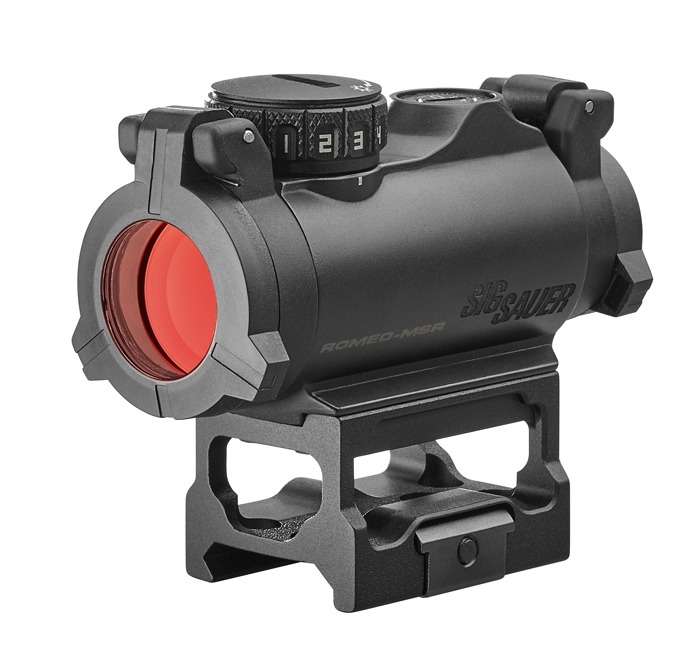
Green dot sights with high light transmission combine a visible green aiming point with an optical window that preserves a bright, detailed view of the target. Light transmission describes how much light passes through the optic to the eye; it is separate from reticle brightness, which describes the intensity of the illuminated aiming point. A brighter dot does not compensate for a dark or hazy sight picture. Clear glass, carefully applied optical coatings, and controlled reflections all contribute to a view in which target edges and surrounding details remain easy to distinguish. On a paper target, that can mean seeing the boundary between a black scoring ring and the lighter background without a distracting veil across the window. Green illumination can appear especially prominent to some eyes because human vision is sensitive to green wavelengths, but perceived sharpness and comfort vary from person to person. Green is not automatically clearer for every shooter, and a change in reticle color does not necessarily resolve distortion associated with astigmatism or other vision differences. The relationship between the aiming point and the view through the glass matters more than color alone. A well-balanced sight picture keeps the reticle visible without allowing it to dominate small target details. Some lens tint is normal in reflex optics because their coatings help reflect the aiming point toward the eye. Tint by itself does not establish optical quality, just as a nearly colorless window does not prove a particular transmission level. Published transmission percentages are most useful when their measurement methods and wavelength ranges are comparable. Without that context, clarity, contrast, reflection control, and a consistently defined reticle provide a more complete picture of the viewing experience. Window dimensions and housing shape also influence how open the view feels, although a larger window does not inherently transmit a higher percentage of light. These characteristics work together, giving green dot sights their particular balance of optical visibility, compactness, and ease of use at the range.
Construction and fit are equally important to the experience behind the glass. Aluminum housings are common because they combine relatively low weight with structural strength, while protective finishes help resist surface wear from routine handling. Housing geometry, lens protection, and the security of the mounting interface all contribute to durability; exterior appearance alone reveals little about how an optic will withstand repeated use. Open-emitter designs leave the light source exposed within the sight assembly, while enclosed-emitter designs place it behind protective windows. That distinction affects access for cleaning and how readily dust, lint, or other debris can interrupt the optical path. An enclosed design still needs clean exterior lenses, and any sealing or water-resistance claim should be understood according to the stated rating rather than assumed from the shape of the housing. Fit depends on the intended firearm and mounting system. A pistol slide footprint, an adapter plate, and a rifle rail mount are different interfaces, and apparent similarity does not establish compatibility. Correctly specified mounting hardware and installation according to the applicable manufacturer instructions help protect both the optic and its mounting surfaces. Overall dimensions, weight, and mounting height also affect how naturally the sight fits an existing setup. On a compact handgun, housing width and access to controls can be particularly noticeable; on a carbine, the mount and the relationship to other sighting equipment deserve equal attention. For a firearm carried in a holster, the optic also needs appropriate clearance within a compatible holster design. Dot size adds another consideration. A smaller aiming point can leave more of a fine scoring area visible, while a larger point can be easier for some users to distinguish. Neither characteristic guarantees better results for every application. Brightness adjustment range, control placement, battery access, and any automatic illumination functions influence day-to-day convenience. Battery service that does not disturb the mounting interface can simplify upkeep, but the details depend on the design. These practical features support the optical experience rather than replacing the need for clear glass and dependable construction.
Green dot sights with high light transmission suit a range of recreational shooting and organized target activities where a visible aiming reference and an unobstructed view are valued. Someone working with small paper scoring zones may appreciate a fine, well-defined dot and minimal visual clutter, while a recreational shooter using larger targets may place more emphasis on an open window and easily reached controls. A visit to an indoor range can also reveal differences that specifications alone do not describe: overhead fixtures may create reflections, a dark target can change the apparent contrast of the reticle, and an excessively intense setting may make the dot appear larger or less distinct. These experiences are reasons to consider the complete sight picture rather than treating maximum brightness as a measure of optical quality. For a closely related selection centered on range use, Green Dot Sights for Target Shooting brings that intended application into focus. Long-term clarity also depends on sensible care. Fine dust, fingerprints, and cleaning residue can obscure detail even when the underlying lenses are excellent. Lens-safe supplies and the cleaning methods specified for the optic help preserve coatings; abrasive wiping, harsh household cleaners, and unnecessary contact with the glass can damage optical surfaces. A protective cover can reduce exposure to lint and handling marks during storage or transport. Routine attention to the housing, controls, battery condition, and mounting hardware supports consistent use, with any inspection or maintenance performed only after the firearm has been safely unloaded according to its instructions. For someone considering an optic as a gift, confirmed firearm compatibility and the recipient’s preferred sight format matter more than appearance alone. Across these uses, the appeal of a high-transmission green dot sight remains straightforward: a distinct aiming point, useful target detail, and a viewing experience that feels clear rather than visually crowded. Optical quality, physical fit, practical controls, and maintainable construction give that appeal substance over repeated range visits.