Competition gear is built around consistency, safe handling, and the demands of a specific shooting discipline. In action-shooting sports such as USPSA, IDPA, and IPSC, competitors may move between shooting positions, engage targets from different angles, and complete a course under time limits, making secure, accessible equipment an important part of preparation. Multi-gun matches add another layer of planning, with equipment needs that can differ substantially from those of a handgun-only division. Before choosing individual pieces, review the current rules for the division and match you intend to shoot. Regulations may address holster position, equipment placement, magazine length, concealment, retention, and the number of magazines or ammunition carriers permitted on the belt. A setup that feels ideal in practice may not be legal in competition, and gear intended for one discipline may offer little crossover to another. The best starting point is a stable foundation: a rigid competition belt that supports a holster and magazine pouches without sagging, shifting, or pulling away from the body. Many competitors prefer a two-layer system, with a secure inner belt that stays in place and a stiff outer belt that carries the holster and pouches. This arrangement can make it easier to put on a consistent setup, remove it between sessions, and maintain the same equipment placement from one practice day to the next. Fit matters just as much as stiffness. A belt should sit comfortably at the waist, remain secure during movement, and avoid excessive pressure when worn for several hours on a cool morning or during a long match.
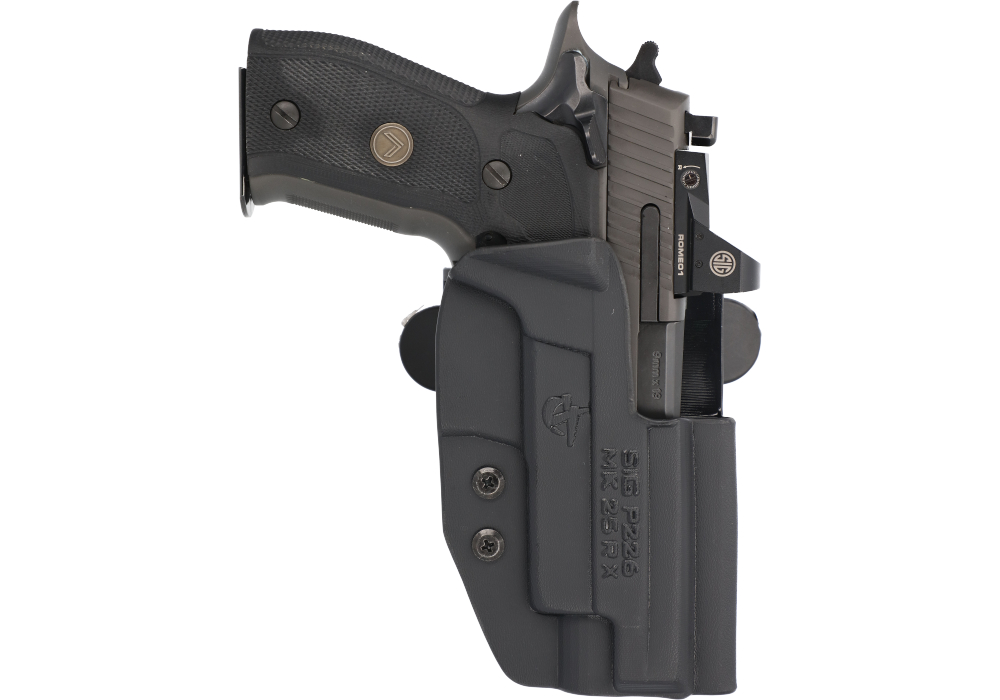
A competition holster should be designed for the exact firearm it is intended to carry, with a rigid fit and retention that keeps the firearm secure while allowing a controlled, repeatable draw. Adjustable retention can help a competitor fine-tune the balance between security and access, but any adjustment should be tested carefully and checked before arriving at a match. Holster position, ride height, and angle influence how naturally the hand reaches the grip, while the belt and mounting hardware determine whether that position remains stable as the competitor moves. Magazine pouches deserve the same attention. Adjustable carriers allow users to tune spacing, retention, and angle so the wrist can remain in a natural position during reloads rather than twisting or reaching awkwardly. Arrange pouches according to the rules and your own movement pattern, then practice with the same standard or extended-capacity magazines used in competition. Small changes become noticeable when repeated across a full course of fire: a pouch that sits slightly too far forward, a belt that rotates under load, or a holster that shifts when kneeling can interrupt a well-rehearsed sequence. Dry practice with an unloaded firearm, performed in a safe area according to established handling procedures, can help identify fit and access issues before live fire. At the range, use equipment exactly as it will be worn in a match, including outer layers that may be needed during the cooler months. A structured range bag is useful for keeping magazines, ammunition, eye and ear protection, tools, targets, and personal essentials organized, while separate compartments help prevent loose items from becoming difficult to find between stages. For broader practice and support equipment, explore Gun Range Gear.
Safety equipment is not an afterthought in competition; it is part of the system that allows training and match preparation to continue comfortably. ANSI-rated shooting glasses help protect the eyes from fragments, dust, and spent materials while providing clear vision as lighting changes from bright outdoor conditions to shaded bays or covered firing areas. Electronic ear protection can make it easier to hear range commands and conversation while reducing the impact of loud reports, though fit and comfort should be assessed before a full day on the range. Consider spare batteries, lens options, cleaning supplies, and a protective case so essential equipment remains ready when it is needed. Other practical choices may include gloves that preserve a secure grip without reducing trigger-finger awareness, supportive footwear suited to uneven ground, sunscreen or weather protection during warmer sessions, and compact tools for routine adjustments. These items can also make thoughtful gifts for a new competitor, a seasoned range partner, or someone building a dedicated training kit, especially when selected with the recipient’s discipline and firearm platform in mind. A useful gift is rarely the most complicated piece of equipment; it is often the item that solves an everyday inconvenience, such as a better way to carry magazines, a more comfortable belt, or a bag that keeps everything in one place. When assembling competition gear, prioritize compatibility, rule compliance, dependable construction, and a fit that remains comfortable through practice, travel, and match day. The result should feel deliberate rather than overloaded: each item has a clear purpose, stays secure during movement, and supports the competitor’s focus from the first safety briefing to the final stage.