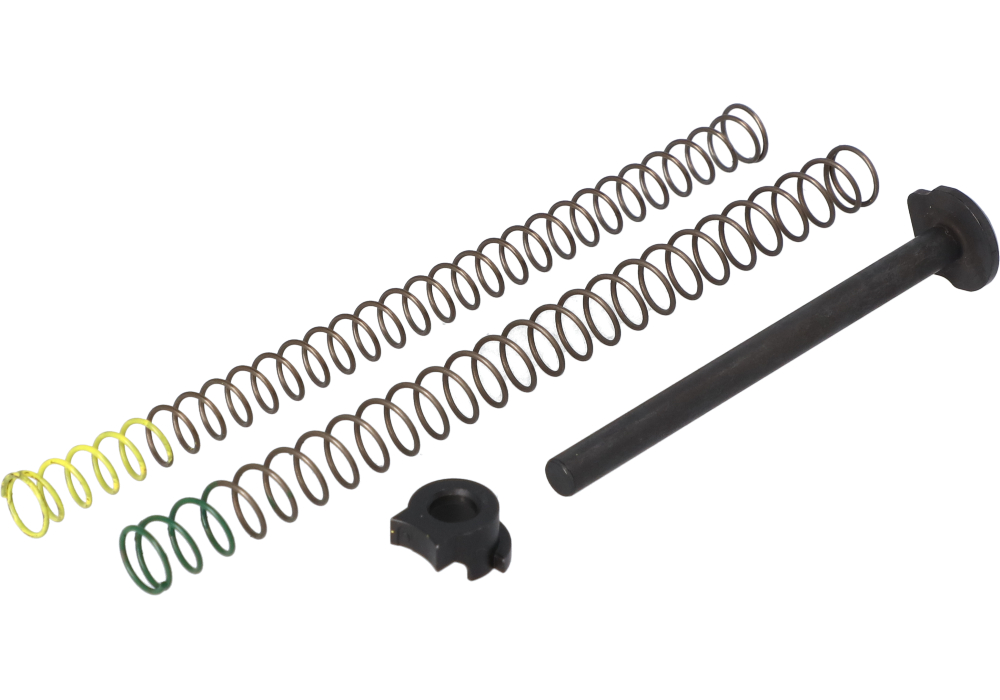
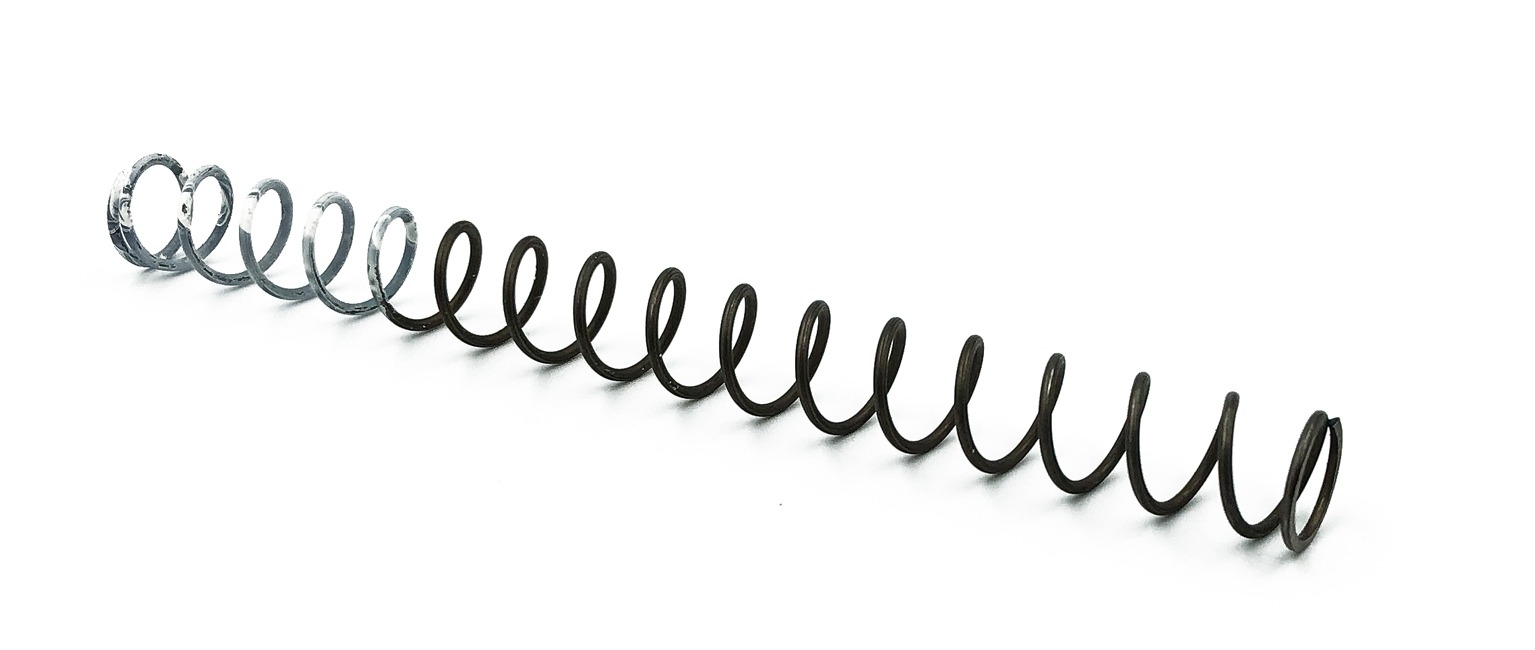
Competition pistol recoil spring sets bring together components that support the slide’s movement and return in a semiautomatic pistol. During normal operation, the recoil spring stores energy as the slide travels rearward and supplies force for its forward movement. For competitors, that function contributes to the overall feel of the pistol, but it is only one part of a larger mechanical system. Slide mass, barrel configuration, ammunition characteristics, and other components also influence cycling behavior. A recoil spring set should therefore be understood as a platform-specific component selection, not a universal shortcut to softer recoil or faster stage times. Depending on the set’s specifications, it may contain springs with different ratings or multiple replacement springs of the same rating. Those distinctions matter when comparing descriptions: a collection of replacement springs serves a different purpose from a set containing several spring-force options. Ratings expressed in pounds describe spring force under specified measurement conditions; they do not describe the pistol’s total recoil, and they are not interchangeable with ammunition power factor. Power factor is a competition measurement associated with projectile weight and velocity, rather than a complete standard for choosing a recoil spring. Lower spring ratings are not automatically better for competition, and higher ratings do not guarantee smoother operation. The relevant starting point is the pistol manufacturer’s documented requirements and the compatibility information supplied for the component. For someone who competes regularly, clear specifications help separate meaningful differences from broad performance claims. Consistent cycling, dependable feeding, and proper function remain more important than an isolated impression of how the slide feels. A spring cannot guarantee that a sight returns to precisely the same position after every shot, nor can it compensate for every difference between pistols or ammunition. Well-documented competition pistol recoil spring sets give shoppers a clearer way to compare compatible components while keeping expectations grounded in the complete firearm configuration.
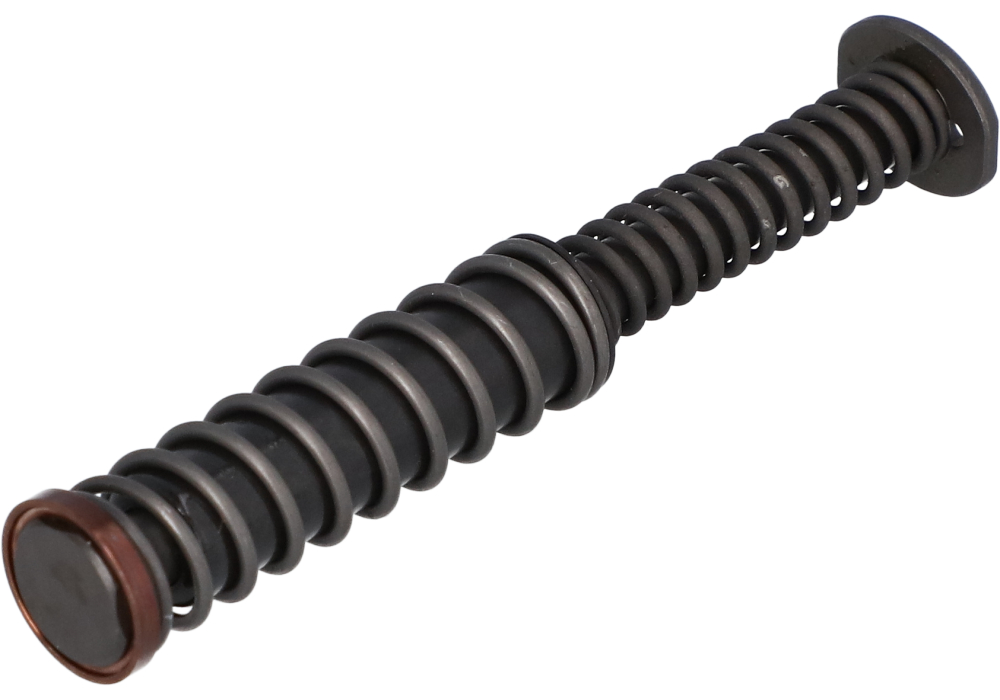
Materials, dimensions, and construction deserve close attention because a recoil spring works through repeated compression and extension. Spring steel and other suitable spring alloys are selected for their elastic behavior and resistance to fatigue, while material quality, heat treatment, surface condition, and manufacturing consistency all contribute to service life. A shiny finish alone does not establish durability, and two springs that look similar can have different mechanical specifications. Wire diameter, coil geometry, overall length, and the spring’s relationship to its guide rod are important details in a compatibility description. Fit extends beyond the general name of a pistol family: model, size, generation, slide configuration, and recoil assembly design can all affect whether a component is appropriate. Captured assemblies and separate springs also represent different formats, so the contents of a set should be read carefully rather than inferred from a photograph. A guide rod shown alongside springs is not necessarily included, and a compatible spring does not establish compatibility for every other component pictured with it. For a competitor preparing equipment for a match, these distinctions are practical rather than academic. Clearly identified components are easier to keep organized in a range bag or maintenance workspace, especially when several similar-looking springs belong to different pistols. Retaining labeled packaging and the accompanying specifications helps preserve that identification over time. Care should follow the firearm and component manufacturers’ instructions, including their guidance on inspection, cleaning, lubrication, and replacement. Surface corrosion, visible deformation, or other signs of deterioration warrant attention from a qualified professional rather than assumptions about remaining service life. No single replacement interval applies to every spring, pistol, and use pattern. A firearm used frequently in practice may have different maintenance needs from one used occasionally, and round-count records can provide useful context when reviewing manufacturer recommendations. Storage also matters: keeping spare components protected from moisture, abrasive debris, and unnecessary handling helps preserve their condition and keeps maintenance supplies orderly. Durability is best judged through documented specifications, proper fit, and appropriate care—not through appearance or an unsupported promise of indefinite service.
These sets are relevant to a range of competition-minded shoppers, from a first-time match participant learning the maintenance requirements of a pistol to an experienced competitor organizing replacement components for regular practice. They may also interest a club member who wants a clearly labeled supply of compatible springs or a shooter working with a qualified armorer to maintain an established match setup. Intended use should remain specific: a component described for competition is not automatically appropriate for every other role the pistol might serve. Match rules, the firearm’s approved configuration, and manufacturer guidance all remain relevant, particularly when a pistol has components that differ from its original configuration. When comparing competition pistol recoil spring sets with Custom Recoil Springs, focus on documented fit, clearly stated ratings, and an accurate description of what each set contains. Useful product information should identify the compatible platform, explain the component format, and distinguish included parts from optional supporting components. That clarity becomes especially valuable when a competitor has more than one pistol with a similar appearance. A spring intended for one assembly should not be assumed suitable for another simply because both firearms share a caliber or resemble each other externally. As a gift, a recoil spring set is most appropriate when the recipient’s exact pistol configuration and preferred maintenance components are known. It is a specialized purchase rather than a broadly interchangeable accessory, so guessing at fit can leave even an experienced shooter with the wrong components. For everyday ownership, straightforward organization often matters as much as the purchase itself: legible labels, retained instructions, and a record of which components belong to which pistol reduce confusion during routine maintenance. The strongest reason to choose a competition pistol recoil spring set is its suitability for a documented application. Reliable component information, sound material selection, and compatibility with the complete recoil assembly give the category its practical value. Those qualities support informed shopping and responsible upkeep without treating a single spring rating as a universal answer for every competitor, ammunition choice, or match pistol.