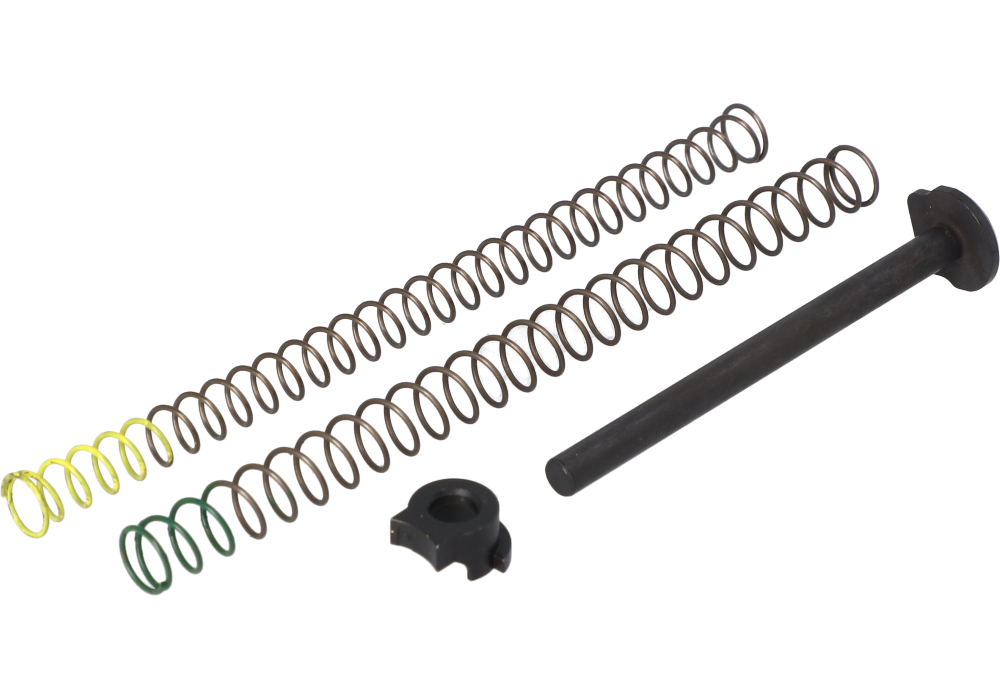
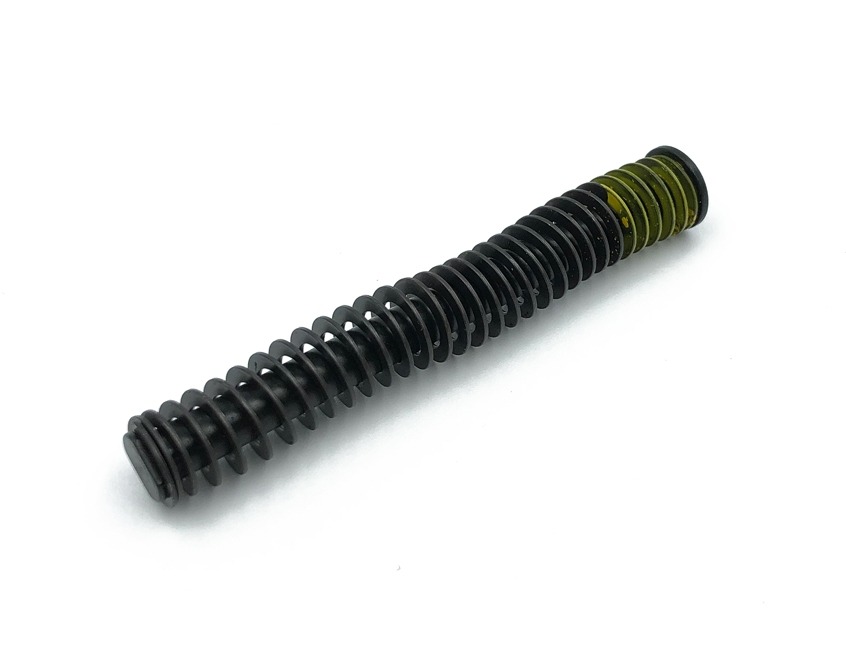
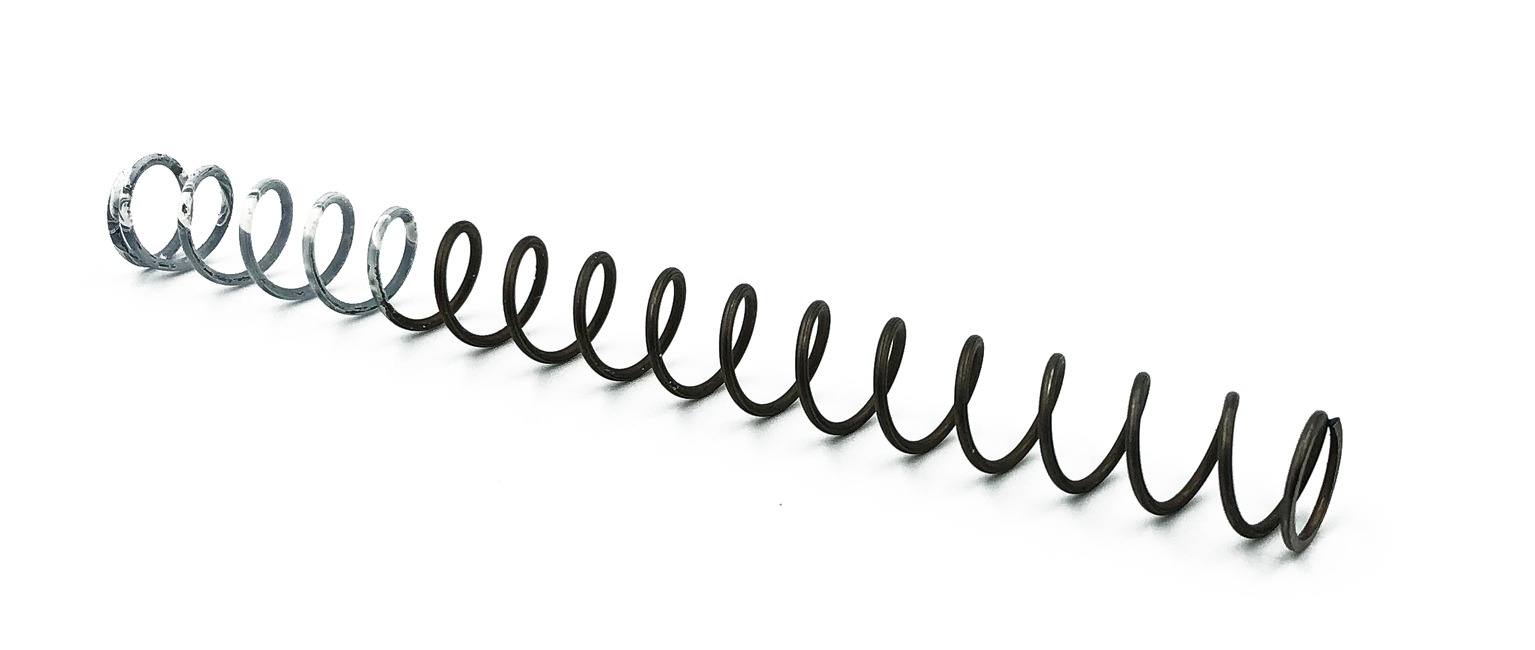
Custom recoil springs are selected to help a firearm’s cycling characteristics match its configuration, ammunition, and intended use. While a factory spring is designed around a standard combination of components and loads, a modified handgun or pistol may benefit from a different spring weight or construction. Changes such as an optic-ready or modified slide, compensator, suppressor, altered guide rod, or a preference for lighter target ammunition can affect slide velocity, ejection distance, felt recoil, and the consistency of return to battery. A properly matched recoil spring helps manage the slide as it moves rearward, then provides the controlled forward pressure needed to chamber the next round and lock the action. Custom recoil springs are commonly considered by competition shooters tuning a firearm for reduced-power loads, range users who want a smoother shooting cycle, and owners maintaining a frequently used handgun. They may also be useful for a defensive firearm when the selected setup differs from the original factory configuration, although reliability should always take priority over simply reducing felt recoil. Spring rate is generally expressed by its resistance or weight rating over a defined amount of compression, and the correct choice depends on the complete firearm system rather than on caliber alone. A spring that is too light may allow excessive rearward slide velocity, increase frame and slide battering, or create inconsistent feeding and ejection. A spring that is too heavy can prevent the slide from traveling fully rearward, fail to cycle lighter ammunition, or make the firearm difficult to operate by hand. For that reason, compare the spring specifications with the firearm manufacturer’s recommendations, confirm compatibility with the exact model and guide rod arrangement, and test any change with the ammunition you intend to use. The right setup should cycle consistently, lock open when appropriate, feed smoothly, and return to battery without unusual impact or sluggish movement. Owners who are assembling a carefully tuned range setup may appreciate the ability to keep several spring options on hand, while a knowledgeable shooter can give a compatible spring as a practical addition to a maintenance kit or range bag.
Material and construction are also important considerations when comparing custom recoil springs. Chrome silicon is valued for its durability, fatigue resistance, and ability to retain its working length through repeated compression, making it a strong choice for firearms that see regular practice or demanding cycling. Stainless steel offers useful resistance to rust and corrosion, which can be beneficial for firearms exposed to humidity, perspiration, storage changes, or frequent handling, though its service life and resistance to taking a permanent set may differ from chrome silicon depending on the design and use. Conventional round-wire springs are familiar and widely compatible, while flat-wire designs can provide a longer working life and fit efficiently within certain tight guide rod configurations, including some 1911-style handguns. Before ordering, review the firearm’s exact make, model, caliber, slide configuration, guide rod length, and any installed accessories. Consider whether the firearm is used with standard-pressure ammunition, reduced-power target loads, or higher-pressure loads, as ammunition pressure can influence the spring weight needed for reliable operation. A heavier or extra-power spring may be appropriate in some setups using higher-pressure ammunition, a suppressor, or a modified slide, but it should not be treated as a universal upgrade. A lighter spring may help a carefully matched target load cycle with less resistance, yet it requires thorough function testing and close attention to signs of excessive slide speed. Keep in mind that recoil springs are wear components: they can gradually lose tension, take a set, or change the firearm’s ejection pattern over time. Replacing a worn spring at a sensible maintenance interval can help preserve consistent performance, but replacement intervals vary with the firearm, spring design, ammunition, and round count. During the cooler months, a clean, correctly lubricated firearm and a spring suited to its operating conditions can make range sessions more predictable, especially when temperature, storage, or ammunition changes affect cycling. Anyone uncertain about spring weight, installation, or compatibility should consult the firearm manual and a qualified gunsmith before making a change. For owners maintaining a compatible .45-caliber setup, the 45 Recoil Springs collection offers a focused place to compare available options. Select based on verified specifications and the complete configuration of the firearm, then confirm reliable function with safe handling practices before relying on the setup for training or personal protection.