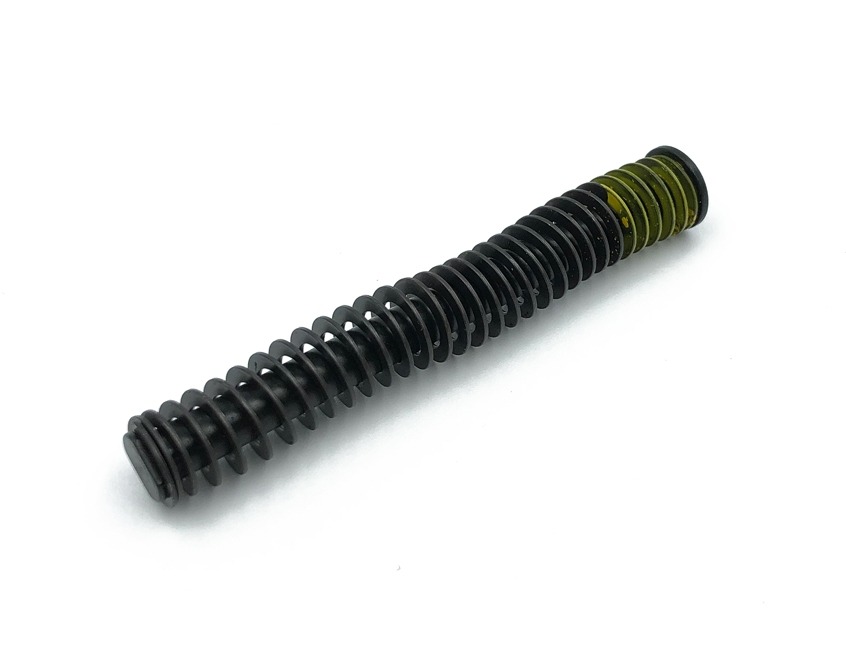
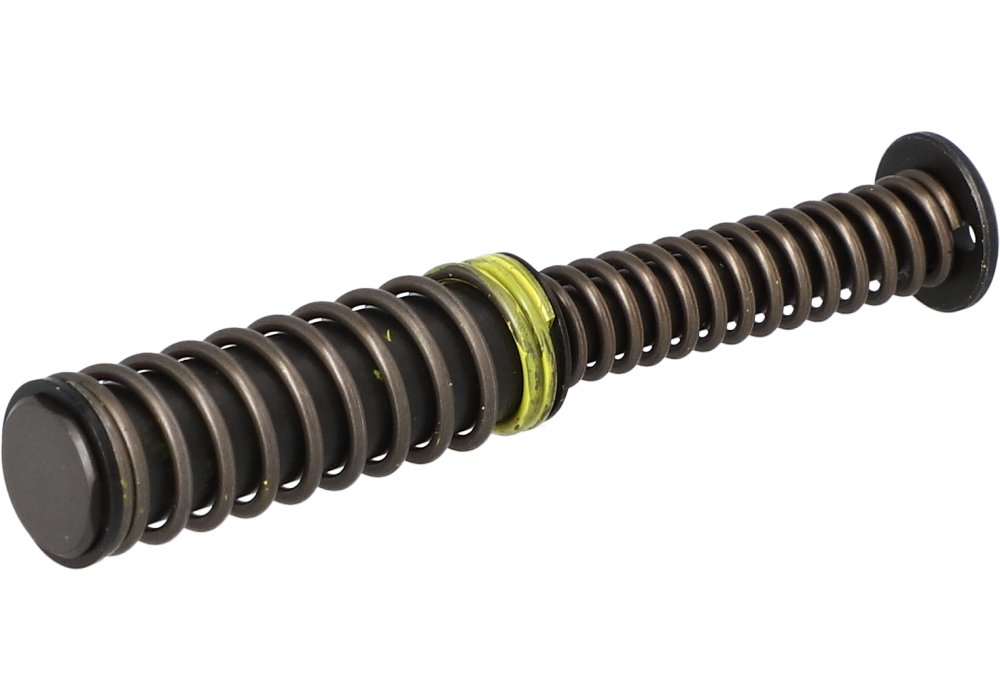
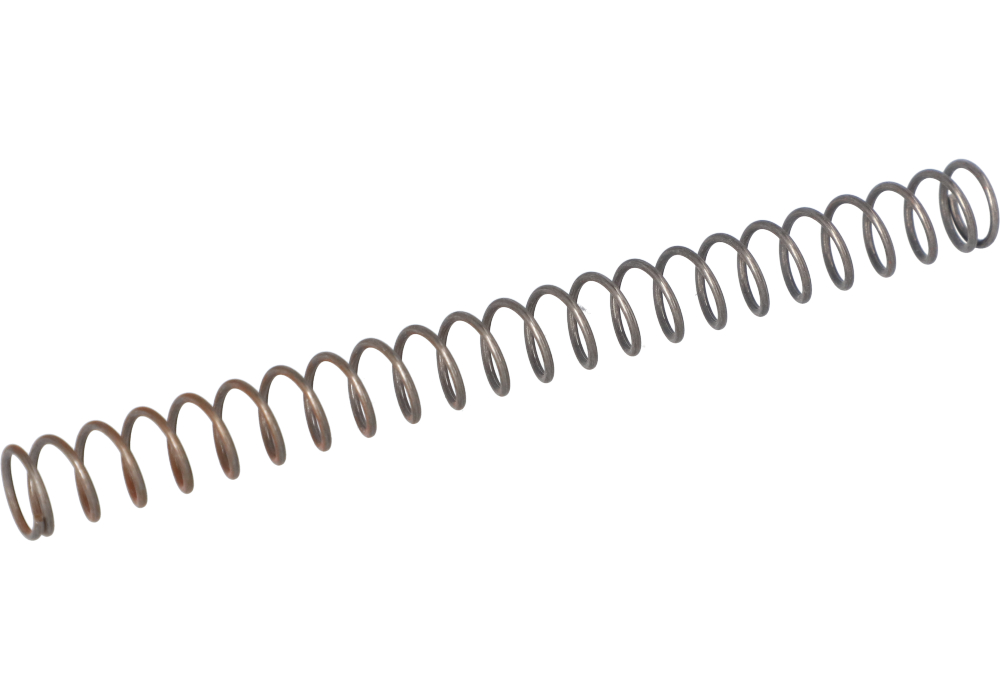
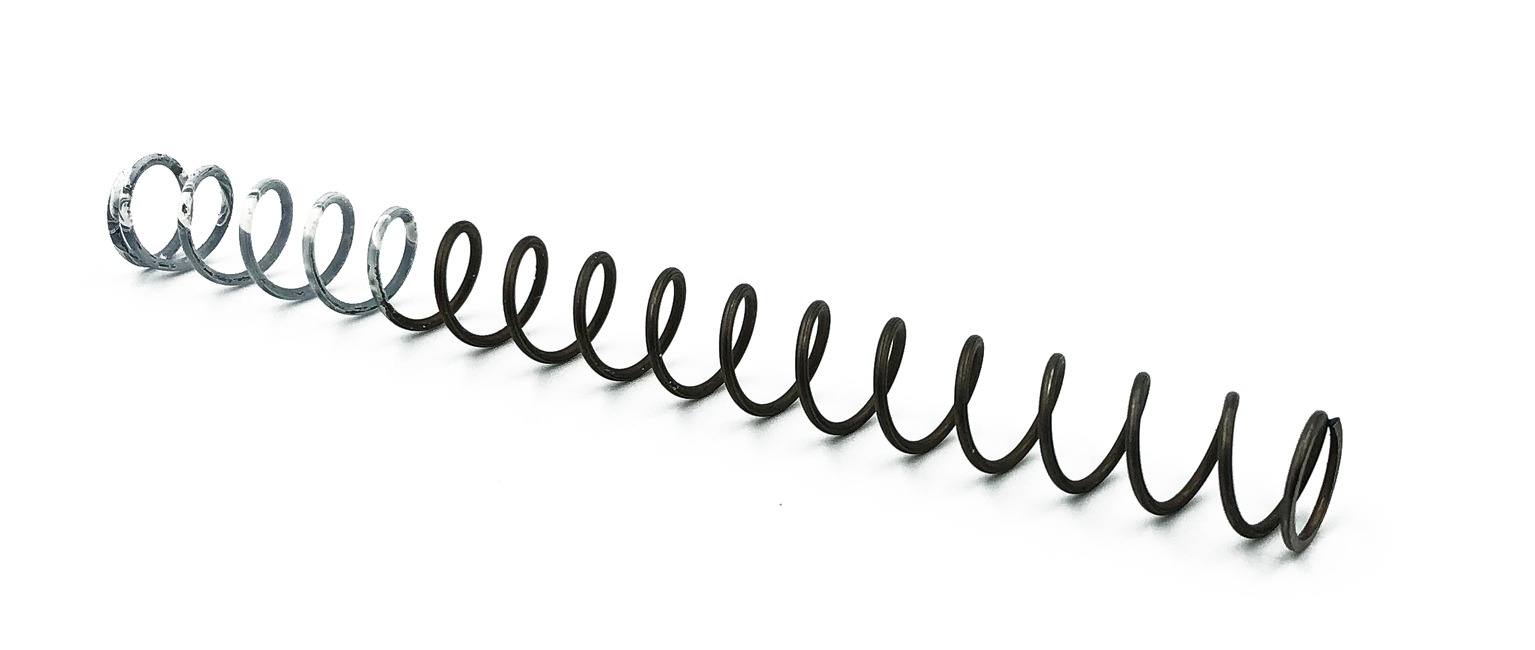
Recoil spring kits are practical replacement and tuning components for many semi-automatic handguns and rifles, helping manage the energy created each time a firearm cycles. A recoil spring works with the slide, bolt, guide rod, and other operating parts to control rearward movement, return the action to battery, and support consistent feeding, extraction, and lockup. Over time, springs can lose tension through normal use, storage in a compressed state, exposure to heat, or repeated firing. A worn spring may contribute to a sharper-feeling recoil impulse, unusual slide movement, inconsistent cycling, or failures that are difficult to trace to a single part. Replacing a tired spring with the correct configuration can be a straightforward way to restore the feel and function of a familiar firearm, while a kit with multiple spring weights may offer added flexibility for shooters who use different ammunition or dedicate one firearm to more than one purpose. Traditional round-wire springs remain a common replacement choice, while flat-wire and other engineered designs may offer different compression characteristics, service intervals, and handling qualities. Some platforms use captured or nested spring assemblies that combine the guide rod and one or more springs into a preassembled unit. These systems can be convenient for routine maintenance, but their dimensions, installation method, and approved replacement options vary considerably from one firearm to another. Before selecting a kit, confirm the exact make, model, caliber, generation, barrel configuration, and guide-rod arrangement listed by the manufacturer. Even closely related models may require different spring lengths or assemblies, and a part that appears similar may not be suitable for a particular firearm. The products collected on this page are intended to help shoppers compare available options by platform and intended use, whether the goal is a standard replacement, a maintenance spare, or a carefully selected tuning component. For shoppers beginning with a complete replacement unit rather than an individual spring, the Recoil Spring Assemblies selection can provide another useful category to review.
Choosing the right recoil spring kit starts with the firearm’s established specifications and the ammunition used most often. Standard-pressure practice ammunition, reduced-recoil loads, duty ammunition, and +P loads can produce different cycling characteristics, and a spring that works well for one combination may not be appropriate for another. Lighter springs can make it easier for the action to cycle with some lower-powered loads, but they may allow the slide or bolt to move faster than intended when paired with more energetic ammunition. Heavier springs can help slow rearward movement and may be considered when a platform and ammunition combination calls for additional control, but excessive spring weight can create its own problems, including short cycling, failures to feed, or difficulty manually operating the action. Spring weight is therefore not a universal upgrade ranking; it is one part of a complete system that includes ammunition, lubrication, grip, temperature, firearm condition, and the manufacturer’s specifications. A recoil spring kit may be especially useful for a frequent range shooter who keeps a maintenance schedule, a concealed-carry owner who wants a properly fitted replacement on hand, a competition shooter testing a specific load, or an armorer responsible for maintaining several compatible firearms. It can also make a thoughtful gift for an experienced shooter who appreciates useful maintenance equipment more than another accessory, provided the recipient’s exact firearm model is known. A small spare stored with other approved replacement parts can be valuable during a long training session or a cooler-weather outing, when a shooter may notice changes in handling or cycling that were less apparent during casual use. Installation should always follow the firearm manufacturer’s instructions, with the firearm unloaded and verified clear before any disassembly begins. If the kit changes spring weight, spring type, or guide-rod configuration, function should be checked with the intended ammunition in a safe, controlled setting before relying on that setup for defensive use or formal competition. Pay attention to feeding, extraction, slide or bolt lockup, ejection pattern, and any change in felt recoil, and discontinue use if the firearm shows unusual wear, impact marks, malfunctions, or difficulty returning fully to battery. When fitment is uncertain, consulting a qualified gunsmith or the firearm manufacturer is the most reliable approach. With accurate model information, a clear understanding of the intended ammunition, and careful attention to installation and maintenance, recoil spring kits can support dependable operation and help keep a well-used firearm ready for the range, training, or responsible everyday use.