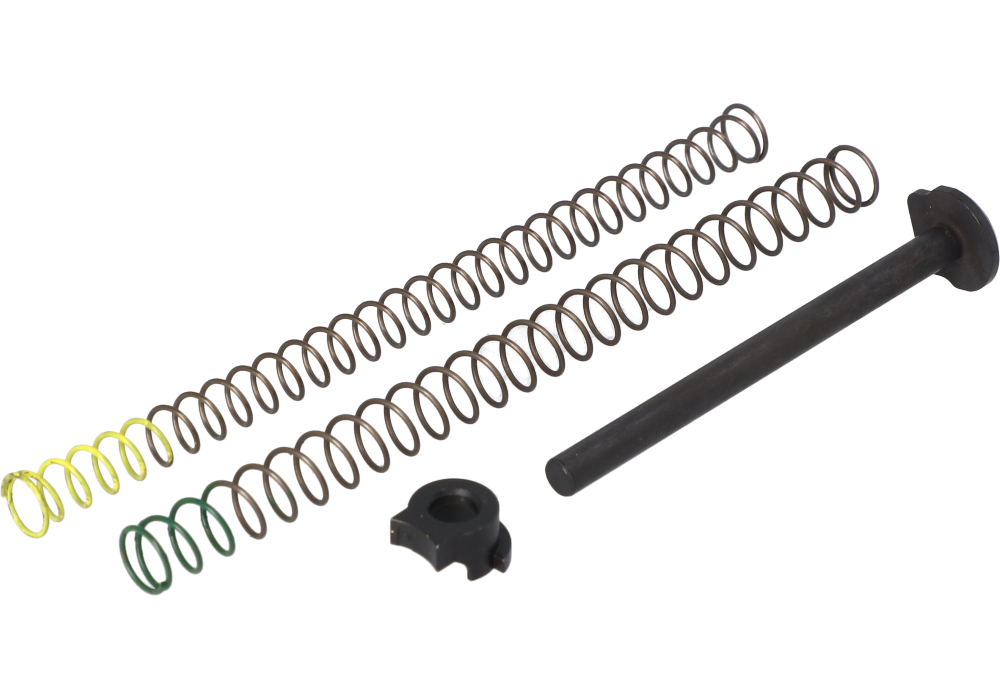
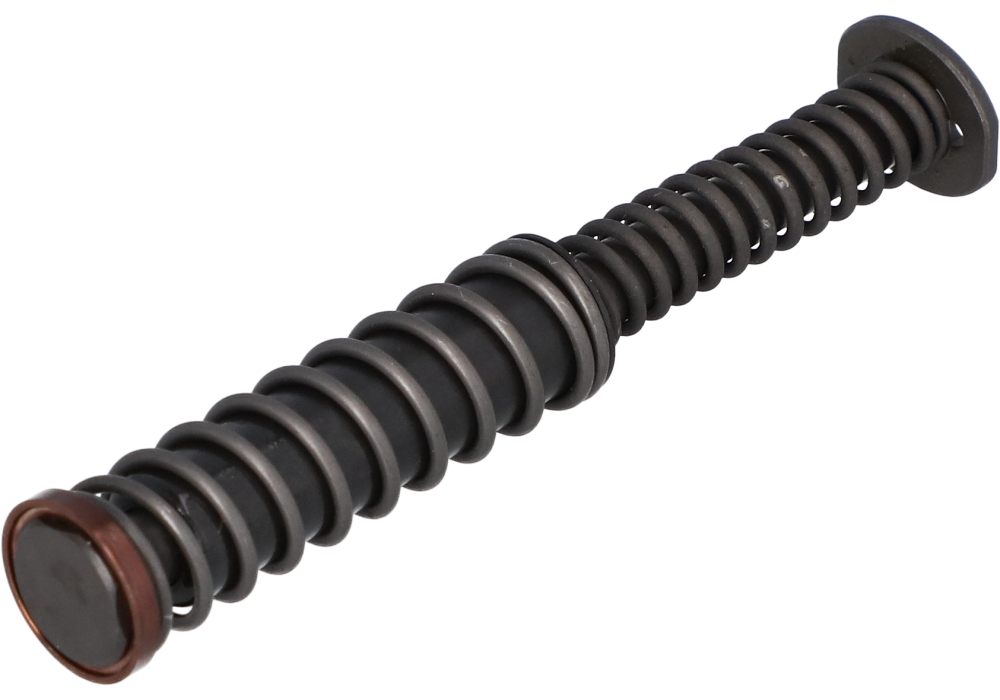
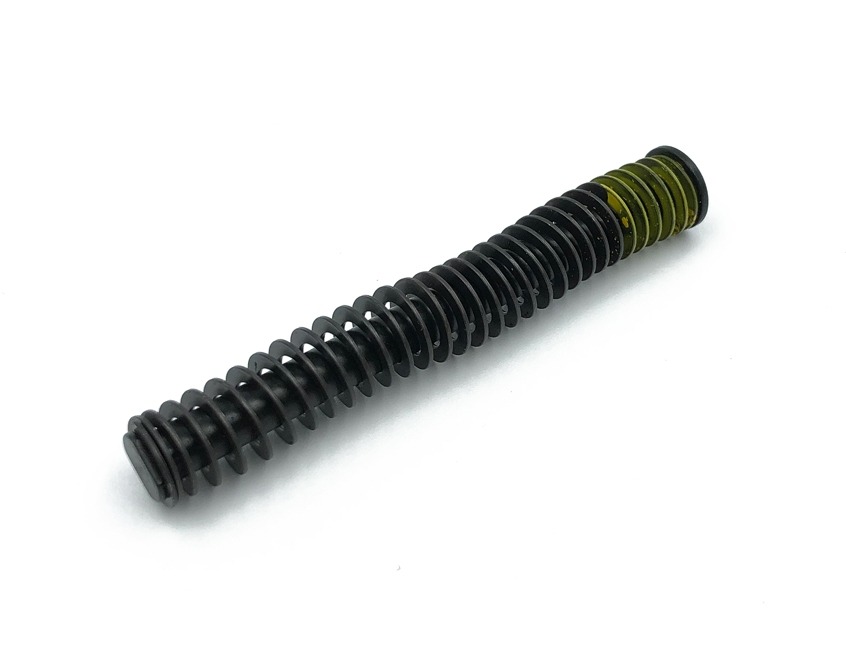
Flat wire recoil springs are a practical upgrade and replacement option for firearm owners who want to refine cycling performance, manage wear, or keep a frequently used platform running with consistent timing. Unlike a conventional round-wire spring, a flat wire recoil spring is formed from ribbon-shaped wire that presents a broader surface through each coil. That design can provide more usable spring material in a similar installation space, along with a smoother compression cycle and a more controlled return of the slide or bolt. The result may be a softer-feeling recoil impulse, less vibration through the frame, and reduced spring noise during operation. These characteristics are useful to recreational shooters, competitors, instructors, duty professionals, and careful maintenance-minded owners alike. A shooter who spends a cool morning working through drills at the range may notice the difference in the way the firearm tracks between shots, while someone who keeps a defensive firearm properly maintained may value the added consistency more than any dramatic change in felt recoil. Flat wire recoil springs can also resist “stacking,” the solid binding that can occur when a spring is compressed to its limit. Maintaining space between coils helps support full slide travel and may reduce unnecessary stress on the frame and related components, although the correct spring remains essential to safe, reliable function.
Choosing the right flat wire recoil spring begins with the firearm’s exact configuration. Recoil spring dimensions are not universal, even among firearms that appear similar, and a spring intended for one frame size, slide length, caliber, or operating system may not be suitable for another. Confirm the manufacturer’s specifications and identify whether the setup requires a matching guide rod, recoil spring plug, or other flat-wire-specific hardware. Many flat wire systems use a different inside diameter than standard round-wire springs, so installing one over an incompatible guide rod can create binding, uneven wear, difficult assembly, or unreliable cycling. Spring weight is another important consideration. A lighter spring may pair appropriately with softer target ammunition in a competition-oriented setup, while a heavier spring may be selected for more energetic loads, but neither choice should be made by guesswork. Ammunition type, bullet weight, barrel length, compensators, suppressors, and other modifications can all influence how much energy is available to cycle the action. A well-matched spring should allow reliable feeding, extraction, ejection, and return to battery without excessive battering or sluggish movement. Flat wire construction can accommodate a broad range of loads, from mild match ammunition to appropriately rated defensive ammunition, but ammunition compatibility must always be confirmed for the specific firearm and spring assembly. For owners comparing options, a Recoil Spring Kits category can be useful when a complete, compatible set is preferable to sourcing individual components.
Service life is one of the main reasons experienced shooters consider flat wire recoil springs. Their construction may provide longer usable life than a comparable round-wire spring, with some systems designed to remain serviceable for many thousands of rounds. Actual longevity depends on the firearm, ammunition, firing schedule, spring weight, cleaning routine, and storage conditions, so round-count claims should be treated as guidelines rather than guarantees. Regular inspection is still important. Look for uneven coil spacing, kinks, cracks, deformation, rubbing marks, unusual shortening, or changes in cycling behavior. A spring that has lost tension can contribute to failures to return to battery, inconsistent ejection, increased felt impact, or premature wear elsewhere in the operating system. Replacement is also sensible when installing major configuration changes or when the manufacturer specifies an interval. Installation may feel slightly stiffer than working with a traditional spring, and seating the assembly over a retainer can require deliberate control because the stored energy is substantial. Keep the firearm unloaded, follow the owner’s manual, wear appropriate eye protection, and use a qualified gunsmith when the configuration is unfamiliar or the parts do not fit as expected. Flat wire recoil springs make a thoughtful gift for a range regular, competitive shooter, gunsmithing student, or firearm owner who appreciates useful maintenance components rather than decorative accessories. Presented as part of a broader cleaning and inspection routine, they can help keep a trusted firearm dependable through practice sessions, training days, and the changing demands of the cooler months.