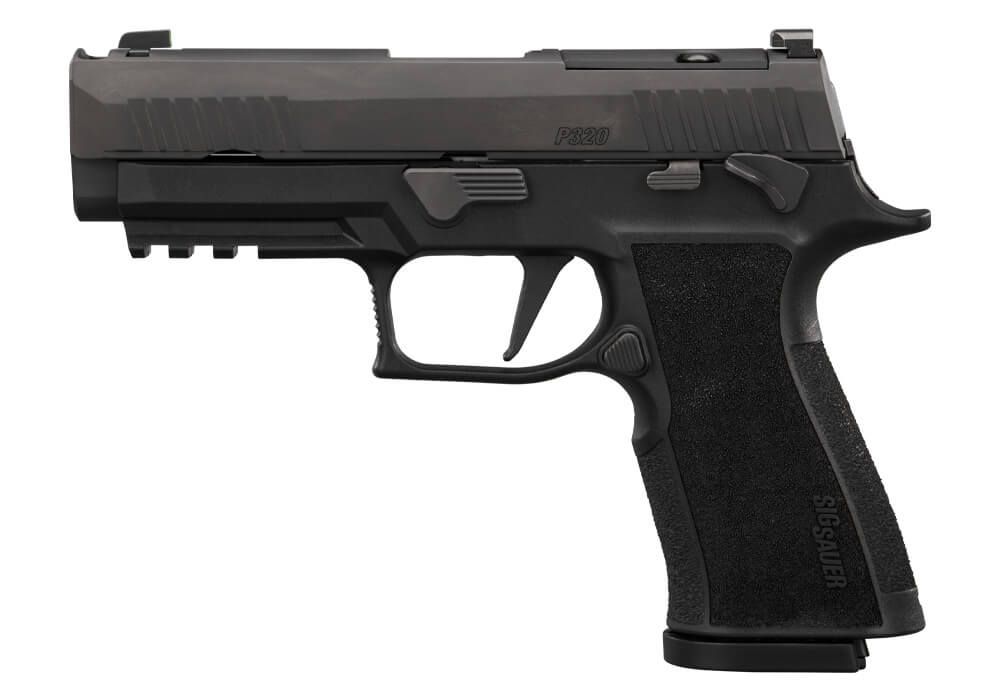
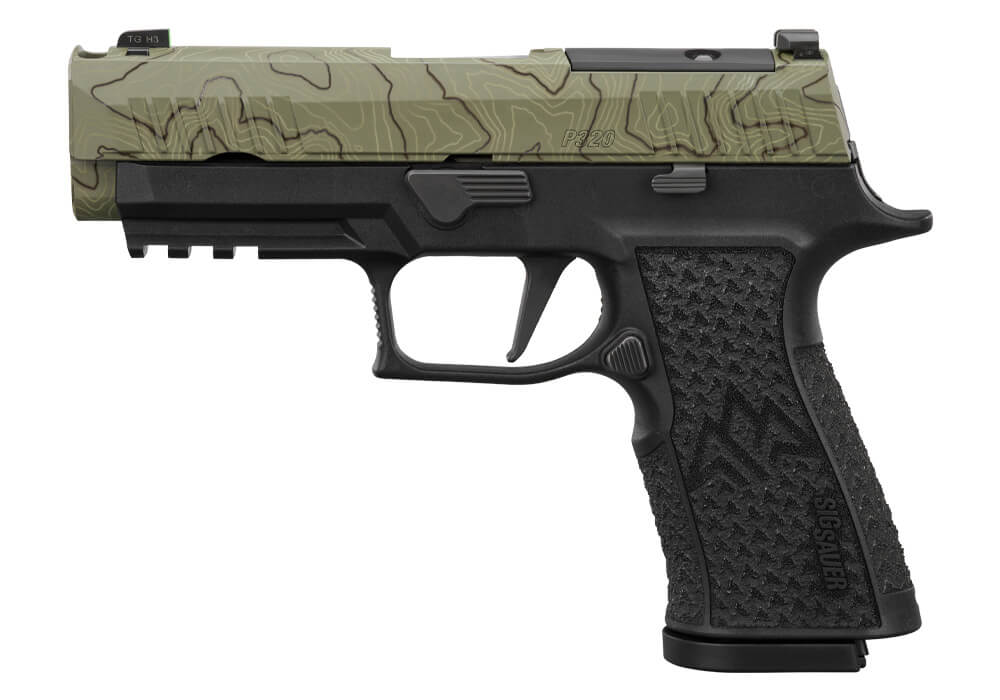
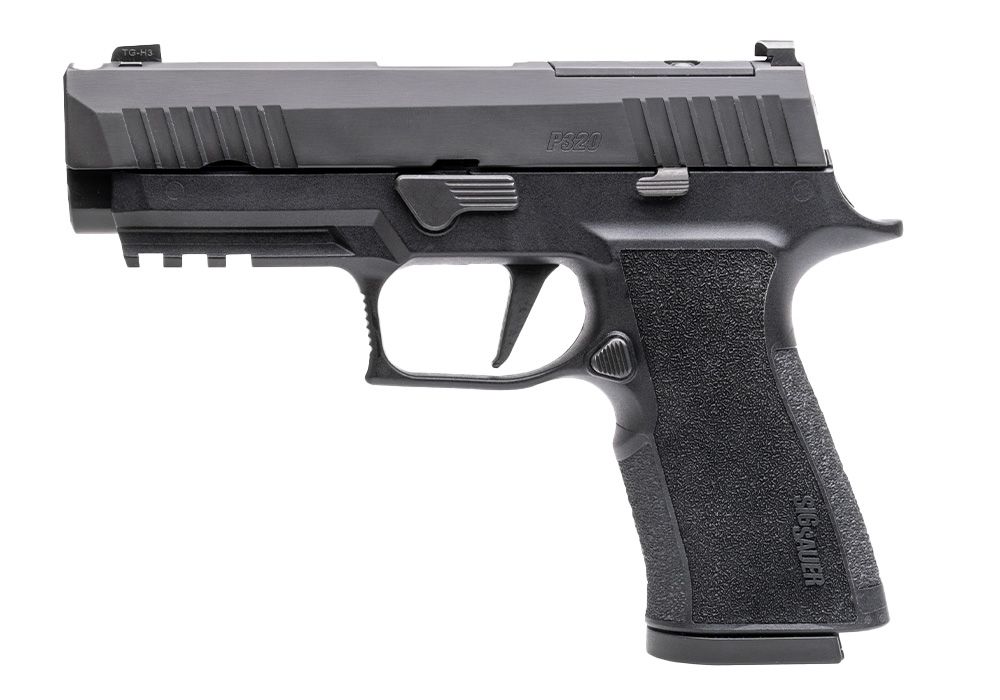
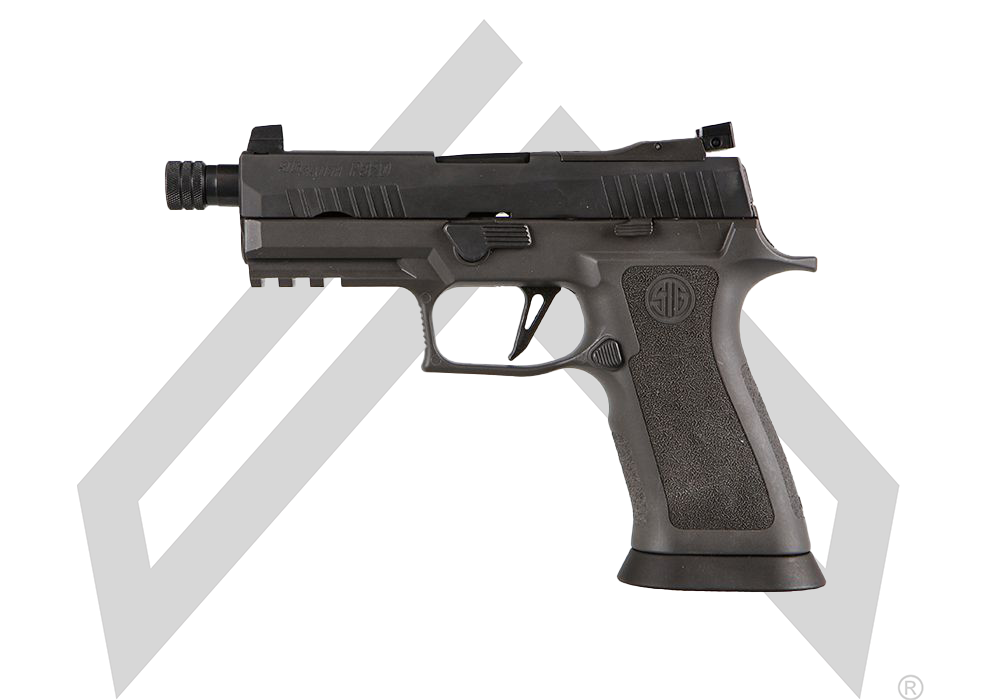
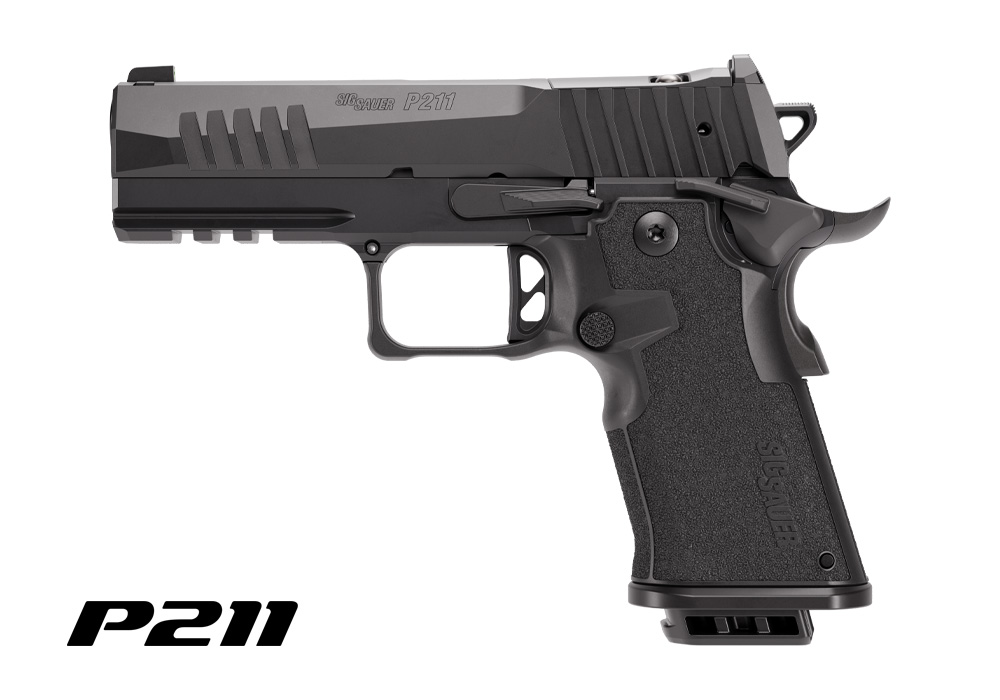
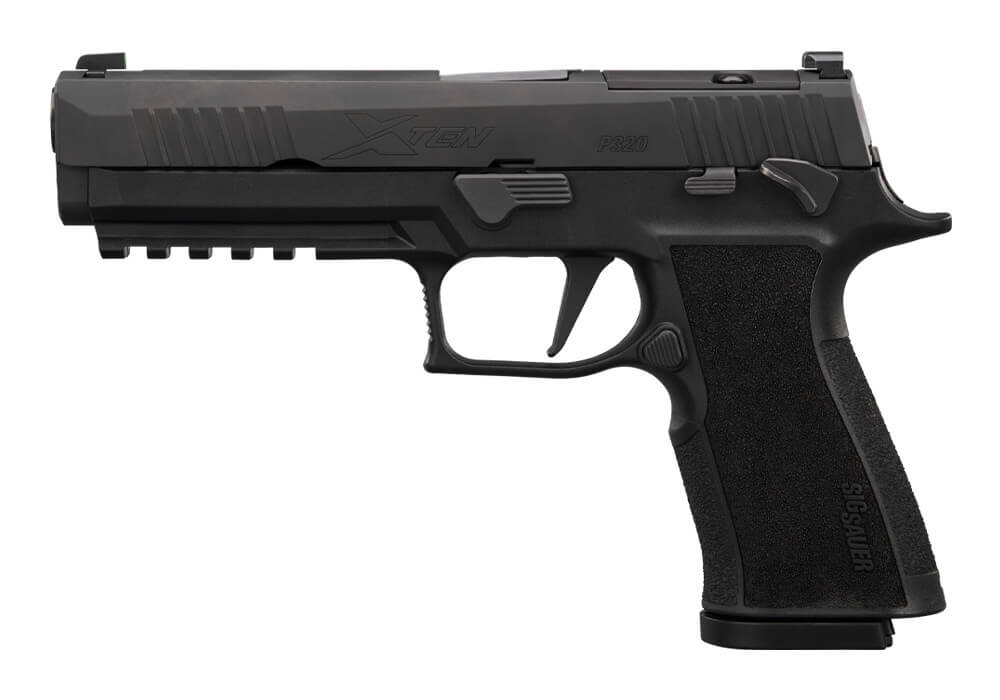
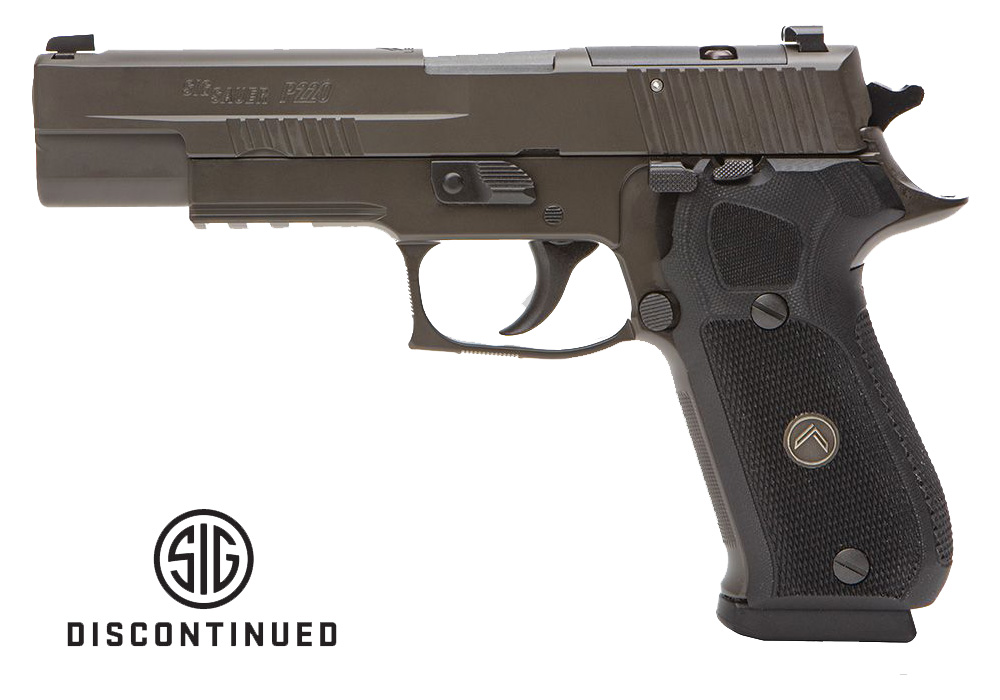
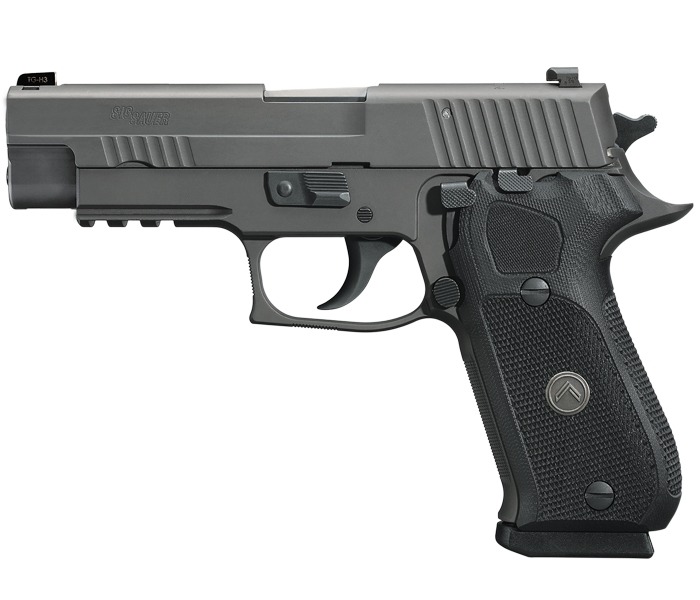
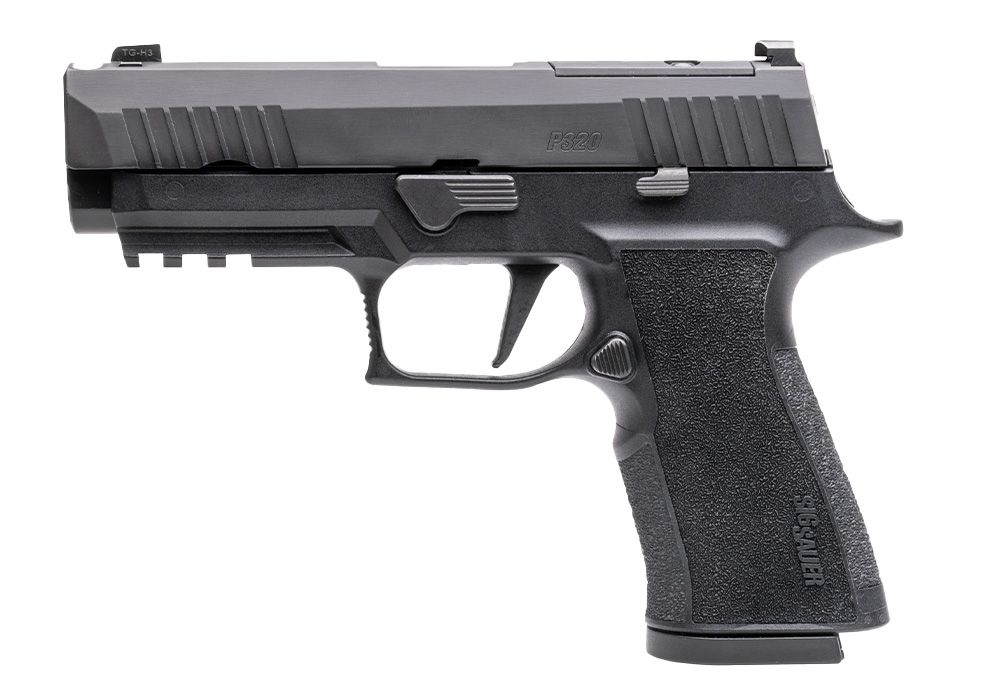
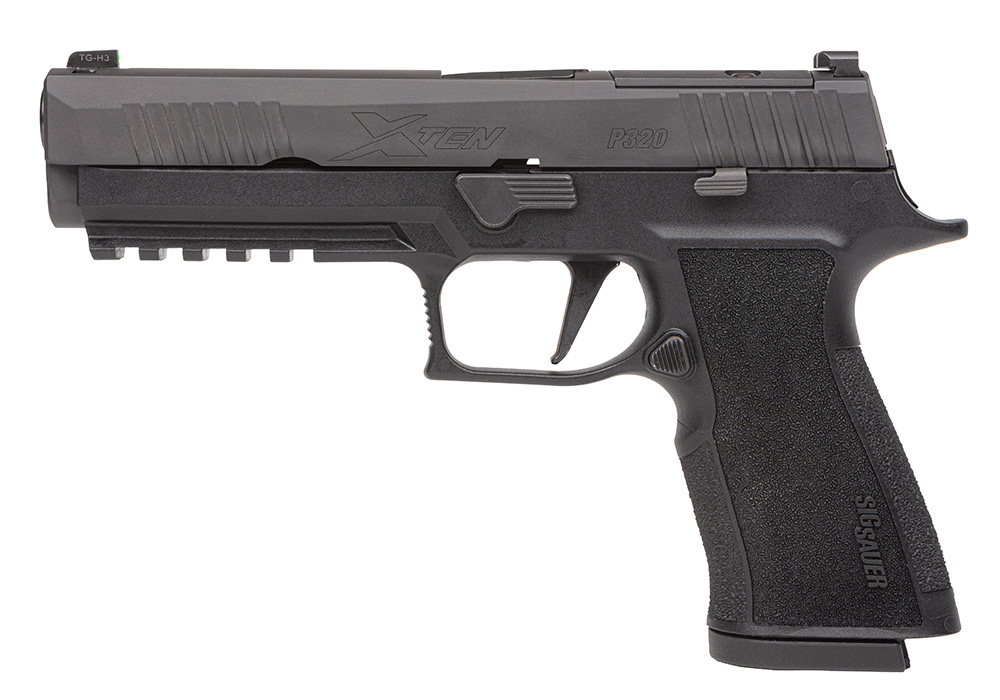
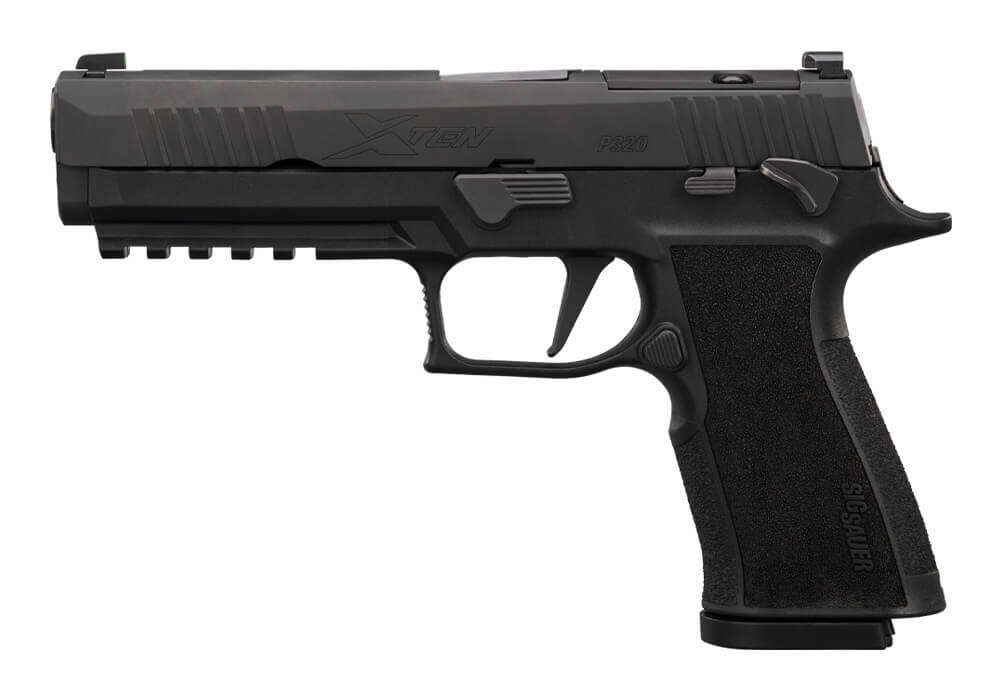
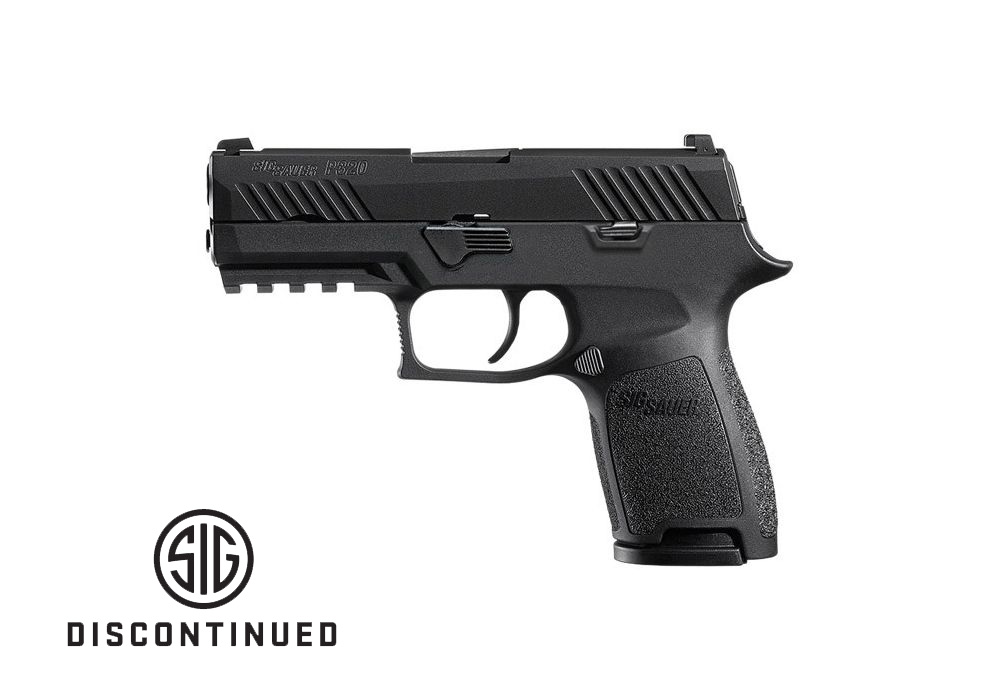
Concealed carry 10mm pistols combine the performance potential of the 10mm Auto cartridge with dimensions suited to discreet, lawful everyday carry. Their appeal often centers on versatility: a handgun intended for personal protection may also suit someone who spends time outdoors and prefers one familiar platform for different settings. That versatility comes with tradeoffs. Depending on the ammunition and barrel length, 10mm Auto can deliver greater velocity and energy than many common defensive handgun cartridges, but those figures do not tell the whole story. Recoil, loaded weight, grip dimensions, and comfort all influence whether a pistol fits its intended role. A compact 10mm handgun is not necessarily small or light, and many designs have a broader grip or heavier slide than comparable compact 9mm pistols. For concealment, grip length is especially important because the grip can create a visible outline beneath clothing, often called printing. A shorter barrel may help with overall dimensions, but it does not automatically make a handgun easier to conceal if the grip remains long or wide. Conversely, a shorter grip can be less accommodating for larger hands. The practical balance is a pistol that fits securely without demanding constant adjustments during ordinary activities. Sitting at a desk, bending to tie a shoe, and walking through a grocery store can reveal differences that are not obvious when comparing measurements alone. Overall height, slide width, and loaded weight deserve attention alongside barrel length. Magazine configuration also matters: an extended magazine may provide more rounds, yet its added length can change the concealment profile substantially. For experienced handgun owners considering 10mm for daily carry, the strongest starting point is a realistic assessment of comfort, familiarity, and willingness to practice with the cartridge. Ballistic potential is useful context, but a carry handgun also needs to fit the person, the clothing, and the routine it will accompany.
Materials and construction shape how a concealed carry 10mm pistol feels both on the belt and at the range. Polymer frames can help limit weight, while metal frames may add heft that some shooters find beneficial when handling recoil. Neither construction guarantees a better fit; frame geometry, grip texture, and the relationship between the grip and controls are equally important. Steel slides and barrels bring their own weight, and the finished pistol should be evaluated as a complete system rather than judged by a single material. Surface treatments can help resist wear and corrosion, although contact with perspiration, skin oils, and holster surfaces still calls for regular care. Grip texture presents another everyday compromise. A pronounced texture can support a secure hold, but it may feel abrasive against the body or catch on clothing. A smoother surface may be more comfortable to carry while feeling less secure in the hand. Rounded contours and thoughtfully shaped controls can reduce pressure points, particularly when a handgun stays close to the body for several hours. Hand fit deserves the same attention as exterior dimensions. A grip should allow comfortable access to the controls without requiring an awkward shift, and interchangeable grip components, where present, can help accommodate different hand sizes. Shorter frames may leave less room for the little finger, while magazine extensions can improve the gripping surface at the expense of concealment. Sight visibility also matters. Clear, readily distinguishable sights can make practice more approachable, and an optic-compatible configuration introduces additional considerations for height, holster fit, and maintenance. Ammunition selection changes the experience as well. Loads within the same cartridge designation can vary considerably in recoil and performance, so the 10mm label alone does not describe how a particular combination will feel. A smaller, lighter pistol can be more demanding to shoot comfortably than a larger one. Regular range practice and qualified instruction help owners evaluate those differences without relying on specifications alone.
A concealed carry pistol also needs to work with the equipment and habits surrounding it. A properly fitted holster should cover the trigger completely, retain the handgun securely, and support a consistent position during normal movement. Fit should match the handgun’s configuration, including any compatible sighting equipment, rather than depend on a loose approximation. Holster thickness, belt support, and the combined weight of the handgun and ammunition can affect comfort as much as the pistol’s dimensions. A setup that feels manageable for a brief fitting may become distracting over a full day, especially while seated. Clothing matters, too, but concealment should not depend on repeatedly tugging fabric into place or tolerating uncomfortable pressure. Those practical details make the difference between a handgun that looks suitable on paper and one that fits an established routine. Comparing carry-focused dimensions with the broader category represented by Best 10mm Pistols can help put weight, grip length, and construction into perspective. Long-term ownership also involves straightforward, consistent care. Daily carry exposes surfaces to lint, perspiration, and friction, even when the handgun sees little range use. Following the owner’s manual for inspection, cleaning, lubrication, and approved ammunition helps preserve dependable function and finish condition. Cleaning materials should be compatible with the frame, coatings, and any attached optical equipment; an aggressive solvent is not automatically the right choice for every surface. Magazines and holsters deserve attention as well, since wear or damage to supporting equipment can undermine an otherwise sound setup. Secure storage is essential whenever the handgun is not under the owner’s direct control, particularly in households with children or visitors. Familiarity with applicable carry laws, ongoing safety education, and practice are part of responsible ownership, not substitutes for choosing suitable equipment. The most useful concealed carry 10mm pistol is ultimately one whose dimensions, recoil characteristics, controls, and maintenance needs align with the owner’s experience and intended use. That combination offers a more meaningful basis for selection than power, compactness, or any single specification considered in isolation.