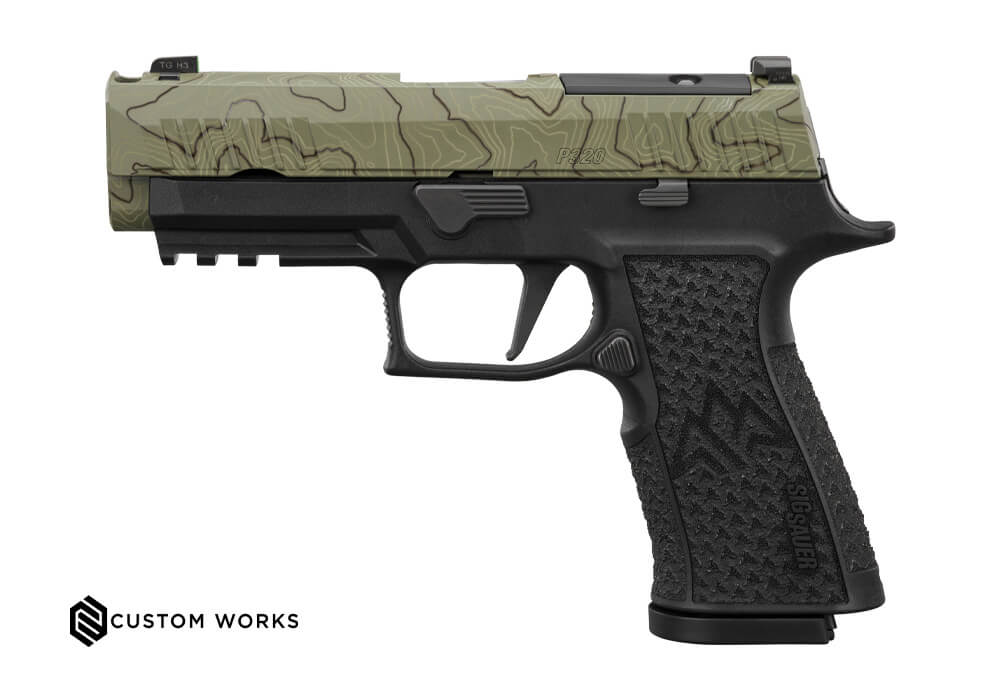
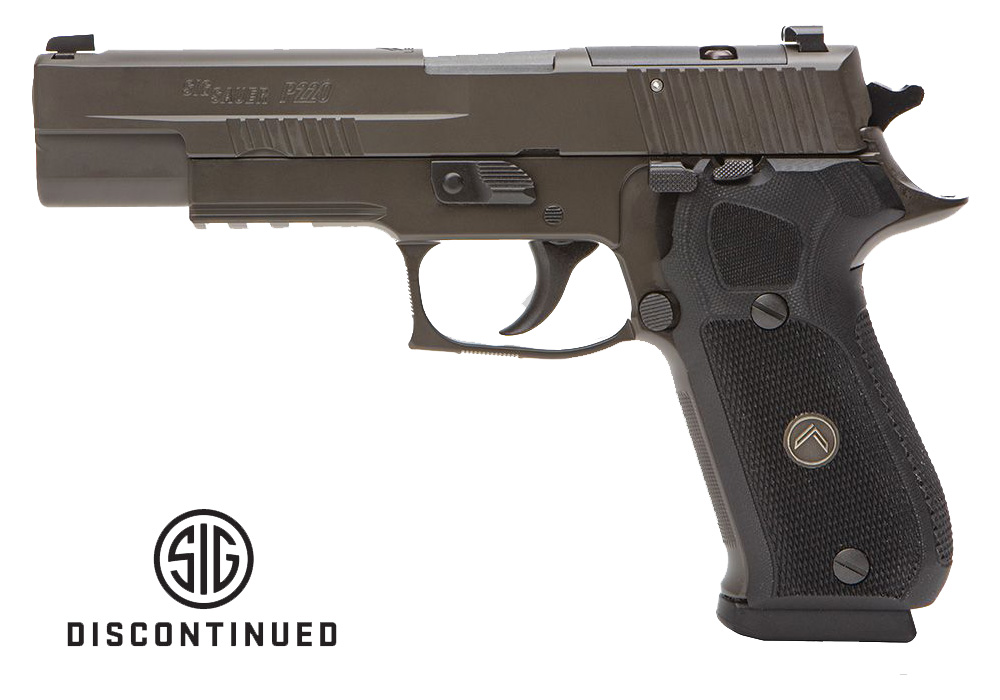
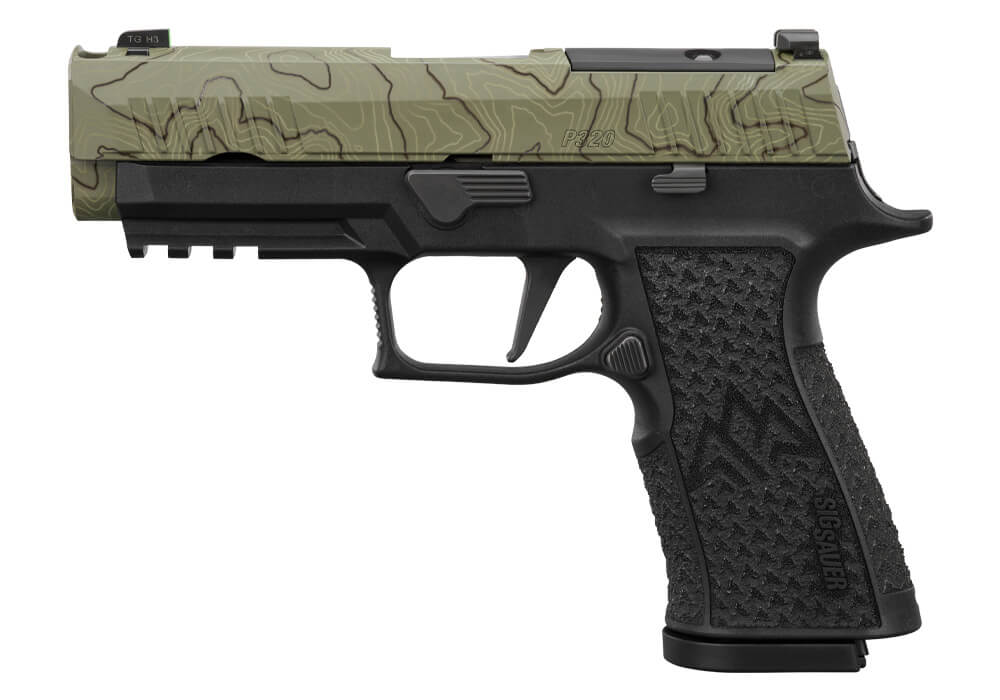
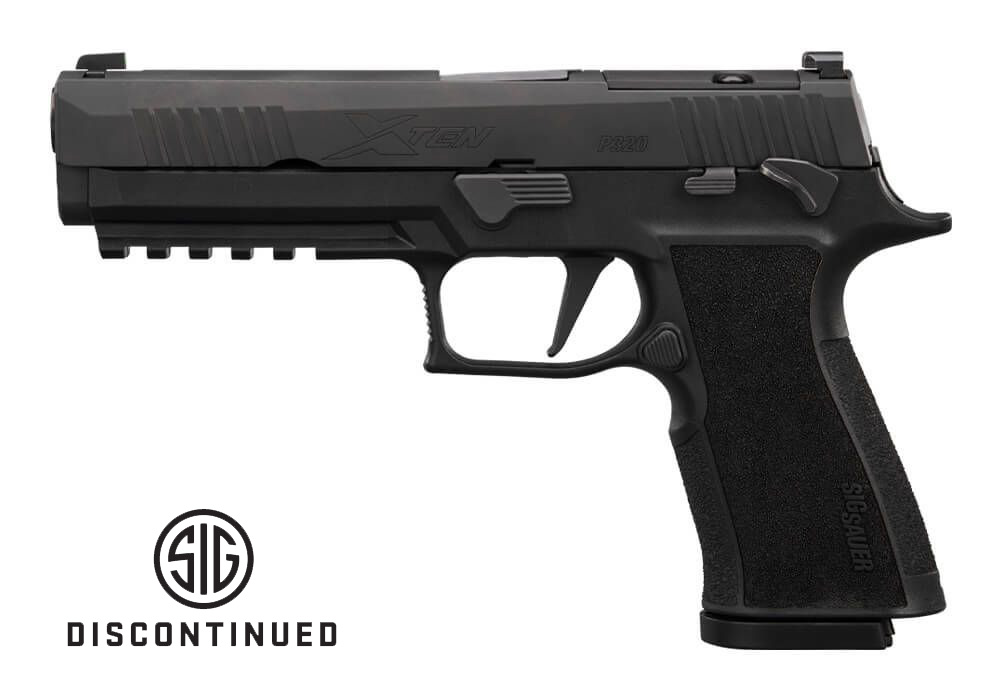
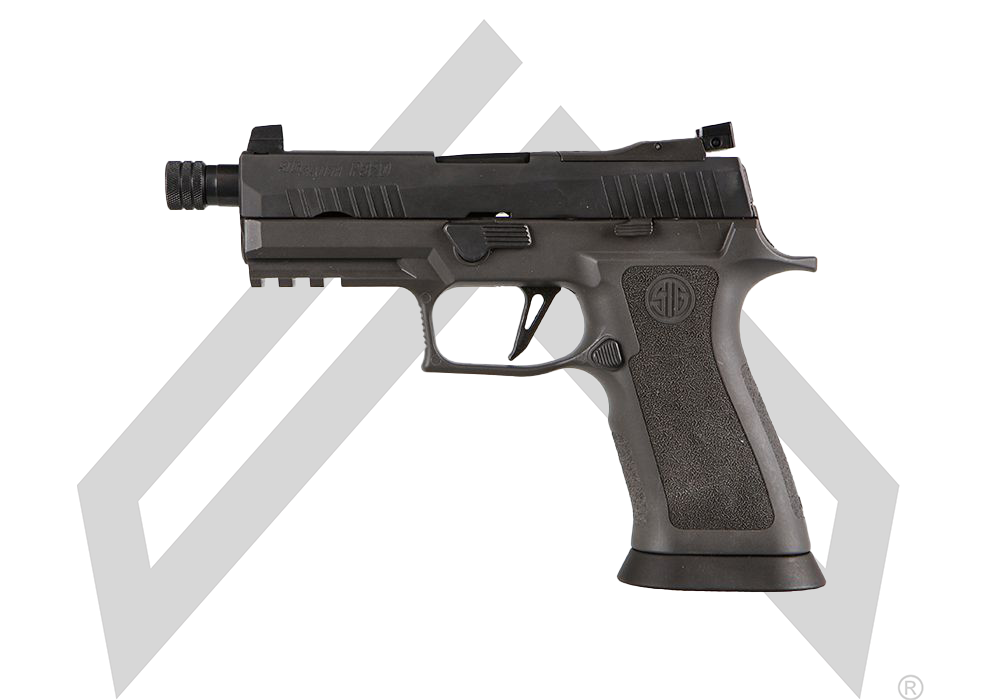
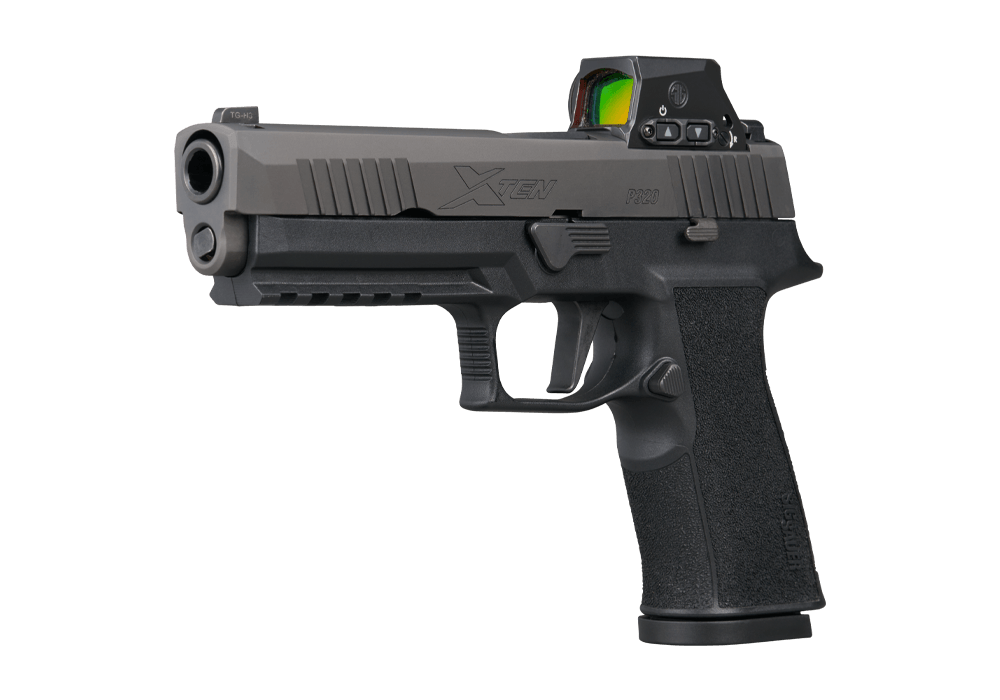
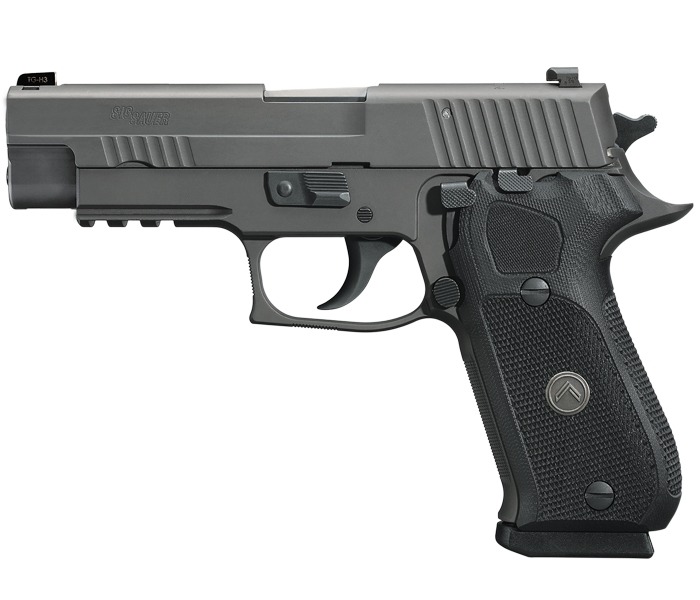
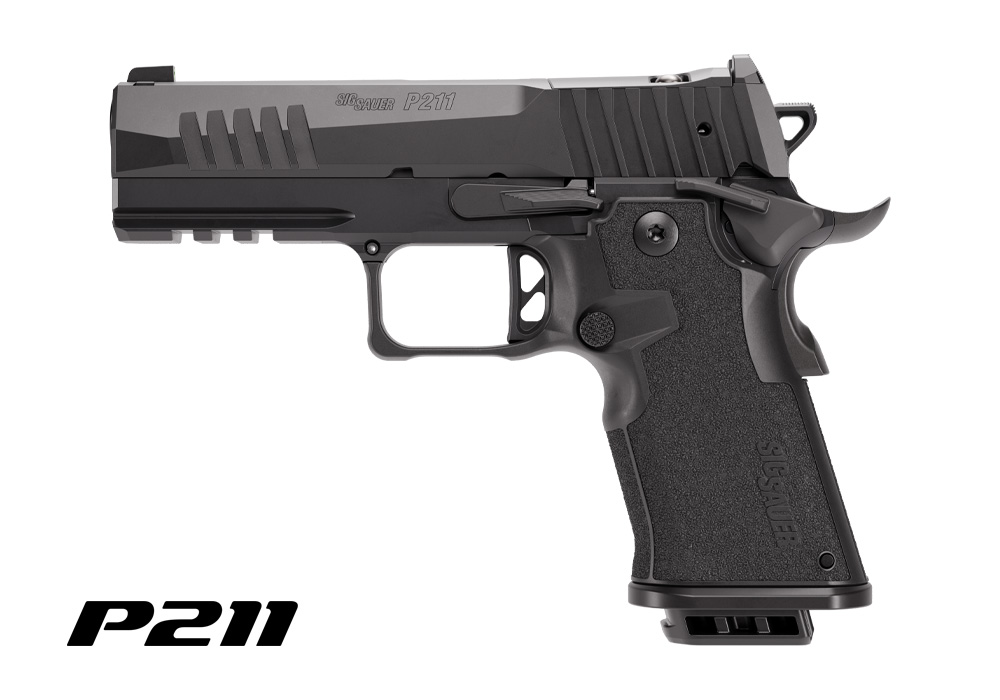
10mm pistols for open carry pair the 10mm Auto cartridge with handgun designs that can accommodate a substantial grip, a longer slide, and features suited to visible, holstered carry. Unlike concealed carry, where keeping a handgun out of sight often shapes the choice, open carry allows more room to consider full-size dimensions without making concealment the deciding factor. That does not mean size and weight stop mattering. A pistol that feels balanced during a brief handling session can feel quite different after several hours on a belt, especially when sitting, walking, or moving between a vehicle and a range bench. The most relevant considerations are dependable function, manageable recoil, comfortable grip dimensions, durable construction, and compatibility with a secure holster. The 10mm Auto cartridge generally produces more recoil than common lower-powered handgun cartridges, although the experience varies with ammunition, pistol weight, and grip fit. A larger handgun can help moderate that sensation, but added weight is a tradeoff rather than an automatic advantage. Full-size grips give many shooters more room for both hands, while longer slides may provide a longer sight radius when using iron sights. Neither feature guarantees better results; the relationship between the handgun and the person carrying it matters more than dimensions alone. These pistols may interest experienced handgun owners, recreational shooters who already practice with 10mm, and people considering lawful carry during outdoor recreation or routine activities. Open carry rules vary by jurisdiction and location, and a lawful choice in one setting may be restricted in another. Posted property rules, transportation requirements, and applicable permit obligations remain part of ownership. Within this category, a useful comparison starts with the complete carry setup rather than the pistol in isolation: the handgun, holster, belt, and any compatible sighting equipment all contribute to comfort and secure support. A well-considered combination should suit the intended use without relying on size, appearance, or cartridge reputation as a substitute for fit and familiarity.
Materials and ergonomics help explain why two 10mm handguns with similar dimensions can feel noticeably different. Polymer frames can reduce overall weight, while metal frames often add heft that some shooters prefer for balance and recoil comfort. Slide and barrel materials, surface treatments, and the quality of contact surfaces also influence long-term wear and maintenance needs. Corrosion-resistant finishes are useful, but no finish eliminates the need for inspection and care, particularly where a handgun rests against a holster or is handled frequently. Grip texture deserves close attention because a surface that feels secure for a few minutes may become abrasive during an extended practice session. Conversely, a grip that feels pleasantly smooth may not provide the same confidence when the hands are perspiring. Palm shape, finger length, and trigger reach affect whether a pistol feels natural or oversized. Where adjustable grip components are part of a handgun’s design, they can offer useful flexibility, though they cannot transform every frame into the right fit for every hand. Controls should be accessible without an awkward reach, and their placement should suit the owner’s handedness and normal handling habits. A qualified retailer or instructor can help evaluate those details with an unloaded handgun in an appropriate setting. Sight visibility is another practical distinction. Clearly defined iron sights offer a straightforward sighting system, while an optics-ready slide provides a mounting option for a compatible handgun optic. Optics-ready does not mean universally compatible: mounting interfaces, required hardware, and holster clearance still need to match. For shoppers also comparing defensive applications, 10mm pistols for self defense provides a related category to explore. The cartridge alone does not establish suitability for that role. Comfortable handling, reliable function with manufacturer-approved ammunition, and consistent practice remain central considerations, whether the handgun will spend most of its time at the range or accompany its owner where carry is lawful. Those fundamentals are more meaningful than any single specification viewed on its own.
Open carry places particular importance on holster fit because the handgun is exposed rather than covered by clothing. A suitable holster should be designed for the exact handgun configuration, fully cover the trigger guard, hold the pistol securely, and attach firmly to a supportive belt. Retention features deserve consideration for visible carry, along with access to qualified instruction on their proper use. Generic sizing is not a substitute for confirmed compatibility, especially when an optic or another accessory changes the handgun’s profile. Everyday comfort often comes down to details that are easy to overlook: whether the muzzle end of the holster presses against a seat, whether the grip crowds the forearm while walking, and whether the belt distributes weight without sagging. These are reasons to assess the entire setup before committing to extended wear. Care is similarly practical rather than complicated. Follow the owner’s manual for cleaning, lubrication, inspection, and service intervals, and use only ammunition appropriate for the firearm’s specified chambering. Ammunition labeled for a related cartridge is not interchangeable simply because it looks similar. Before cleaning or inspecting the handgun, unload it according to the manufacturer’s directions and keep ammunition separate from the work area. Holsters also need attention: embedded grit, loose attachment hardware, and worn retention components can undermine an otherwise sound setup. Regular inspection helps reveal wear before it becomes a larger concern, while professional service is appropriate when a component shows damage or function changes. Secure storage remains essential whenever the pistol is not under the owner’s direct control, with access restricted to authorized adults and children kept away from firearms and ammunition. For someone new to 10mm, supervised range time can provide a clearer sense of recoil and handling than specifications alone. For an experienced owner, the priority may be matching an established preference in grip shape or controls while improving carry comfort. In either case, the strongest foundation is a durable, properly fitted handgun supported by compatible equipment, responsible storage, and ongoing familiarity with its safe operation.