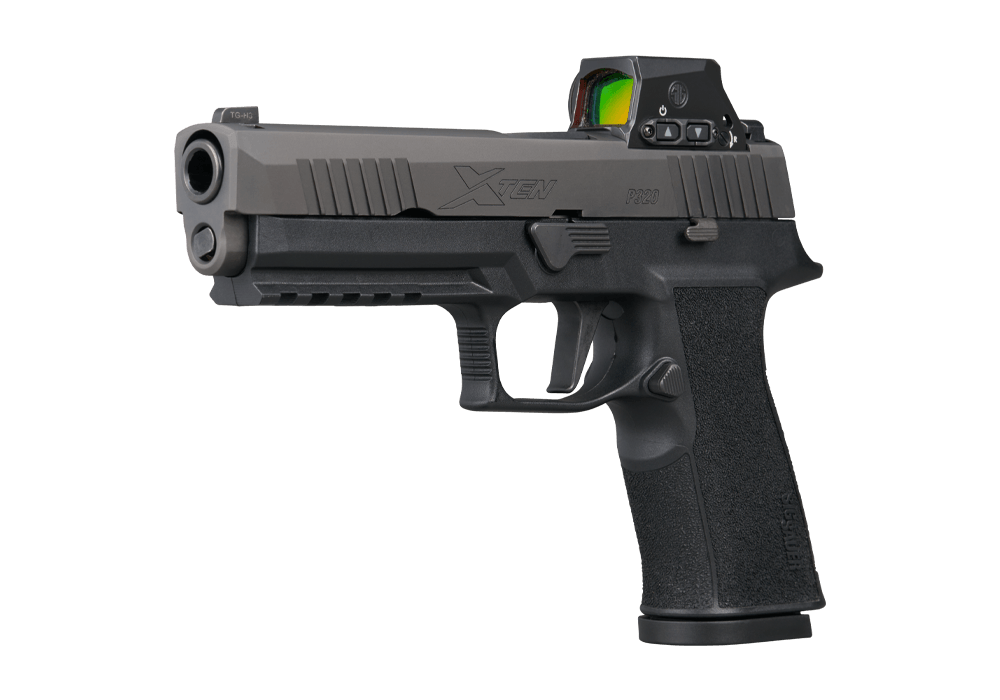
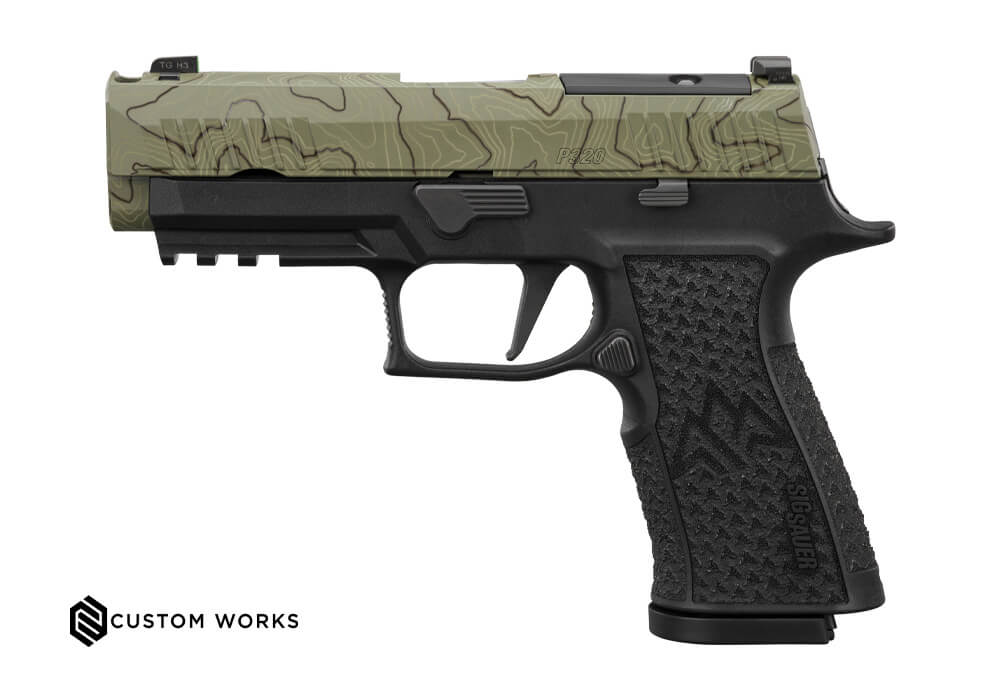
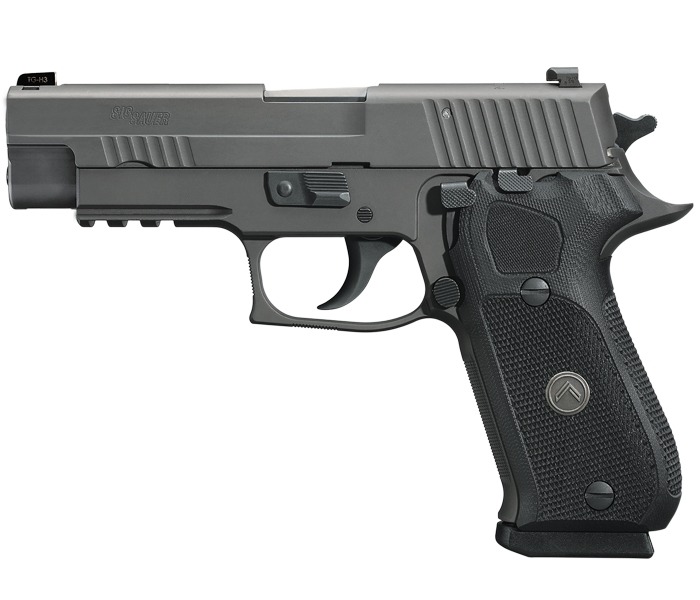
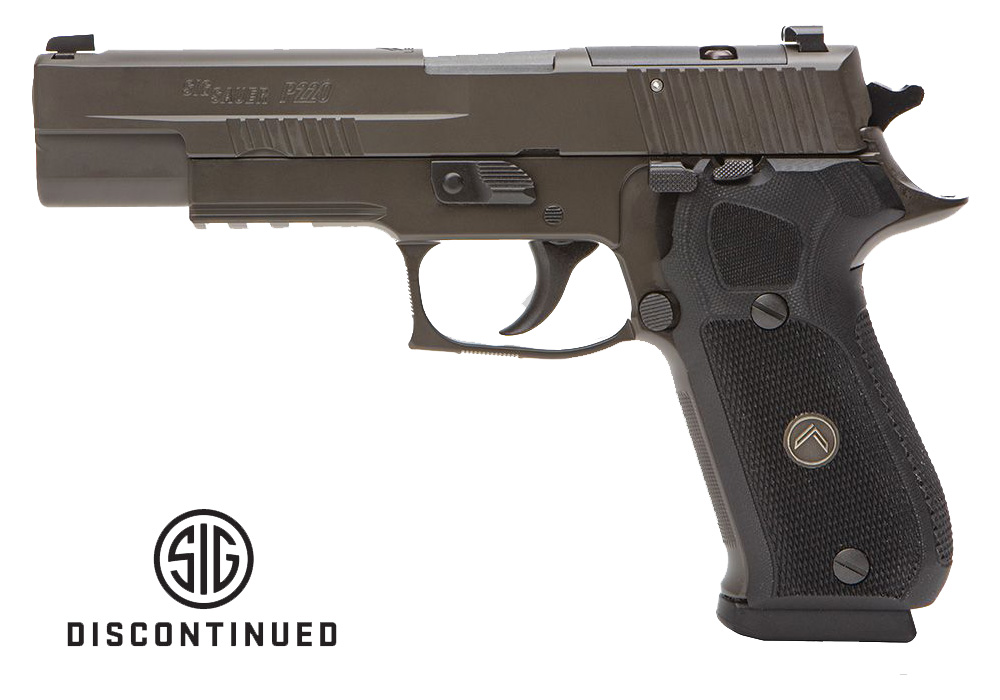
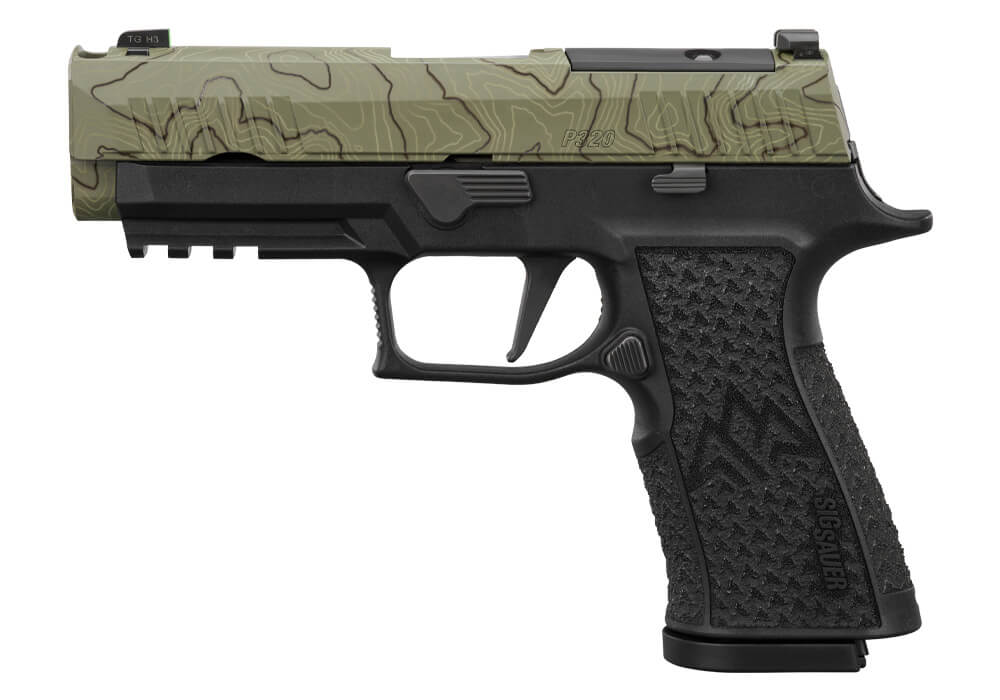
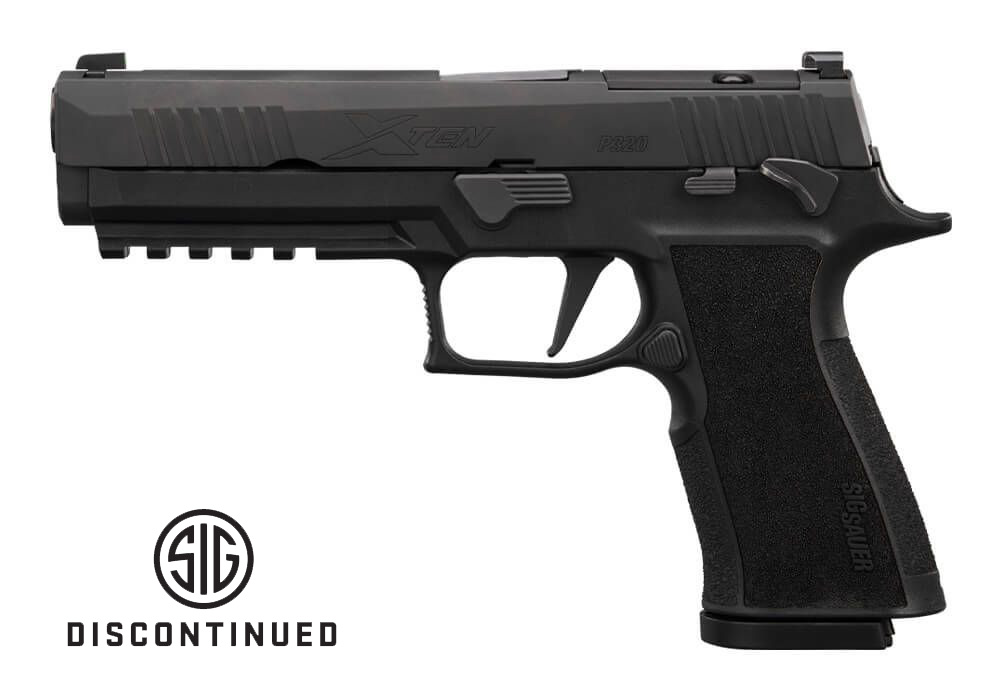
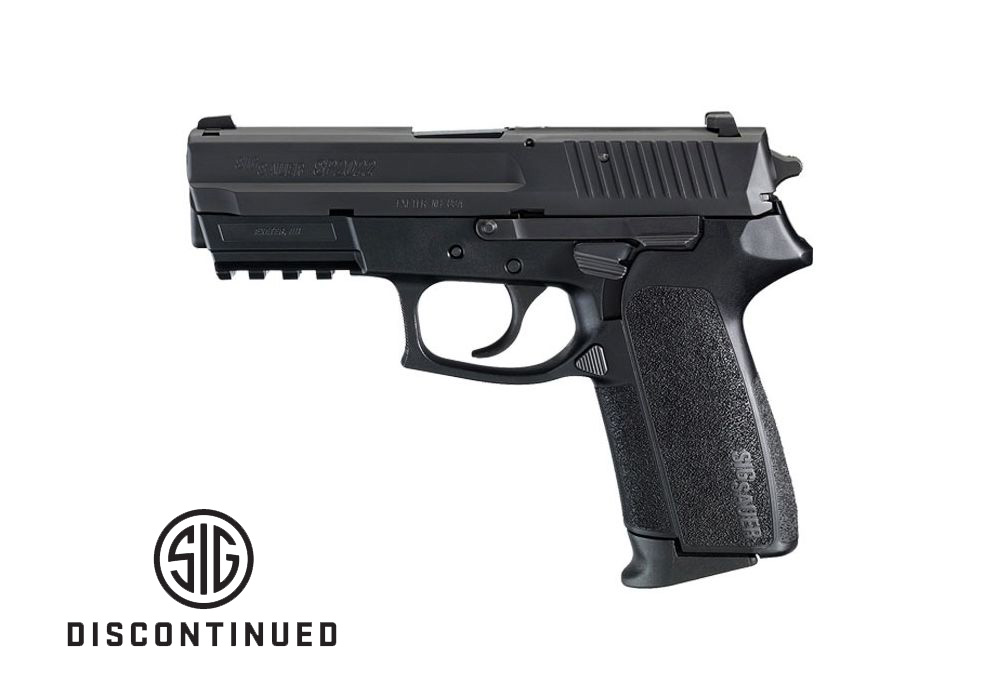
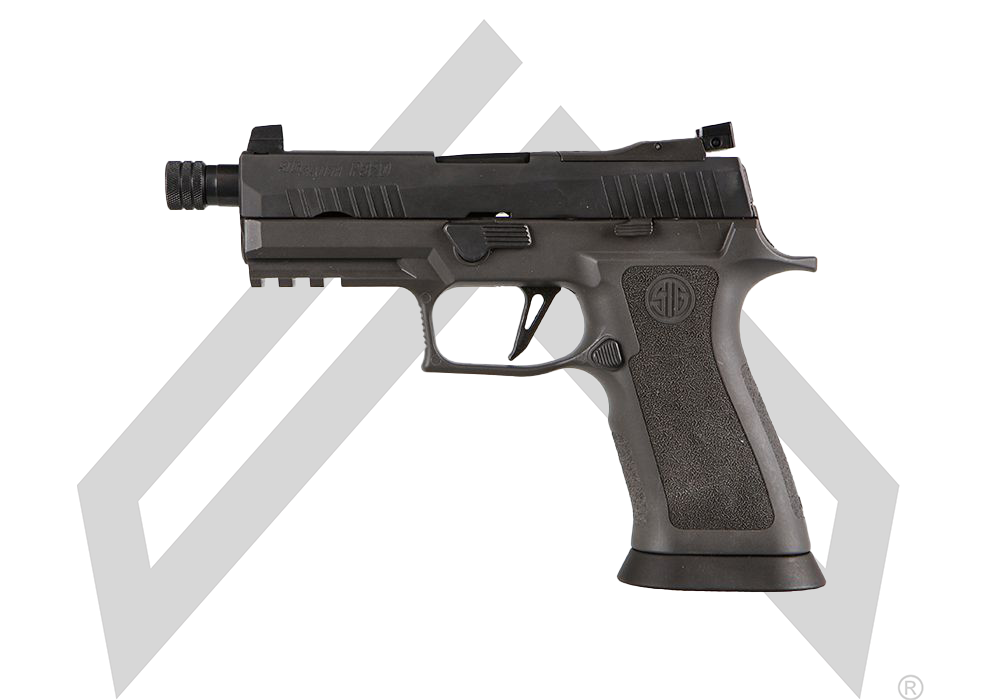
10mm pistols for responsible gun owners balance cartridge performance with controllable handling, durable construction, and features suited to the owner’s intended use. The 10mm Auto cartridge can serve lawful outdoor carry, handgun hunting where permitted, and personal protection, but recoil, ammunition selection, and consistent practice are important parts of that suitability. A pistol that feels comfortable at the counter still needs to fit the shooter’s abilities during supervised range use. Frame dimensions, overall weight, grip shape, and control placement all influence that relationship. Full-size handguns generally provide more grip area and a longer sight radius with iron sights, while more compact designs reduce overall dimensions for carry. Those differences involve tradeoffs rather than a universal advantage: a smaller pistol may be easier to accommodate in a holster, yet less comfortable for extended practice with certain loads. Barrel length can also affect handling and cartridge performance, although actual results depend on the ammunition and firearm. For a frequent range visitor, a comfortable grip, visible sights, and repeatable controls may matter more than minimal size. Someone carrying on a remote trail may place greater emphasis on secure holster fit, resistance to wear, and familiarity with the pistol. A lawful hunting application introduces additional considerations, including local regulations, appropriate ammunition, and the shooter’s demonstrated proficiency. For personal protection, manageable operation and secure storage remain central concerns. Across these uses, the practical appeal of a 10mm handgun rests on more than its caliber marking. Suitable dimensions, reliable function with compatible ammunition, and a realistic commitment to training help establish whether the platform belongs in an owner’s routine. Factory ammunition labeled for the firearm’s specified chambering is essential; similar-looking cartridges are not substitutes. Different 10mm loads can produce noticeably different recoil characteristics, so cartridge reputation alone does not describe the experience of shooting every pistol in this category. Published specifications provide a useful starting point, while qualified instruction and range experience supply the context that specifications cannot.
Materials and construction shape how a 10mm pistol feels in the hand and how it stands up to regular use. Polymer frames can reduce weight and often incorporate textured gripping surfaces, while metal frames can add weight that changes balance and the shooter’s perception of recoil. Neither material automatically delivers a better fit. Grip circumference, front-to-back dimensions, and the contour beneath the trigger guard can be just as important as the frame’s composition. A shooter with smaller hands may find a broad grip difficult to hold comfortably, while a larger hand may benefit from additional gripping surface. On designs with interchangeable grip components, the available adjustments can help accommodate those differences without changing the pistol’s basic layout. An unloaded fit assessment under a retailer’s safety procedures can help establish whether controls are accessible without an awkward shift in the hand. Sight visibility matters as well: a clear sight picture supports consistent practice, and an optic-ready configuration introduces compatibility requirements for the mounting interface and sighting device. Those details deserve attention before accessories become part of the setup. Durable finishes help protect exposed metal, but no finish eliminates the need for care. Perspiration, dust, handling residue, and repeated holster contact can affect surfaces over time. Cleaning, lubrication, and inspection according to the manufacturer’s directions support dependable operation and help identify wear before it becomes a larger concern. Magazines also deserve routine attention because their condition contributes to feeding reliability. Properly fitted holsters help protect the trigger area and reduce unnecessary movement during carry; a generic pouch or an ill-fitting holster does not provide the same relationship between retention and access. For owners who practice regularly, everyday details become noticeable: whether the grip texture remains comfortable through a range session, whether the sights are easy to distinguish, and whether the pistol’s weight is reasonable for its intended role. These characteristics connect construction quality to actual use rather than treating durability as a specification in isolation.
Responsible ownership gives a 10mm pistol its place within a larger system of training, storage, transport, and lawful use. The relevant considerations differ for an experienced handgun owner adding another chambering and a newer shooter evaluating a first centerfire pistol. Experience with another handgun can provide a foundation, but it does not guarantee familiarity with a different control layout or recoil profile. Professional instruction and practice at an established range help owners develop safe habits and assess whether a particular firearm is comfortable enough to use consistently. Eye and hearing protection belong in that routine, along with attention to range rules and the manufacturer’s operating directions. At home, secure storage that prevents access by children and unauthorized people is a fundamental part of ownership, whether the pistol is intended for recreation, outdoor use, or personal protection. Storage arrangements also need to account for ammunition and the household’s circumstances rather than relying on concealment alone. Transportation and carry requirements vary by jurisdiction, and lawful ownership does not automatically authorize every form of carry. For a related selection focused on visible carry, explore 10mm Pistols for Open Carry. Holster compatibility, secure retention, and compliance with applicable rules remain important regardless of how a firearm is carried. Outdoor use brings its own responsibilities, including awareness of land-management rules, wildlife guidance, and the limits of equipment; carrying a handgun is not a substitute for avoiding hazardous encounters. Hunting use likewise depends on legal requirements and ethical judgment, not simply a cartridge’s reputation for power. A well-matched 10mm pistol is one that its owner can handle safely, maintain properly, and use within the law. Its value comes from the combination of sound construction, comfortable fit, suitable ammunition, and sustained familiarity. For responsible gun owners, those qualities support a considered choice that remains useful beyond the initial purchase and fits the realities of practice, care, and secure ownership.