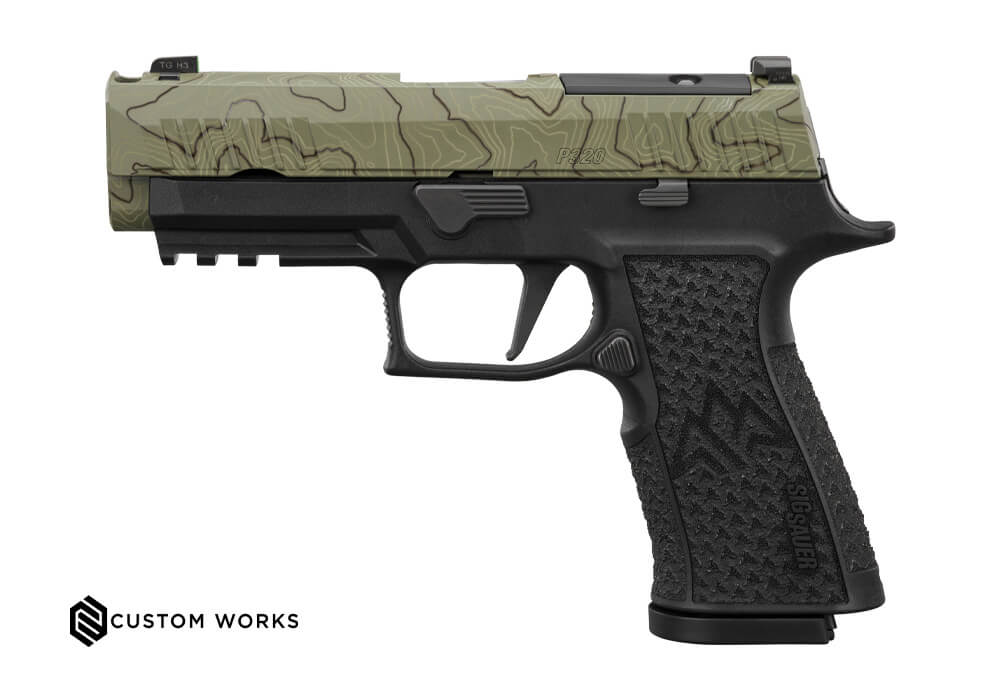
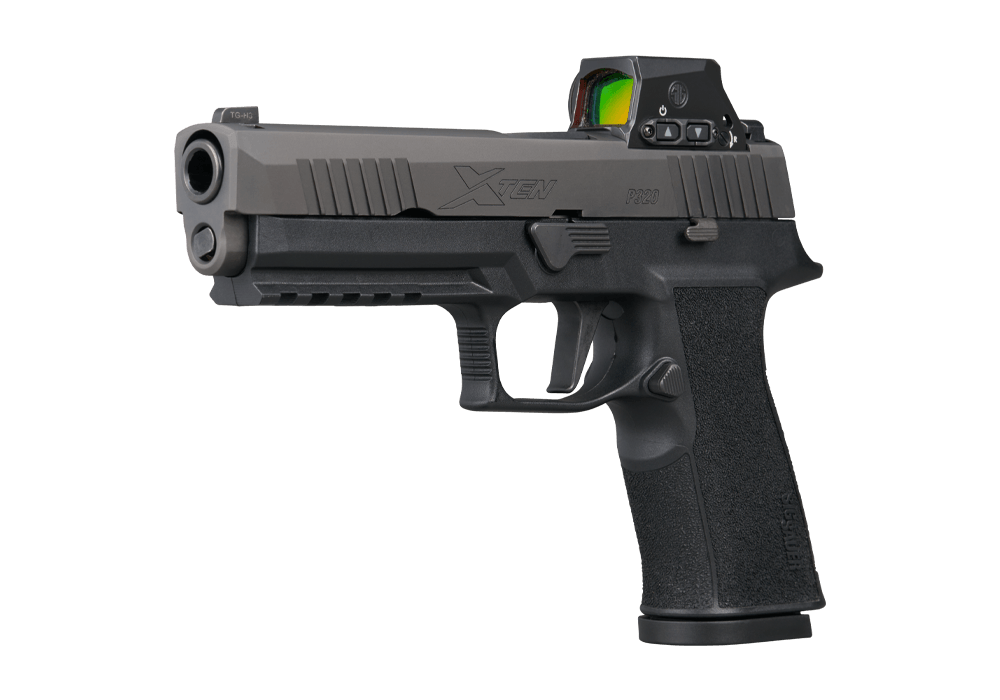
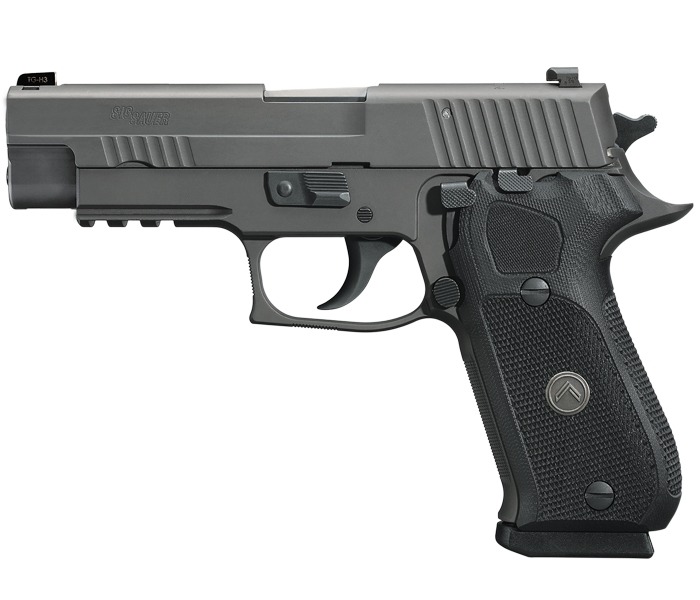
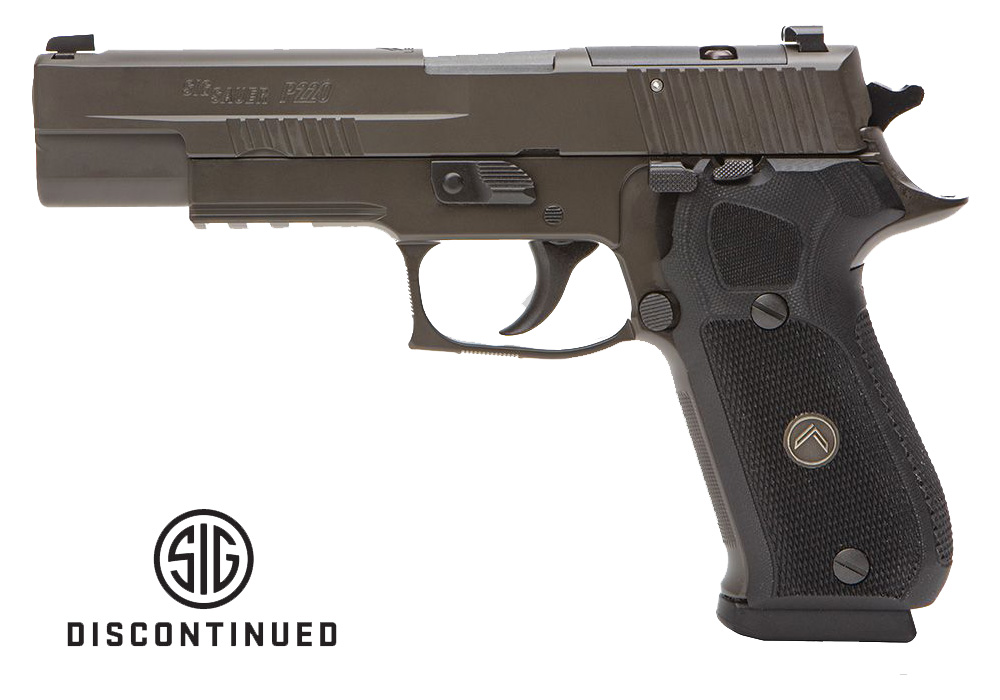
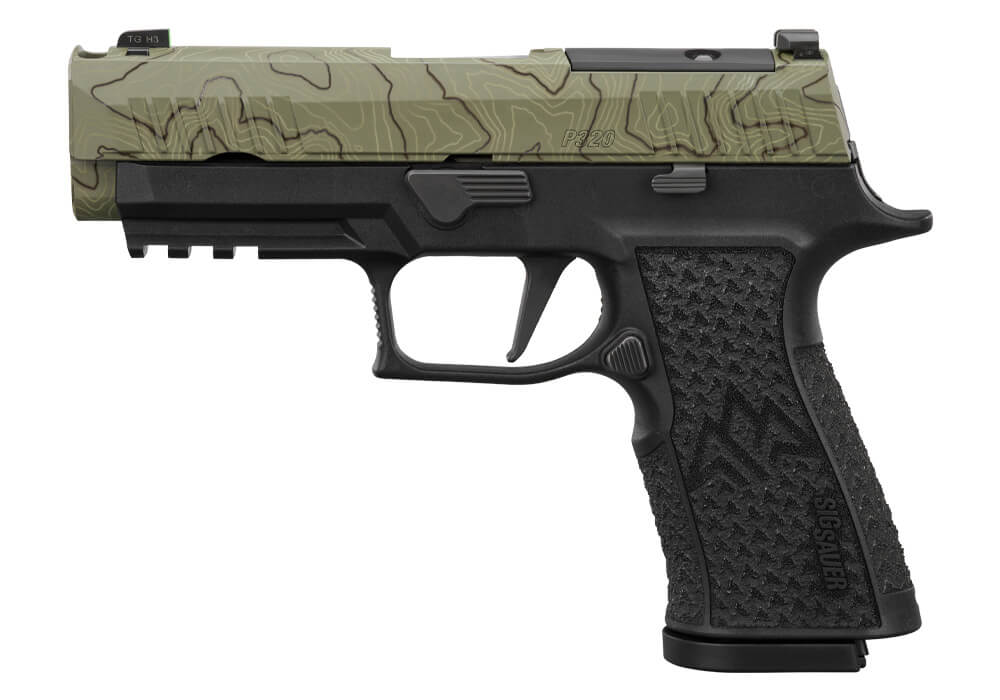
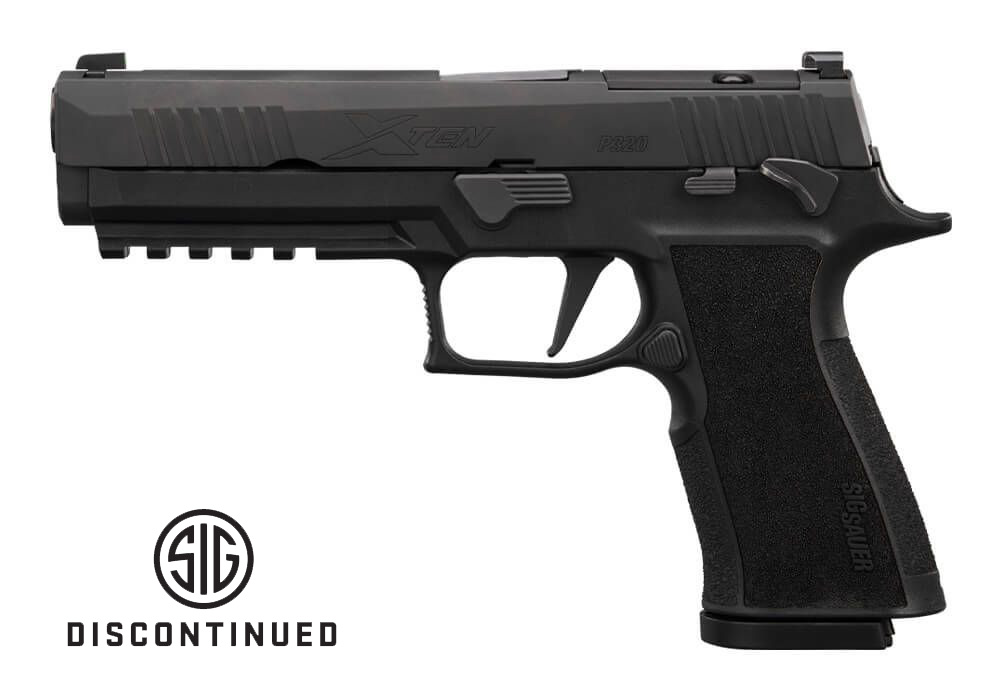
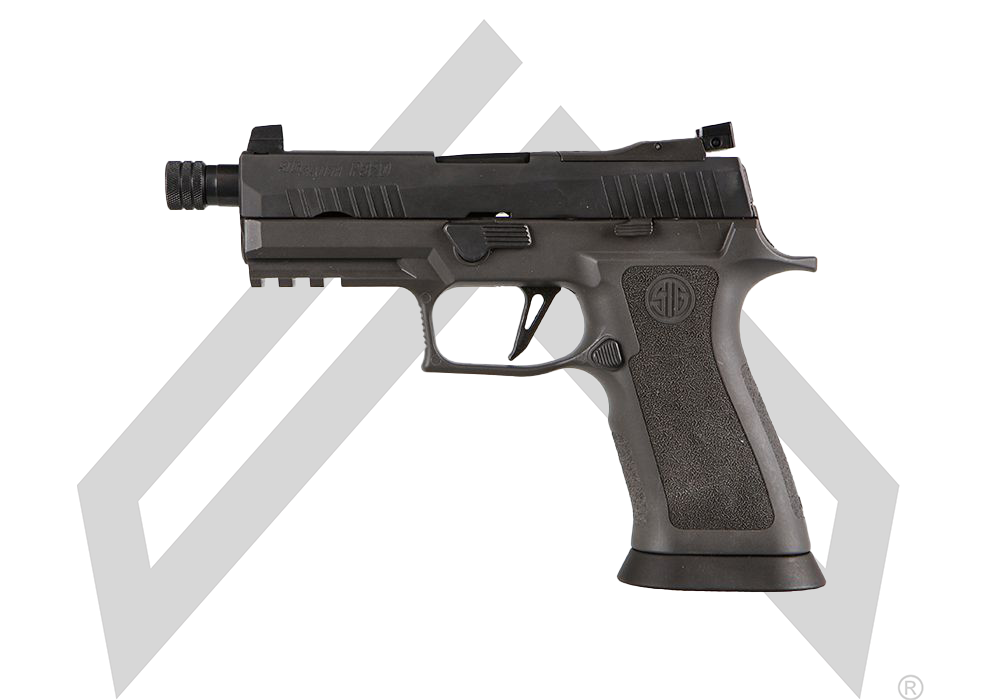
10mm pistols for rural property owners combine the power of the 10mm Auto cartridge with the portability of a sidearm, making them relevant to people who manage acreage, maintain remote buildings, or spend time beyond easy access to help. A property owner walking a fence line, checking a livestock enclosure, or traveling between a house and an outlying workshop may value a handgun that can be carried securely without occupying either hand. The cartridge is often considered for personal protection and potential encounters with dangerous wildlife, although suitability depends on the animal, the circumstances, the ammunition, and the shooter’s ability. No handgun replaces distance, sound property management, or appropriate wildlife precautions. Secure feed storage, maintained fencing, and avoiding close contact with unfamiliar animals remain important parts of rural safety. Within this category, the practical differences between pistols matter as much as the cartridge itself. Overall weight, grip dimensions, barrel length, sight visibility, and control placement all affect how comfortably a pistol fits into a working day. A larger handgun may offer a fuller grip and additional weight that helps moderate felt recoil, while a lighter design can be less burdensome during long walks across uneven ground. Neither characteristic guarantees a better fit for every owner. The useful balance is a pistol that feels manageable during practice and remains comfortable in an appropriate holster while bending, sitting, and moving through narrow gates. Compared with many common 9mm configurations, a 10mm pistol generally produces more recoil, making an effective grip and regular practice especially important. Its potential advantages mean little if the shooter struggles to operate the controls or maintain consistent handling. For someone whose concerns extend from acreage to broader personal protection needs, the related selection of 10mm Pistols For Self Defense offers another relevant way to consider this cartridge. The strongest connection between rural use and personal protection is not power alone, but a combination of dependable function, secure carry, suitable ammunition, and the judgment to avoid a confrontation whenever possible.
Materials and construction help determine whether a 10mm pistol feels practical for repeated use around barns, utility vehicles, and property equipment. Polymer frames generally reduce weight, while metal frames can add heft and provide a different balance in the hand. Neither material is inherently the right answer for every owner; grip shape, finish quality, component fit, and the overall design deserve equal attention. Corrosion-resistant finishes can help protect exposed metal from ordinary contact with perspiration and moisture, but they do not eliminate the need for cleaning and inspection. Dust from a gravel lane, lint from clothing, and debris around a workshop can collect on a carried handgun even when it has not been fired. A design with accessible maintenance procedures and clear manufacturer documentation can be easier to keep in dependable condition. Grip texture should provide purchase without becoming abrasive against the body or catching excessively on clothing. Interchangeable grip components, where offered, can help accommodate different hand sizes, but trigger reach and access to the controls still need individual evaluation. A person with smaller hands may find a broad grip difficult to hold securely, while someone with larger hands may appreciate room for a complete grip without crowding the controls. Sight visibility also matters when a pistol is used for routine range practice. Clearly defined sights can be easier to acquire, and an optics-compatible configuration may suit an owner who prefers an electronic aiming system, provided its mounting and maintenance requirements are understood. Holster fit deserves the same attention as handgun fit. A suitable holster covers the trigger guard, retains the pistol securely, and supports consistent handling without interfering with ordinary movement. Belt carry can work well for walking and standing tasks, but utility belts, seat edges, and equipment controls may create pressure points. A properly fitted chest holster may offer a useful alternative for some activities, although harness placement must not conflict with vehicle restraints or other protective equipment. The entire arrangement should be evaluated for comfort and safety, not simply for how it feels while standing still.
Ammunition compatibility, routine care, and realistic practice complete the picture for a working rural sidearm. The 10mm Auto cartridge is offered in a range of bullet designs and loading levels, so performance should not be assumed from the caliber marking alone. Ammunition intended for personal protection may emphasize different characteristics from ammunition intended for lawful hunting or protection against dangerous wildlife. Manufacturer guidance is essential, particularly when considering specialty bullet materials or loads with different recoil characteristics. Reliable operation in the particular pistol matters more than a broad claim about power, and any ammunition choice must account for the intended use and what lies beyond the target. Rural acreage is not automatically an appropriate place to shoot: neighboring homes, livestock, roads, trails, and agricultural buildings all require consideration, along with a suitable backstop and applicable rules. Range practice offers an opportunity to assess grip comfort, sight visibility, and recoil control in a controlled setting. Instruction from a qualified professional can help owners develop safe handling habits and understand the legal responsibilities associated with carrying a handgun. For someone who divides time between office work and property chores, those habits need to remain consistent even when the surrounding tasks are familiar. Maintenance likewise benefits from a regular routine rather than attention only after a problem appears. Cleaning and lubrication should follow the manufacturer’s directions, with ammunition removed from the work area and the pistol verified unloaded before maintenance begins. Inspection of magazines, sights, holster hardware, and visible components can help identify wear or loosening that deserves professional attention. Secure storage is particularly important on properties visited by children, guests, contractors, or other people who should not have access to a firearm. A handgun left in an unlocked vehicle, an open workshop drawer, or an unattended equipment cab creates risks that portability alone cannot solve. For responsible adult owners, the lasting value of a 10mm pistol comes from how well its construction, fit, carry arrangement, and maintenance needs align with actual daily use. A dependable rural setup supports careful ownership across ordinary chores and less predictable circumstances, without treating a firearm as a substitute for planning, awareness, or sound judgment.