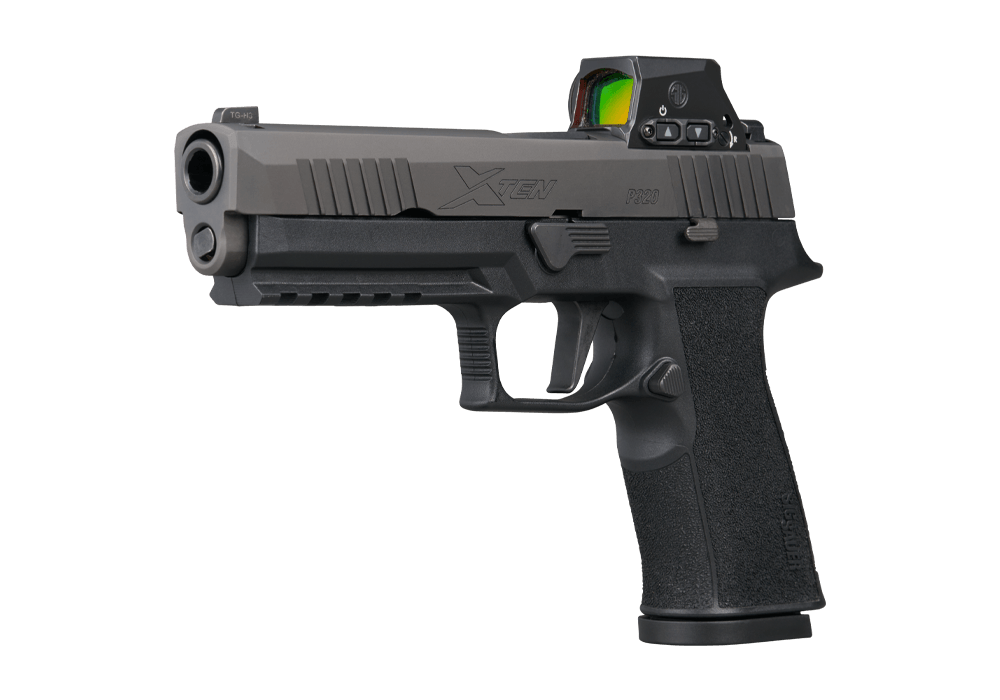
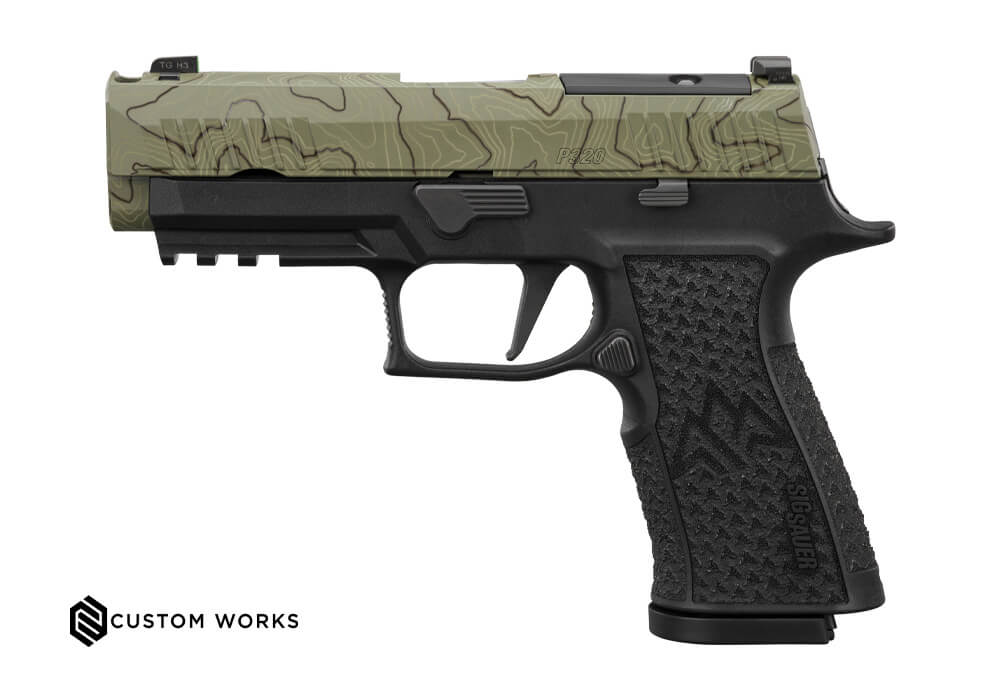
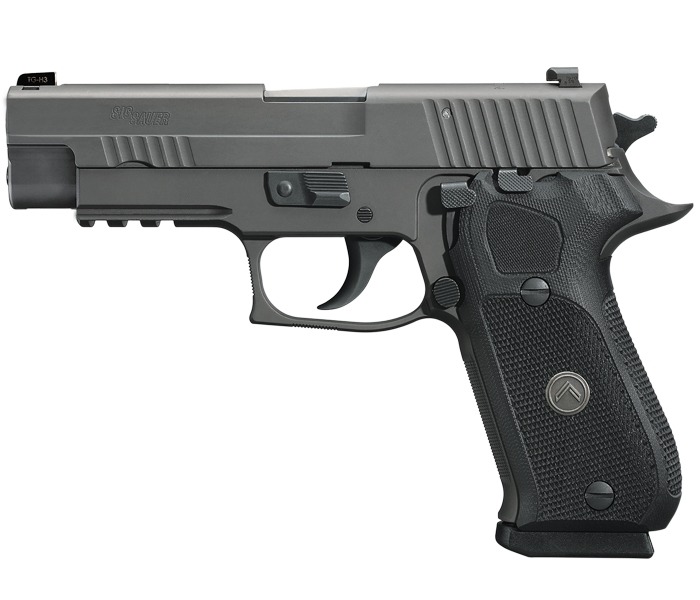
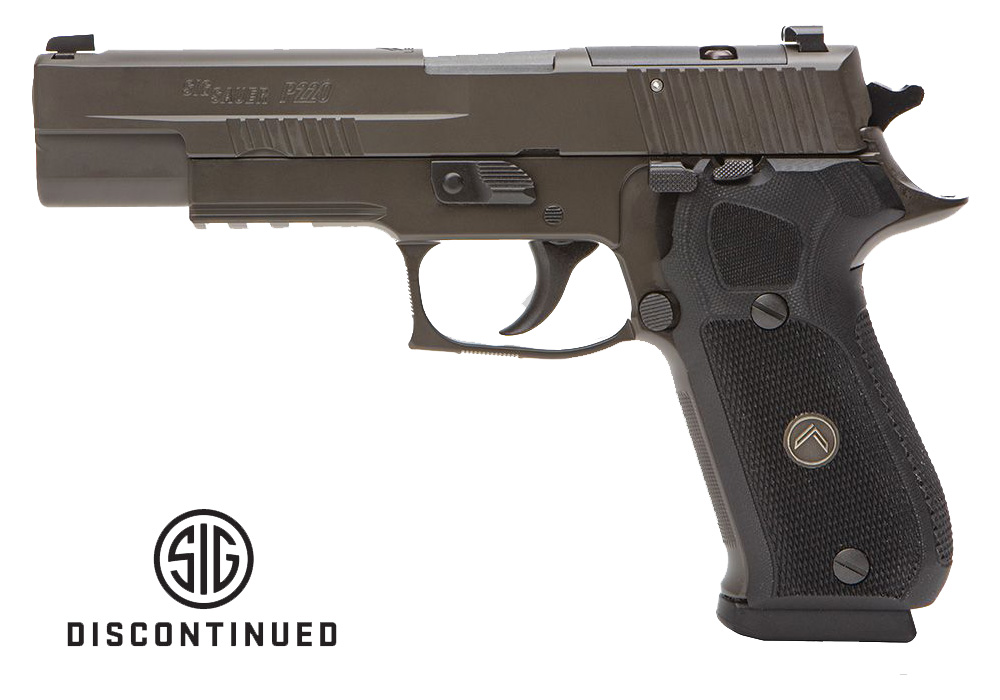
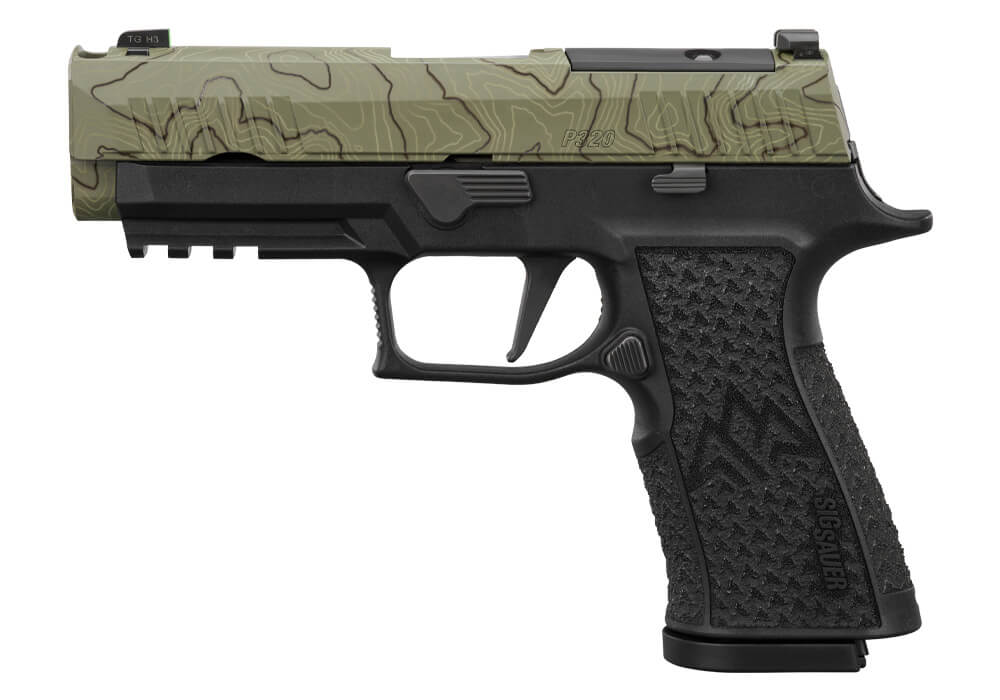
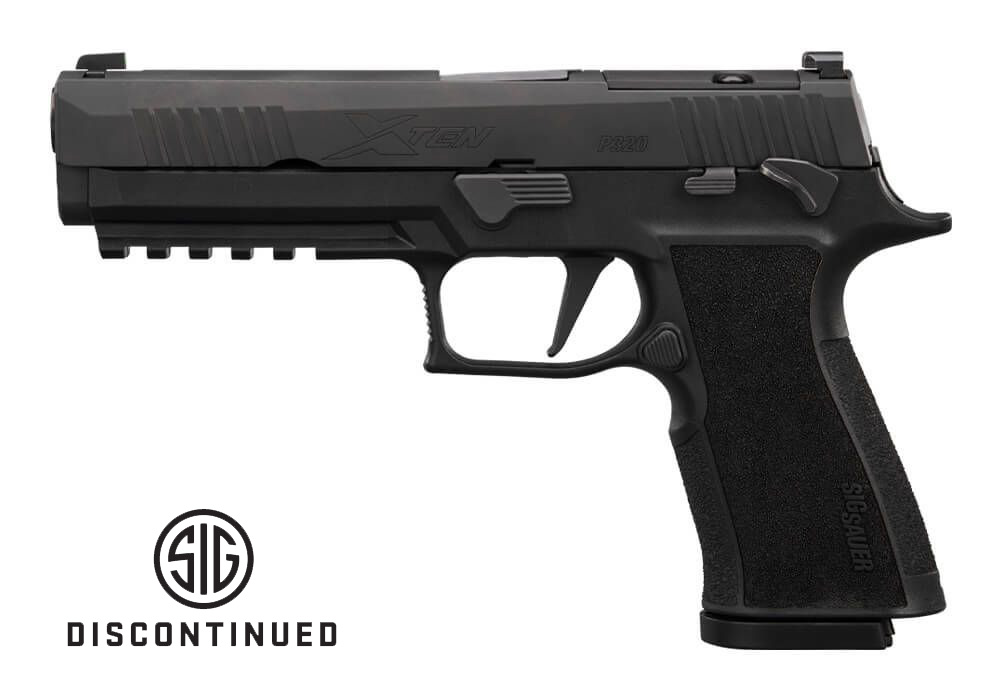
10mm pistols for self defense combine the performance of the 10mm Auto cartridge with handgun designs intended for dependable handling and lawful personal protection. The cartridge generally produces greater muzzle energy than common 9mm defensive loads, although actual performance varies with ammunition and barrel length. That additional energy comes with tradeoffs: recoil can be more demanding, ammunition characteristics differ considerably, and many 10mm handguns have larger frames than comparable pistols chambered for smaller cartridges. A suitable choice balances those characteristics with the owner’s experience, hand size, and ability to handle the firearm safely and consistently. Muzzle energy alone does not establish a pistol’s suitability for defensive use, and no cartridge guarantees a particular outcome. Reliable operation, manageable recoil, practical dimensions, and regular training all belong in the same conversation. For someone accustomed to a smaller handgun, a full-size 10mm can feel noticeably different in both grip circumference and balance. Its weight may help moderate felt recoil, but that same weight can become more noticeable during extended carry. Shorter configurations can be easier to accommodate in some holsters, yet a smaller overall footprint does not automatically mean easier handling. The relationship between slide dimensions, frame weight, grip geometry, and ammunition matters more than any single specification. These pistols may appeal to experienced handgun owners seeking a firearm for lawful personal protection or outdoor activities, provided the platform suits their abilities and circumstances. Compared with a familiar range pistol, a defensive handgun also has to fit the routines surrounding secure storage, lawful transportation, and responsible ownership. Bullet penetration remains an important safety consideration with 10mm Auto, particularly where other people or occupied spaces may be nearby. Ammunition intended for defensive use does not remove that concern. A realistic assessment of the firearm includes its limitations as well as its performance, with control and sound judgment taking priority over caliber alone.
Materials and fit shape how a 10mm pistol feels in the hand and how it stands up to repeated use. Common construction approaches include polymer frames with steel slides, metal frames, and protective surface treatments intended to resist wear and corrosion. A polymer frame can reduce overall weight, while a heavier metal frame may change the balance and the way recoil feels to an individual shooter. Neither construction type is automatically the better choice; dimensions, engineering, maintenance requirements, and personal fit remain important. Stainless steel and coated surfaces still need routine attention, especially where perspiration, handling residue, and friction affect exposed metal or contact points. Grip texture should provide a secure hold without becoming unnecessarily abrasive against the hand or clothing. Replaceable grip panels or adjustable backstraps, when present, can help accommodate different hand sizes, but their usefulness depends on the actual fit rather than the feature list. A comfortable grip allows access to the controls without awkward stretching or a substantial change in hand position. For a person with smaller hands, a broad grip can feel less manageable even when the handgun’s overall length seems reasonable. For someone with larger hands, a short grip may leave less supporting surface than expected. Trigger reach, control placement, and the visibility of the sights deserve similar attention. Clear sight references can support consistent range practice, while any optic mounting provision needs to match the intended equipment and the manufacturer’s specifications. Carry arrangements add another layer of fit. A holster should be designed for the exact handgun configuration, cover the trigger guard completely, and retain the firearm securely. Added accessories can change that fit, so compatibility cannot be assumed from a shared model family or a similar appearance. Many of the same considerations apply to 10mm Pistols for Open Carry, where holster retention, support from the belt, and applicable carry laws remain central concerns. Comfort while standing, sitting, and moving through an ordinary day is a practical part of evaluating a larger handgun.
Long-term ownership of a 10mm pistol involves more than choosing a frame material or preferred grip shape. Regular practice, appropriate maintenance, and secure storage help support dependable service throughout the firearm’s life. A handgun that feels comfortable during a brief handling session may feel different over a supervised range session, where recoil, grip fatigue, and control placement become easier to assess. Professional instruction gives new owners a foundation in safe handling and helps experienced owners become familiar with an unfamiliar platform without treating caliber as a substitute for skill. Range use also provides an opportunity to confirm reliable operation with compatible ammunition, following the firearm manufacturer’s guidance and the rules of the facility. Ammunition must match the chambering marked on the firearm; similar cartridge dimensions or names are not sufficient grounds for substitution. Care requirements vary by design, but the owner’s manual remains the reference for inspection, cleaning, lubrication, and service intervals. Cleaning should take place only after the firearm has been unloaded and verified clear, with ammunition kept away from the work area. Excess lubricant, accumulated debris, worn components, or unauthorized modifications can affect function, so maintenance is about preserving the intended operating condition rather than changing it. Protective finishes do not eliminate the need to inspect metal surfaces, and carry equipment also deserves attention for wear, loose hardware, or a changing fit. Secure storage should prevent access by children and unauthorized people, with a locking solution appropriate to the household and consistent with applicable law. Ownership and carry requirements vary by jurisdiction, and travel can introduce additional rules concerning transportation, storage, and permitted locations. Those responsibilities apply regardless of a pistol’s size or intended role. The most suitable 10mm self-defense pistol is one that fits the owner’s hands, remains manageable during practice, works with appropriate carry equipment, and can be maintained according to its manufacturer’s requirements. That combination supports a more durable and practical ownership experience than choosing by cartridge reputation or appearance alone.