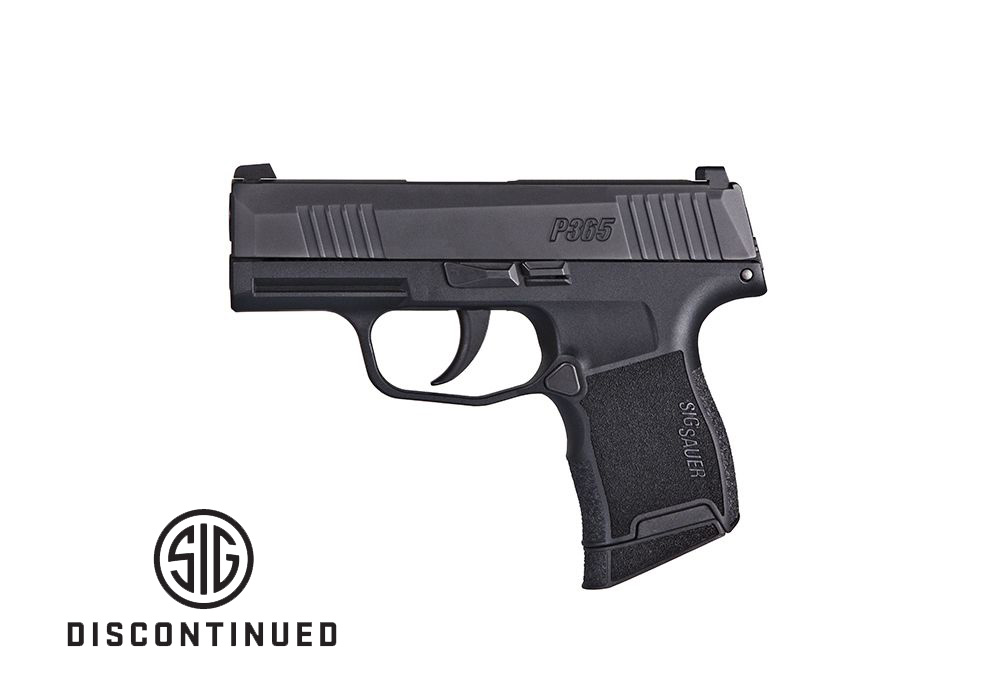
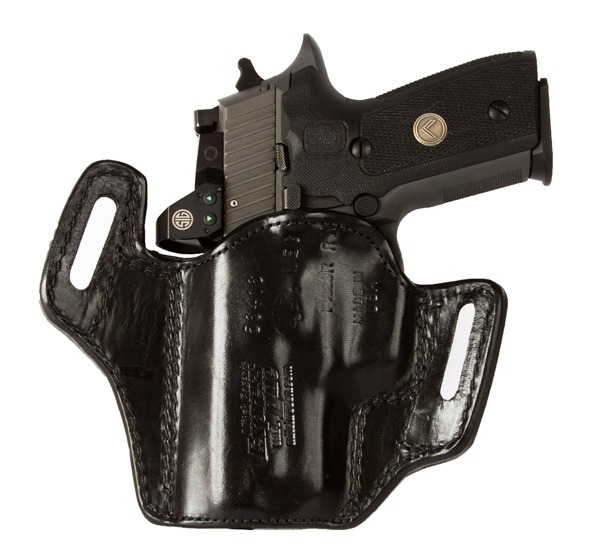
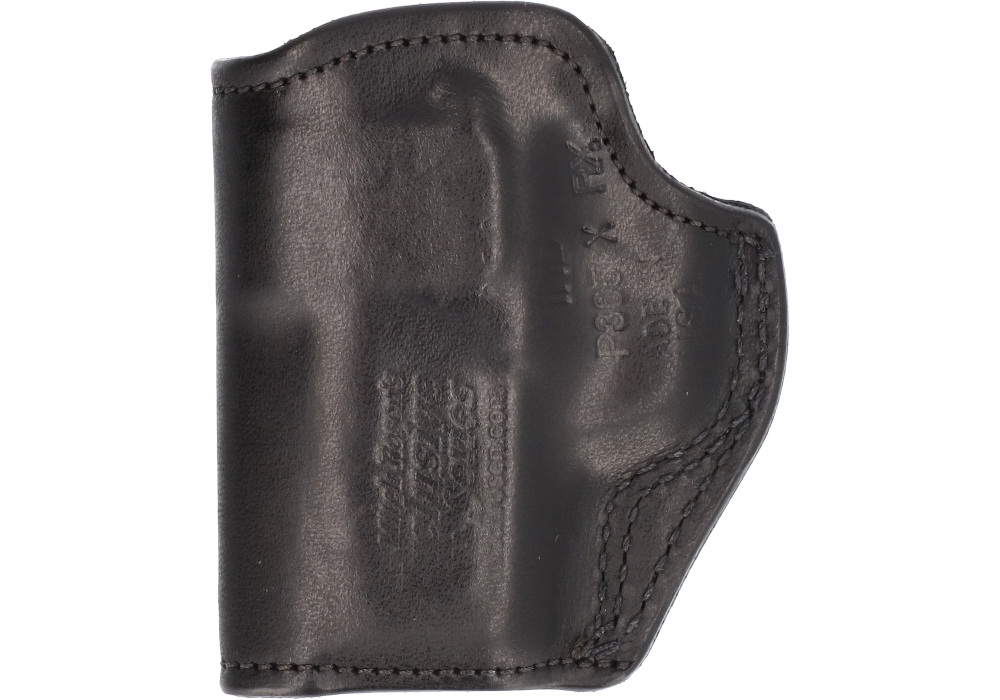
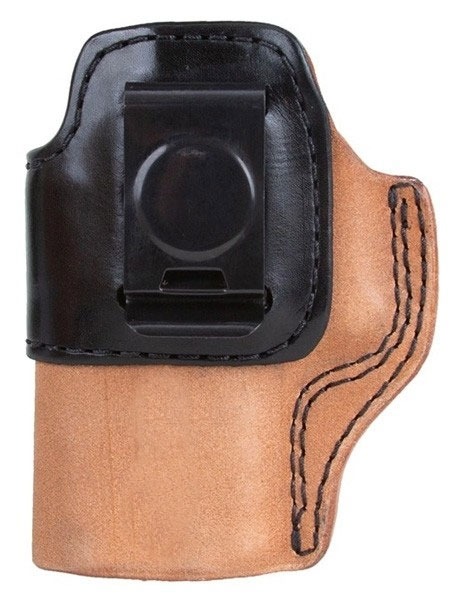
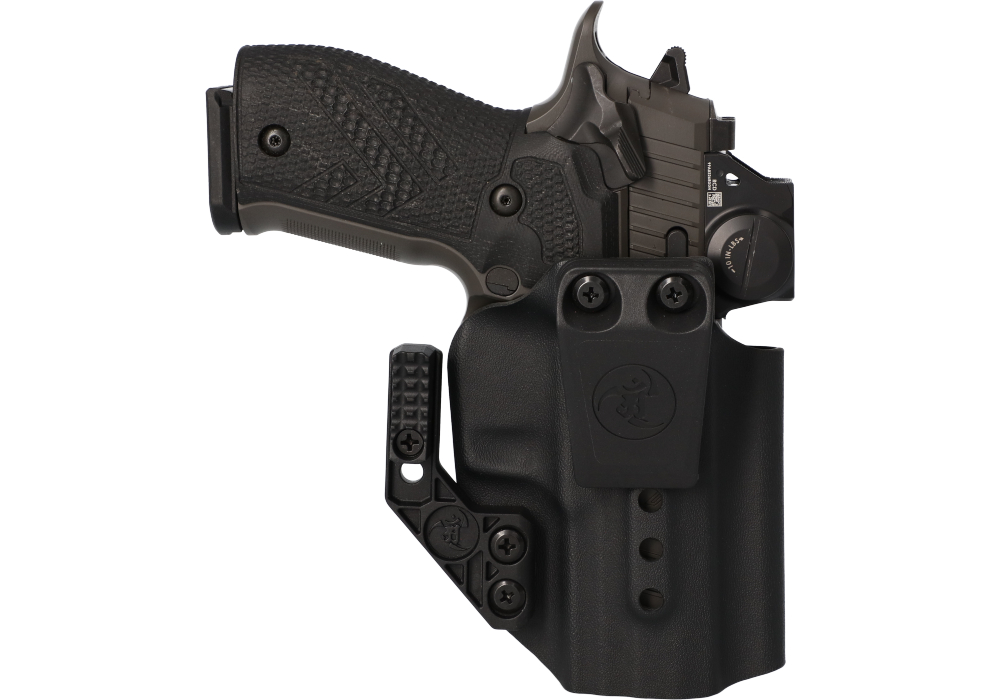
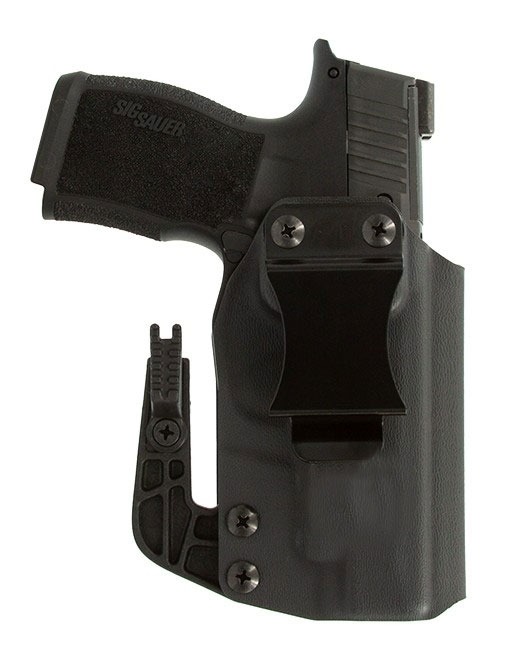
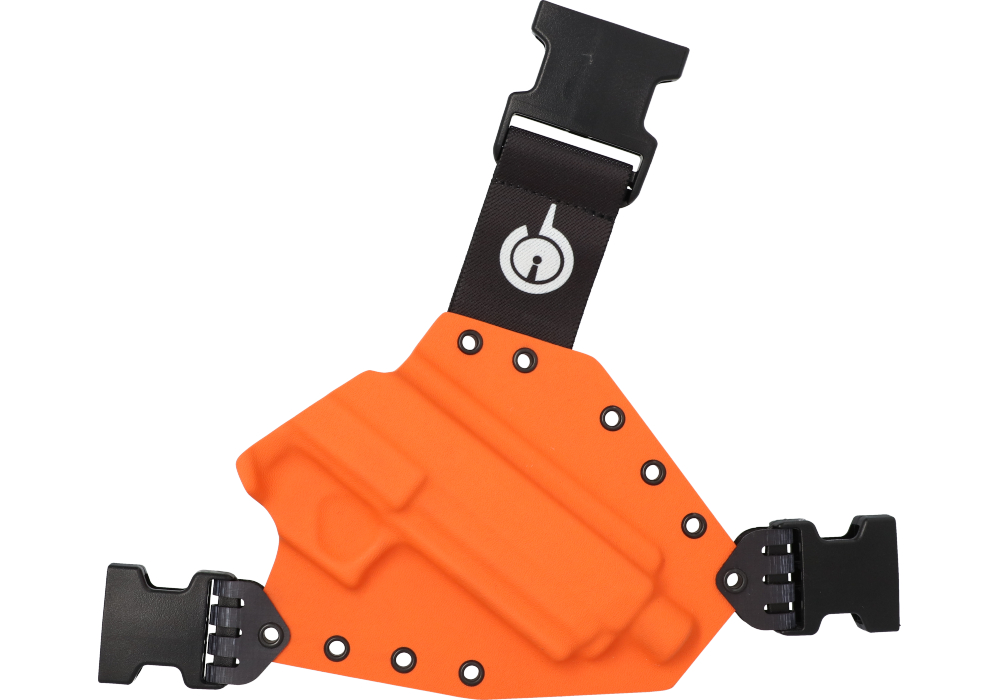
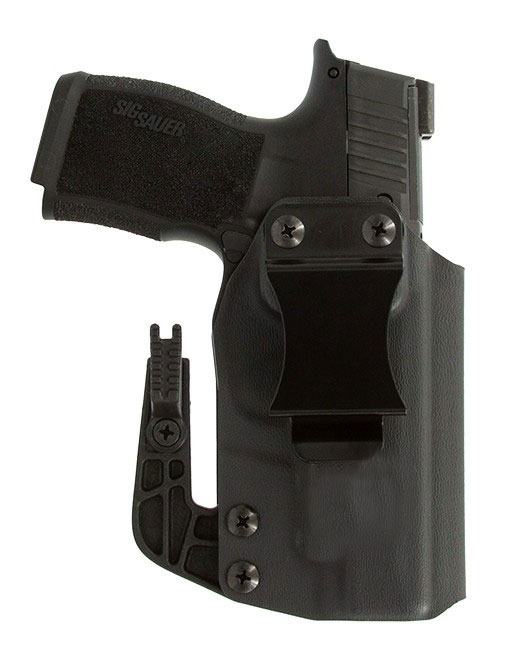
Concealed carry gear is designed to help responsible firearm owners carry comfortably, discreetly, and securely as part of an everyday routine. The right setup usually begins with a properly fitted holster that fully covers the trigger guard, keeps the firearm positioned consistently, and provides dependable retention during normal movement. Inside-the-waistband holsters are popular for their balance of concealment and accessibility, with appendix carry placing the holster toward the front of the body and strong-side carry positioning it near the hip. Outside-the-waistband holsters can offer a comfortable fit when paired with an appropriate cover garment, while belly bands and other specialty systems may suit activewear, athletic clothing, or wardrobes without a traditional belt. A rigid, reinforced gun belt is an important part of nearly any concealed carry setup because an ordinary fashion belt may allow the firearm to sag, tilt, or shift throughout the day. Fit matters just as much as material: a belt should support the weight without feeling excessively stiff, and a holster should remain stable when sitting in a vehicle, walking across a parking lot, or reaching for an item on a high shelf. Concealment also depends on clothing, body position, and movement. Patterned shirts, relaxed outer layers, lightweight jackets, and garments with natural drape can help reduce printing, which is the visible outline of a firearm beneath clothing. During the cooler months, a jacket or overshirt can add another practical layer, while warmer days may call for a lower-profile holster and carefully chosen fit. Every carry method should be evaluated with the same attention given to firearm safety, including keeping the trigger protected, maintaining control of the firearm, and following all applicable laws and regulations.
A complete concealed carry arrangement may include more than a holster and belt. Magazine carriers help keep spare ammunition secured in a consistent location, and some carriers can be worn inside or outside the waistband depending on the user’s clothing and preferred level of concealment. A compact flashlight, communication device, first-aid supplies, or other everyday carry essentials may also have a place in a carefully considered setup, provided they do not interfere with safe access to the firearm. Off-body carry options, including dedicated sling bags, cross-body pouches, and purpose-built purses, can be useful for people whose clothing does not accommodate waistband carry. These bags should have a separate, secured compartment reserved for the firearm, with the contents arranged so the firearm cannot become entangled with keys, pens, charging cables, or other loose objects. Off-body carry requires particular discipline because the bag must remain under the carrier’s direct control; setting it on a counter, leaving it in a vehicle, or handing it to another person can create unnecessary risks. Before settling on any concealed carry gear, consider the firearm’s dimensions, the intended carry position, handedness, clothing habits, daily activities, and time spent seated. A person who spends hours driving may prefer a different configuration than someone who walks or works outdoors, and a carrier who dresses in business clothing may need different concealment options than someone in workwear or athletic apparel. It is also wise to practice safe holstering, drawing, and reholstering with an unloaded firearm in a controlled setting, then seek qualified instruction to build sound habits. Local requirements may address permits, prohibited locations, storage, transportation, and the use of firearms, so reviewing current laws and obtaining professional guidance is an essential part of responsible ownership. For shoppers comparing holsters, belts, bags, and related accessories in one place, Firearm Carrying Solutions can provide a useful starting point for building a carry system around individual needs.
Concealed carry gear can also be a thoughtful gift for a qualified firearm owner, especially when the gift reflects that person’s routine rather than assuming one carry style fits everyone. A sturdy gun belt may be appreciated by someone who already owns a holster but notices discomfort or shifting during the day. A secure magazine carrier, compact storage case, training accessories, or a dedicated off-body bag can complement an existing setup without requiring a guess about exact firearm fit. When selecting a holster as a gift, it is best to confirm the firearm model, preferred carry side, carry position, and whether the recipient uses an optic or other accessory; small differences in configuration can affect fit and retention. A gift card or opportunity to choose may be more practical than selecting a holster without that information. For new or prospective carriers, comfort should never be the only priority. The firearm must remain securely retained, the trigger must stay covered, and the chosen setup should allow safe handling and consistent access without unnecessary movement. At home, concealed carry gear should be paired with secure storage whenever the firearm is not under the owner’s direct control, with special attention to children, guests, and anyone who should not access it. A reliable setup often emerges gradually: a carrier notices a belt riding up while walking, a holster edge pressing against the seat during a long drive, or a jacket shifting when reaching overhead, then makes a careful adjustment rather than accepting discomfort as normal. Those small refinements can make everyday carry more discreet and sustainable. Whether preparing for a new carry routine, replacing worn accessories, or choosing a practical gift during the cooler months, the best concealed carry gear supports safe habits, dependable retention, comfortable movement, and responsible ownership.