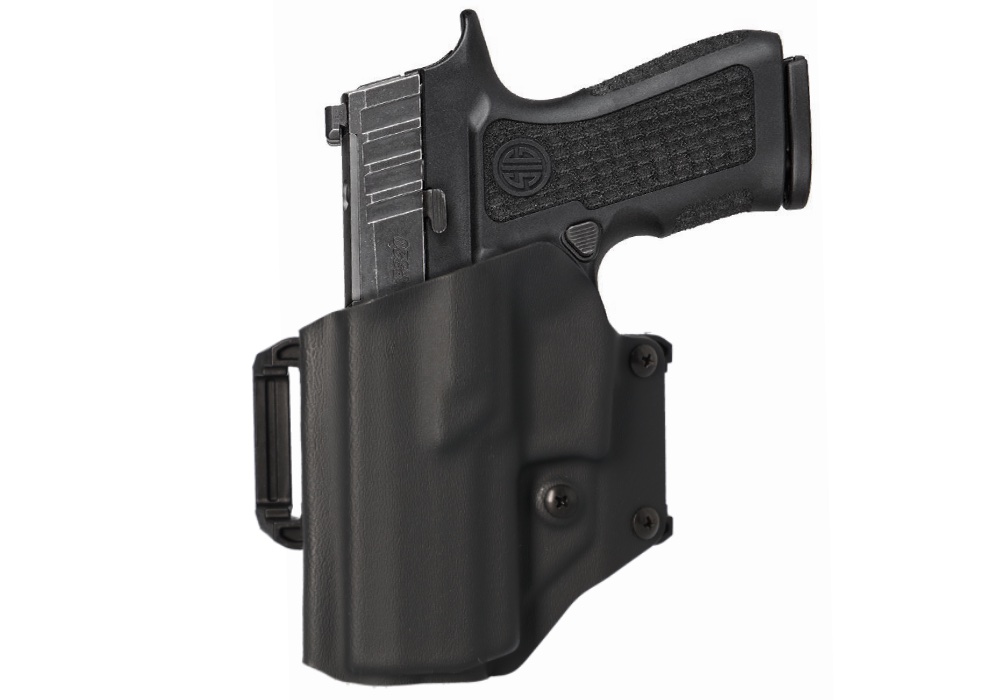
Concealed carry is the practice of carrying a firearm in a manner that keeps it hidden from ordinary view while remaining accessible to the lawful carrier. For many people, choosing concealed carry equipment is a personal process shaped by daily routines, clothing, body type, work environment, travel habits, and comfort with responsible firearm handling. A setup that works well for someone who spends the day in business attire may not be the right choice for a person working outdoors, commuting by car, or wearing heavier layers during cooler months. The most important consideration is that every part of the system works together: the firearm should fit securely, the carrying method should maintain consistent placement, and the equipment should protect the trigger area from unintended contact. Options may include on-body and vehicle-based storage solutions, each selected according to the user’s lawful needs and the environment in which it will be used. A well-designed Handgun Holders selection can help organize everyday carry equipment and support a secure, repeatable routine at home, in a vehicle, or on the range. Comfort matters because equipment that pinches, shifts, prints noticeably through clothing, or becomes difficult to access is less likely to be carried consistently. Fit should be evaluated while standing, sitting, walking, bending, and getting in and out of a vehicle. Clothing also deserves attention: jackets, sweaters, untucked shirts, and outer layers can change how a concealed setup feels and how discreetly it remains covered. During the transition into cooler weather, layered clothing may create additional concealment opportunities, but it can also make access more complicated, so practice with the exact garments used every day is worthwhile. The goal is not simply to own a firearm or accessory; it is to build a safe, comfortable, and familiar routine that supports responsible decisions.
Laws governing concealed carry differ substantially by state and may also change based on location, travel, vehicle storage, and the type of property being visited. Some jurisdictions require a concealed carry permit, while others allow permitless or constitutional carry for people who meet specific legal requirements. Permit applications commonly involve a background check, and some states require fingerprinting, a firearms safety course, or live-fire qualification. Minimum age requirements vary, and certain felony convictions, qualifying domestic-violence convictions, restraining orders, or other legal conditions can prohibit firearm possession or concealed carry. A permit from one state may not be recognized in another, and reciprocity agreements can have important limitations. Before purchasing or carrying, review the current laws for your state and any state you plan to visit, using official government resources or qualified legal counsel when necessary. Pay particular attention to restricted places such as schools, courthouses, government buildings, posted private property, places where alcohol is served, and areas subject to special rules. Safe carry also requires knowing how the firearm operates, understanding the status of the chamber and safety controls, and keeping the muzzle pointed in a safe direction whenever the firearm is handled. A reputable training course can provide instruction in loading, unloading, drawing, holstering, malfunction response, storage, and decision-making under stress. Practice should begin with an unloaded firearm in a controlled setting and progress only as skill and confidence develop; live-fire practice at an appropriate range can reinforce accuracy and safe handling. Responsible carriers also learn the difference between lawful possession and lawful use, recognizing that carrying a firearm does not eliminate the need to avoid conflict, leave unsafe situations, contact emergency services, or follow the instructions of responding law-enforcement officers. Regularly inspect equipment for wear, verify that retention remains secure, and replace damaged or poorly fitting components rather than improvising repairs.
Concealed carry products can serve first-time owners, experienced carriers refining an everyday setup, and family members looking for a practical gift for a legally eligible adult. A useful gift may include a secure storage solution, a training-oriented accessory, a range bag, protective equipment, or another item that supports safe ownership without assuming the recipient’s preferred firearm, carry position, or clothing style. Because fit and personal habits vary, gift buyers should avoid choosing equipment solely by appearance or relying on a generic size. A thoughtful approach is to consider the recipient’s routine—whether they drive long distances, spend time outdoors, dress formally for work, or need secure storage at home—and allow them to confirm compatibility before use. Concealed carry equipment should always be matched to the specific firearm model and checked for reliable retention, trigger protection, durability, and comfortable placement. Vehicle storage deserves special care as well: a firearm should never be left unsecured or visible inside a vehicle, and local laws may prescribe how it must be transported or stored. At home, use a locked container or other approved storage method that prevents access by children, visitors, or anyone who is not legally authorized to possess the firearm. During travel, confirm federal, state, and local transportation requirements before departure, particularly when crossing state lines or using commercial transportation. A simple routine can make responsible ownership easier: check the equipment before leaving, carry only where lawful, keep the firearm secured when it is not under the carrier’s direct control, and practice safe handling until each step feels deliberate rather than rushed. Whether selected for everyday use, range training, lawful travel, or as a considered gift, concealed carry products should support discretion, reliability, comfort, and a clear commitment to safety.