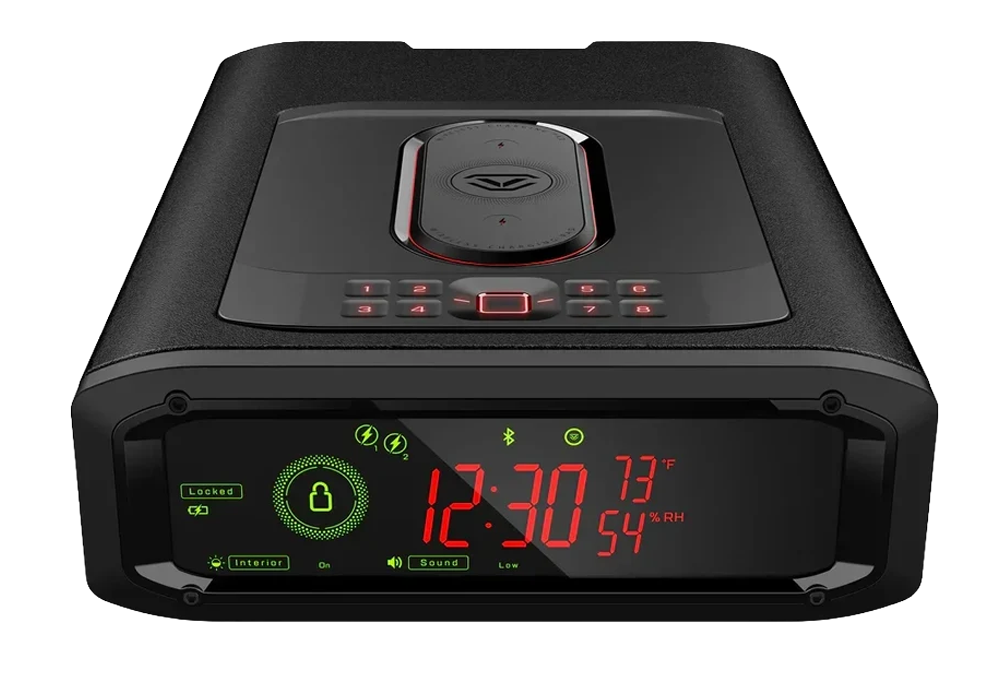
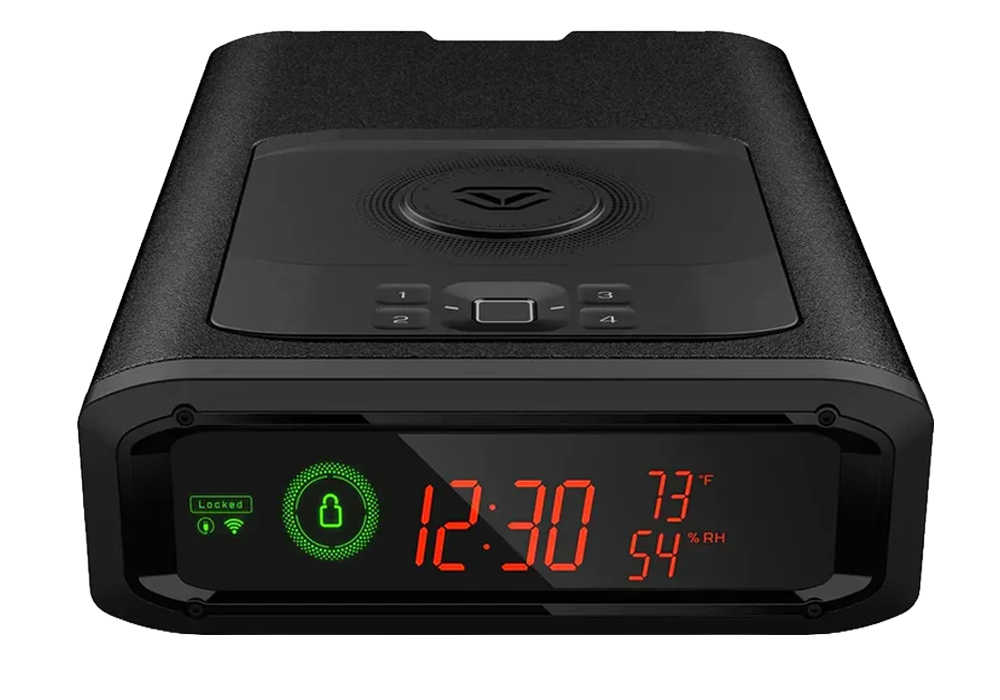
Gun storage products help protect firearms from unauthorized access, theft, and damage while giving each firearm a designated place between uses. The main categories include gun safes, locking cabinets, handgun lockboxes, protective cases, and interior organizers, each serving a different purpose. A substantial safe can provide a fixed home for several firearms and related accessories, while a compact lockbox may suit a single handgun in a space where a larger enclosure would be impractical. Locking cabinets offer orderly storage with a smaller footprint, but their resistance to forced entry depends on their construction and should not be assumed equivalent to that of a tested safe. Steel thickness, door reinforcement, hinge design, locking mechanisms, and documented security testing are more useful points of comparison than appearance alone. Fire resistance is a separate consideration: any claim should be evaluated against the stated test conditions rather than treated as a guarantee that every item inside will remain unharmed. Mechanical combination locks, electronic keypads, keyed locks, and biometric readers also have different maintenance and access requirements. Electronic systems may require batteries and a manufacturer-approved backup method; keys and backup credentials need their own secure location away from unauthorized users. Placement matters just as much as the enclosure. A safe that fits neatly inside a closet still needs sufficient door clearance, suitable structural support, and an installation location consistent with its instructions. Manufacturer-approved anchoring can help resist removal, but installation requirements vary with the enclosure and mounting surface. In households with children, visitors, or shared living areas, secure storage should account for everyone who could encounter the firearm, not just the owner’s daily routine. Firearms should be stored unloaded and secured against unauthorized access, with ammunition locked separately, following manufacturer instructions and applicable laws. A cable or trigger lock can serve a different role from a locked enclosure and should not be mistaken for protection against theft or environmental exposure.
Fit becomes especially important when a firearm has an optic, an extended barrel, or other attached accessories. Exterior dimensions describe the space a container occupies; usable interior dimensions determine whether the firearm fits without pressure against its sights, controls, or finish. For long gun storage, overall length and the distance between supports matter, along with clearance around scopes and other mounted equipment. A rifle that stands comfortably on its own may need more room beside another firearm to keep bolt handles, stocks, and optics from touching. Handgun storage benefits from the same attention to spacing, particularly when individual compartments or padded supports keep metal surfaces from rubbing together. Interior racks, dividers, shelf systems, and door organizers can make an enclosure easier to use, provided they suit its construction and do not interfere with the locking mechanism. Support surfaces should hold firearms steadily without concentrating pressure on delicate components. Materials influence both protection and everyday handling. Steel enclosures emphasize rigidity and security, while rigid polymer cases can provide impact protection with less weight for transport. Reinforced corners, dependable latches, sound hinges, and comfortable handles are practical details for a case that regularly travels between home and the range. Soft cases offer padding and convenient carrying, but fabric and zippers are not substitutes for a secure enclosure. Foam and textile linings can cushion a finish, yet they can also retain moisture or cleaning residue. Long-term storage therefore calls for attention to the firearm’s condition, the liner material, and the enclosure’s interior environment. Moisture-control accessories, including suitable desiccants or equipment designed for use inside a safe, can help manage humidity when maintained according to their instructions. No liner or moisture-control accessory replaces routine inspection. Clean, dry storage surfaces, compatible protective treatments, and periodic checks for corrosion help preserve metal finishes, wood, and other materials. Care requirements differ across coatings and stock materials, so both the firearm manual and the storage product’s care directions remain important.
The most useful gun storage arrangement reflects how the space is actually used. A dedicated home safe may need room for long guns, individual handgun compartments, and shelves that keep accessories from becoming a loose pile beneath the firearms. In a smaller residence, a properly secured compact enclosure may be a better physical fit than a large cabinet that blocks a doorway or cannot be installed correctly. Someone who visits the range regularly may value a protective transport case with secure latches and enough interior clearance to keep equipment separated during travel. A case used for transportation serves a different purpose from permanent home storage, even when it accepts a lock. Vehicle storage has additional limits: a firearm should not be left unsecured in a console, glove compartment, or loose case, and a locked vehicle alone is not a substitute for a suitable secured enclosure. Any vehicle-mounted storage needs to suit the vehicle, follow the manufacturer’s installation directions, and comply with applicable transportation and storage laws. A parked vehicle is not a preferred location for long-term firearm storage. Organization inside the home also extends beyond the firearm itself. Separate compartments for compatible Gun Equipment can keep protective accessories and transport essentials orderly without crowding storage supports or obstructing the door. Cleaning chemicals need appropriate storage of their own so leaks cannot soak padding or contact finishes. For a gift recipient, useful details include the firearm’s dimensions, the intended storage location, preferred lock type, and whether the enclosure can be installed as directed. A protective case or organizer is most useful when those needs are known rather than guessed. Durable materials and thoughtful layouts matter, but secure gun storage ultimately depends on a suitable enclosure, correct installation, consistent locking habits, and continued care. Together, those considerations support an orderly space that protects firearms while keeping access restricted to authorized people.