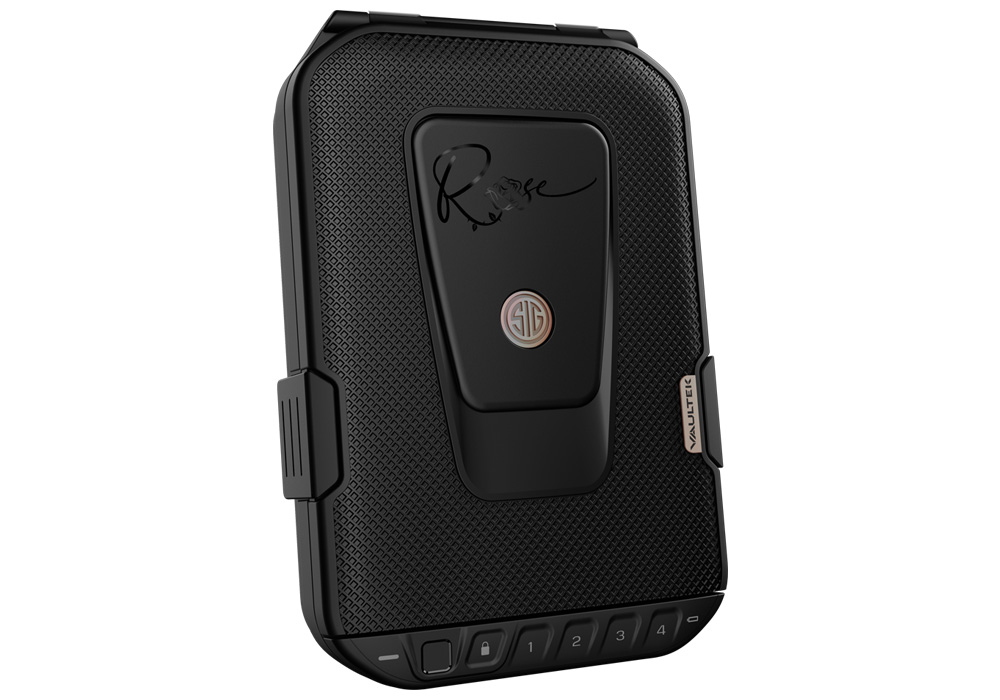
Home gun storage is an important part of responsible firearm ownership, whether a firearm is kept for lawful home defense, recreational shooting, hunting, competition, or collection. The right storage solution helps prevent unauthorized handling while keeping a firearm protected from damage, theft, and everyday household activity. Begin by considering where the firearm will be stored, who may be present in the home, and how often access will be needed. A compact lockbox may suit a single firearm stored near a bed or desk, while a larger locking cabinet may be more appropriate for multiple firearms and accessories. For situations where authorized access must be available without leaving a firearm unsecured, a digital keypad, biometric scanner, or RFID-enabled locking system can provide controlled entry when properly set up and maintained. These options are often selected for bedside or discreet locations because they can be opened by an authorized user without searching for a key in low light. Traditional keyed locks remain useful as well, particularly when simplicity and dependable operation are priorities. Whatever the locking method, keys, combinations, access cards, and backup codes should be controlled carefully and kept away from children, visitors, and anyone who is not legally authorized to handle the firearm. A storage unit should also be placed where it is stable, discreet, and difficult to remove. Lightweight or mid-size safes can be secured to a wall stud, floor, or other suitable structural surface according to the manufacturer’s instructions, reducing the risk that an intruder could simply carry the entire unit away. Storage furniture or concealed compartments may blend more naturally with a bedroom, office, or living area, but a concealed location should never be treated as a substitute for a lock. A hidden firearm is still an unsecured firearm if the compartment can be opened without authorization.
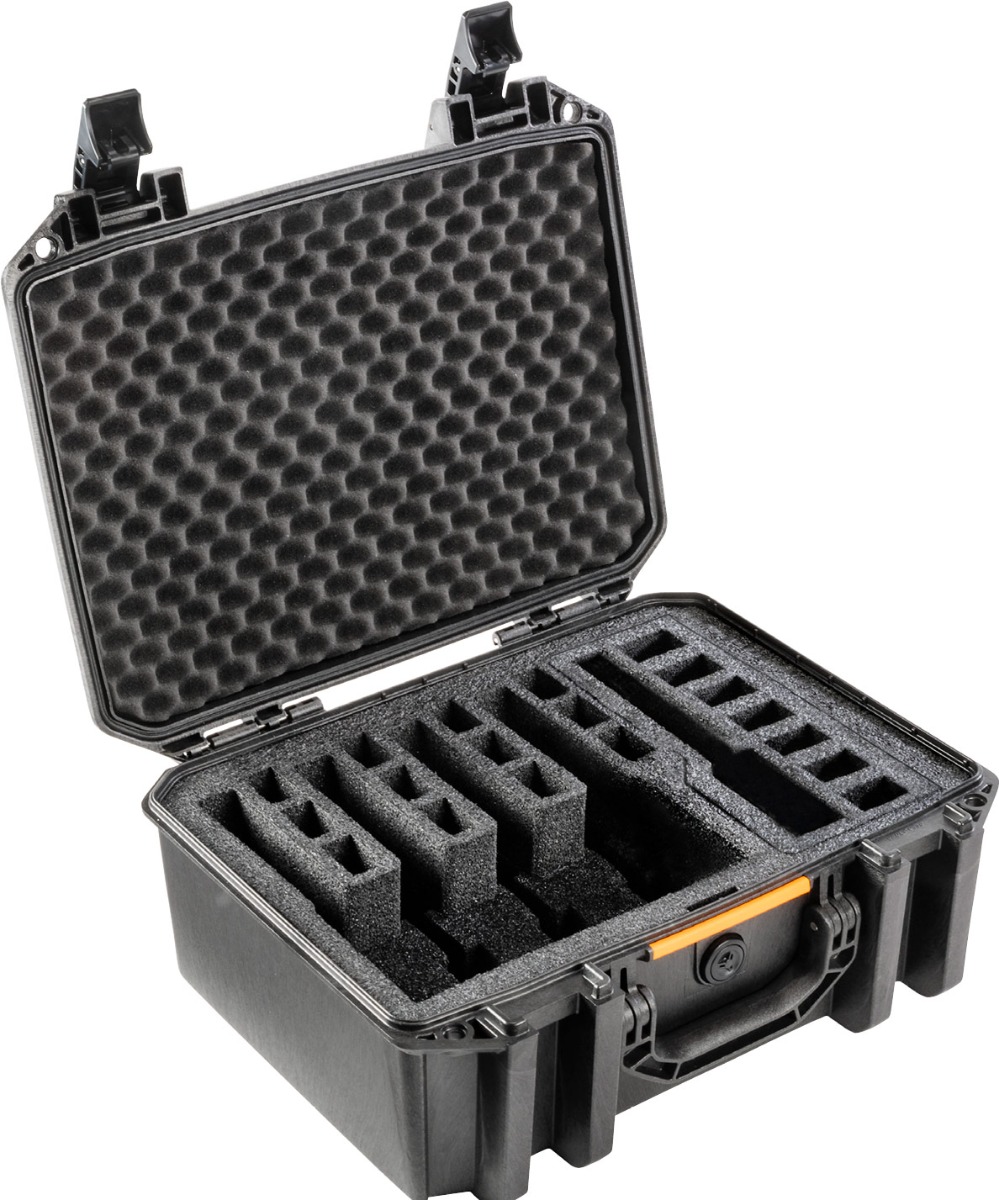
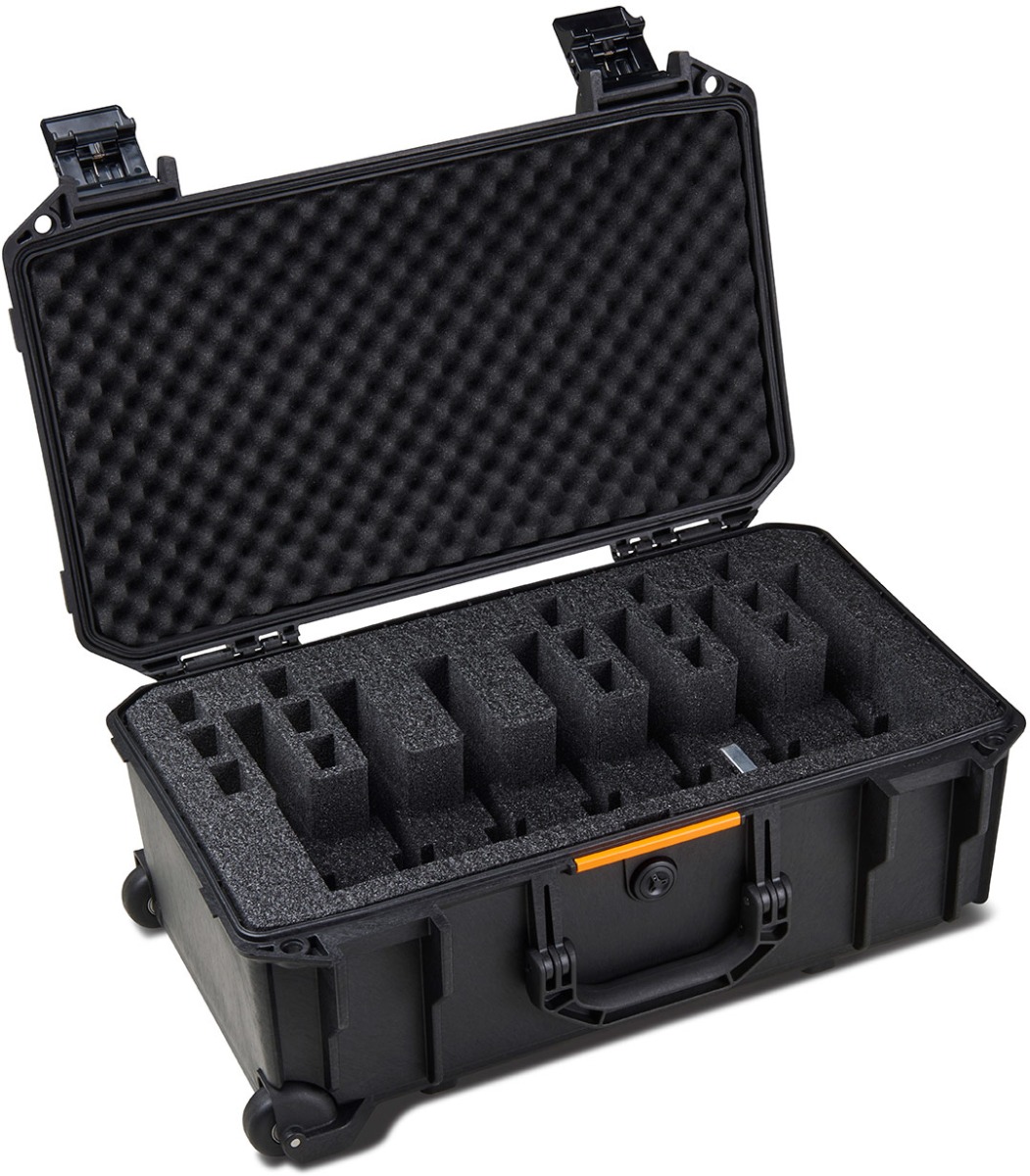
Different households have different storage needs, and the best choice depends on the balance between accessibility, security, space, and daily routine. A parent or grandparent may place special emphasis on child-deterrent locking features and a storage location that is completely out of sight and reach. Someone living with roommates may need a compact, independently secured container that prevents access by others while fitting inside a closet or nightstand. A collector or frequent range user may prefer a more substantial enclosure with organized shelves, adjustable supports, or room for several firearms, magazines, optics, and other equipment. Those who travel to a range or hunting property may also appreciate portable lockboxes with cable locks, allowing a firearm to remain secured inside a vehicle only as permitted by applicable law and never left unattended unnecessarily. Cable locks and trigger locks can add an additional layer of protection for individual firearms, helping render them inoperable during storage; they should be installed according to the lock and firearm manufacturers’ instructions, and owners should confirm that the device does not interfere with safe handling or cause damage. Ammunition should generally be stored in a locked container separate from firearms unless a particular lawful defensive-storage plan calls for another arrangement. Keeping cartridges organized and protected also makes it easier to monitor inventory and identify different loads. Storage accessories can be practical gifts for a new firearm owner, a family member moving into a new home, or a range enthusiast who is building a more organized setup. A lock, cabinet organizer, protective case, or humidity-control accessory may be especially thoughtful because it supports responsible ownership without assuming that another person needs a particular firearm. Before giving any firearm-related storage item, consider the recipient’s existing setup, the size and type of firearms involved, and whether the product’s dimensions and locking method will fit their routine. Explore Equipment For Gun Storage to compare storage-focused options suited to different spaces and ownership habits.
Long-term protection involves more than selecting a strong enclosure. Moisture can collect inside a closed safe as temperatures change, particularly in garages, basements, closets against exterior walls, and other areas with limited climate control. Silica gel packs, rechargeable desiccants, or an electric dehumidifier designed for enclosed storage can help reduce humidity, while periodic inspection allows owners to catch condensation, surface rust, or changes in the condition of wood, leather, and other materials before they become serious. Avoid placing a safe directly on a damp floor, and follow the storage-unit manufacturer’s guidance for ventilation, cleaning, and maintenance. Fire resistance, burglary resistance, interior organization, and mounting requirements should all be reviewed rather than assumed from appearance alone. Measure doorways, shelves, and the intended installation area before purchasing, and leave enough room to open the locking mechanism fully and retrieve a firearm without bumping nearby objects. As the weather warms, household routines may shift with open windows, visitors, travel, and children spending more time at home; during the cooler months, indoor gatherings and holiday visits can bring additional guests into rooms where firearms are stored. These seasonal changes make a consistent storage routine especially important. Firearms should remain unloaded when stored unless a carefully considered, lawful defensive-storage plan requires otherwise, and every owner should know the firearm’s manual, local regulations, and any applicable safe-storage requirements. A secure home storage system combines a suitable lock, a stable installation, controlled access, separate ammunition storage when appropriate, and regular checks of the firearm and the storage environment. The result is a setup that protects people in the home, preserves valuable equipment, and supports confident, responsible ownership day after day.