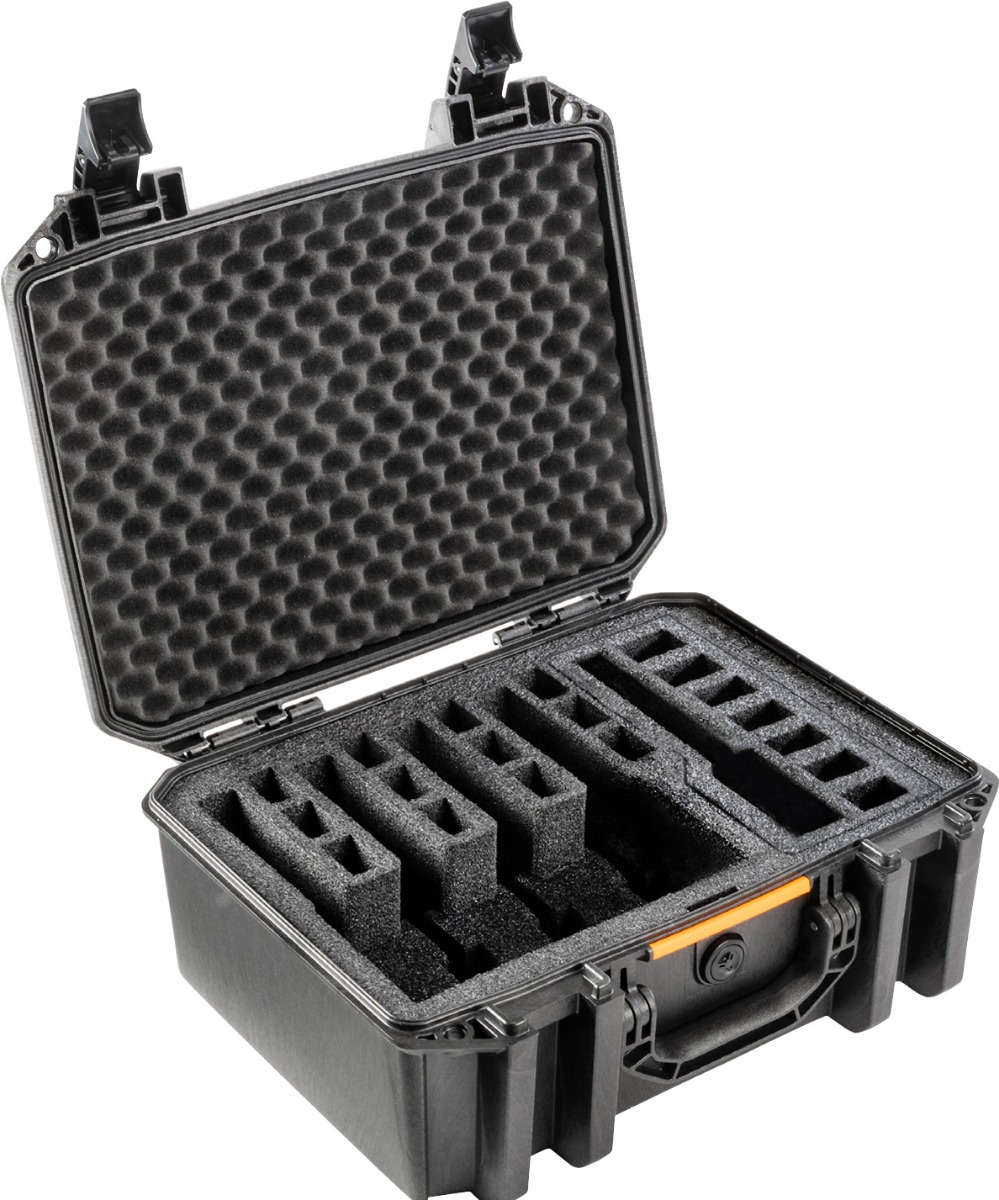
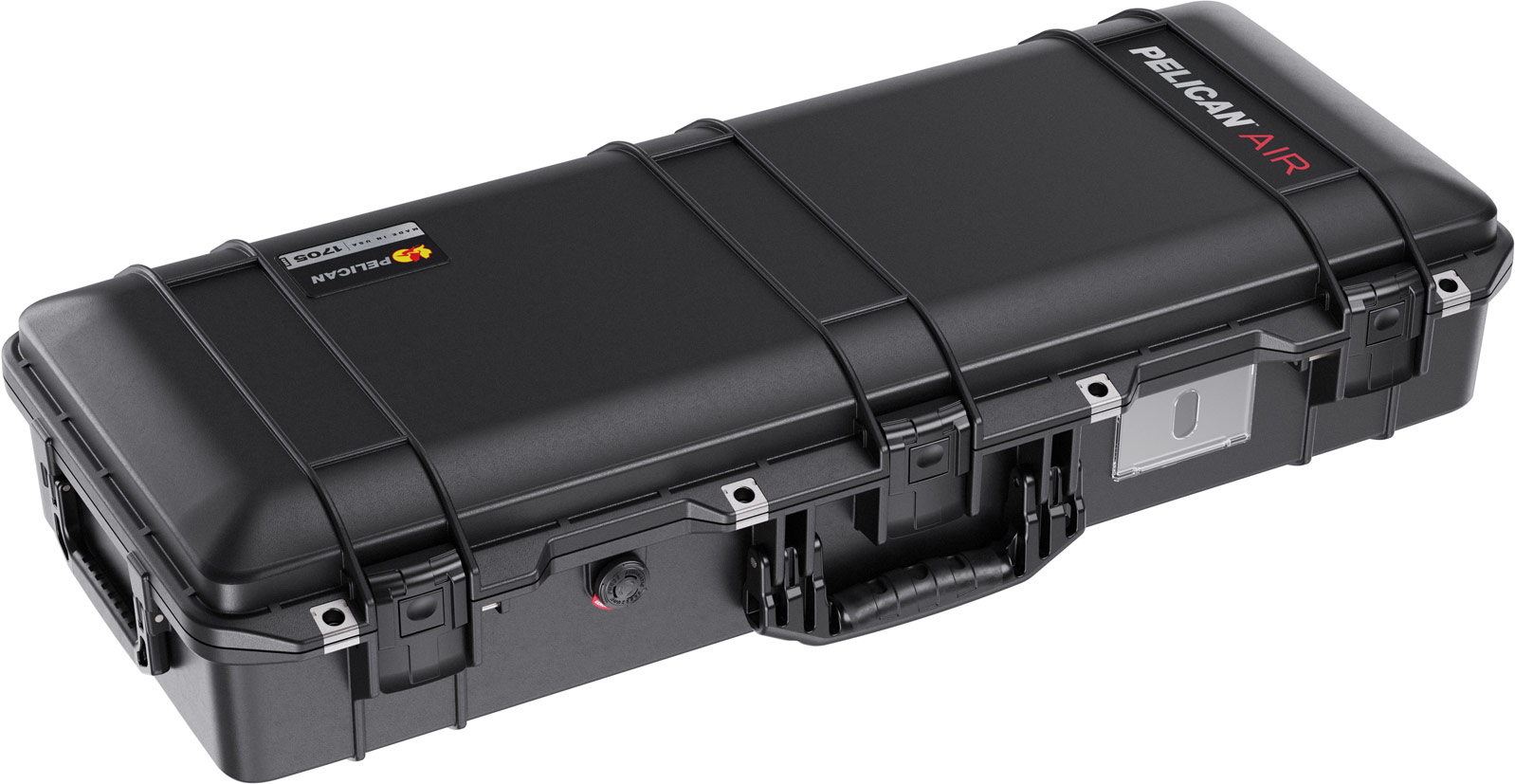
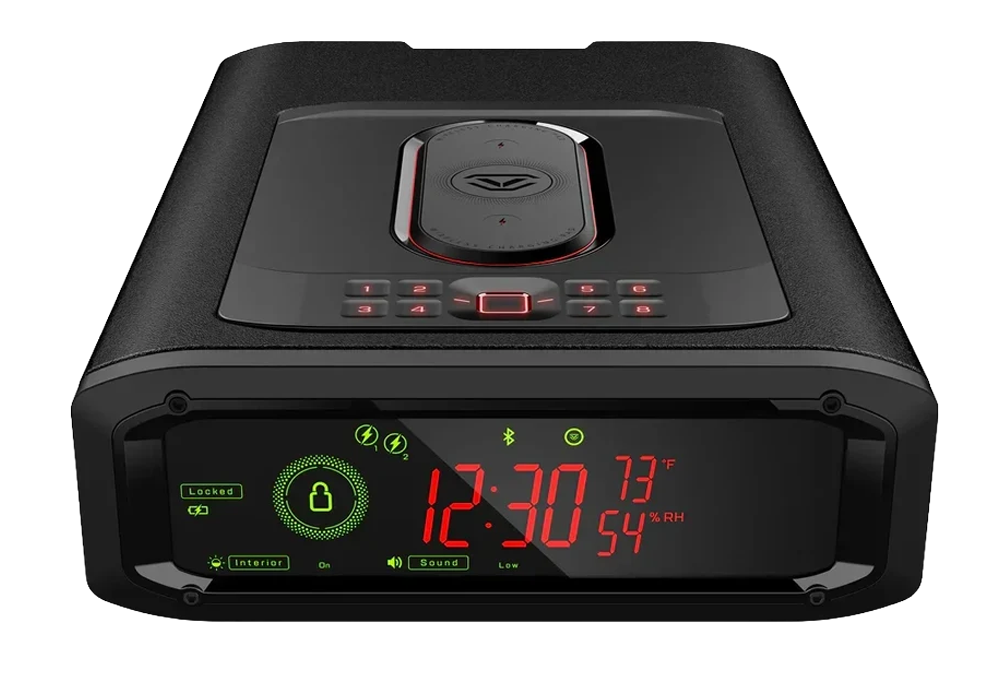
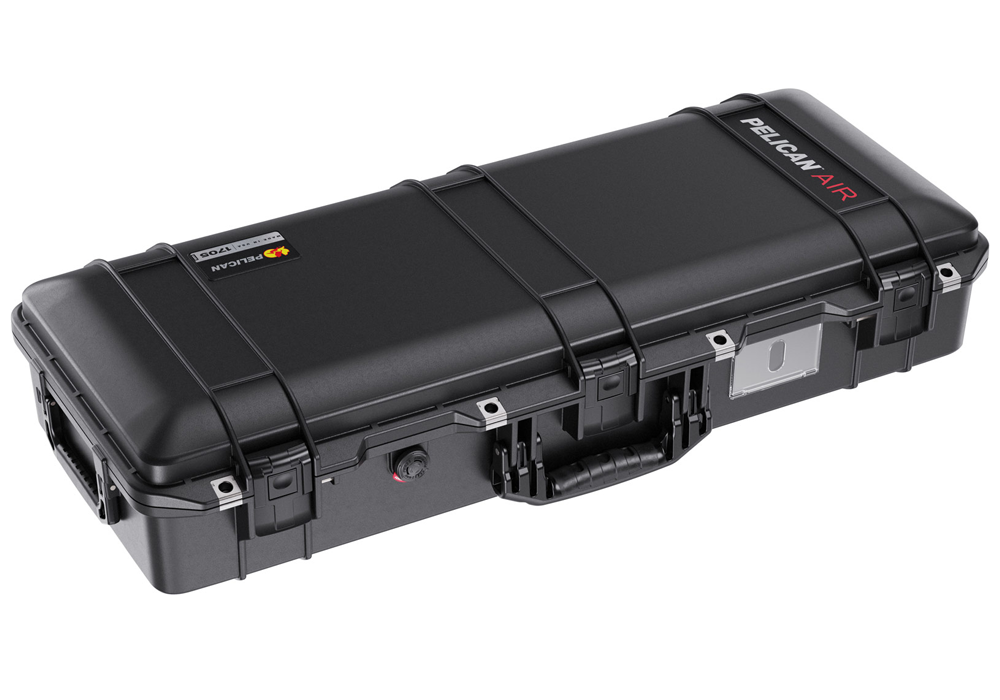
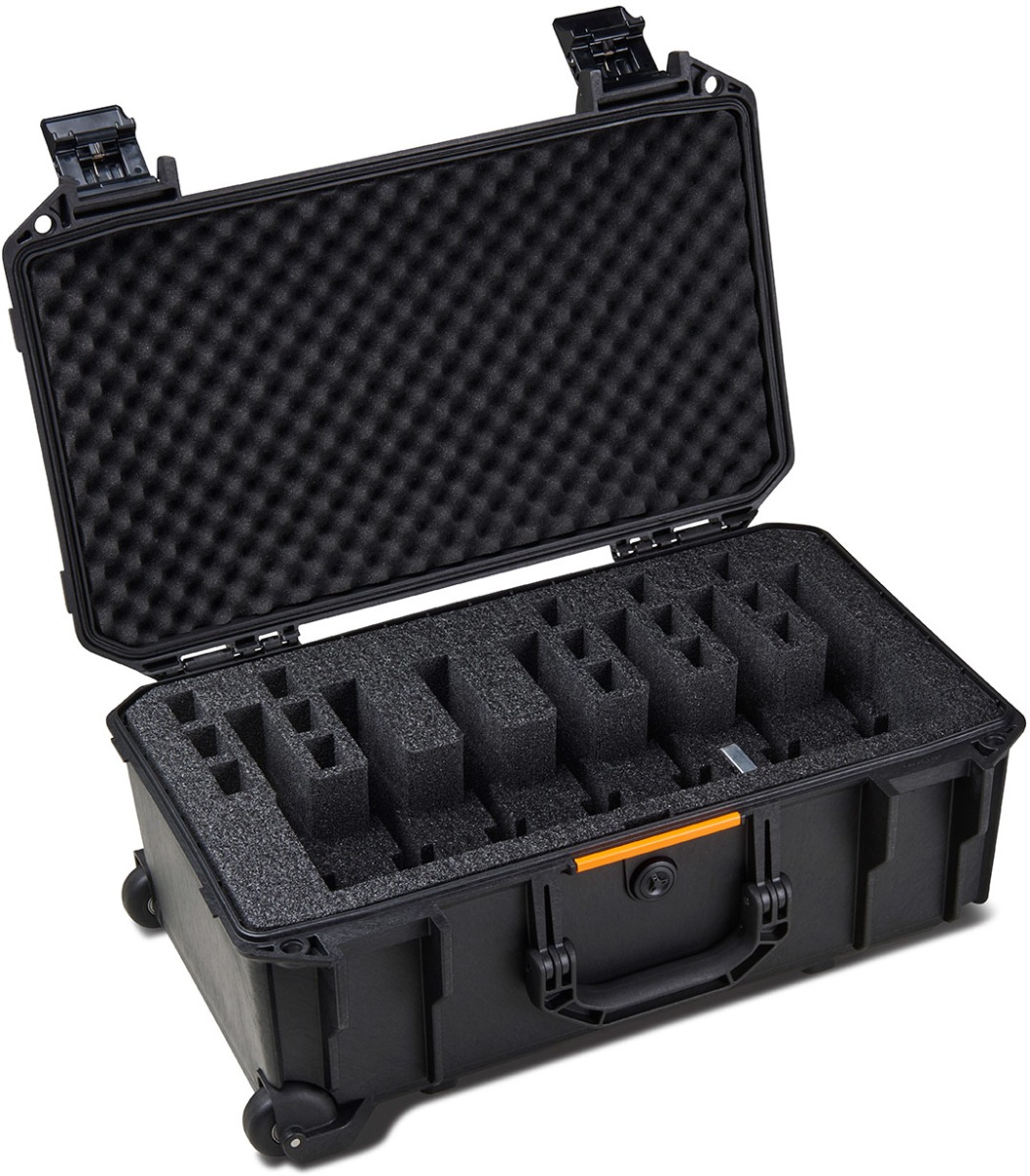
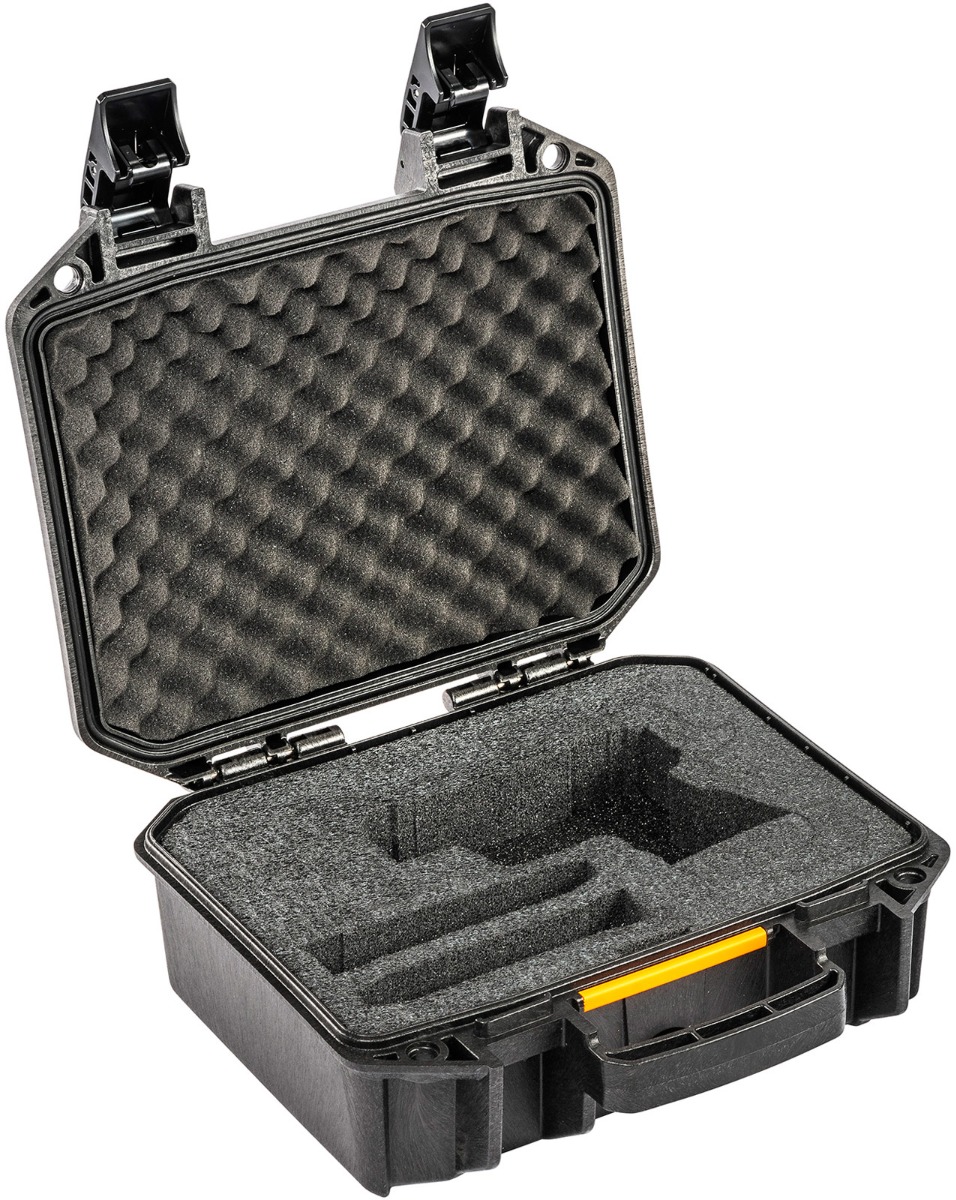
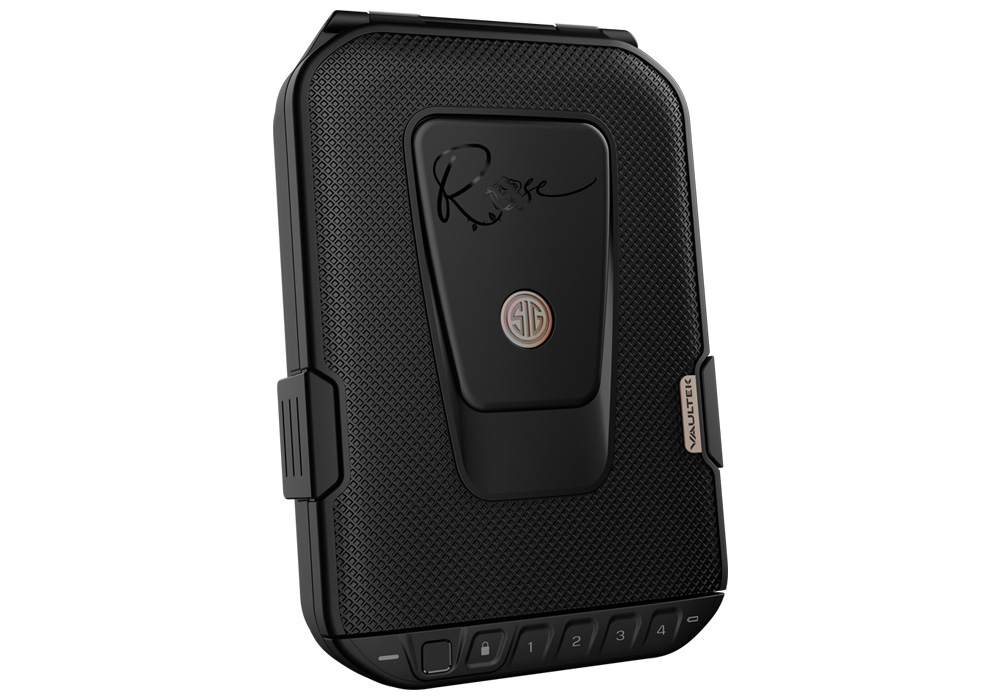
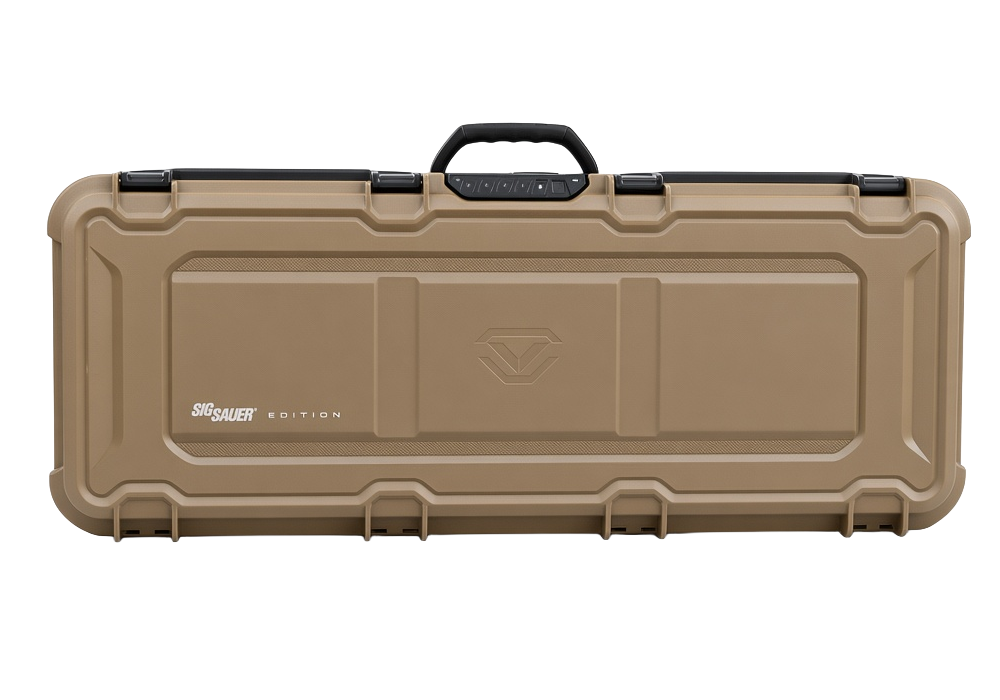
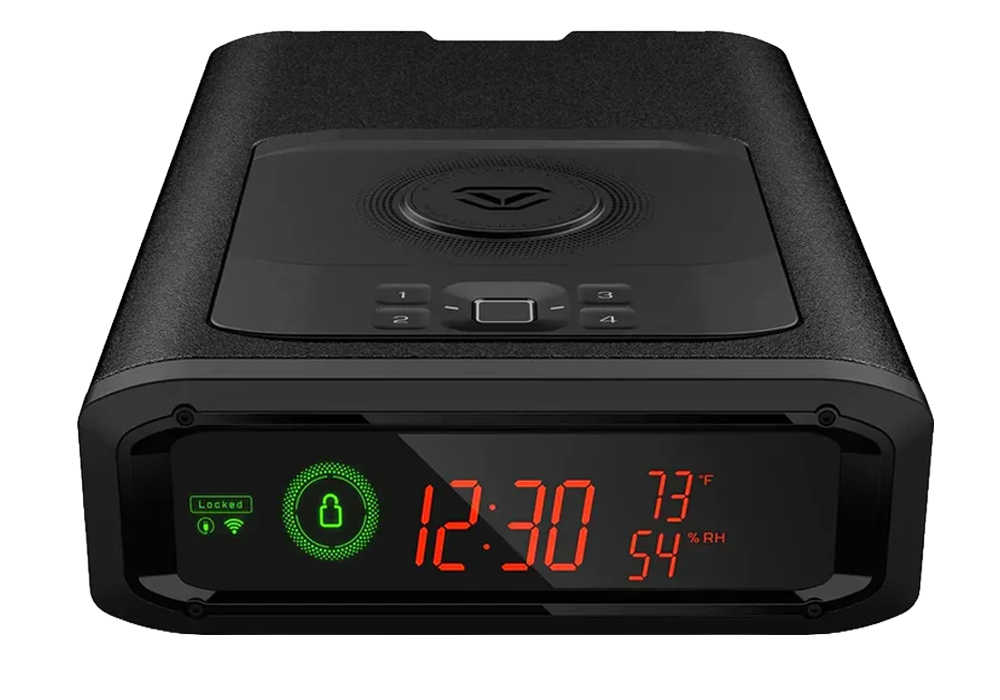
Equipment for gun storage includes locking safes and cabinets, firearm locks, protective cases, racks, interior organizers, and moisture-control accessories. Each serves a different purpose: an enclosure limits access, a fitted support keeps firearms separated, and a protective lining helps shield surfaces from contact during storage or transport. The Gun Storage category brings these needs together around secure placement, orderly interiors, and protection between uses. For a household with a single handgun, a compact locking enclosure may suit the available space; a collection of long guns calls for different interior dimensions, support heights, and room around stocks and barrels. Exterior measurements tell only part of that story. Door openings, shelf positions, lock housings, and interior hardware can reduce usable room, while mounted optics and other accessories can change how a firearm fits. A scoped rifle, for example, may need more clearance than its overall length suggests, particularly where a rack holds neighboring firearms close together. Steel enclosures offer a rigid structure, while hinges, locking components, and anchoring provisions contribute to the security of the complete installation. Weight alone does not establish resistance to forced entry, and fire protection should be evaluated through documented ratings rather than appearance or wall thickness. Mounting requirements also matter: an enclosure designed for attachment to a suitable surface has different installation needs from a portable locking case. Placement affects everyday use as well. A door needs room to swing open, shelves need to remain reachable, and a narrow closet can make a deep enclosure awkward to organize. The strongest match is equipment that fits both the firearms and the space without crowding either. Open racks and display supports can organize an already secured room, but they do not provide the access restriction of a locked enclosure. Likewise, padding and a sturdy handle can make a case useful for transport without giving it the same protective role as an anchored safe.
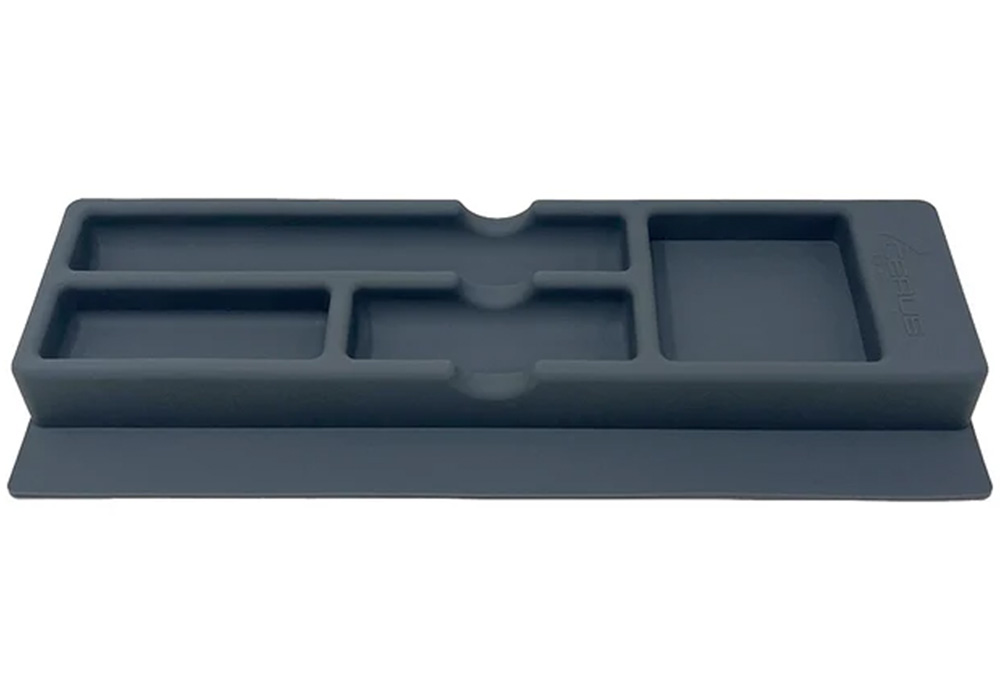
Materials and interior construction influence how storage equipment treats a firearm over time. Powder-coated steel, molded polymers, textile coverings, and cushioned liners each bring different advantages, from rigid support to lighter handling and protection against surface rubbing. Contact points deserve particular attention because they carry the firearm’s weight and can sit against the same finish for long periods. Smooth edges, stable dividers, and suitable padding help keep neighboring firearms from knocking together when one is removed. Long-gun supports need to accommodate differences in barrel length, stock shape, and overall balance; handgun organizers need enough separation for sights, controls, and grips. Adjustable layouts can be useful when a collection includes several firearm styles, provided shelves and supports remain within their stated load limits. Organization also extends beyond the firearms themselves. Separate compartments for documents, cleaning supplies, and other accessories can keep small objects from collecting around triggers or scraping against finishes. Ammunition belongs in its own locked storage, separate from unloaded firearms. Moisture management is another part of long-term care, especially inside an enclosure that stays closed between uses. Desiccant accessories and humidity indicators can help owners monitor and manage moisture, while some storage arrangements accommodate powered dehumidifying equipment according to the enclosure manufacturer’s requirements. These accessories support regular inspection rather than replace it. Firearms and cases need to be clean and dry before storage, since trapped moisture and residue can affect metal surfaces and interior materials. Soft linings also benefit from inspection for grit, wear, and retained moisture; a cushioned surface offers little protection if abrasive debris is pressed against a finish. Removable inserts can simplify cleaning when their care instructions allow it. Durable storage equipment combines a sound outer structure with interiors that remain supportive, clean, and usable through repeated opening, handling, and reorganization. The details become noticeable in ordinary use: a shelf that stays level under its rated load, a divider that holds its position, and enough clearance to remove one firearm without disturbing the rest.
Different owners place different demands on gun storage equipment. A recreational shooter may value a transport case that keeps equipment organized between home and the range, while someone with several long guns may prioritize adjustable racks and clear separation inside a secured enclosure. Households with children, visiting guests, or shared living spaces have a particular need to prevent unauthorized access, including access to keys and entry codes. Compact enclosures can fit limited spaces, but convenient placement should not come at the expense of secure mounting or controlled access. Mechanical and electronic locks offer different operating routines, and their suitability depends on documented performance, maintenance requirements, and the owner’s ability to manage keys, codes, batteries, or backup access as applicable. Fast entry features do not remove the need for a locked enclosure or careful access control. For collectors, interior flexibility and finish protection may matter as much as the outer dimensions, especially when firearms vary substantially in length or configuration. For owners who travel to a range, a locking case serves a different role from permanent home storage; transport requirements depend on the applicable laws and circumstances, and a vehicle is not a substitute for a dedicated secure storage location. Storage accessories can also be practical gifts for an established firearm owner when the intended use, available space, and firearm dimensions are known. An organizer that suits an existing enclosure is more useful than one that interferes with its door or locking mechanism. Across these settings, dependable equipment supports a consistent routine: firearms stored unloaded, access restricted to authorized people, and ammunition secured separately. Periodic checks of locks, mounting hardware, hinges, liners, and moisture-control accessories help keep that arrangement functional. Thoughtful gun storage leaves enough room for safe handling and clear organization while keeping firearms protected and inaccessible to anyone who should not have them.