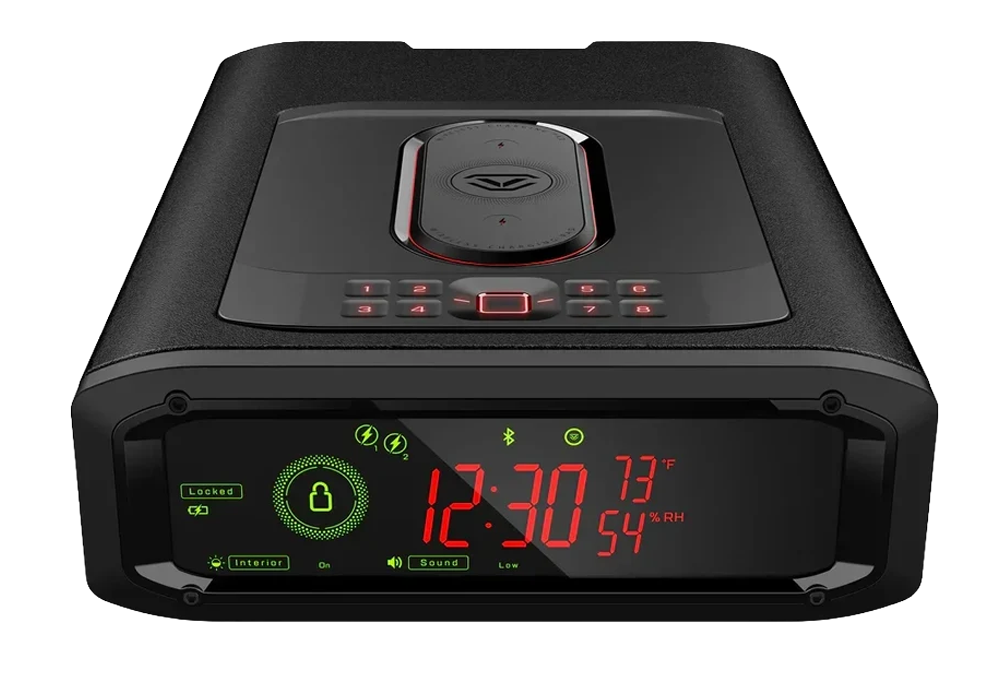
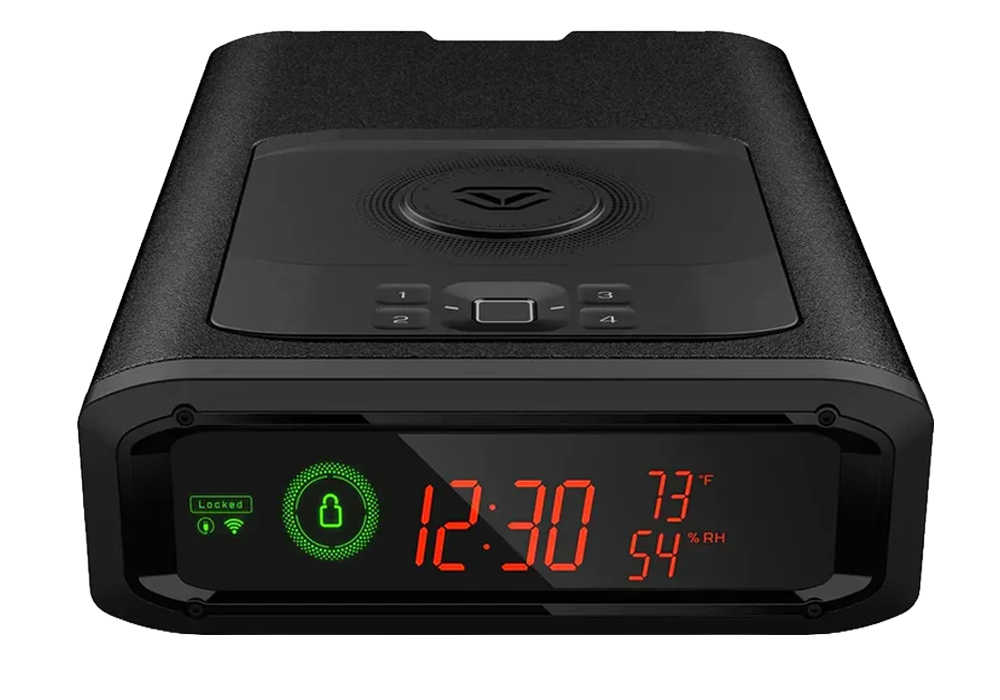
Practical gun storage ideas bring three priorities together: restricting unauthorized access, protecting firearm condition, and keeping the available space organized. Locking safes, security cabinets, compact lockboxes, and interior organizers serve different parts of that purpose. A full-height enclosure can accommodate long guns alongside adjustable shelving, while a smaller locking compartment may suit a handgun in a room where a larger safe would be impractical. Racks, shelf dividers, and door organizers help arrange the interior, but they do not replace a secure, locked enclosure. For households with children, visitors, or shared living spaces, responsible storage means keeping firearms unloaded and locked, with ammunition secured separately and keys or access credentials beyond unauthorized reach. Concealment alone is not a security feature; furniture that hides a firearm still needs an appropriate locking system and secure construction. The Home Gun Storage collection provides a related starting point for considering storage within a residential setting. Steel construction, reinforced locking areas, protected hinges, and suitable anchoring provisions are useful points of comparison, although overall security depends on the complete design and installation rather than appearance or weight alone. A tall cabinet in a closet, for example, needs enough clearance for its door to open without striking shelving or blocking access to the room. A compact lockbox needs a stable location and an anchoring method consistent with its instructions. Keyed, mechanical, and electronic locks each introduce different considerations, from key control to battery maintenance and backup access. Any documented security or fire-resistance testing deserves closer attention than broad protective claims, and fire resistance should not be treated as a guarantee against every possible loss. Storage that fits the household also accounts for who is authorized to access it, how credentials are managed, and whether the enclosure can remain locked whenever it is not in use. These practical details matter as much as the enclosure’s exterior dimensions.
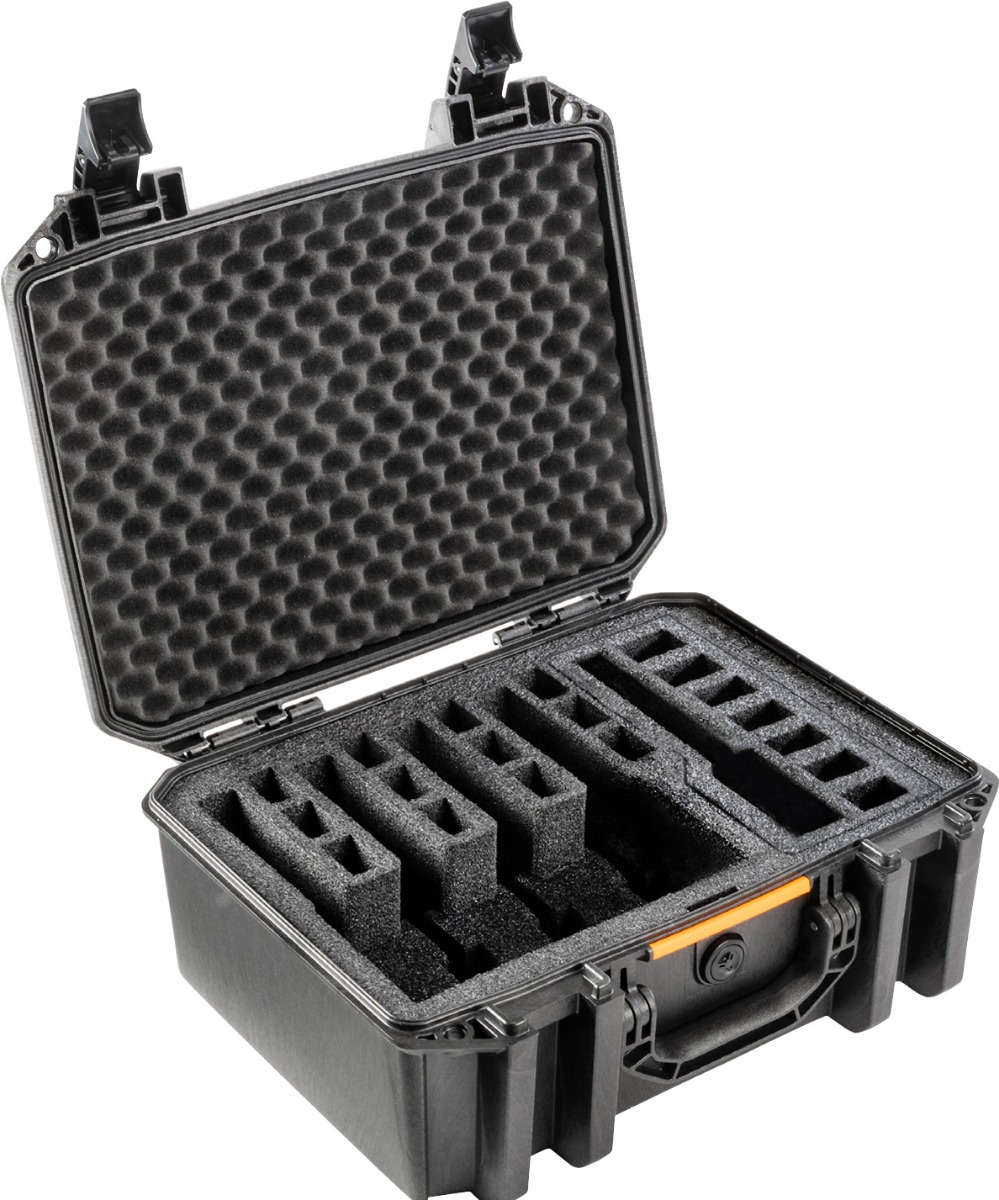
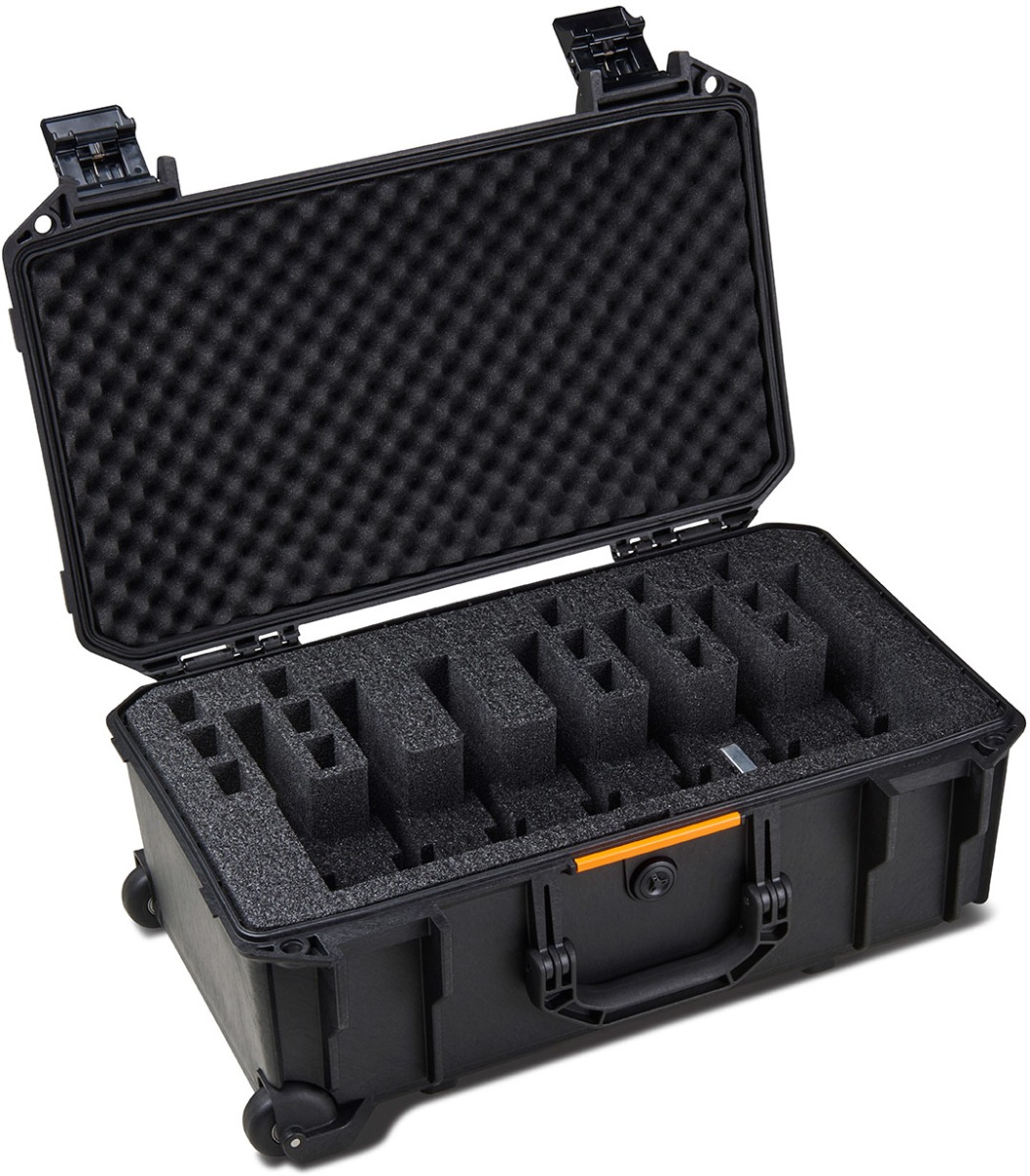
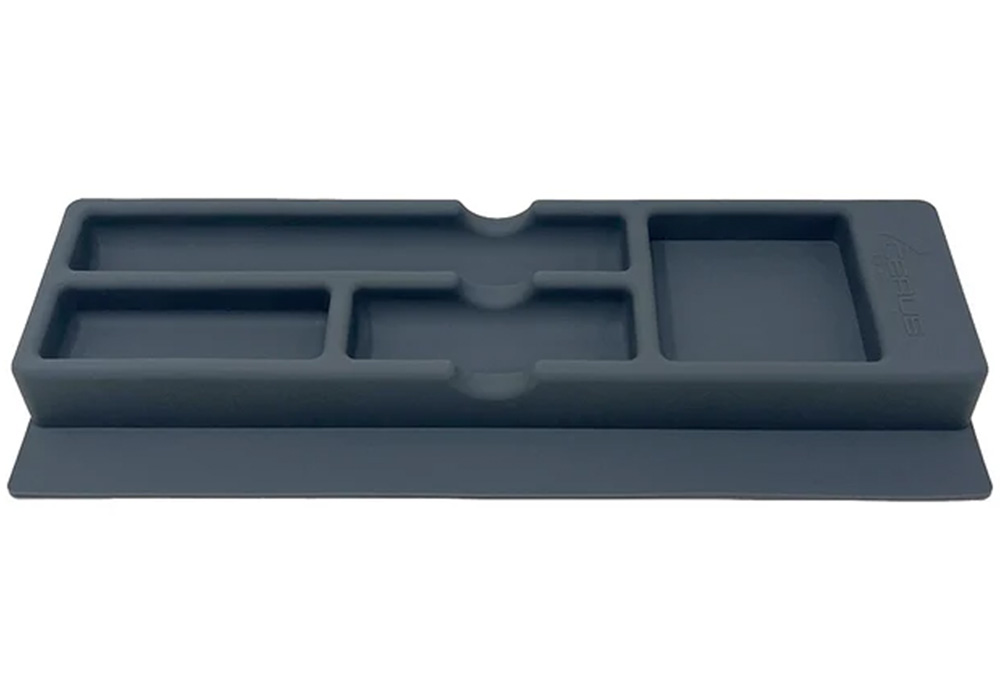
Inside a safe or cabinet, effective firearm organization depends on usable dimensions rather than the number of positions shown in a photograph. Long guns with mounted optics, wider stocks, or other accessories may need additional spacing, while shorter firearms can require adjustable supports to remain upright without leaning against neighboring equipment. Interior height, shelf depth, doorway width, and the path of the closing door all affect fit. A rifle that clears the top shelf may still interfere with a door pocket, and a handgun rack that fits an empty shelf may become awkward once the shelf above it is installed. Modular racks and adjustable shelves offer flexibility when a collection changes, helping separate long guns, handguns, magazines, and maintenance supplies without turning the interior into a stack of overlapping equipment. Individual supports can limit contact between finishes and keep firearms from resting against one another. Smooth polymer, coated metal, and lined contact surfaces each have useful characteristics, but edges, seams, and exposed hardware deserve attention wherever they meet a firearm. Soft lining offers cushioning, while firm supports help maintain separation; neither should interfere with secure placement or put pressure on controls. Door-mounted organizers can keep small accessories visible, provided their weight and thickness remain within the enclosure’s specifications and leave the locking mechanism unobstructed. Magnetic accessories may help arrange compatible equipment, but their holding strength, mounting surface, and protective covering need to suit the intended load. For a household sharing one enclosure, clearly separated storage areas can keep frequently used accessories from becoming mixed with cleaning supplies or other equipment. Labels on bins or shelf sections can make the arrangement easier to maintain without advertising the contents outside the locked space. The most useful interior layouts preserve a clear view of each storage position, allow firearms to be placed and removed without scraping adjacent surfaces, and leave enough room to close and lock the enclosure freely.
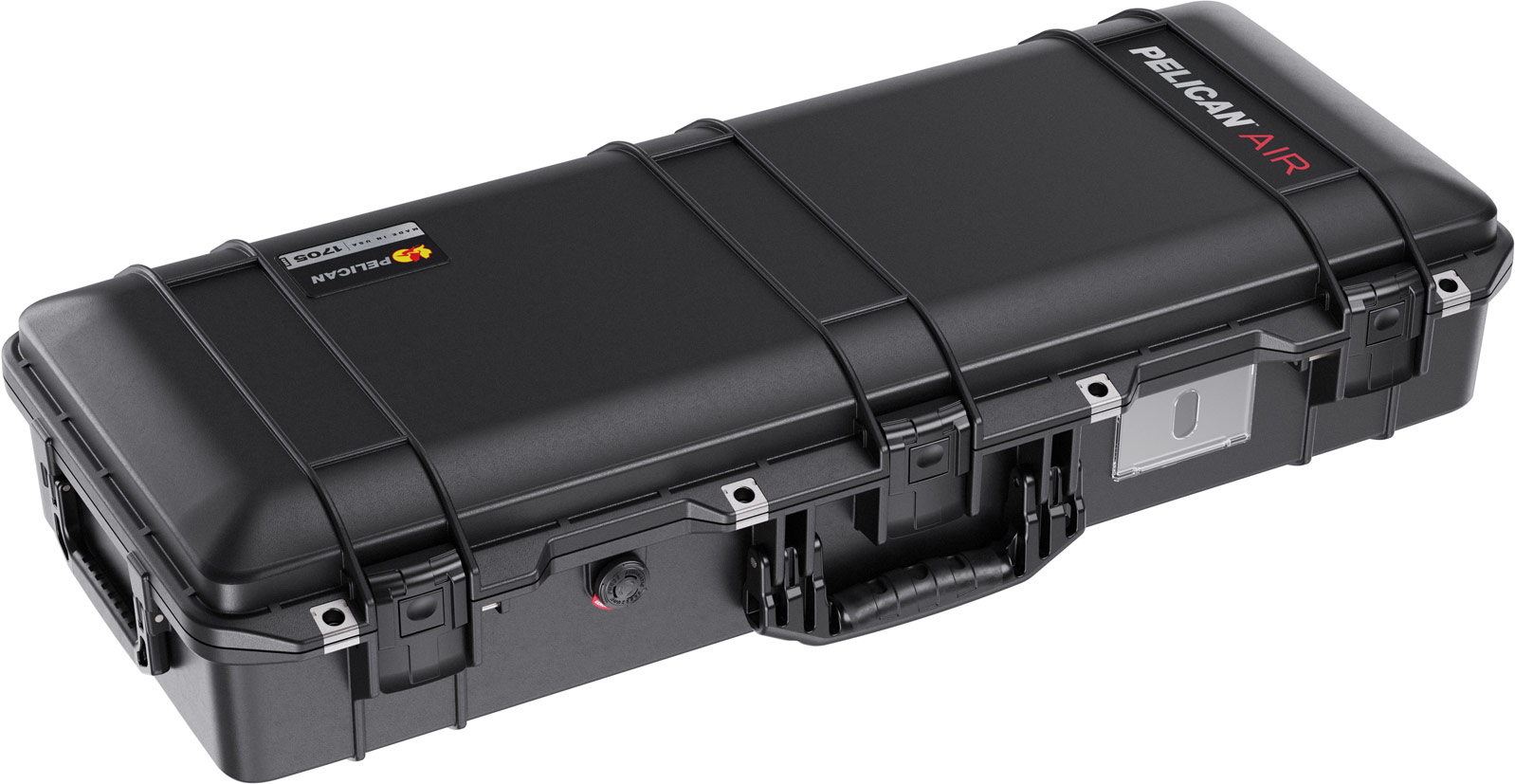
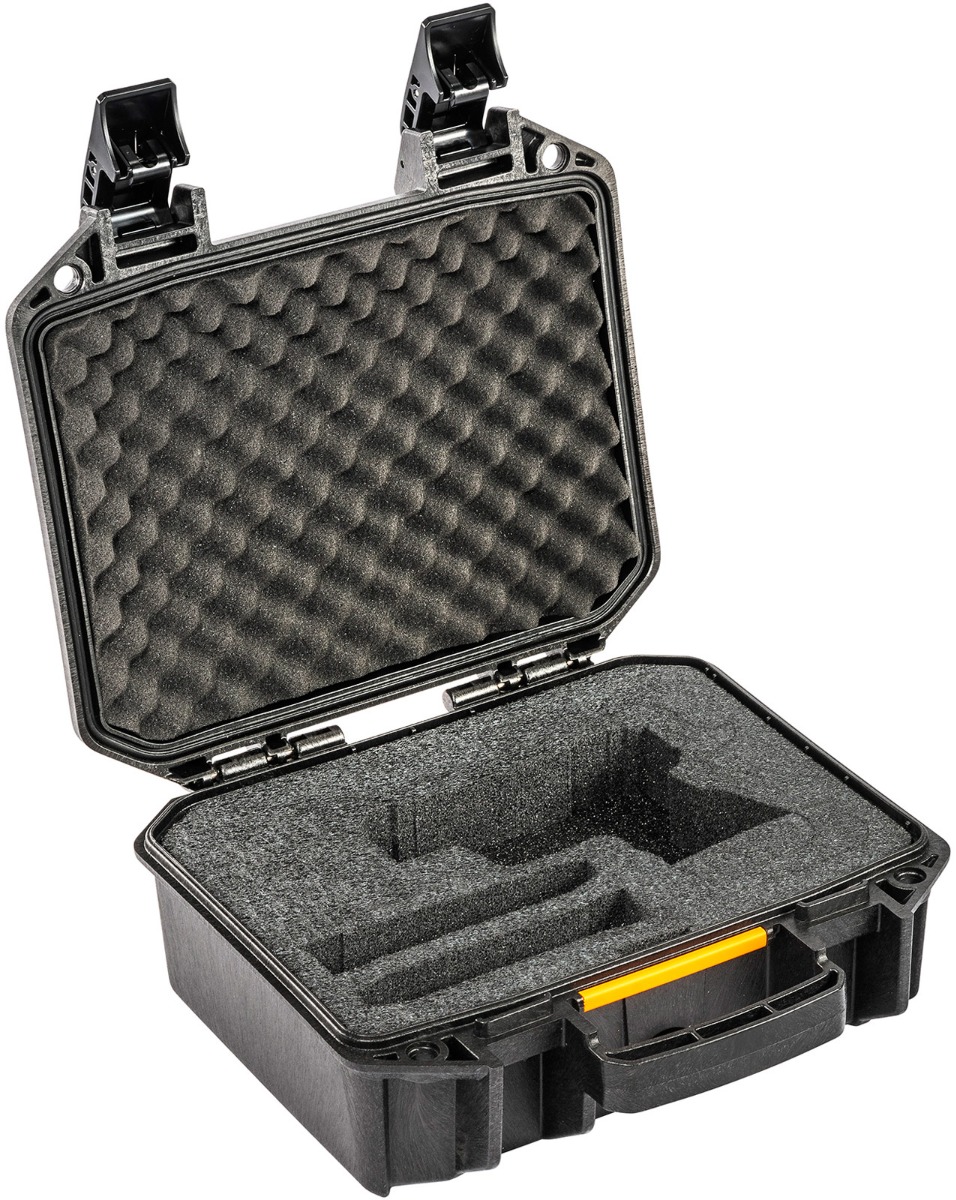
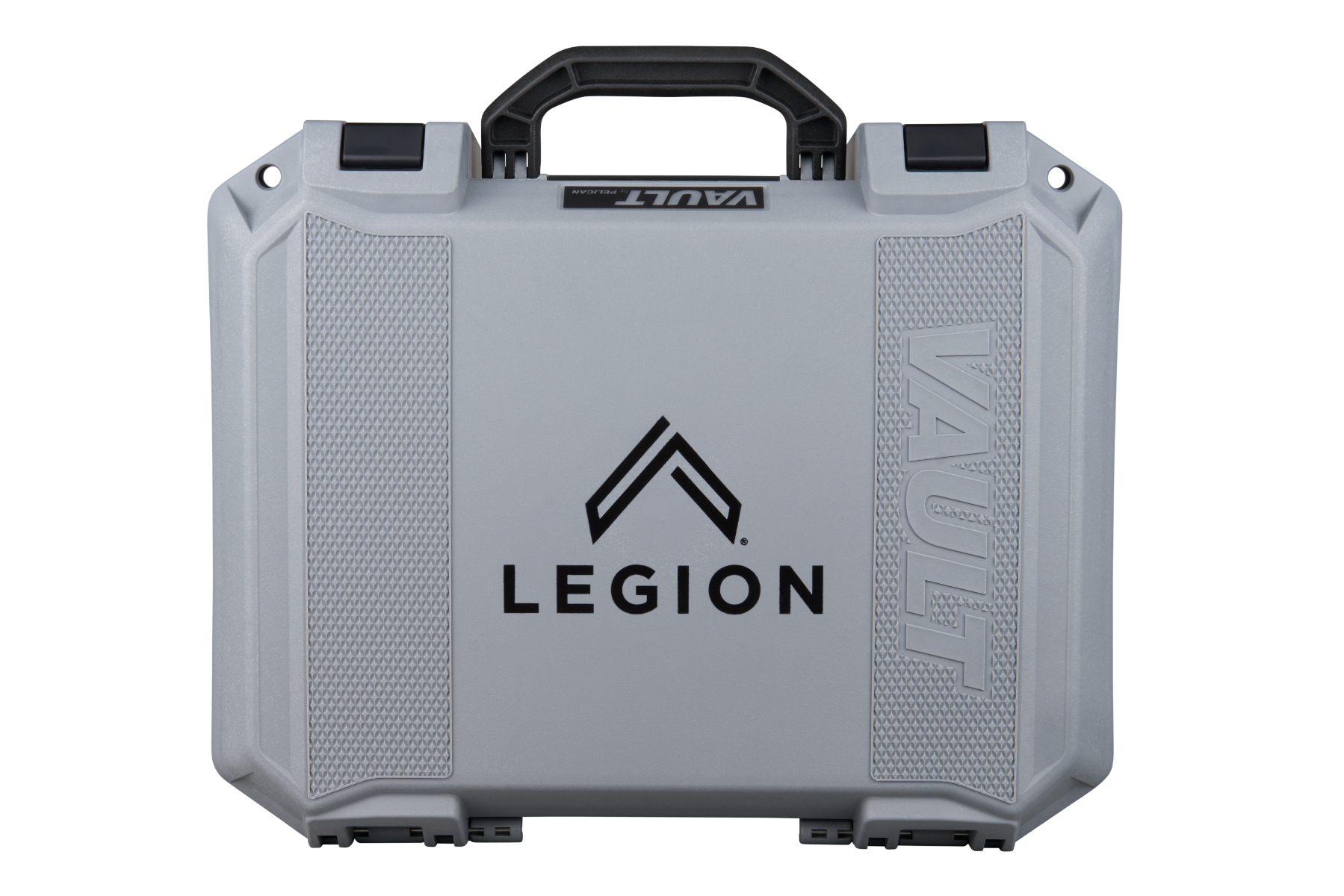
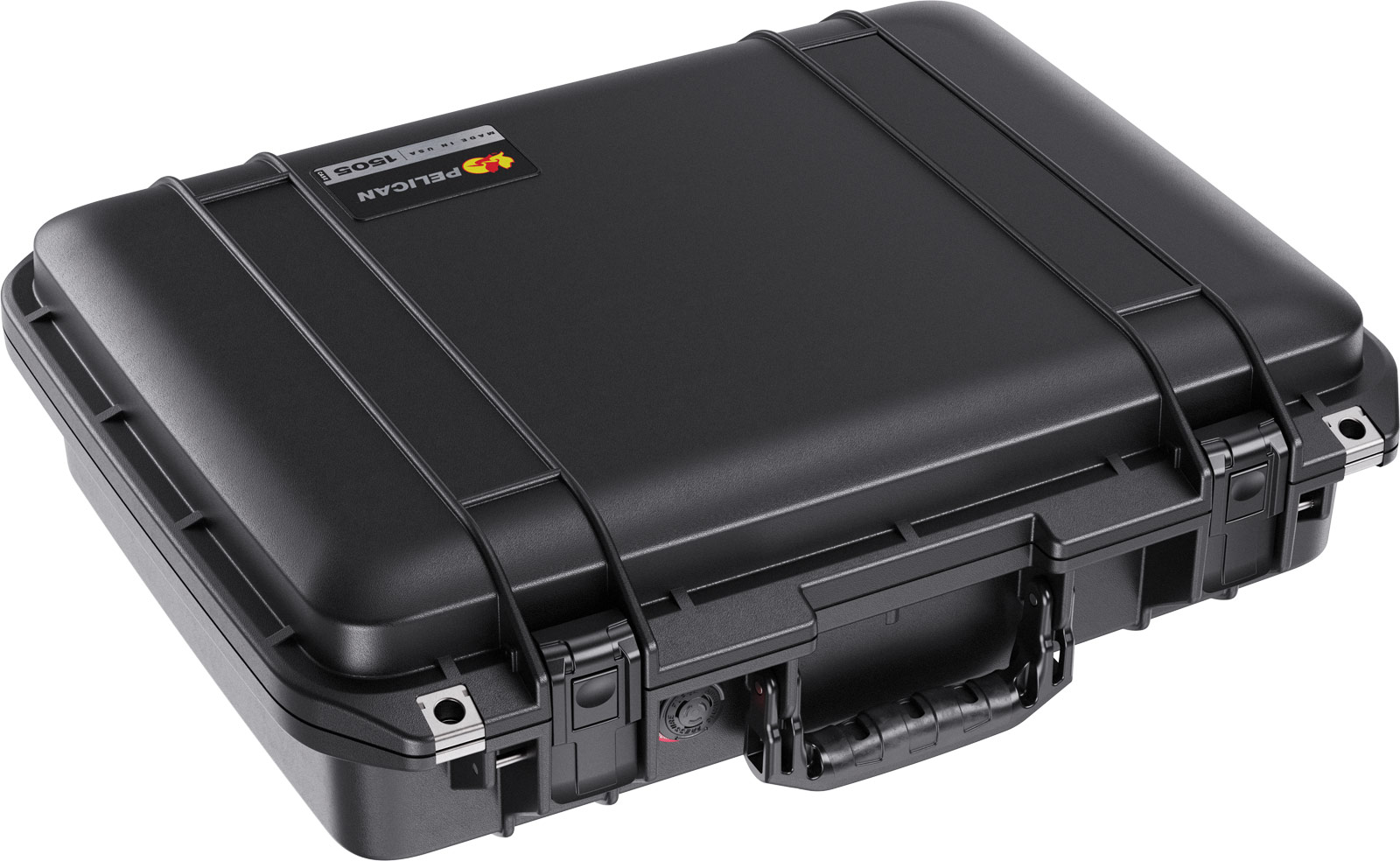
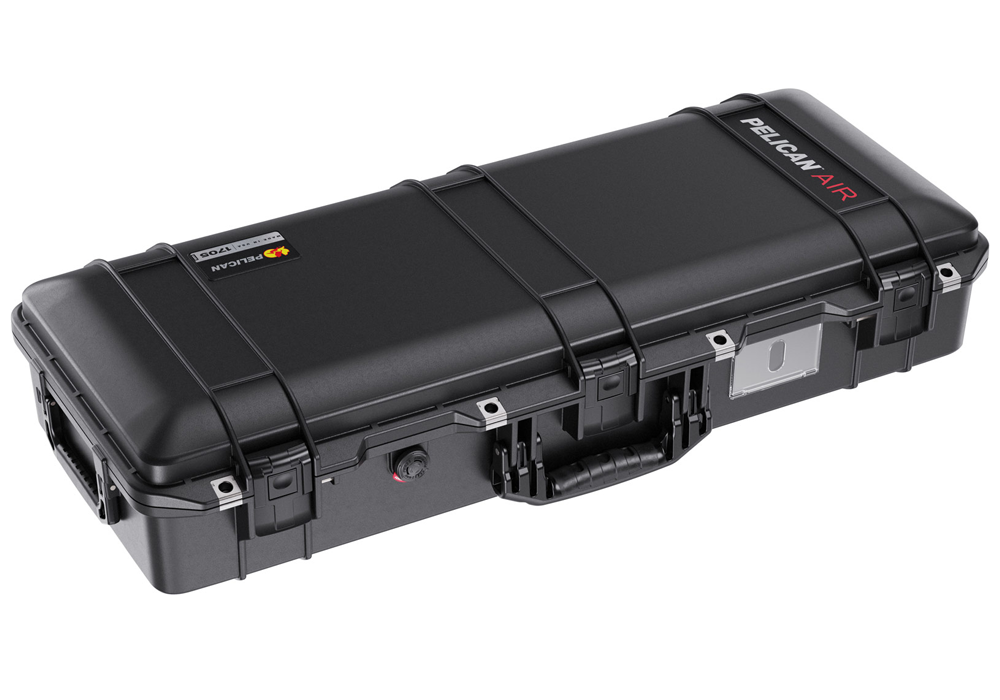
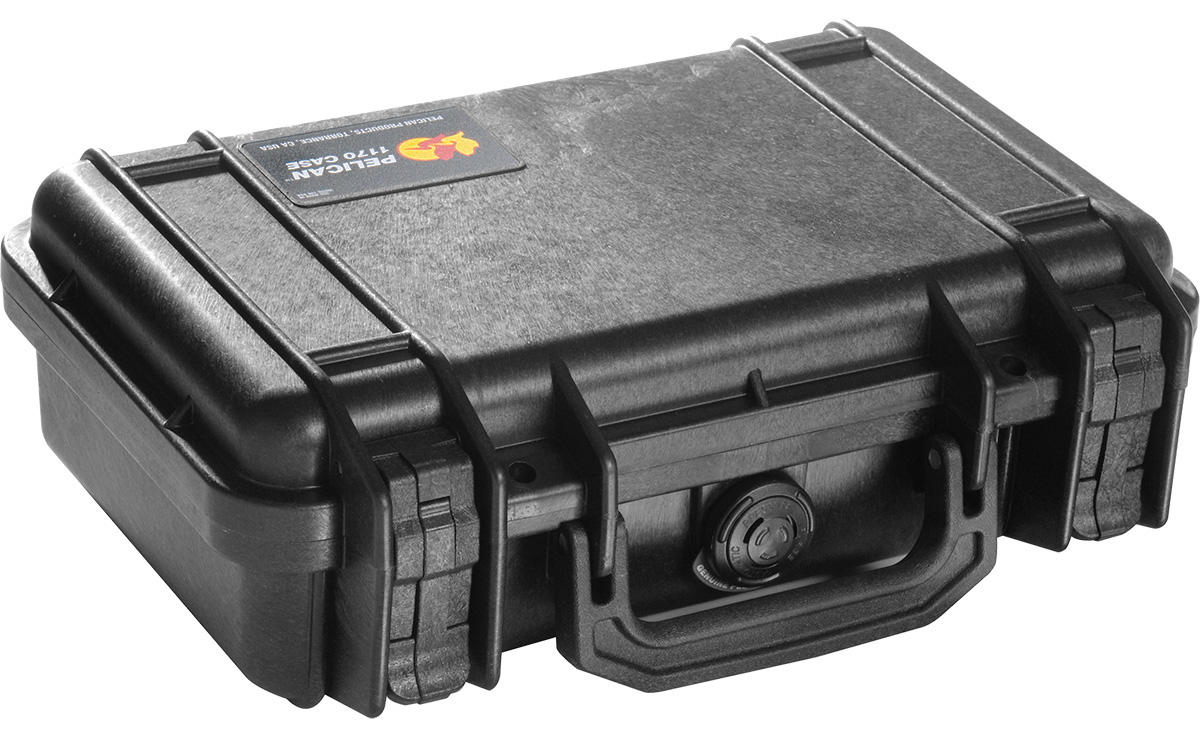
Materials and care influence how well gun storage performs over time. Powder-coated steel can offer a durable exterior, while interior fabrics, foam inserts, and polymer trays vary in how they handle abrasion, cleaning residue, and prolonged contact with firearm finishes. Compatibility with protective oils and cleaning solvents matters, especially where padded supports touch metal or wood. Storage surfaces should remain clean and dry, and any interior moisture-control accessory needs maintenance according to its instructions. A moisture indicator can help show when attention is needed, but it does not replace regular inspection of the enclosure and its contents. Foam that feels dry on the surface may still retain moisture after exposure, so padded transport cases are not automatically suitable for unattended, long-term storage. Locking cases serve a different role from anchored residential enclosures: they can protect equipment during travel and help keep components organized, but their suitability depends on the journey, the locking arrangement, and applicable requirements. Someone carrying an unloaded firearm to a range may value a rigid shell, protected corners, a dependable handle, and an interior that prevents movement. Someone organizing a permanent storage space may place greater importance on adjustable shelving, secure mounting, durable supports, and unobstructed access to the lock. Ammunition storage also benefits from a separate locked enclosure that protects packaging and keeps different types clearly identified. Manuals, maintenance records, and access information need their own thoughtful placement, with sensitive credentials kept away from unauthorized users. As a practical gift for a firearm owner, a locking storage accessory or compatible interior organizer can be useful when its dimensions and intended role are known; guessing at fit can leave a rack unusable or a case too shallow for mounted accessories. Across these uses, good gun storage is a coordinated arrangement rather than a single feature. Secure construction, suitable fit, consistent locking habits, and straightforward care work together to protect firearms while maintaining an orderly space.