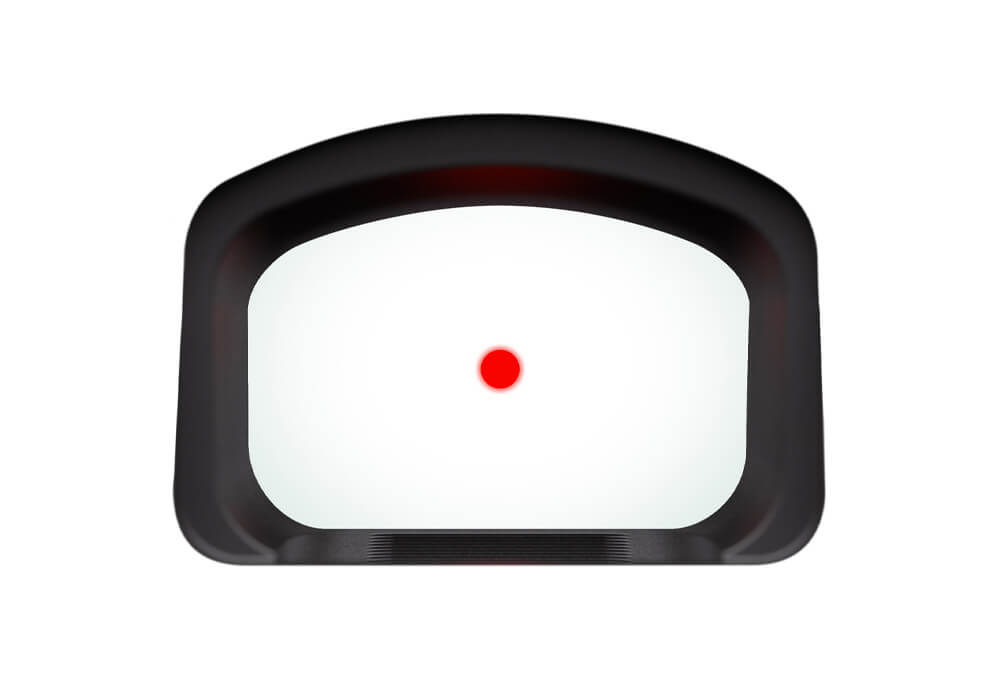
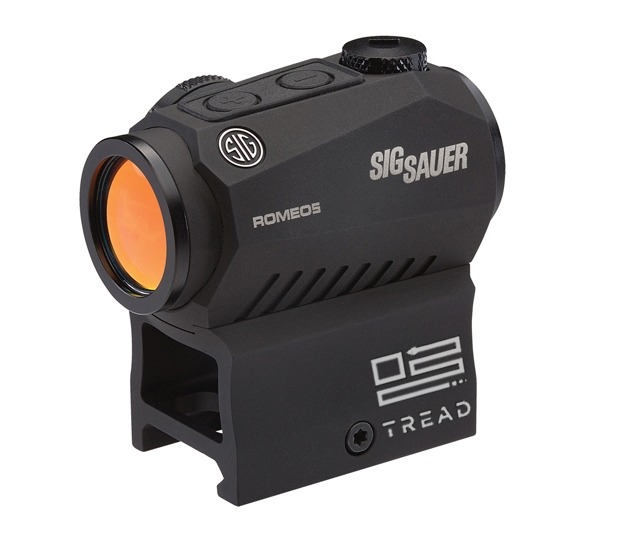
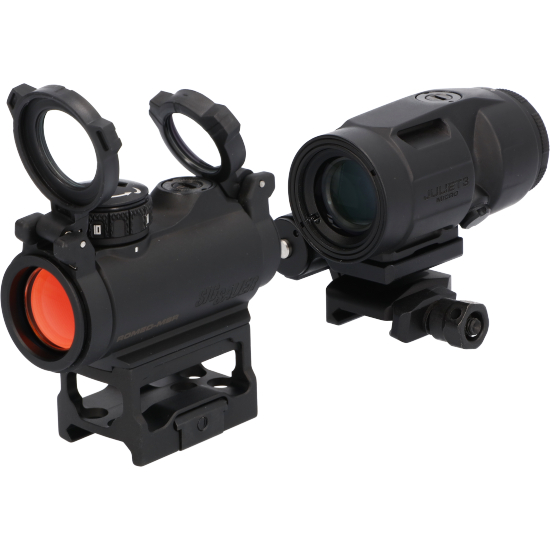
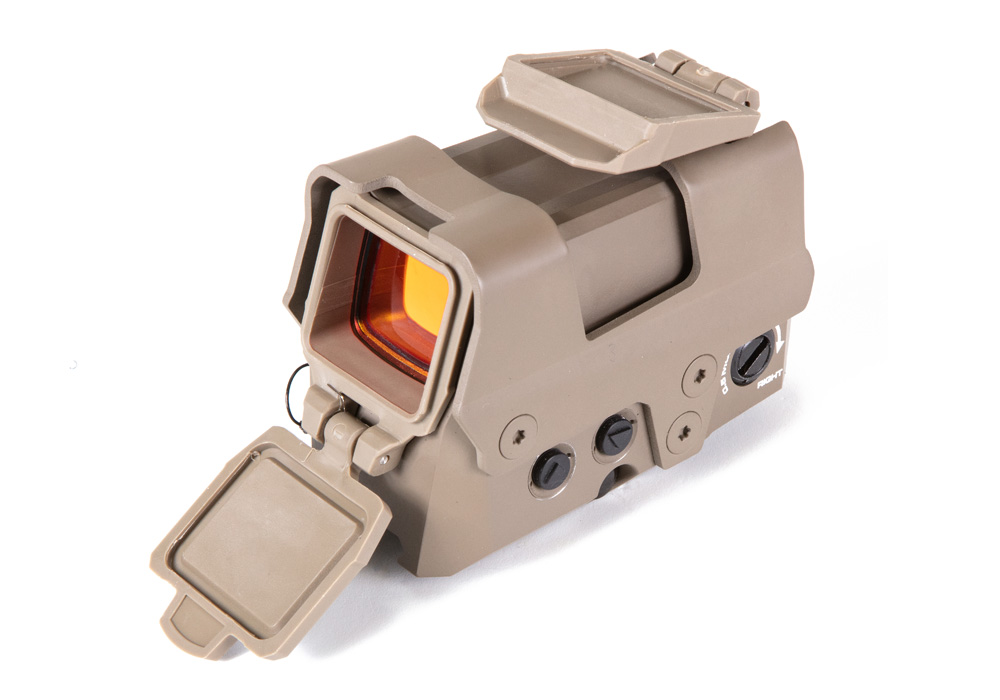
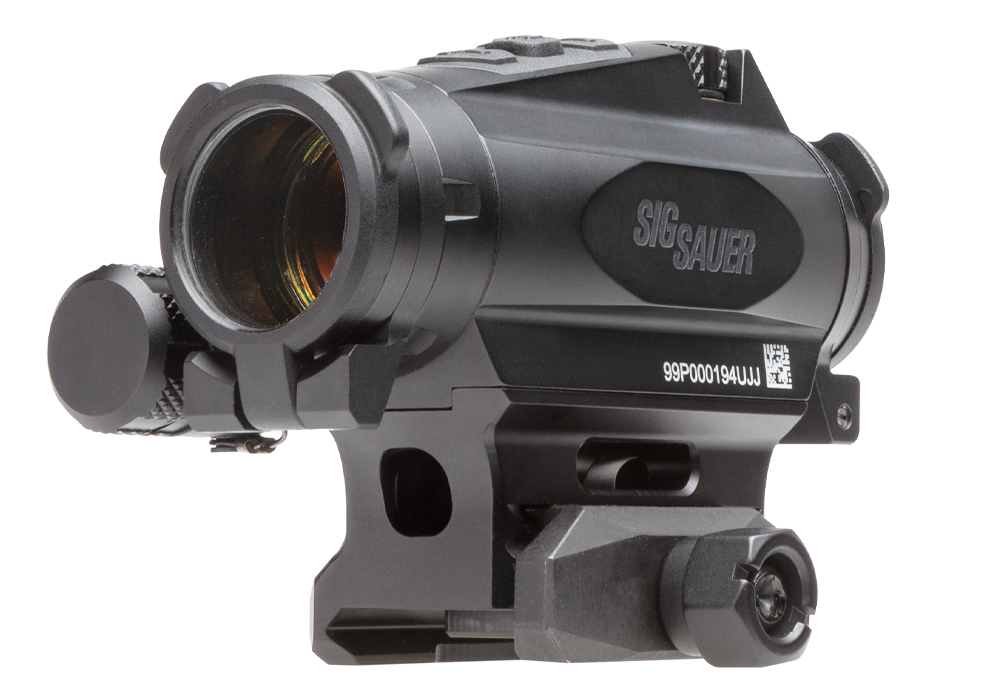
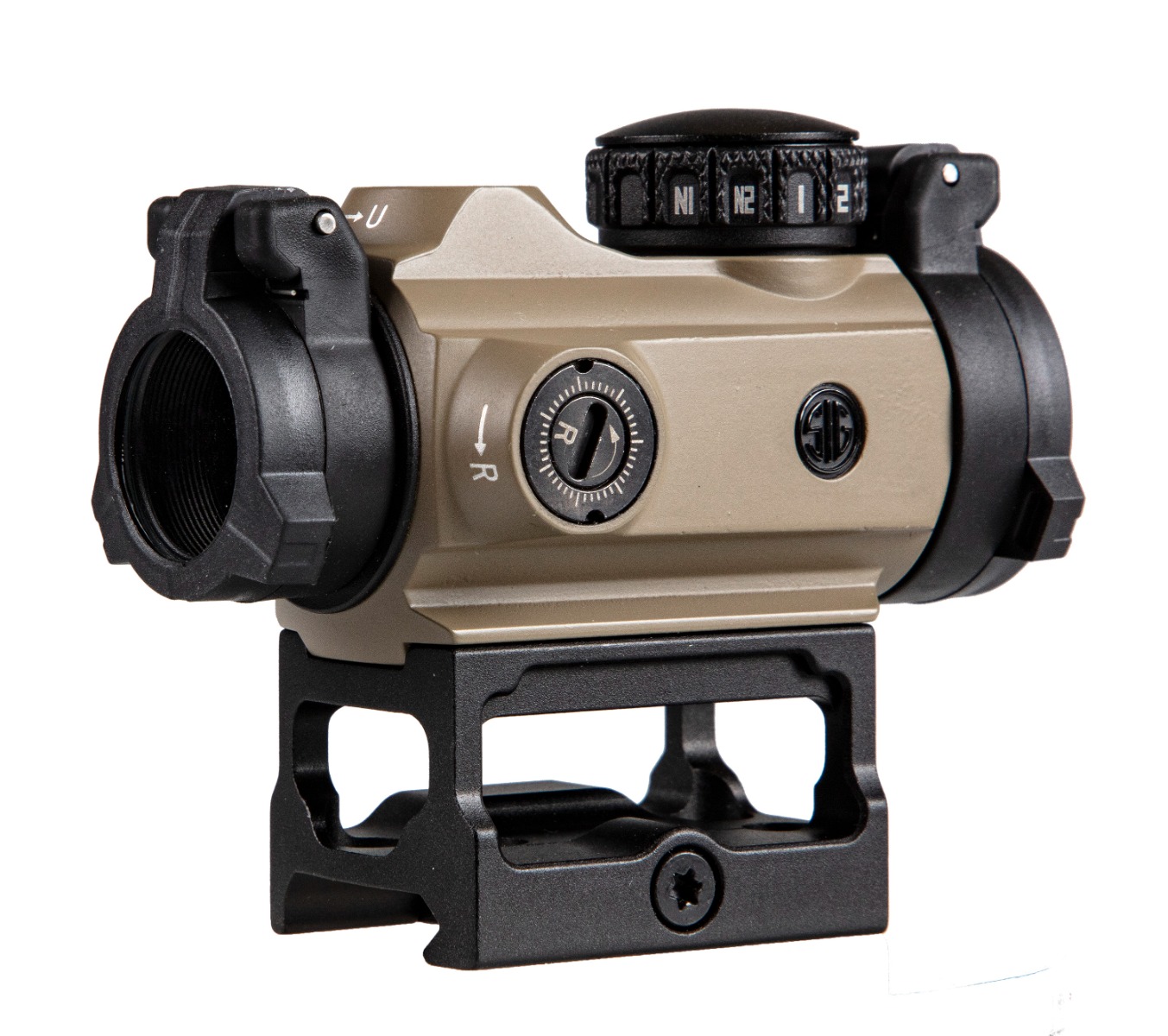
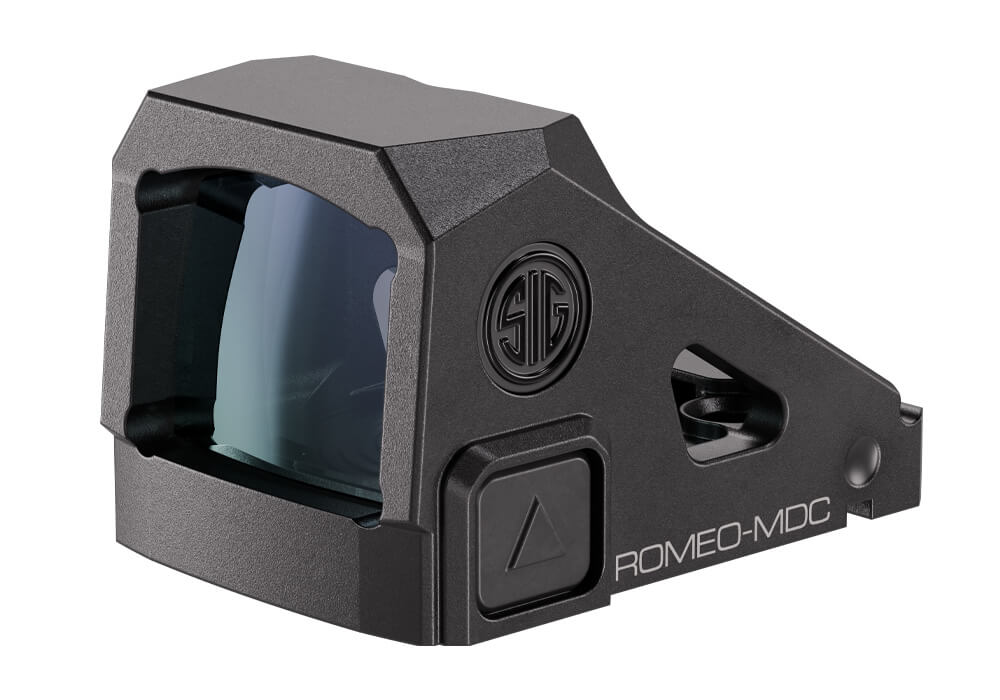
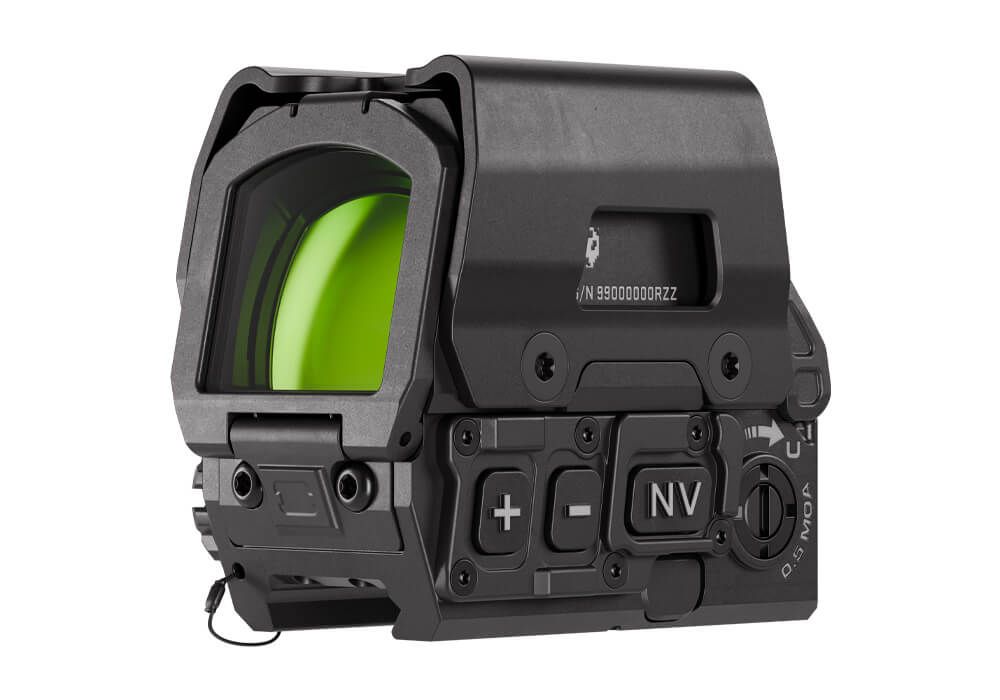
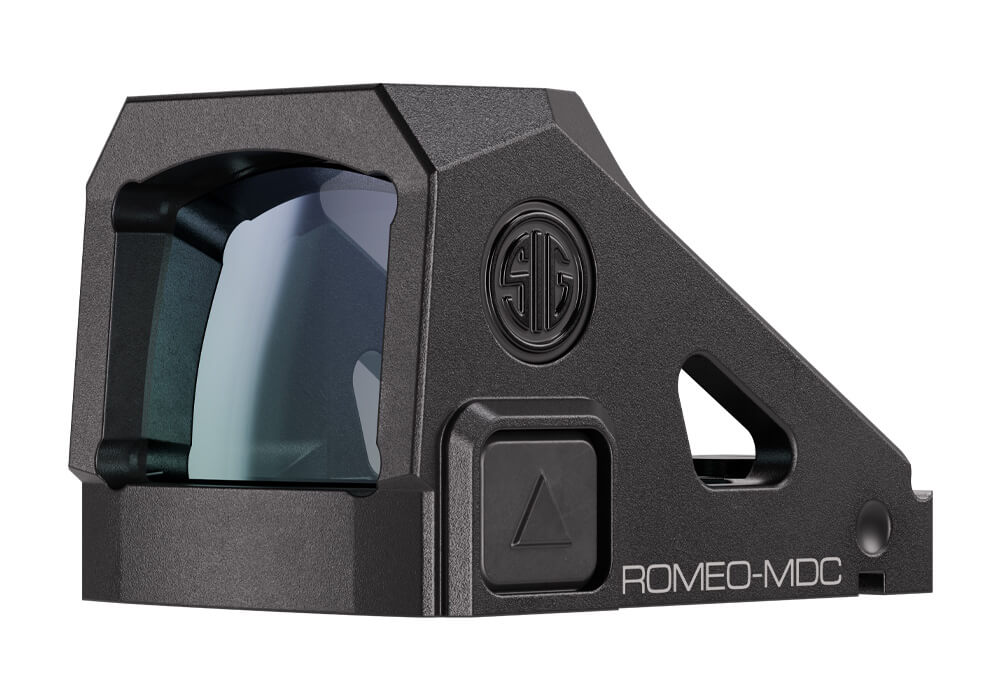
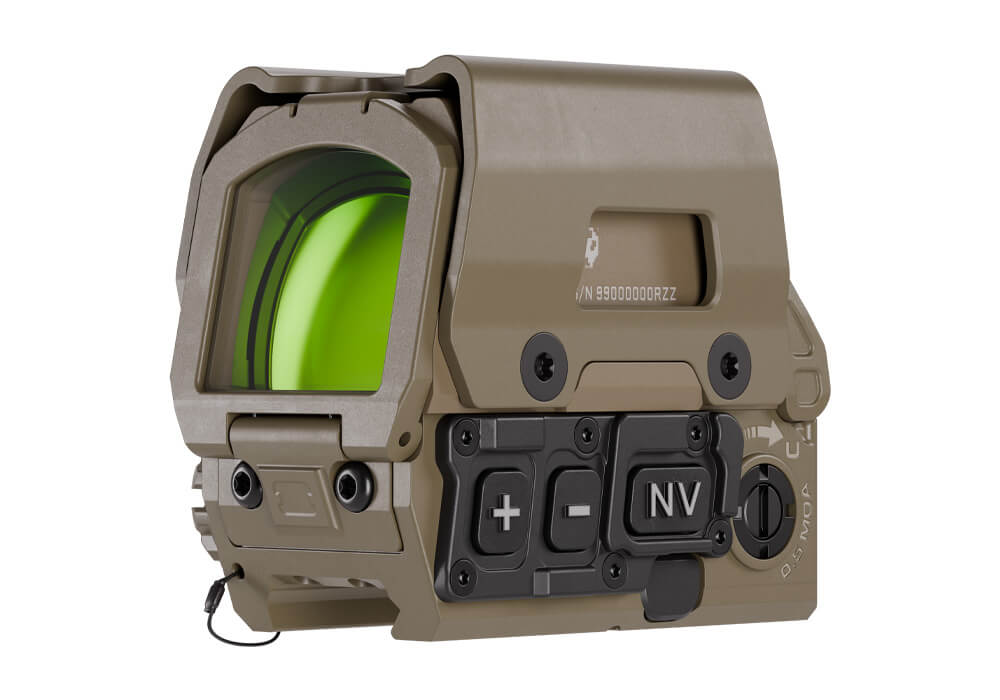
Corrosion-resistant red dot sights for handguns are designed for shooters who need dependable aiming performance through sweat, rain, humidity, dust, and the everyday exposure that comes with carrying and training. A handgun optic may ride close to the body for hours, where perspiration and body oils can collect around the mounting area, battery compartment, adjustment controls, and housing seams. During the cooler months, a pistol may also move between warm indoor spaces and damp outdoor conditions, creating condensation that deserves consideration when selecting an optic. Corrosion resistance does not mean an optic is maintenance-free or completely immune to damage, but a well-sealed sight with a durable housing and protective finish can provide an important layer of defense against moisture and surface oxidation. Look for construction details such as a hard-anodized aluminum or titanium housing, sealed electronics, protected adjustment areas, and a closed-emitter design. A closed emitter keeps the LED projector enclosed rather than exposed beneath an open window, helping prevent rain, lint, dust, and debris from obstructing the reticle. This can be especially useful for concealed carriers, law enforcement professionals, armed security personnel, and outdoor shooters who may encounter clothing fibers, holster debris, wet vegetation, or blowing grit. Waterproof or water-resistant ratings are also useful points of comparison, although the rating should be considered alongside the optic’s mounting system, battery access, lens protection, and overall construction. Even the most rugged sight benefits from a quick wipe after a wet range session, careful inspection of the mounting screws, and storage in a dry environment when it is not in use.
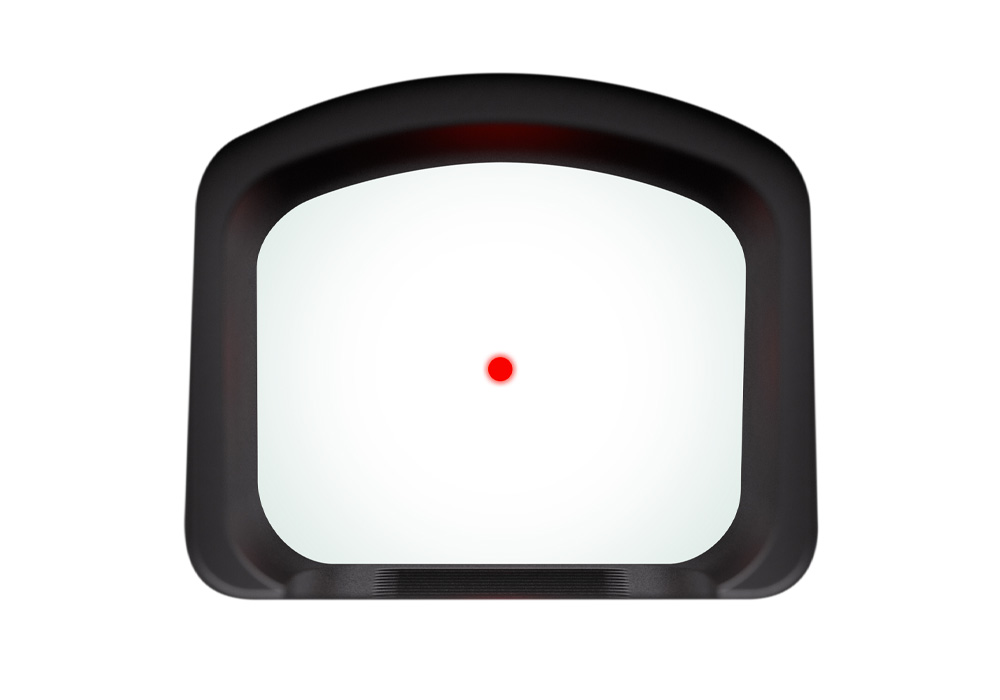
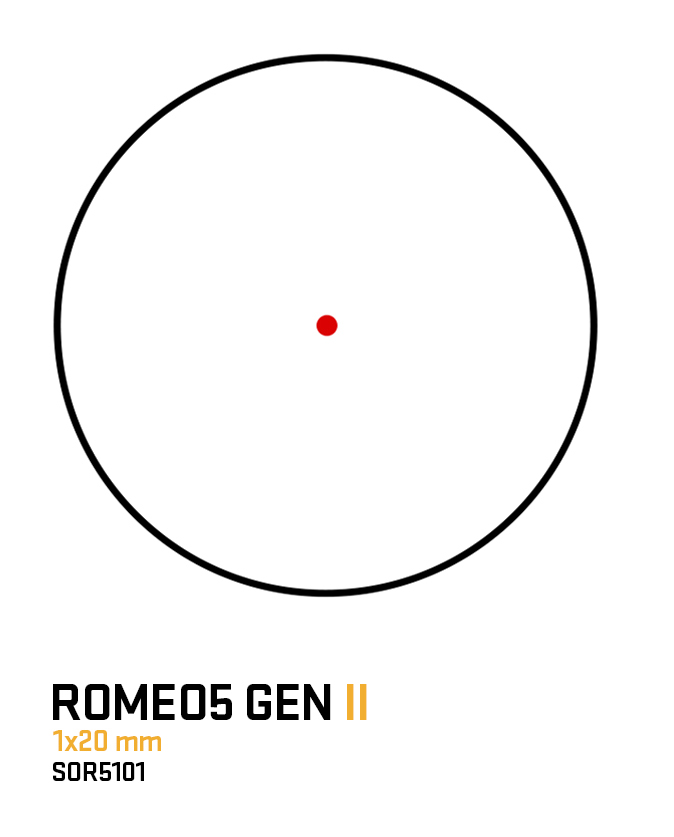
Choosing the right corrosion-resistant red dot sight for a handgun begins with matching the optic to the pistol, holster, and intended role. Confirm the slide cut or mounting plate pattern before purchase, since compatibility determines whether the sight can be installed securely and whether replacement plates or adapter hardware will be needed. A low-profile optic can support a cleaner presentation from the holster and may allow the use of suppressor-height iron sights for a co-witnessing reference. Window size, overall height, and sight shape also affect how naturally the dot appears during the draw. Shooters who practice defensive presentations often appreciate a bright, easily located aiming point, while those focused on precision may prefer a finer dot or a reticle with additional aiming references. Common dot sizes serve different preferences: a smaller point can support precise shots at distance, while a larger point may be faster to pick up during close-range practice. Adjustable brightness is valuable when moving between indoor and outdoor lighting, and automatic brightness modes can be convenient, though many users prefer manual control for consistent training. Battery life, battery placement, and the ability to replace the battery without removing the optic can matter just as much as the stated runtime. A top-loading or side-access battery compartment can help preserve zero by reducing the need to disturb the mounting system. For shooters who train in low light, night-vision-compatible settings may be worth considering, while a strong daytime setting is important for bright outdoor conditions. A corrosion-resistant finish helps protect the exterior, but the optic should still be checked around screws, edges, and contact points after exposure to sweat or water. A small amount of preventative care—wiping away moisture, following the manufacturer’s torque specifications, and using appropriate thread treatment—can make a noticeable difference over years of regular use.
These optics can serve a wide range of handgun owners, from someone setting up a first optics-ready carry pistol to an experienced competitor refining a familiar platform. A concealed carrier may value a sealed emitter and rugged finish because the pistol is exposed to daily movement, perspiration, and repeated holster draws. A duty user may prioritize impact resistance, clear glass, positive controls, and a design that remains functional after training in poor weather. Range shooters often look for a generous viewing window, crisp illumination, and straightforward adjustments that make it easier to track shots and confirm zero. They can also be a thoughtful gift for a responsible handgun owner who has an optics-ready pistol, particularly when the recipient already has a preferred mounting footprint and knows whether an open or enclosed emitter suits their routine. As with any firearm accessory, the gift should be selected with the recipient’s platform, training goals, and local laws in mind rather than based on appearance alone. Shooters who split their time between practical drills and organized matches may also want to compare this category with Durable Red Dot Sights for Competition, where priorities can include fast transitions, a wide field of view, and competition-focused features. Regardless of use, a corrosion-resistant handgun red dot should be mounted by following the optic and firearm manufacturer’s instructions, secured with the correct hardware and torque, and confirmed at the range before being relied upon. A few minutes spent checking zero, reticle brightness, lens condition, and battery status before a training session can help keep the sight ready when the weather turns wet, the range is covered in morning dew, or the pistol moves from a warm vehicle into crisp outdoor air.