CQB optics are designed for close-quarters battle and other short-distance shooting applications where quick target acquisition, a generous field of view, and clear aiming references matter more than extreme magnification. In practical terms, these optics are commonly used at distances from a few yards out to roughly 50 or 100 yards, depending on the firearm, ammunition, shooter, and environment. A properly selected optic can make it easier to keep both eyes open, maintain awareness of the surrounding area, and place the reticle on target without losing valuable time searching through a narrow sight picture. That combination makes CQB optics popular for defensive carbines, patrol and duty rifles, training platforms, competition firearms, and range setups used for drills that emphasize movement and speed. They may also suit an experienced shooter looking for a thoughtful gift, particularly when the recipient spends time training with a rifle or pistol-caliber carbine and has already established a preferred mounting system. Before choosing, confirm the optic is compatible with the firearm, rail pattern, mount height, and intended ammunition, and always follow applicable laws, safe-storage requirements, and range rules. An optic should support sound fundamentals rather than replace them: a stable shooting position, proper trigger control, dependable safety habits, and regular practice remain essential. For a compact platform with limited rail space, explore Compact Optics for AR Pistols to compare options suited to smaller configurations.
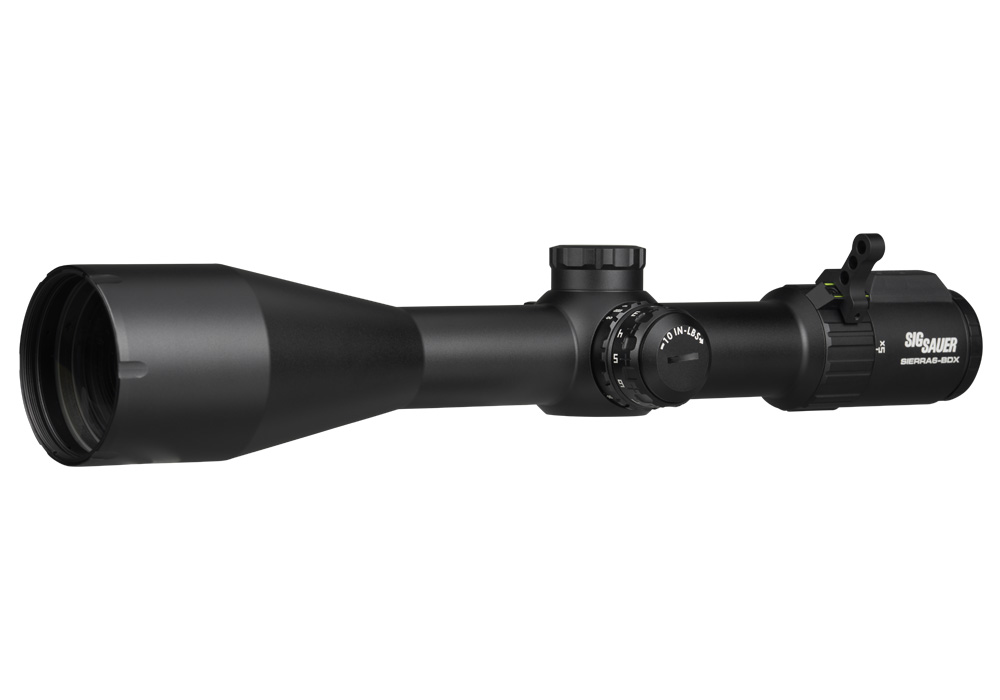
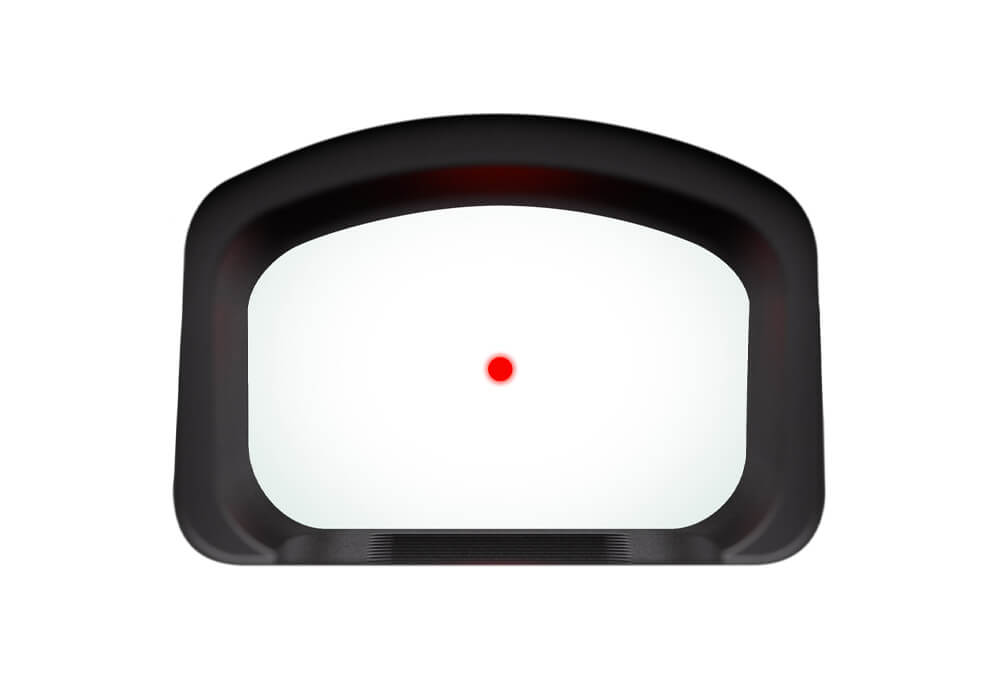
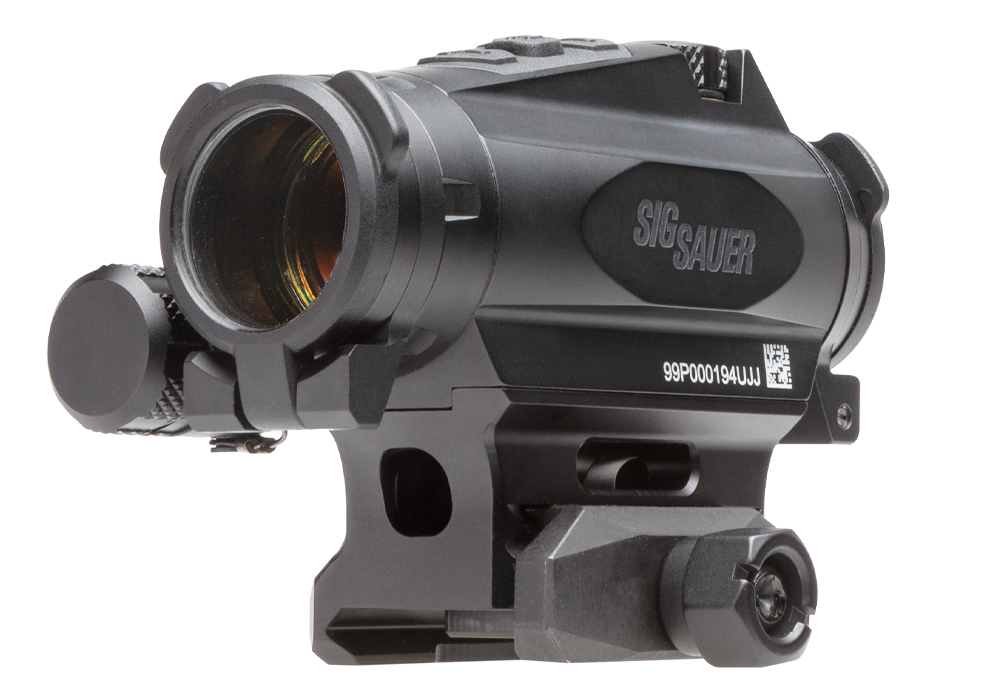
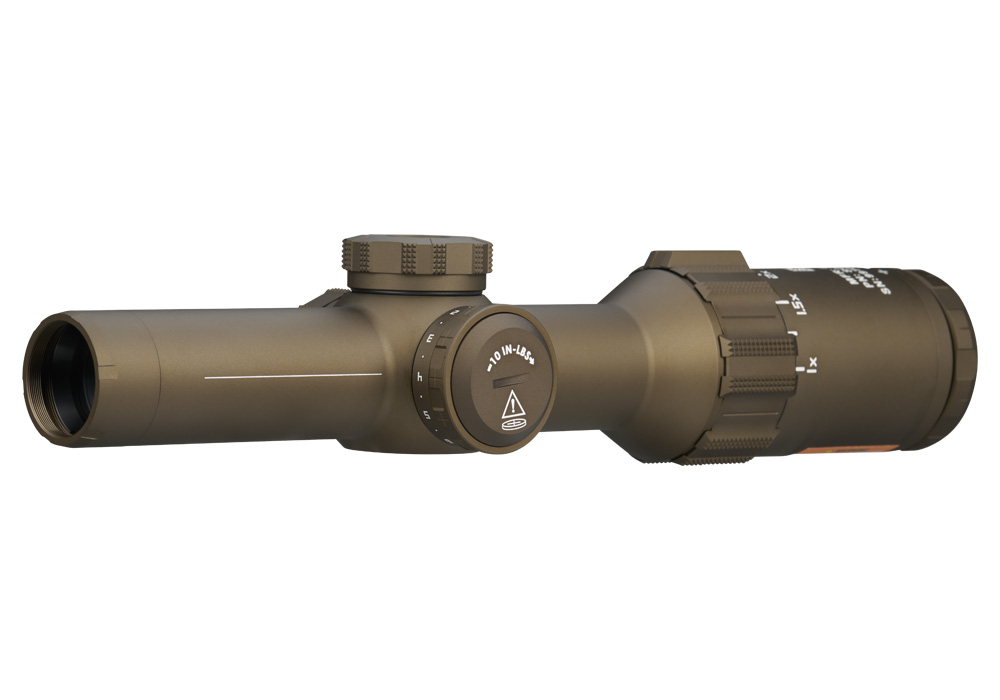
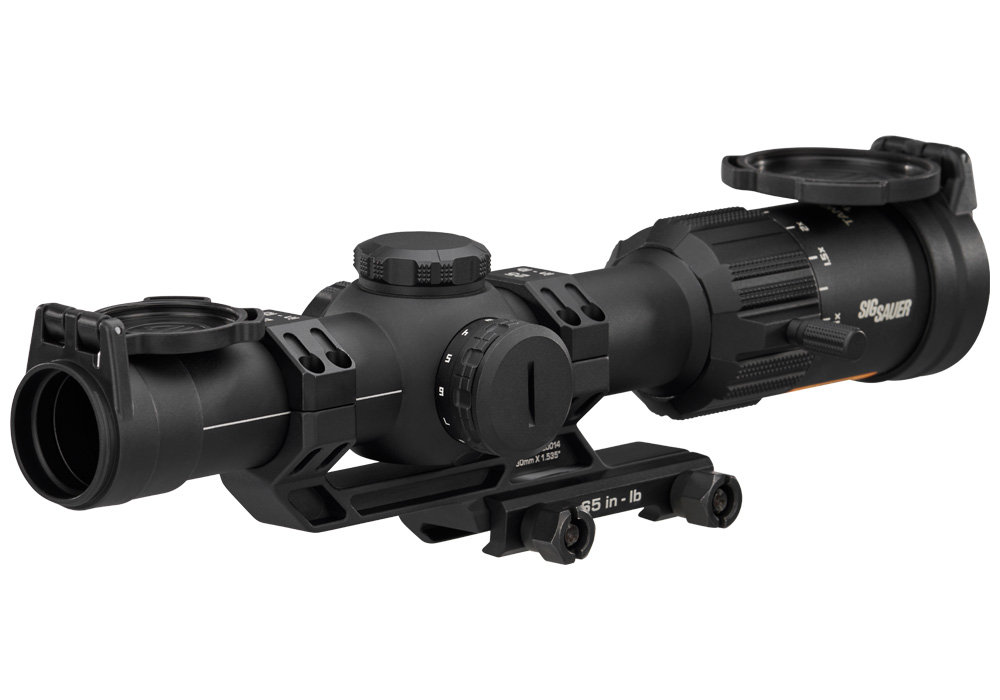
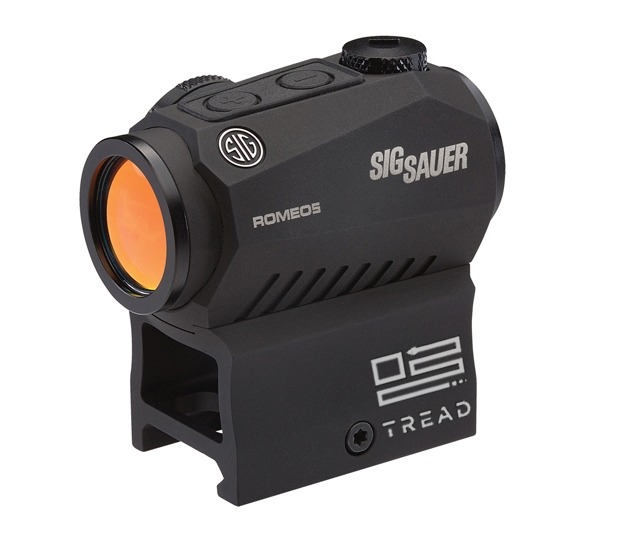
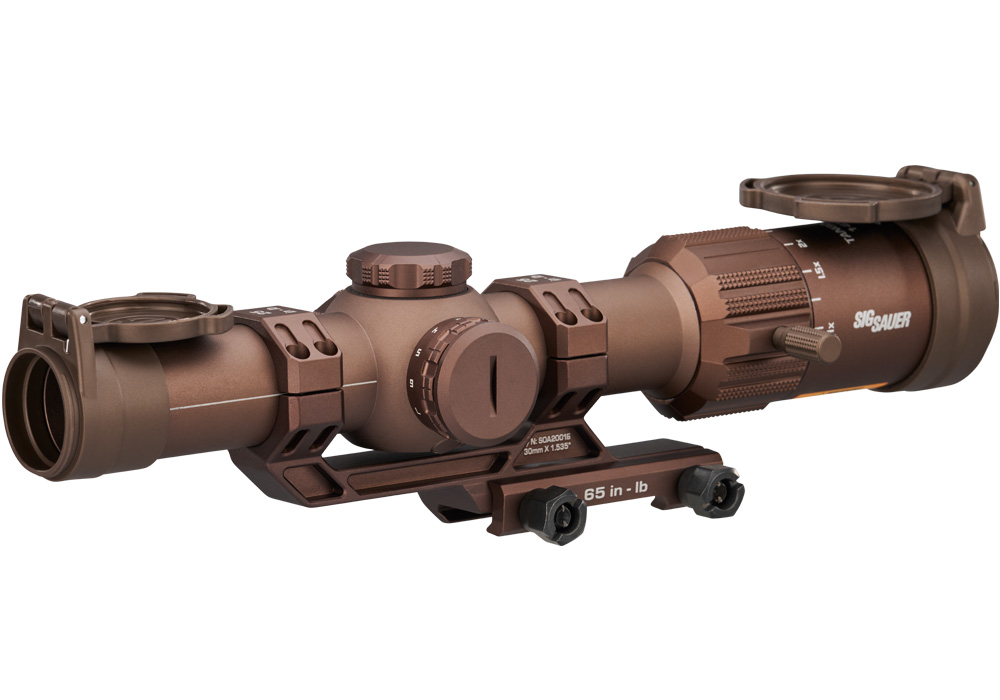
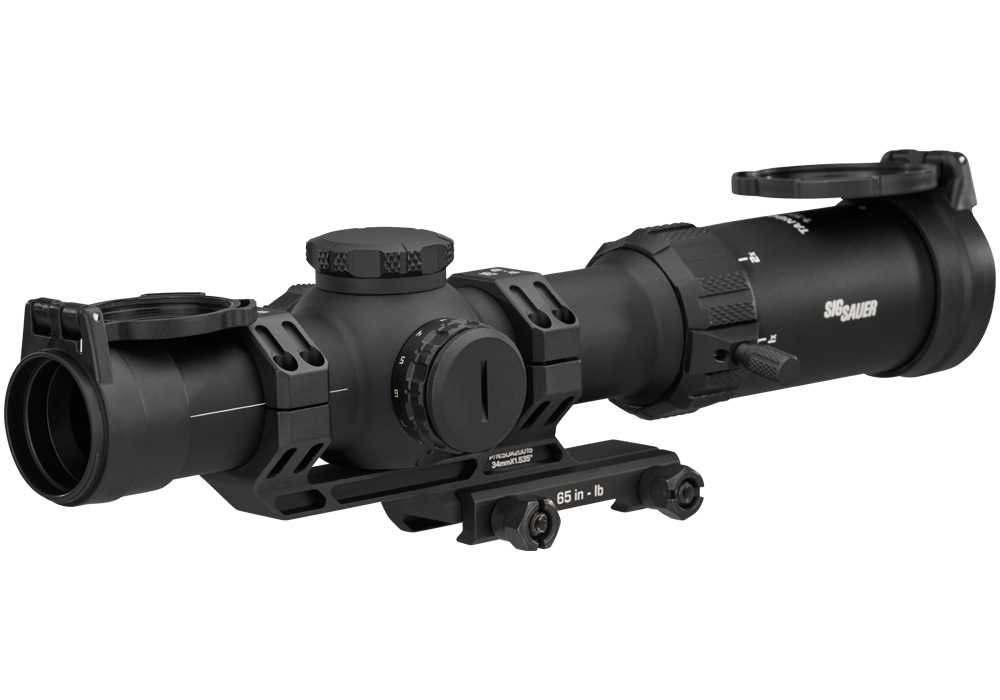
The most common CQB optic categories each offer a different balance of speed, precision, durability, and versatility. A red dot sight uses an illuminated aiming point and generally offers unlimited eye relief, allowing the shooter to present the firearm and find the reticle quickly from a variety of positions. Because both eyes can remain open, a red dot can provide a broad sense of the environment while keeping the point of aim easy to see. Dot size is an important consideration: a smaller dot may support more precise aiming at the farther end of a close-range setup, while a larger dot can be easier to pick up immediately against a complex background or in changing light. Holographic sights also provide a fast, open sight picture and may appeal to shooters who prefer a distinct projected reticle, though battery life and replacement-battery planning deserve close attention. A 1x prism optic can be a strong choice for anyone who prefers an etched reticle that remains visible without illumination. It may also be worth considering for shooters who find an ordinary projected dot appears starburst-shaped or blurry through a conventional red dot. For greater flexibility, a low-power variable optic can provide a near-1x setting for close work and additional magnification for targets at longer distances. This added range comes with tradeoffs, including more weight, a larger footprint, a potentially narrower field of view, and the need to practice magnification changes. When comparing products, look beyond the reticle image and consider brightness adjustment, glass clarity, lens coatings, housing strength, water and fog resistance, battery access, automatic activation features, and the availability of a dependable backup aiming method. A sight that is impressive on a bright indoor counter may feel very different outdoors, in low light, or when the rifle is shouldered quickly while wearing gloves or heavier clothing.
Mounting height and setup are just as important as the optic itself. The mount should place the sight at a comfortable level for a consistent cheek weld or head position, and it should be secured according to the manufacturer’s specifications. A taller mount can help clear accessories, sights, or a bulky handguard arrangement, but it also creates more mechanical offset between the bore and the reticle. At very close distances, the projectile may strike lower than the illuminated aiming point because the optic sits above the barrel; understanding this offset is an important part of responsible training. Confirm zero at a distance appropriate for the firearm and intended use, then verify point of impact at several closer distances so the relationship between the reticle and bore is familiar. Keep the optic lenses protected when the firearm is stored or transported, inspect mounting hardware periodically, and replace batteries on a planned schedule rather than waiting for a dim reticle. Standard battery life may be sufficient for a recreational range setup, while a duty or defensive firearm may benefit from extended battery life, a motion-activated feature, or an etched reticle that remains available if illumination fails. Practice should include presentations from a safe ready position, target transitions, changing light, and shooting with both eyes open while following all range procedures. During the cooler months, gloves, layered clothing, and reduced daylight can affect how naturally a firearm mounts and how quickly controls can be reached, making seasonal practice a useful way to confirm that the optic, mount, illumination settings, and overall setup remain comfortable. The best CQB optic is the one that matches the firearm, the shooter’s vision and technique, and the realistic distances and conditions in which it will be used.