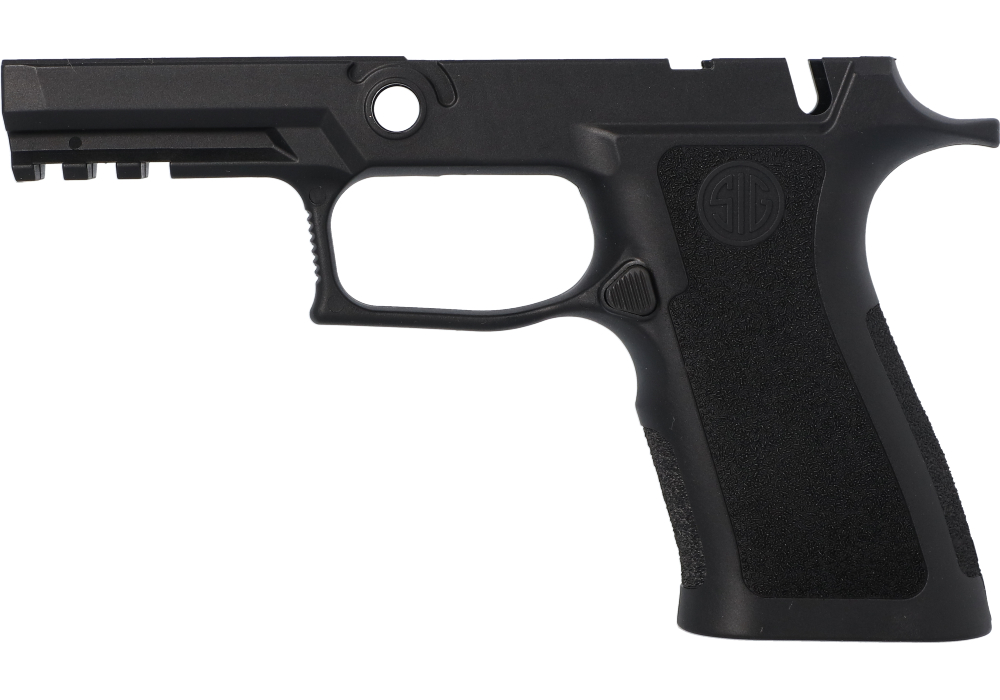
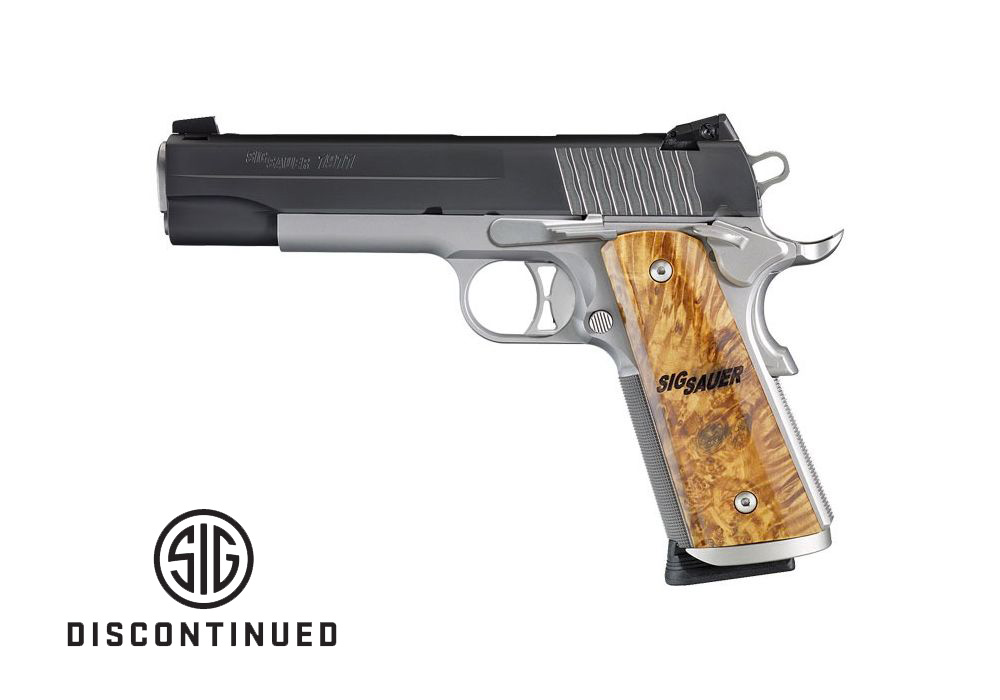
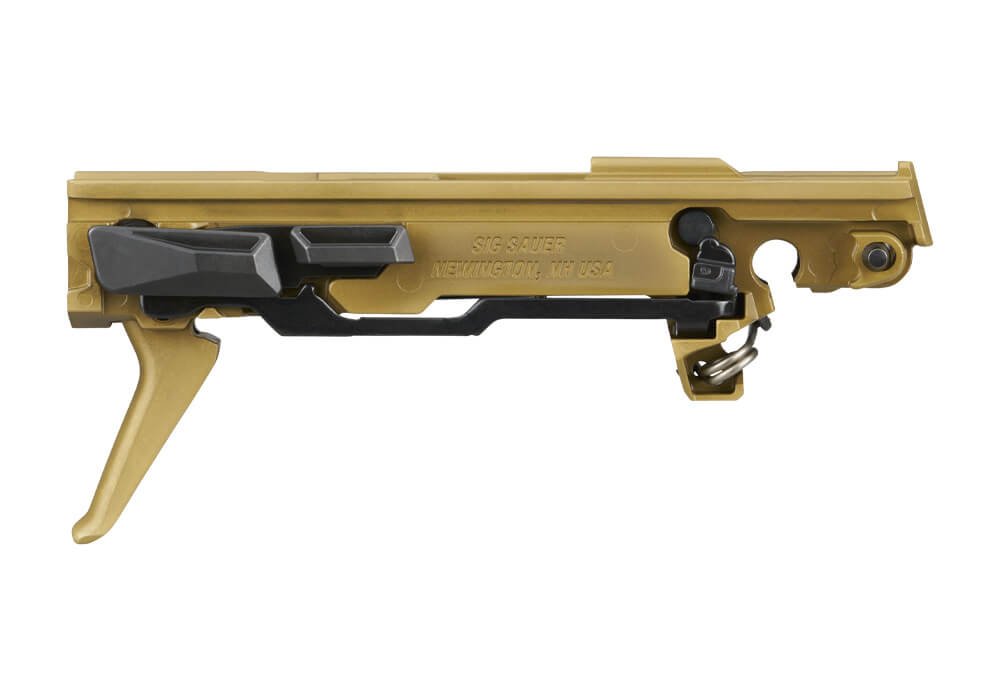
Custom handgun frames for collectors range from metal frames with distinctive finishes and detailed surface work to polymer grip modules with sculpted contours and carefully defined texture. Their appeal lies in the intersection of mechanical design, material character, and personal taste: the satin sheen of aluminum, the substantial feel of steel, or the contrast between a smooth polymer surface and a textured gripping area. A frame and a grip module can serve different roles, however, and that distinction matters when evaluating a collectible component. In a traditional handgun design, the frame is the central structure that supports the firearm’s operating components. On some modular platforms, a separate serialized assembly sits within a replaceable grip module, so the exterior grip component is not necessarily the regulated firearm itself. Terminology, compatibility, and legal classification depend on the design and applicable law. For collectors, those differences help establish exactly what a component represents within a collection. A metal frame may express an interest in traditional construction, while a custom polymer module may reflect an appreciation for contemporary industrial design. Engraving, checkering, contrasting finishes, and distinctive contours can give either approach a recognizable visual identity without relying on elaborate decoration. The most coherent choices usually have a clear relationship to the rest of the handgun: a restrained finish that complements its overall appearance, a texture that suits its intended handling, or a profile that belongs naturally within the platform’s design language. Viewed beside other examples in a display cabinet, small details become especially noticeable. The consistency of a border around a textured panel, the transition between flat and curved surfaces, and the treatment of exposed edges all contribute to the impression of craftsmanship. Collecting these components can center on a particular material, a recurring finish, or the evolution of handgun ergonomics. A collection does not need a single visual style, but understanding each frame’s design context gives its differences meaning beyond color alone.
Materials influence both the appearance and the ownership experience of custom handgun frames. Aluminum generally offers less weight than steel and can present crisp contours with anodized or coated surfaces. Steel has a denser feel and a different balance of heft, finish character, and maintenance needs. Polymer provides another approach, with molded shapes and textures that can form a continuous part of the grip surface rather than a separate decorative treatment. Material names alone do not establish quality or durability; the underlying construction, surface treatment, intended use, and manufacturer’s care recommendations matter together. An anodized aluminum surface, coated steel frame, and textured polymer module can each develop different signs of handling over time. Collectors who appreciate a pristine presentation may favor finishes that are straightforward to maintain, while others may regard honest handling wear as part of a component’s history. Neither preference removes the need to understand how a particular surface responds to cleaning products, repeated contact, and storage materials. Fit is equally important, and visual similarity is not proof of compatibility. Handgun families can include several sizes, generations, and configurations, with components that look closely related but are not interchangeable. Clear manufacturer compatibility information should take precedence over appearance, and any uncertainty about fitting or function belongs with a qualified firearms professional. Ergonomic details also deserve attention as part of product selection. Grip circumference, backstrap contour, and texture affect how a frame feels in the hand, even when two examples share a similar outline. A deeply defined pattern may look striking under display lighting yet feel more pronounced during extended handling than a finer texture. For a collector who also enjoys lawful recreational shooting, comfort and the platform’s intended use deserve as much consideration as finish. For a display-focused collection, clean detailing and visual consistency may carry more weight. In both cases, a successful choice is one whose material, dimensions, and styling suit a clearly understood purpose rather than one selected solely for its most conspicuous feature.
Long-term care helps preserve the details that distinguish collectible frames and grip modules. Engraved borders, textured recesses, and changes in surface sheen can lose definition when residue accumulates or an unsuitable cleaner affects the finish. Manufacturer-approved cleaning methods offer the best starting point, particularly where a component combines coatings, polymer, or decorative accents. Abrasive polishing and unverified chemical treatments can alter the original appearance, so a restrained approach is generally more appropriate for collection pieces. Storage deserves similar attention. A secure, dry location protects both the component and its accompanying records, while storage materials should be suitable for sustained contact with the particular finish. Before handling a complete handgun for inspection or care, confirm that it is unloaded and follow the manufacturer’s safety instructions; firearms and ammunition should be secured against unauthorized access. Documentation adds another layer of care that is especially relevant to collectors. Keeping original packaging, compatibility information, finish descriptions, and records of documented custom work helps explain a frame’s identity and history without relying on memory. A photograph taken when a component enters the collection can also provide a useful record of its initial condition. These practical habits support a collection intended for display, careful study, recreational use, or some combination of the three. Custom frames and grip modules can also be thoughtful gifts for knowledgeable adult collectors when the recipient’s platform, preferences, and legal eligibility are understood. A preference for understated metal finishes is quite different from an interest in expressive colors or sculpted polymer designs, and compatibility should never be assumed. Any regulated component requires compliance with applicable ownership and transfer requirements. For collectors interested in seeing how frame styling relates to a complete handgun, Custom Pistols for Shooting Enthusiasts offers a related perspective. Whether the attraction is precise surface detailing, a distinctive material, or a consistent collection theme, the lasting appeal comes from understanding the component’s character and caring for it accordingly.