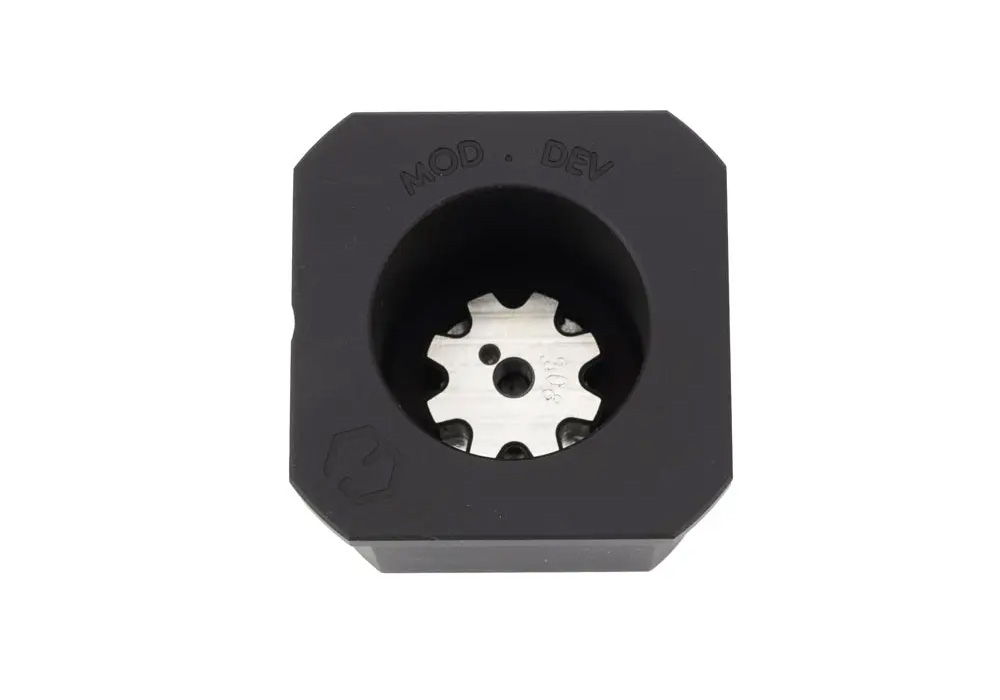
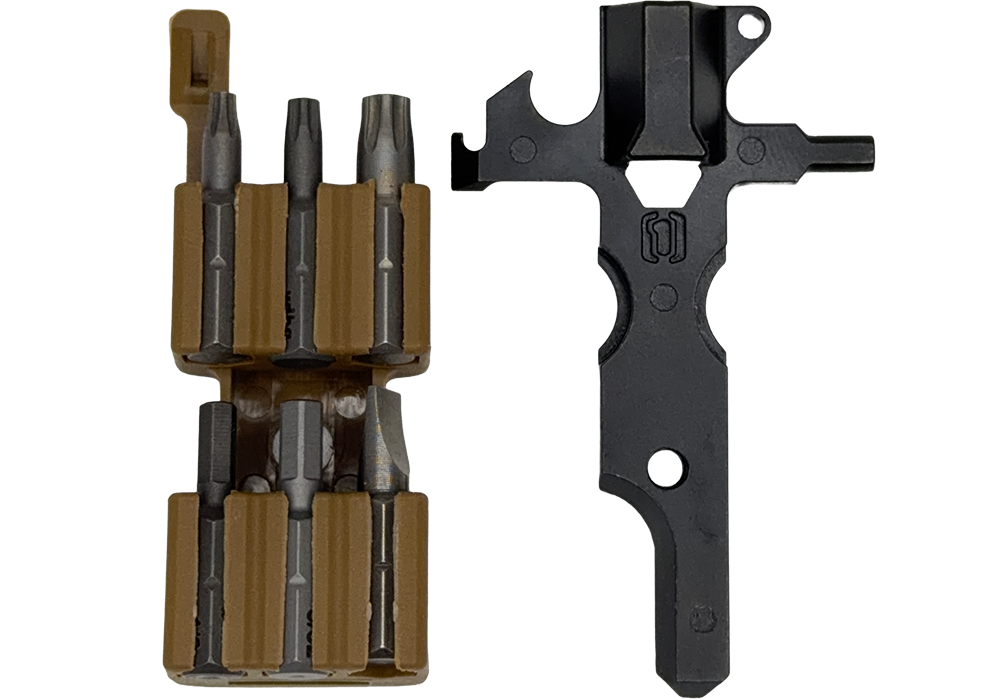
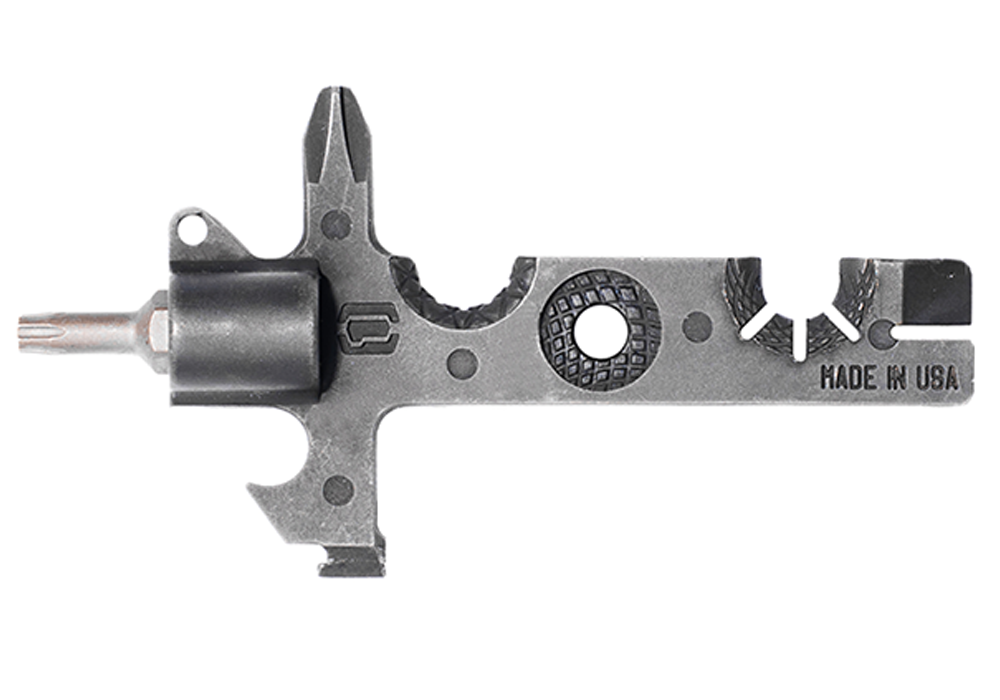
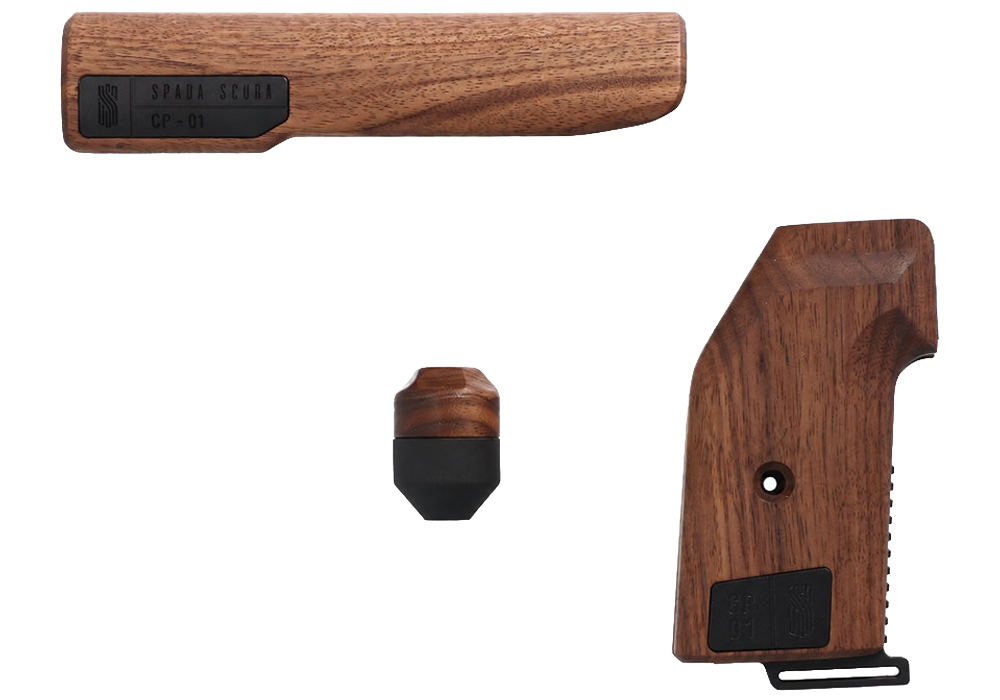
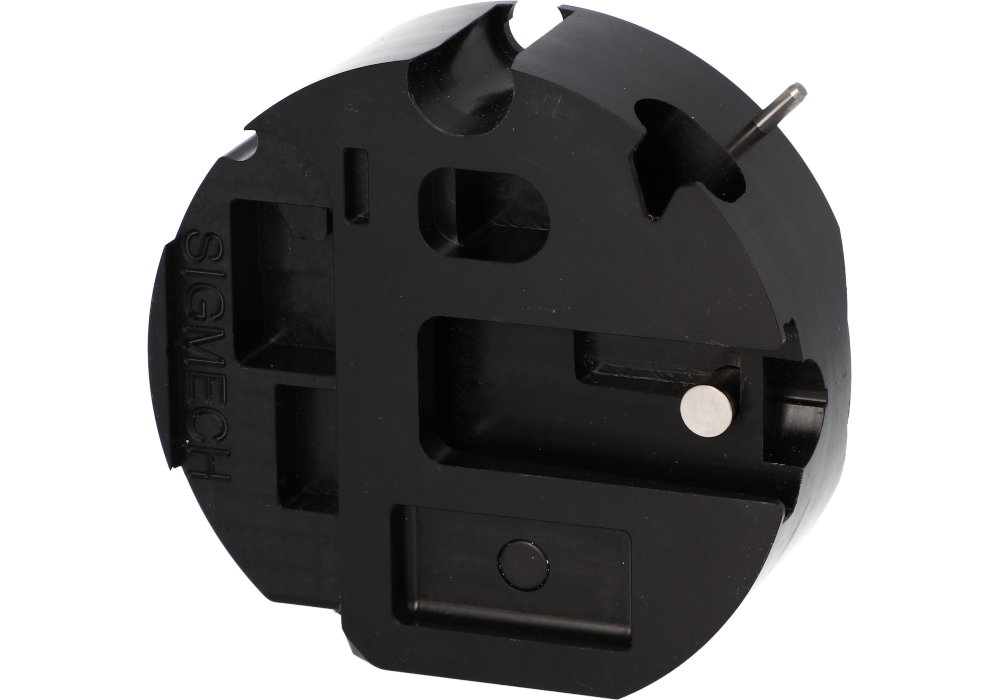
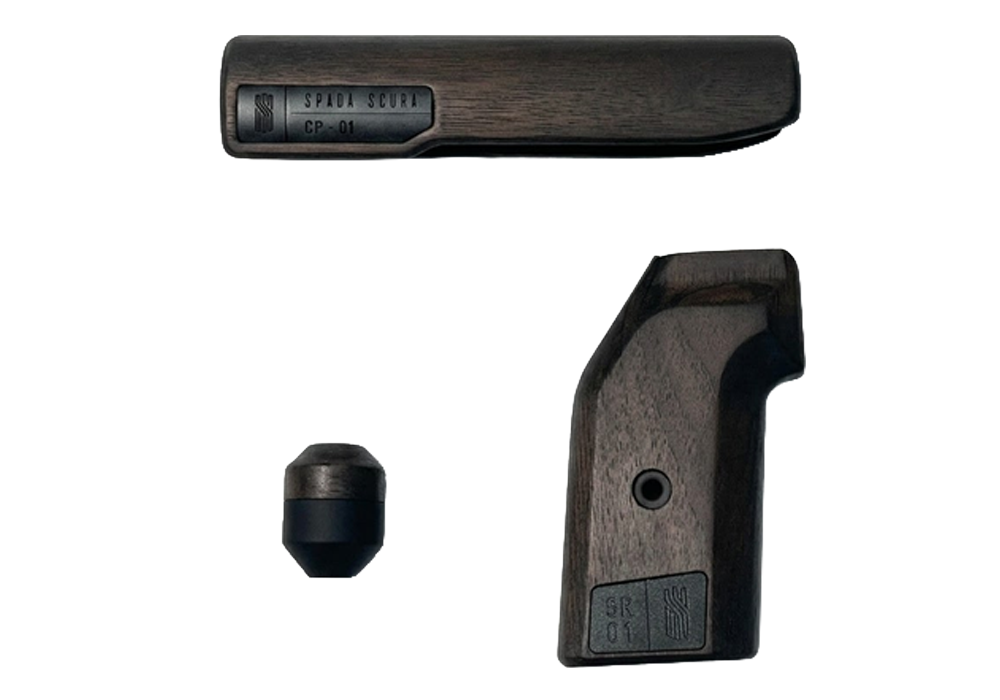
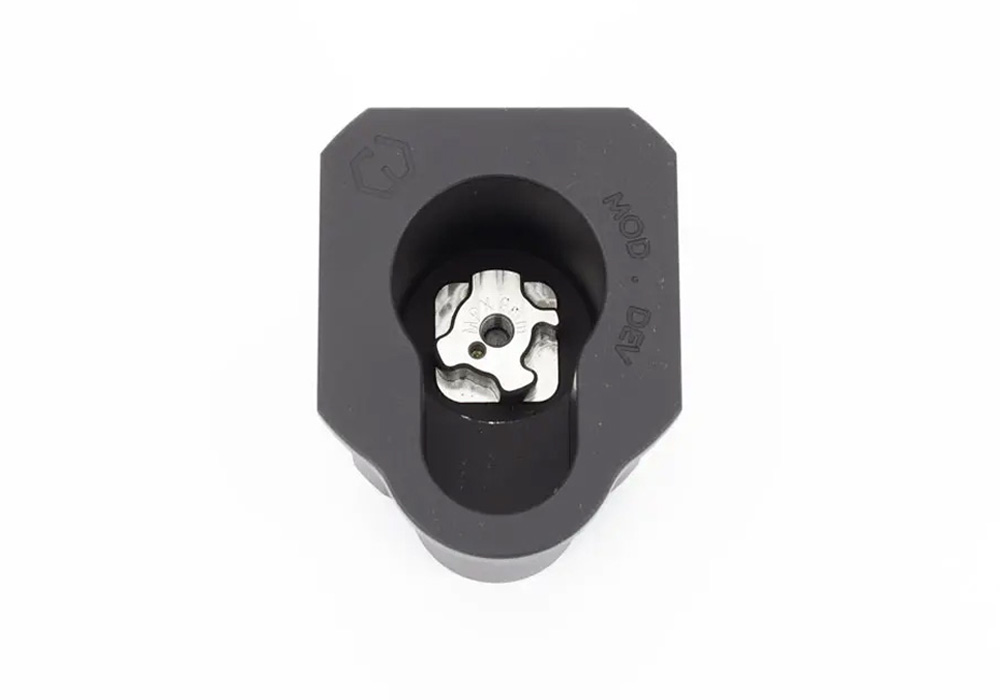
Custom rifle tools provide the control, stability, and precision needed for careful rifle maintenance, configuration, and project work at the bench. Whether the goal is to fit an optic, replace a component, adjust a stock, or assemble a rifle from compatible parts, the right tool can help protect the firearm’s finish and reduce the risk of damaged fasteners, uneven torque, or misplaced force. A well-planned tool selection often begins with a stable gun vise or bench block that keeps the rifle supported without creating unnecessary pressure on delicate surfaces. Non-marring contact points are especially useful when working around a receiver, handguard, stock, or barrel, while a secure platform helps keep both hands available for controlled adjustments. Precision torque drivers and torque limiters are equally important for applying consistent inch-pounds to scope rings, bases, action screws, and other fasteners. Correct torque supports dependable fitment and helps prevent stripped threads, loose hardware, or excessive pressure on an optic tube. Hollow-ground screwdriver bits are a practical choice for slotted screws because they engage the full recess rather than concentrating force on a narrow edge, helping reduce screw marring during installation or removal. A quality punch and drift set adds versatility for pins and small components, with brass, steel, and polymer options suited to different surfaces and levels of force. Brass and polymer punches can be helpful around finished parts where minimizing marks is a priority, while hardened steel punches may be appropriate for stubborn pins when used with care and the correct alignment. Buyers should also consider the rifle platform and the specific tasks involved. Action wrenches need to match the receiver footprint and intended application, since a tool designed for one bolt-action pattern may not be appropriate for another system. Barrel vises and receiver fixtures should be selected for proper fit and secure contact, particularly when barrel removal or installation requires substantial torque. For modern sporting rifle platforms, an armorer’s wrench with the correct engagement points can assist with barrel nuts, castle nuts, muzzle devices, and related assembly work. The best custom rifle tools are not necessarily the largest collection; they are the tools that fit the rifle, match the fastener, and support a deliberate process from setup through final inspection. Explore Long Rifle Tools to compare options suited to rifle projects, maintenance benches, and precision-focused upgrades.
These tools can serve experienced armorers, competitive shooters, hunters, gunsmiths, range staff, and careful firearm owners who prefer to handle routine adjustments at home. They can also make thoughtful gifts for someone establishing a first workbench, refining a precision rifle, or preparing a dedicated space for seasonal maintenance during the cooler months. A torque driver, punch set, or compact screwdriver kit can be an approachable gift for a new rifle owner, while a barrel vise, action wrench, or expanded armorer’s set is better suited to someone with a defined build or modification project. Before purchasing, confirm the rifle’s operating system, receiver pattern, thread specifications, fastener sizes, and manufacturer requirements. Compatibility matters more than appearance: an action wrench should support the correct receiver, a crowfoot attachment should fit the intended nut, and a bench block should provide stable support without interfering with controls or removable parts. It is also useful to consider measurement range and repeatability when choosing torque equipment. Some projects call for a lower inch-pound range for optic rings and small screws, while others require a broader range for action work. Clear markings, positive settings, replaceable bits, and a comfortable grip can make a difference when working through a detailed installation on a quiet afternoon. Organizing tools by task helps keep the process efficient: secure the rifle first, protect finished surfaces, select the correct bit or wrench, verify the setting, and inspect each fastener after the adjustment is complete. Good lighting and a clean bench are valuable additions, especially when small springs, pins, and screws are involved. Keep the firearm unloaded, remove ammunition from the work area, follow the applicable owner’s manual, and verify the condition of the rifle before beginning any service. When a procedure calls for specialized knowledge, unusual force, or equipment beyond the owner’s experience, professional gunsmith service is the appropriate choice. Proper tools do more than make a project convenient; they help encourage repeatable workmanship, preserve the rifle’s condition, and make each adjustment easier to evaluate. As the weather shifts from early fall into winter, a thoughtfully equipped bench can support maintenance, optic checks, stock adjustments, and carefully planned rifle projects whenever time is set aside for responsible firearm care.