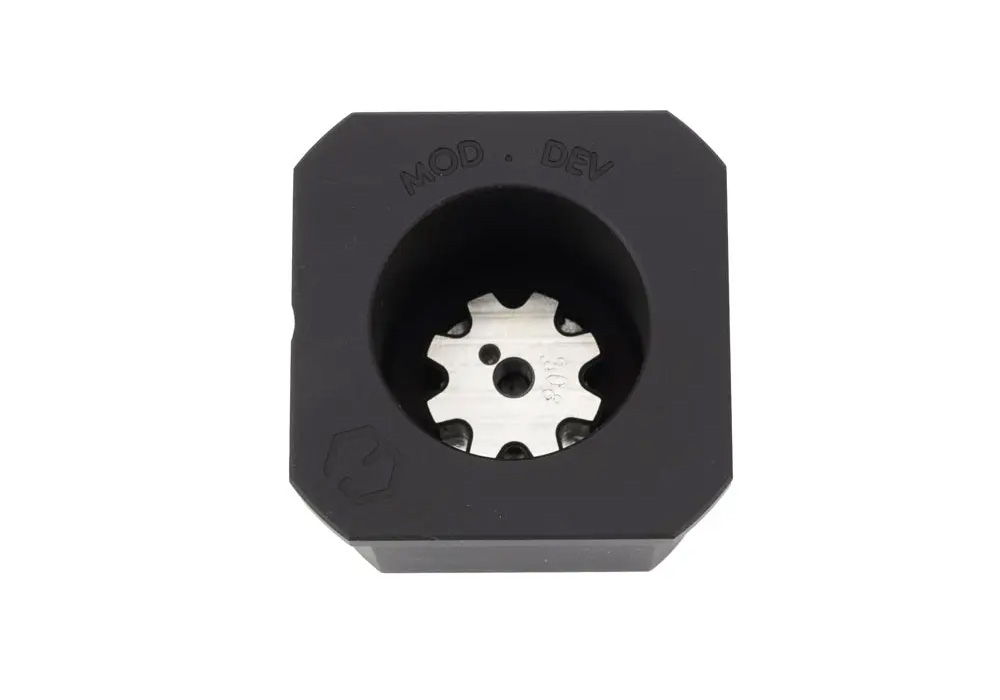
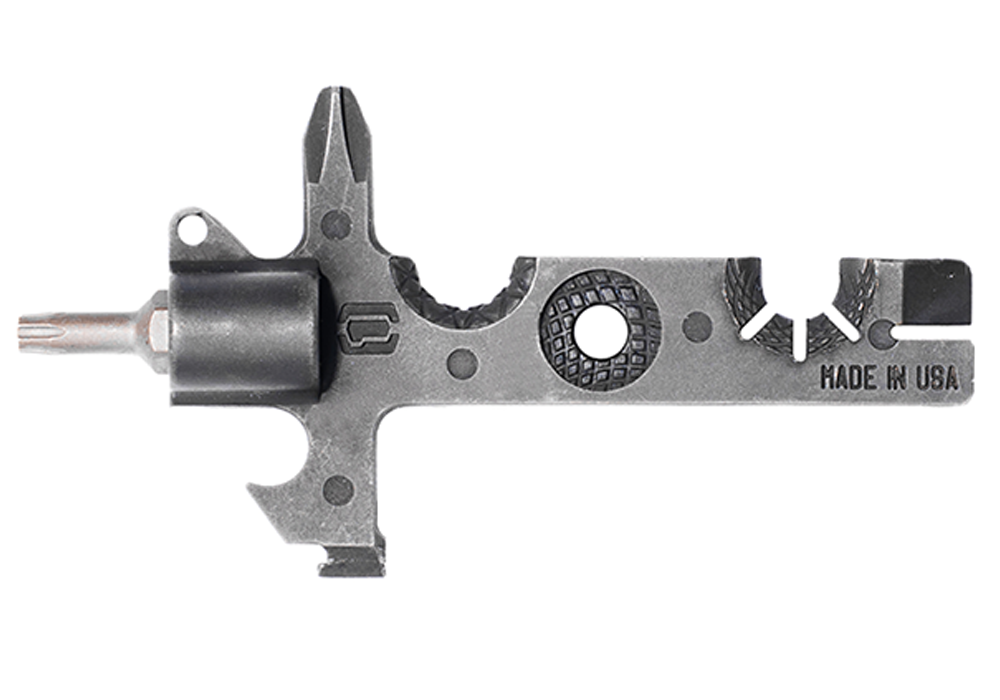
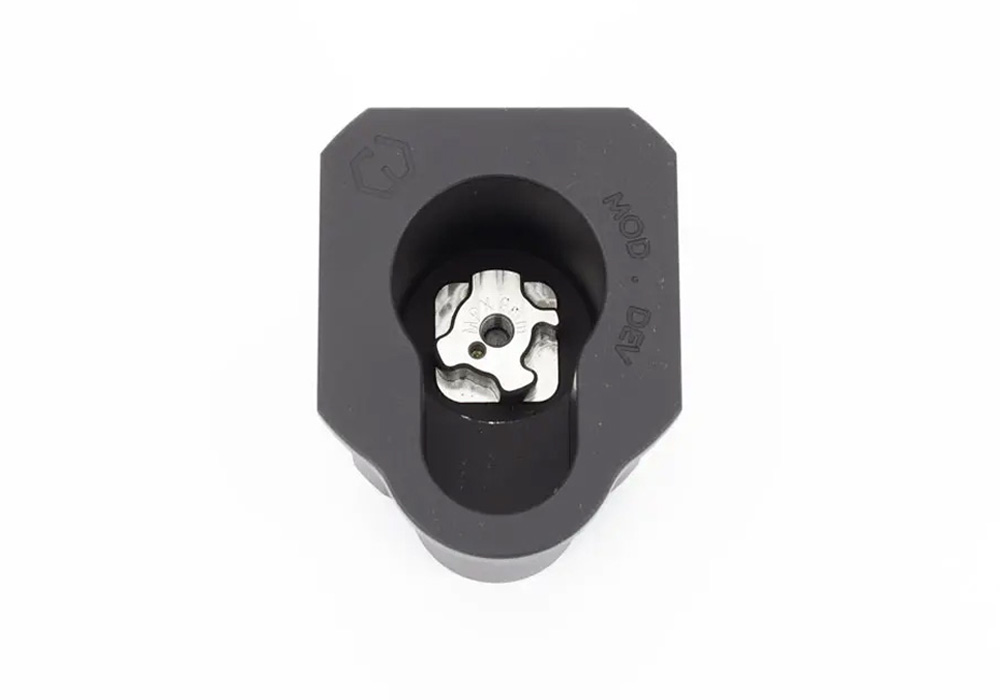
Rifle fitting tools support the careful work of checking fit, securing components, and maintaining a rifle without unnecessary wear to its hardware or finish. The category includes firearm supports, torque tools, gunsmithing screwdrivers, punches, and alignment equipment, each serving a different purpose at the workbench. A stable support helps keep the rifle from shifting during appropriate maintenance, while padded contact surfaces help protect finished metal and synthetic or wood furniture. Torque drivers provide controlled tightening according to the firearm or accessory manufacturer’s specifications; their value comes from consistent measurement rather than simply applying more force. Gunsmithing screwdriver bits emphasize precise engagement with compatible fasteners, including hollow-ground profiles for suitable slotted screws. Punches offer different shapes and contact materials for tasks involving compatible pins, while leveling and alignment tools help evaluate the relationship between supported components. These distinctions matter because rifle fitting is not one universal task, and a general household toolkit may not provide the right contact surfaces, dimensions, or measurement range. For a hunter checking equipment before time outdoors, a recreational target shooter maintaining a familiar rifle, or a professional working across several platforms, the useful starting point is compatibility with the equipment and the intended job. Bench space also influences the choice: a dedicated work area can accommodate a substantial support, while a shared table benefits from compact equipment that stores securely between sessions. Good lighting, a clear surface, and an orderly layout make small markings and fastener heads easier to inspect. The appeal of a well-chosen tool is often visible in these ordinary details: a bit that sits squarely, a handle that feels controlled, or a protective pad that keeps a finished surface away from bare metal. Rifle fitting equipment is best understood as purpose-specific support for careful maintenance and fit checks, not a substitute for technical knowledge or an invitation to alter a firearm beyond the manufacturer’s instructions. Work involving safety-critical components belongs with a qualified gunsmith.
Materials and construction deserve close attention because the hardest tool is not necessarily the best tool for every contact point. Hardened steel can provide wear resistance where a bit or working surface needs to retain its shape, while brass and polymer contact surfaces serve different purposes when the task calls for a less aggressive material. No material is universally scratchproof, and even a soft pad can mark a finish if grit becomes trapped against it. Clean contact surfaces, suitable geometry, and the correct application matter as much as the material itself. Protective jaws and cradles should suit the shape and finish of the supported rifle rather than relying on pressure alone to keep it steady. Wood, coated metal, and synthetic surfaces can respond differently to concentrated pressure or unsuitable cleaning chemicals, making the support manufacturer’s compatibility information especially useful. With drivers and bits, fit involves more than a familiar-looking profile: the correct dimensions help the tool engage securely instead of concentrating force along an edge. Measurement tools introduce another consideration, since a readable scale, an appropriate operating range, and clearly stated units all affect usability. Manufacturer specifications may distinguish between inch-pounds and foot-pounds, and those units are not interchangeable. A torque tool also needs to suit the specified value and the application; a broad range on its own does not establish precision or suitability. Alignment equipment has similarly defined limits. A leveling aid can help assess orientation, but it does not establish that every part of a rifle and optic setup is correct, nor does it replace confirmation at an appropriate range. For shoppers comparing specialized options, Custom Rifle Tools offers a related category to explore alongside the requirements of the rifle and its compatible accessories. The strongest selection is a coordinated set of capabilities that matches actual maintenance needs, with comfortable handling, clear documentation, and durable working surfaces taking priority over a large assortment of unfamiliar attachments.
Long-term usefulness depends on how rifle fitting tools are handled, cleaned, and stored between jobs. A driver with a worn tip, a punch with a damaged end, or a support with a torn pad deserves attention before it touches a firearm. Regular inspection can reveal rounded edges, loose handles, corrosion, or contamination that would otherwise be easy to overlook in a crowded drawer. Care should follow the tool manufacturer’s recommendations, especially for measuring mechanisms, protective coatings, and polymer components that may not tolerate the same solvents used elsewhere on the bench. Dry, organized storage helps keep metal surfaces protected and prevents delicate measuring equipment from knocking against heavier tools. Fitted cases and clearly separated compartments also make it easier to notice a missing bit before packing up. During the cooler months, equipment carried between a cold vehicle or outbuilding and a warmer workspace may collect condensation, so moisture management remains relevant even when the tools have not been exposed to rain. For the occasional user, a compact selection matched to familiar equipment may be more practical than a sprawling bench setup. Frequent users may place greater value on comfortable handles, replaceable wear components, readable markings, and supports that remain steady through repeated use. Someone working at a shared bench may appreciate protective surfaces and storage that keep small parts contained, while a dedicated workshop can benefit from a consistent place for each tool. These considerations also make fitting and maintenance equipment a thoughtful gift for an experienced rifle owner, provided the recipient’s platform, existing tools, and level of experience are understood. Compatibility is more useful than novelty, and a tool that solves a known maintenance need is more likely to earn a regular place on the bench. Any work session should begin with the firearm unloaded, ammunition kept away from the workspace, and the manufacturer’s safety directions observed. Within those boundaries, dependable rifle fitting tools bring order and consistency to routine care, helping owners protect finishes, preserve hardware, and recognize when a task calls for professional service.