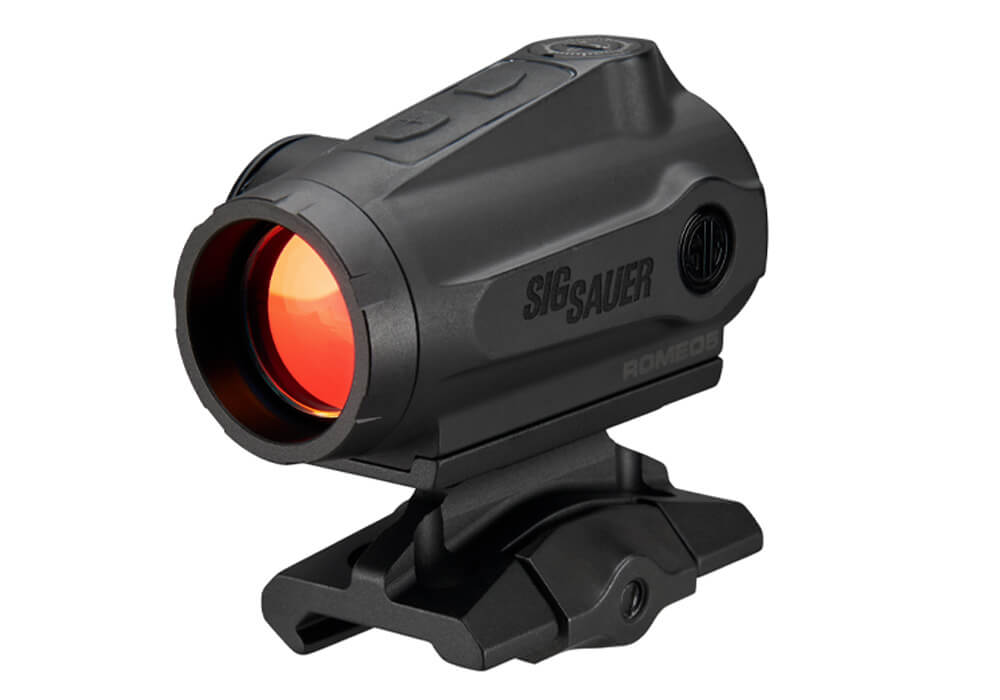
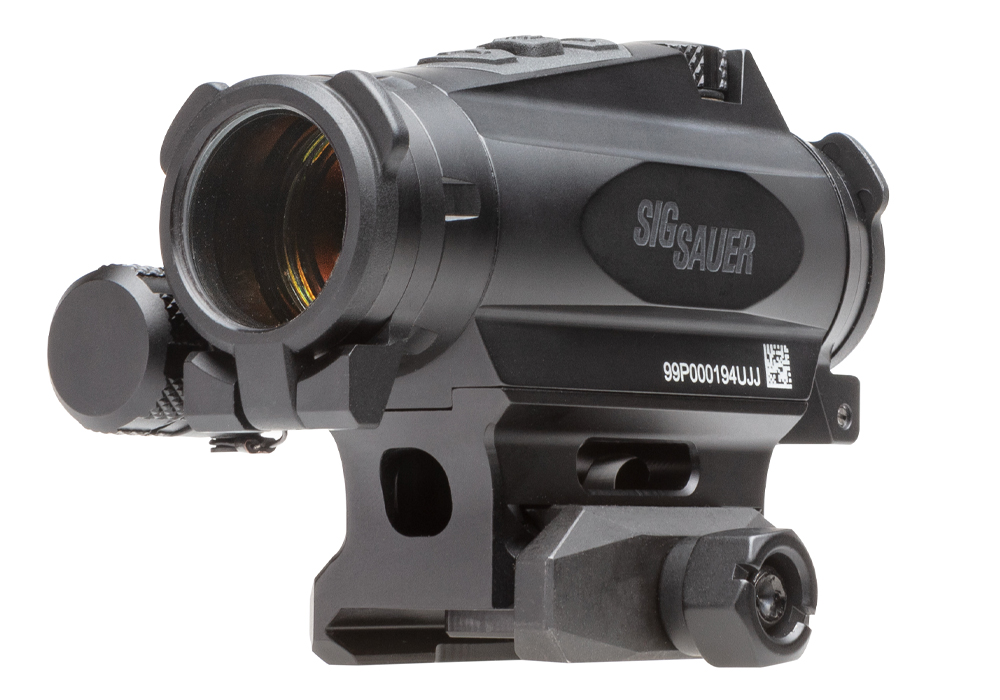
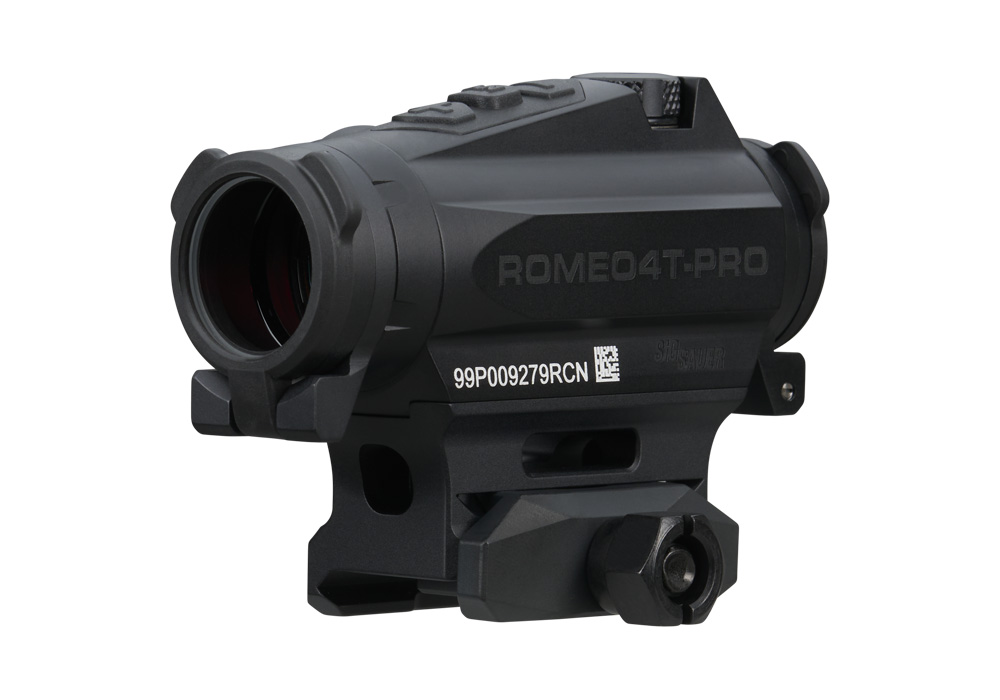
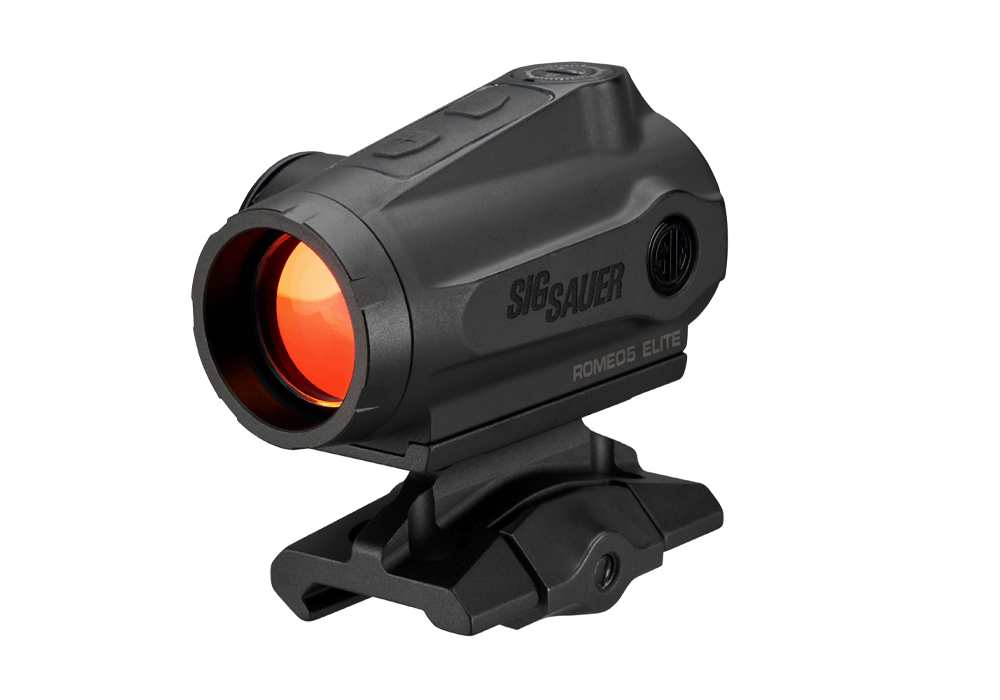
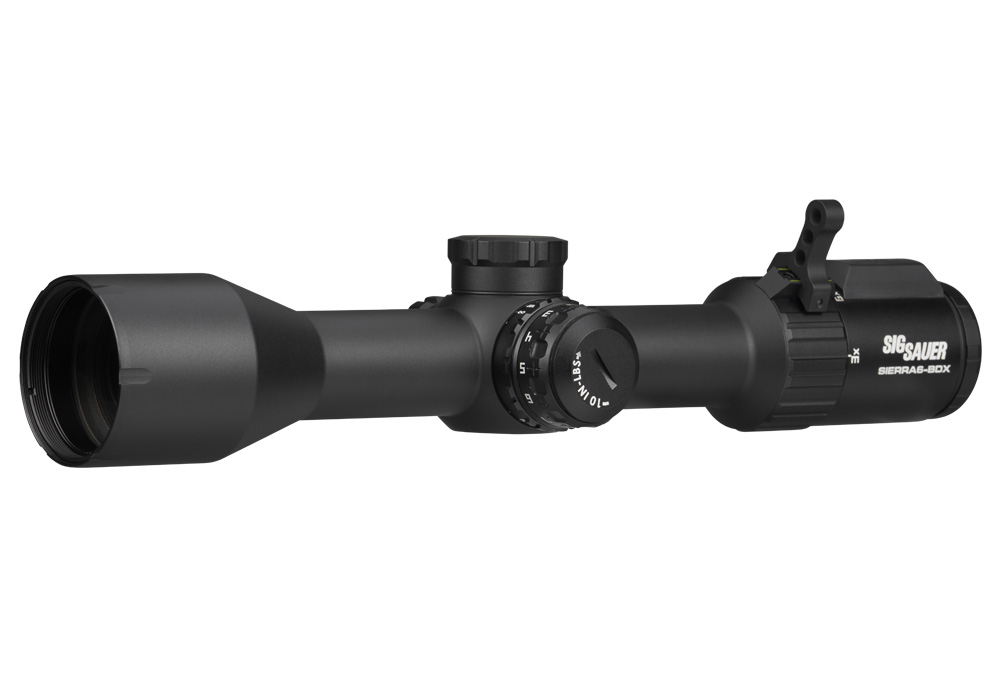
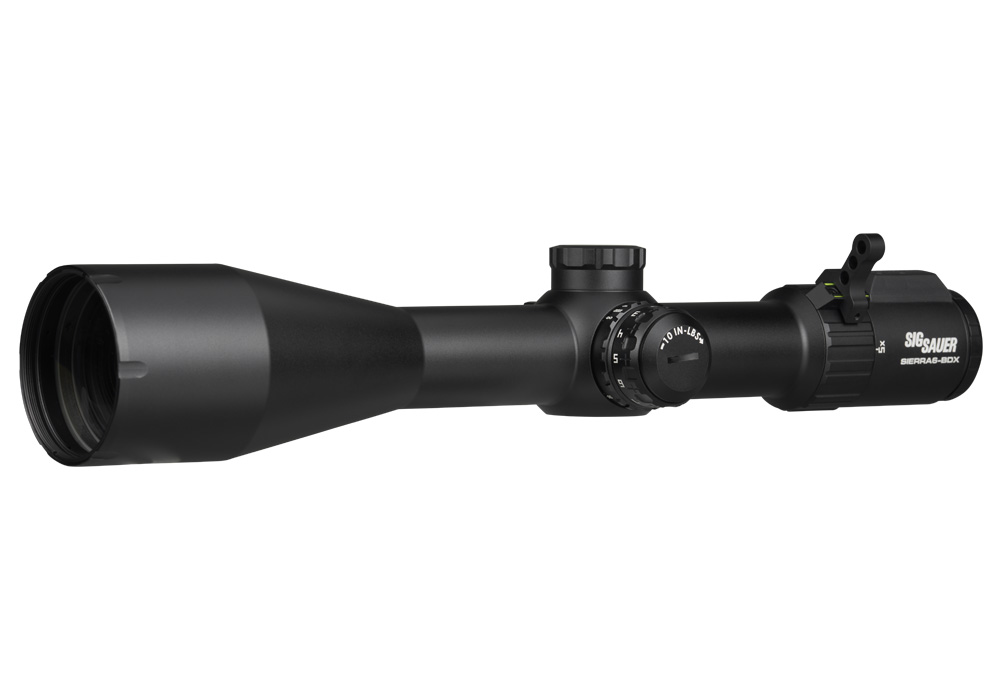
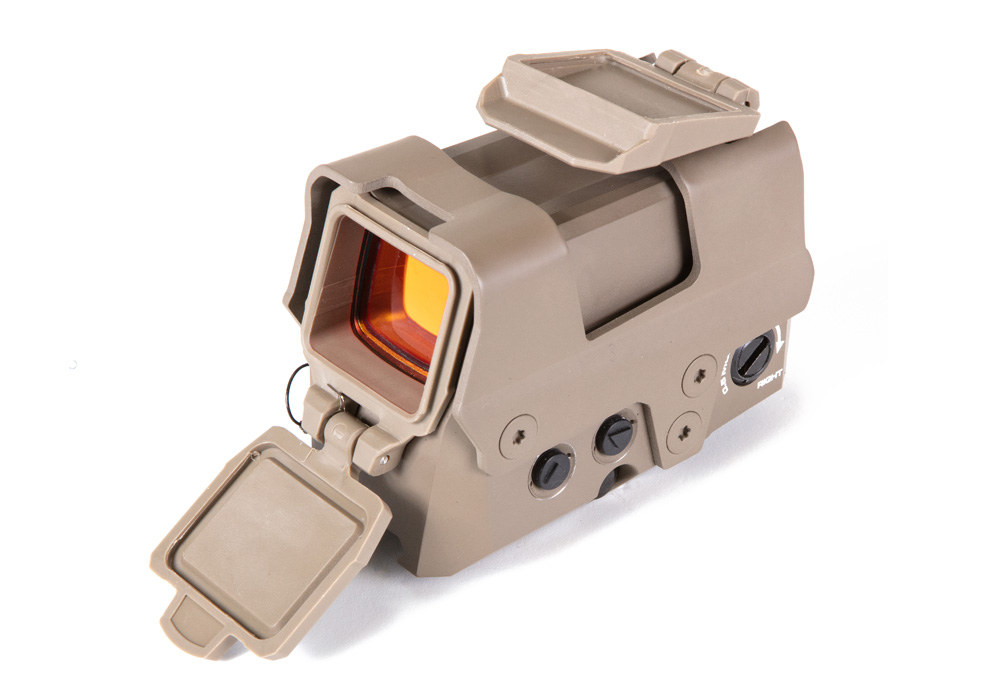
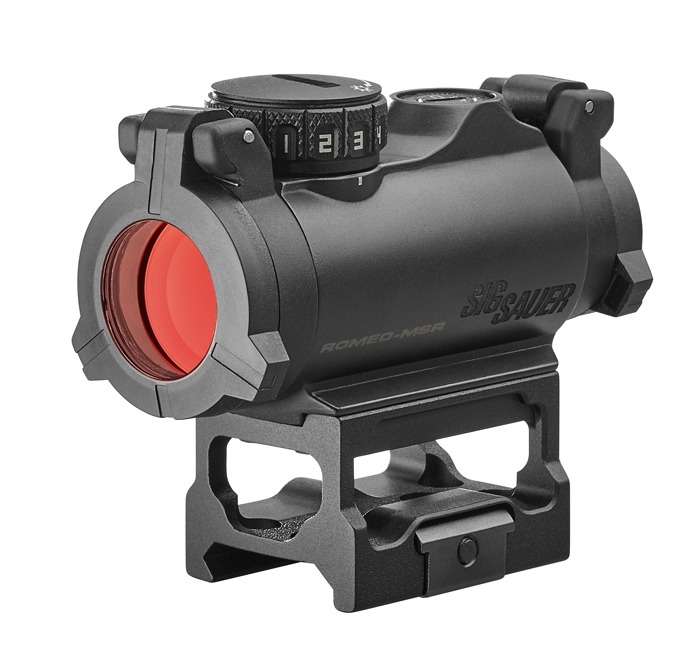
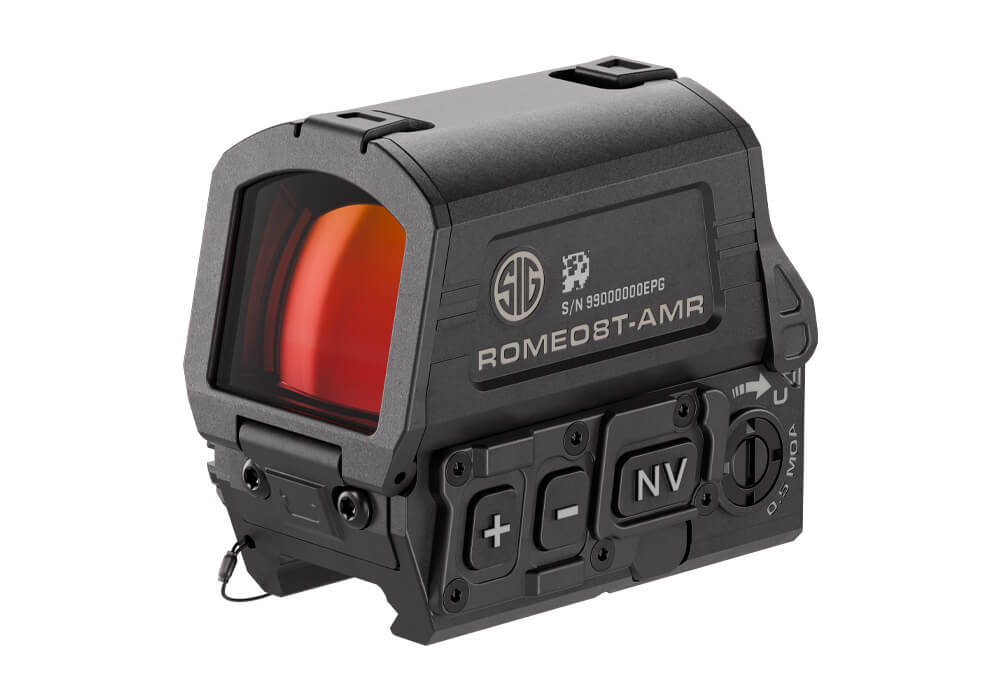
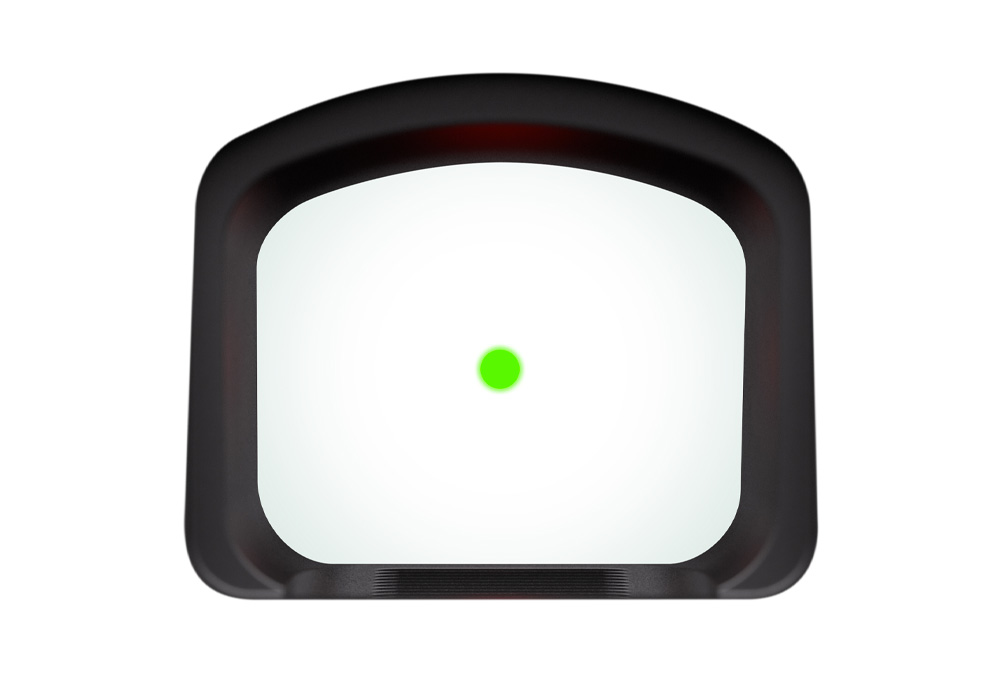
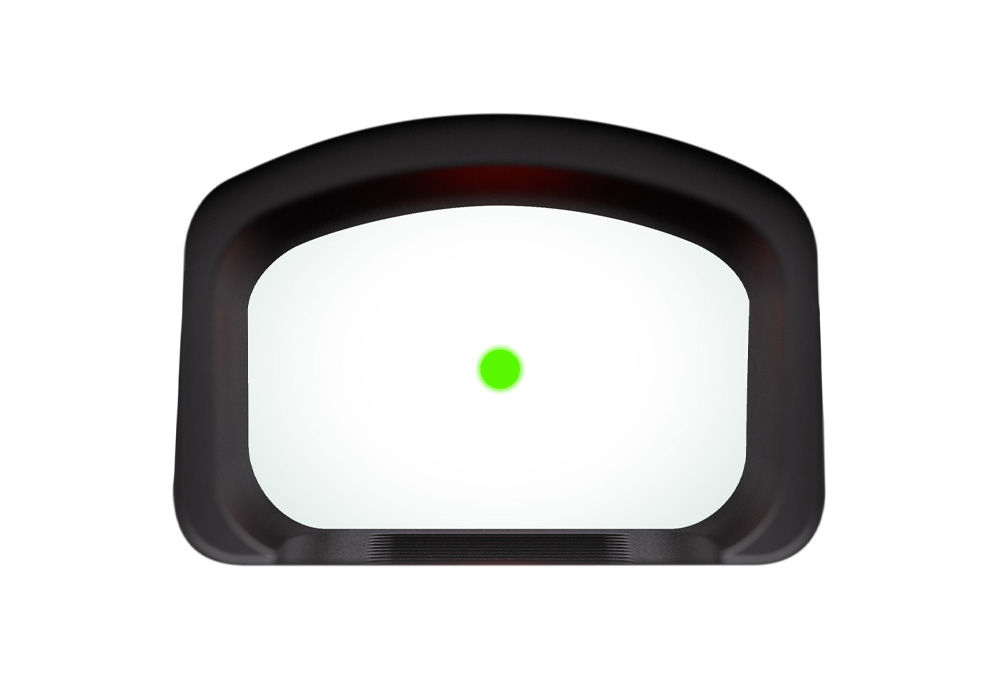
Dot reticle optics for shotguns provide an illuminated aiming reference that appears within the sight window, giving the shooter a single point to place against the target rather than a front and rear sight to align. Often called red dot sights, these optics can support both-eyes-open aiming and a less obstructed view of the surrounding target area. The dot is visible through the optic; it is not projected onto the target like a laser. For sporting shotguns, that simple sight picture can be useful in competition, turkey hunting, and range practice, particularly when a clearly defined aiming point suits the activity. Performance still depends on proper fit, a secure mount, and familiarity with the shotgun. Reticle size is commonly expressed in minutes of angle, or MOA, which describes how much of the target the dot appears to cover. A smaller dot generally obscures less of a small or distant target, while a larger dot can be easier to notice quickly. For scale, a 3 MOA dot covers approximately three-quarters of an inch at 25 yards, and a 6 MOA dot covers approximately an inch and a half at that distance. Those measurements describe the aiming reference, not the shotgun’s pattern or the size of its impact area. A surrounding ring, when offered, provides another visual reference, but it cannot reliably predict pellet spread across different ammunition, chokes, barrels, and distances. Brightness adjustment matters just as much as reticle dimensions. An overly bright dot can look larger or less sharply defined, masking detail that would otherwise remain visible. A useful sight balances a readily visible aiming point with a clear view of the target. Differences in eyesight can also affect how a dot appears, so apparent sharpness is a personal consideration rather than something a specification sheet can fully describe. More brightness settings offer flexibility, but the usable adjustment range matters more than the number alone.
Fit begins with the relationship between the shotgun, mounting system, and optic. A receiver rail, a dedicated mounting plate, and a direct mounting interface are not interchangeable approaches, and an optic’s footprint must match the hardware intended to support it. Compatibility includes the mounting surface, fastener specifications, receiver design, and clearance around operating controls. Sight height deserves particular attention on a shotgun because the stock establishes where the shooter’s eye naturally rests. An optic that sits too high can interrupt a consistent cheek weld, leaving the shooter searching for the dot instead of seeing it within a comfortable view. Lower mounting arrangements may preserve a more familiar stock fit, although the correct arrangement depends on the firearm and its approved mounting options. A compact housing can help keep the shotgun balanced, while a larger window may provide a more generous view around the aiming point. Neither characteristic replaces a stable connection to the firearm. Shotgun recoil places repeated stress on the sight and mount, making the manufacturer’s stated firearm compatibility and recoil suitability more meaningful than appearance alone. Aluminum housings are common because they combine relatively low weight with useful structural strength, while protective contours around the lens can help shield exposed edges from routine knocks. Open-emitter designs generally offer an accessible window with less surrounding enclosure, but the emitter remains more exposed to dust and debris. Enclosed-emitter designs place that component behind protective lenses, reducing the opportunity for contamination to interrupt the aiming reference. Both approaches still require clean optical surfaces. Lens coatings, sealing specifications, and documented impact testing provide additional context for durability, though no single feature establishes overall reliability. Clear access to the loading area, ejection path, and controls also belongs in the fit assessment. When mounting compatibility is uncertain, a qualified gunsmith can help establish an appropriate setup without relying on improvised hardware.
Everyday ownership brings attention to details that are easy to overlook beside window size and reticle shape. Battery type, compartment location, adjustment controls, and the visibility of setting indicators all affect how convenient an optic is to maintain. A battery compartment accessible without removing the sight can simplify replacement, although mounting security and alignment still deserve periodic inspection. Published battery-life estimates depend on the conditions specified by the manufacturer, including brightness settings and operating modes, so they are best understood as conditional figures rather than universal promises. Motion activation, automatic shutoff, and automatic brightness adjustment are useful features on some optics, but their behavior varies. Easily understood controls can be especially welcome on a shared sporting shotgun, where different shooters may prefer different brightness levels. For a competitor moving between target presentations, a window that supports a natural view and controls that resist unintended changes may matter more than extra reticle choices. For a hunter spending long stretches observing a target area, a clear lens and a comfortably visible aiming point can be more valuable than maximum brightness. For a recreational shooter, straightforward operation can make regular practice more enjoyable and consistent. Routine care supports all of those uses: loose grit is best cleared before wiping, lens-safe cleaning materials help protect coatings, and inspection can reveal damaged seals or loosening hardware before they become larger concerns. Maintenance should follow the firearm and optic manufacturers’ instructions, with the shotgun unloaded and ammunition kept separate from the work area. Protective covers can help keep lenses clean during storage and transport, but they do not replace suitable storage or regular checks. As a gift for an experienced sporting shooter, an optic calls for more preparation than a general-purpose accessory because mounting compatibility, stock fit, and reticle preferences are highly individual. The broader Dot Reticles selection offers additional context for comparing aiming-reference styles, while shotgun suitability remains a matter of the complete optic, mount, and firearm combination. A well-matched setup keeps the sight picture straightforward without adding unnecessary bulk or complexity to the shotgun.