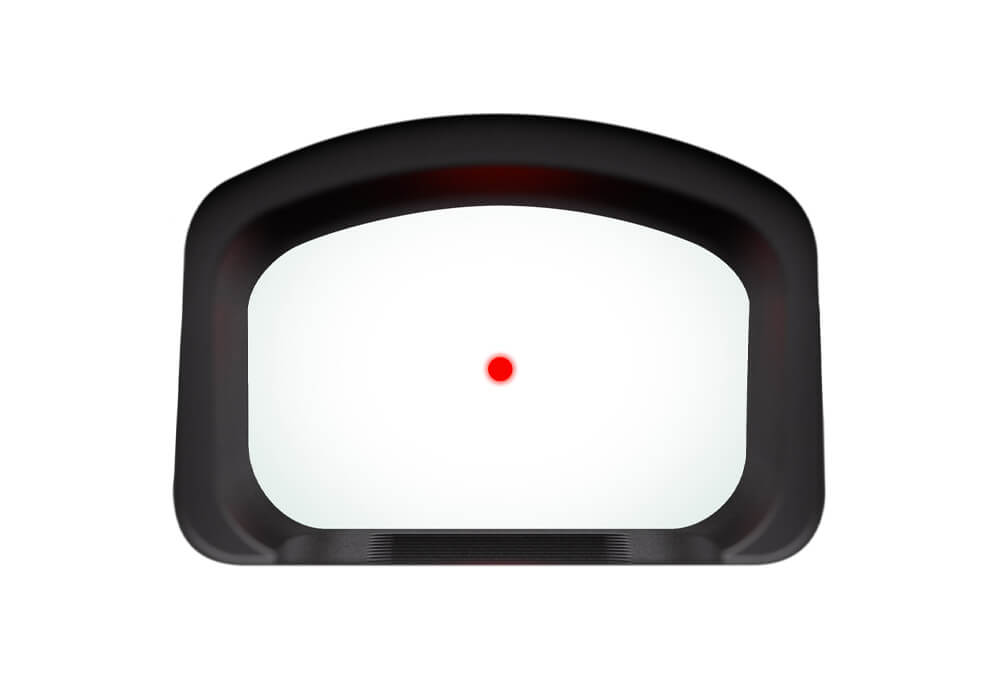
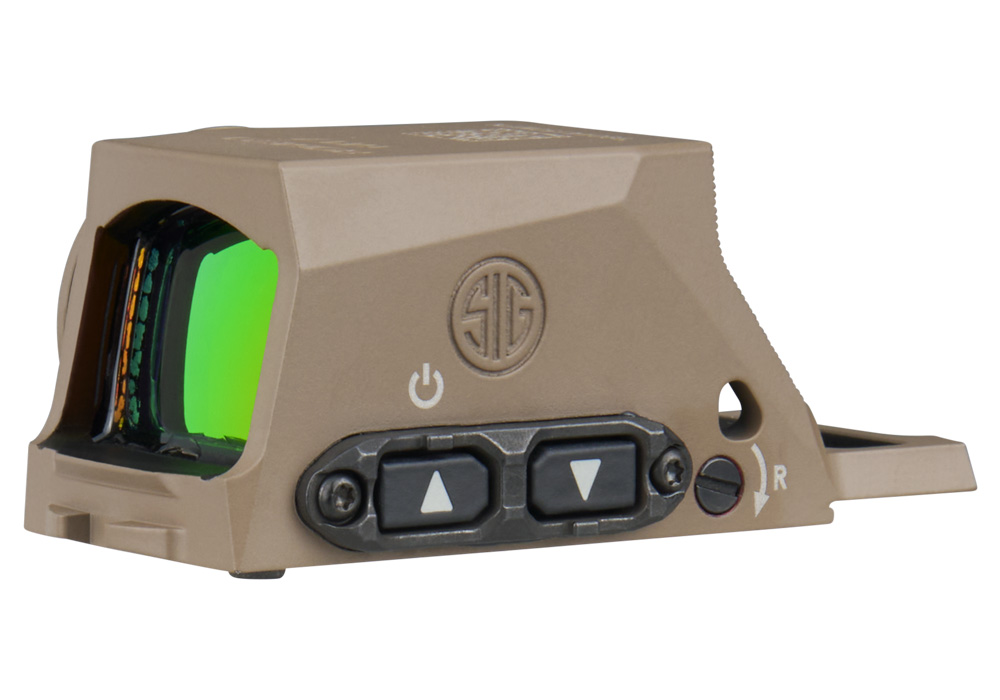
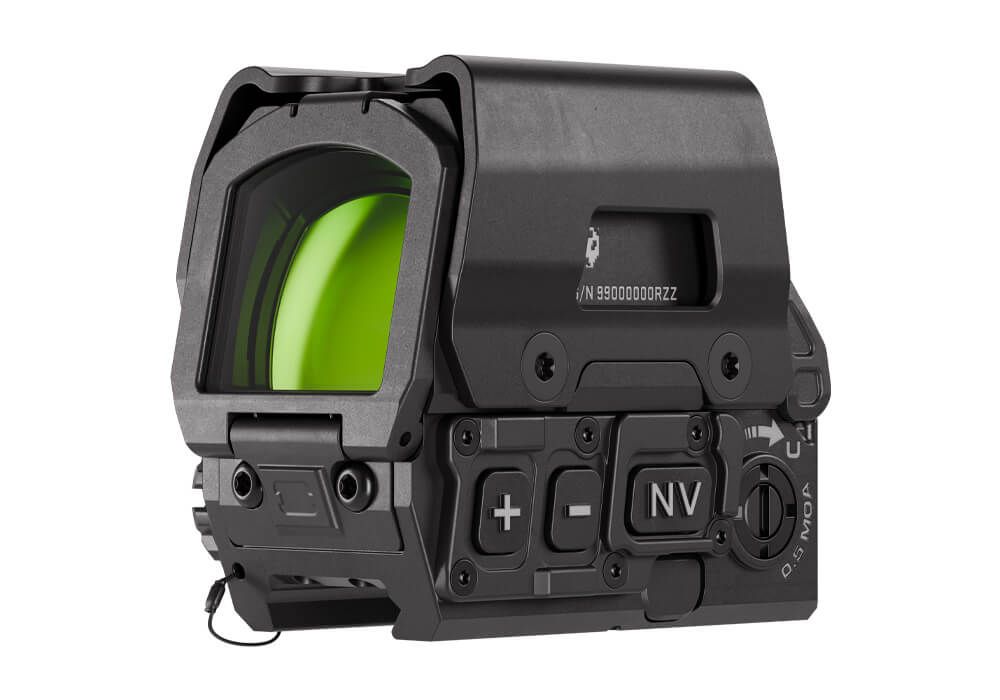
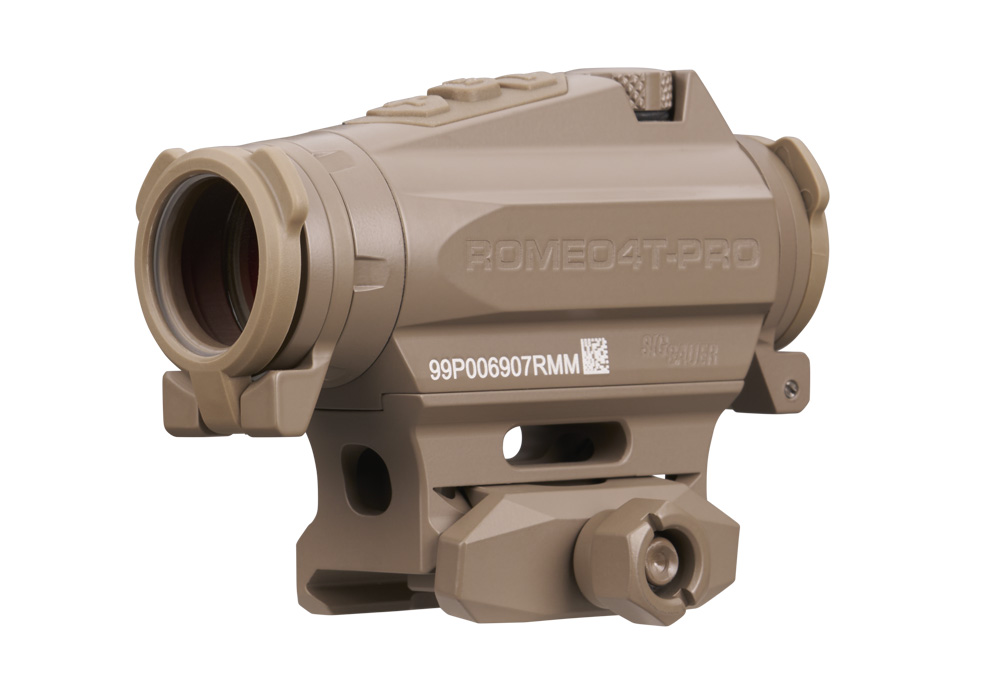
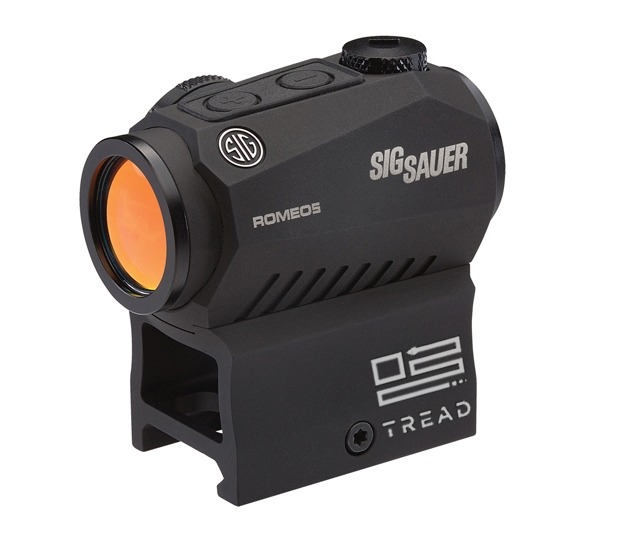
Dot reticles provide a simple, illuminated aiming point designed to help the eye align with a target quickly. They are commonly found in reflex sights, red dot optics, and some magnified scopes, offering a clean sight picture without the visual complexity of traditional crosshairs. This straightforward design makes dot reticle optics popular for handguns, rifles, shotguns, training firearms, competition setups, and general-purpose range use. A single dot can feel especially natural when shooting with both eyes open, allowing the shooter to maintain awareness of the surrounding area while bringing the aiming point onto the target. The size of that point is typically expressed in minutes of angle, or MOA. One MOA covers approximately one inch at 100 yards, so a 2 MOA dot covers about two inches at that distance, while a 6 MOA dot covers about six inches. Smaller dots tend to support more precise aiming at extended distances because they obscure less of the target. Larger dots are usually easier to see and pick up quickly, particularly at closer distances, in changing light, or when the shooter is moving between targets. A 3 MOA dot is often viewed as a versatile middle ground for general-use carbines and handguns, offering a balance of visibility and precision. A 2 MOA dot may appeal to rifle users who want a more refined aiming point for longer-range target work, while a 6 MOA dot can be a practical choice for close-range applications and action-oriented shooting where rapid sight acquisition matters most. Actual performance depends on the firearm, ammunition, distance, lighting, and the shooter’s vision, but understanding MOA provides a useful way to compare dot reticles before selecting an optic.
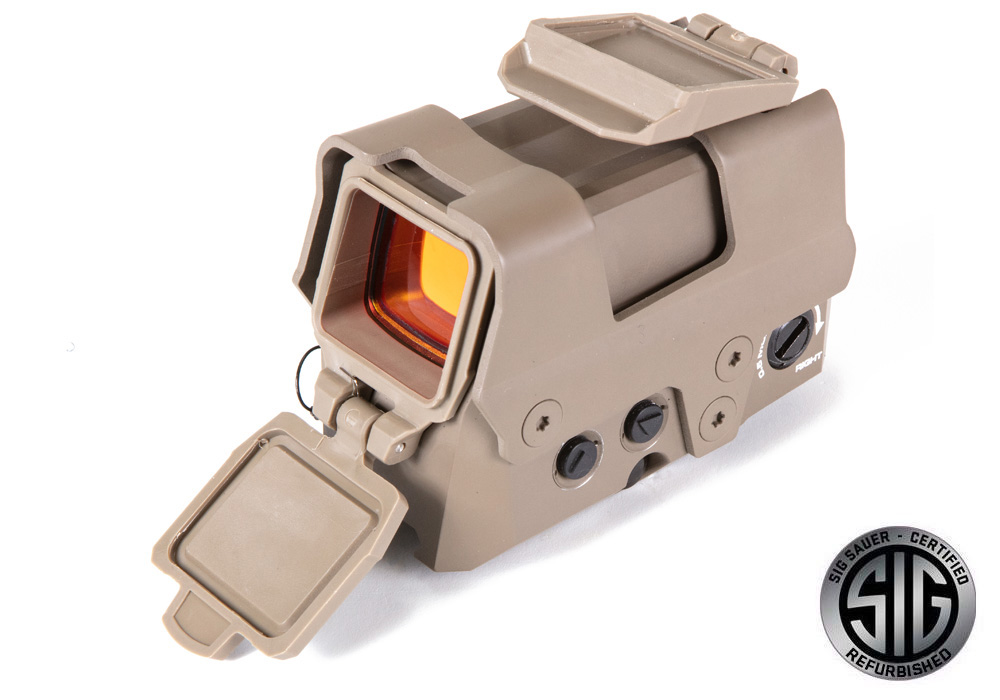
The right dot reticle depends on how the firearm will be used and how the optic will fit into the overall setup. Handgun users often prioritize a compact optic, a durable housing, a clear window, and a dot that remains easy to locate during a fast presentation from the holster. A larger dot may be helpful for close-range practice or competition, while a smaller point can offer a more precise reference for deliberate shooting. Rifle users may place greater emphasis on mounting height, co-witnessing with existing iron sights, adjustment range, and compatibility with magnifiers or other accessories. For a shotgun, a bright, easily visible dot may support quick alignment across a broad range of practical distances. Brightness settings are another important consideration. An optic should offer enough adjustment to remain visible in bright daylight without becoming excessively intense in darker surroundings. Automatic brightness systems can be convenient, while manual controls give the shooter more direct control over the aiming point. Red is the most familiar illuminated reticle color, but green reticles can appear sharper or easier to distinguish for some eyes, especially in bright conditions. Shooters with astigmatism may see a dot as stretched, star-shaped, or slightly blurred; trying different reticle colors, dot sizes, brightness settings, and viewing positions can help identify the clearest option. A clean lens, fresh battery, and consistent brightness setting also contribute to a more usable sight picture. Battery access, stated runtime, water and impact resistance, lens coatings, adjustment controls, and the optic’s footprint should all be considered alongside the reticle itself. Confirming the mounting pattern and available adapter or plate before purchase can help avoid fitment issues, particularly when replacing factory sights or installing an optic on a pistol slide.
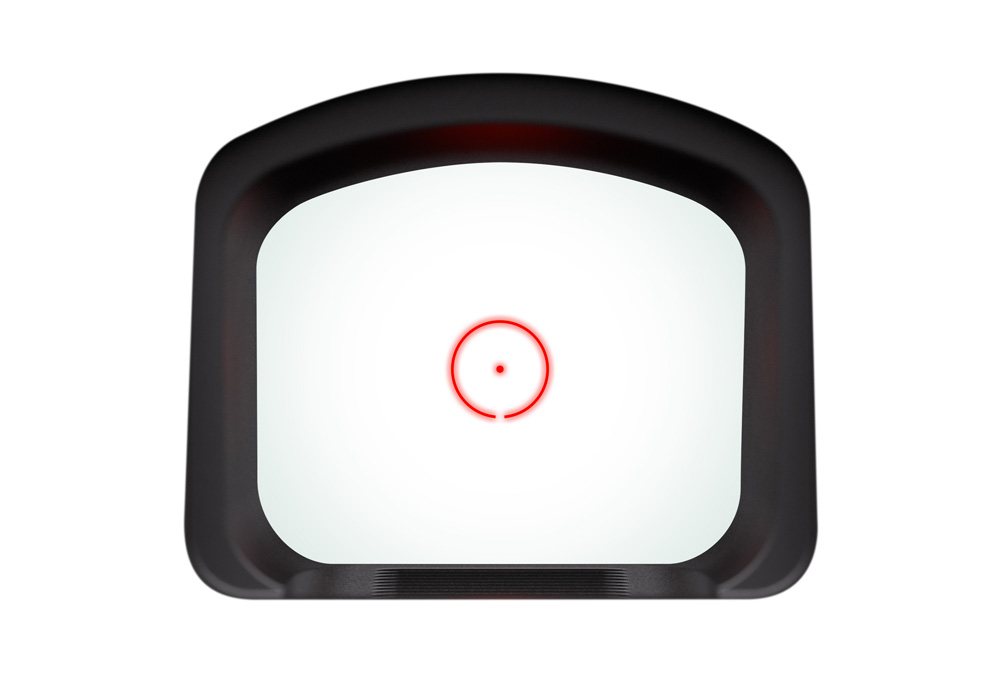
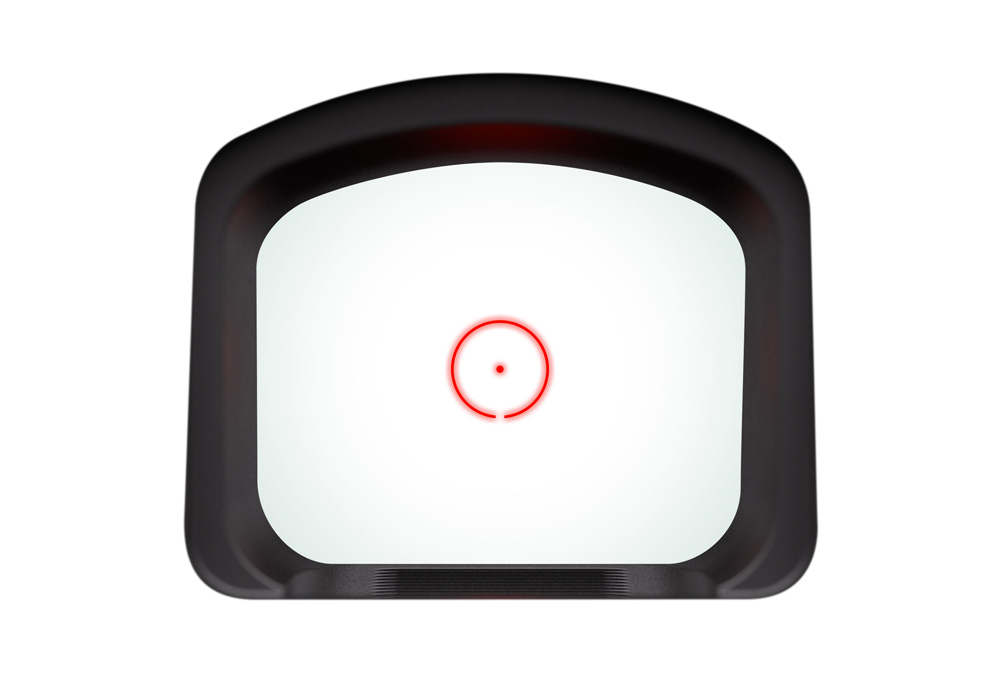
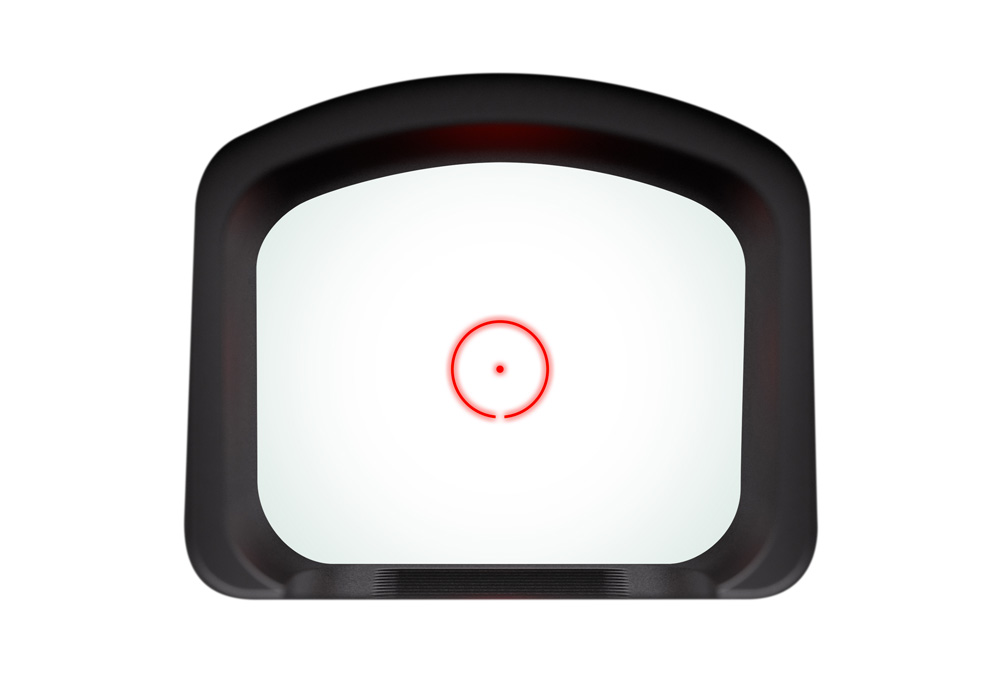
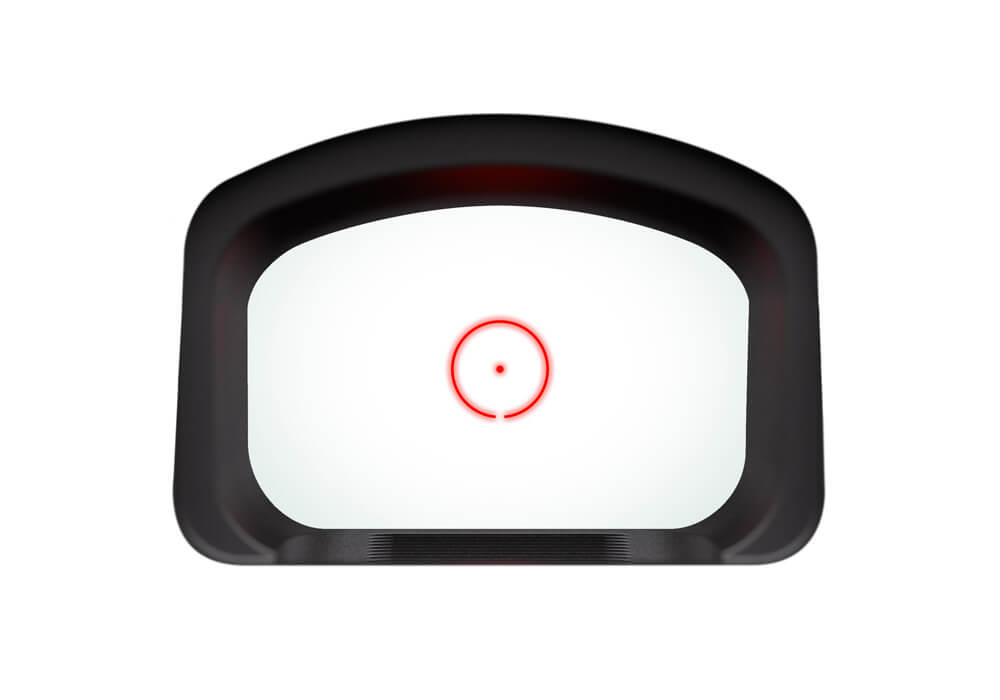
Some dot reticles add an outer ring around the central aiming point. These circle-dot designs combine a bold visual reference for fast alignment with a smaller center dot for more refined aiming, making them useful for shooters who want both speed and a distinct point of precision. Explore Circle Dot Reticle Optics when comparing that style with a traditional single-dot reticle. A plain dot keeps the field of view open and minimizes visual distraction, which can be valuable when tracking a moving target, practicing transitions, or working through a busy range environment. By contrast, an outer ring may help the eye center the optic more quickly, especially for new users or in situations where the sight picture must be acquired without hesitation. Mil-dot reticles are a separate design commonly associated with magnified rifle scopes; their spaced markings correspond to angular measurements in milliradians and can assist with range estimation, holdovers, and trajectory compensation when the shooter understands the required calculations. They should not be confused with a simple illuminated dot measured in MOA. Dot reticles can also make thoughtful gifts for a new firearm owner, a range enthusiast, a competitive shooter, or someone preparing a rifle for use during the cooler months and changing outdoor conditions. The best choice is one that matches the recipient’s firearm, mounting system, intended distances, visual preferences, and experience level rather than simply choosing the largest or brightest dot. During regular practice, shooters can learn how the reticle appears against dark targets, bright backgrounds, shaded lanes, and open terrain, then adjust brightness and confirm zero as conditions change. Whether selected for deliberate target work, competition, hunting, training, or a defensive firearm, a well-matched dot reticle can provide an uncluttered aiming reference and a more consistent sight picture.