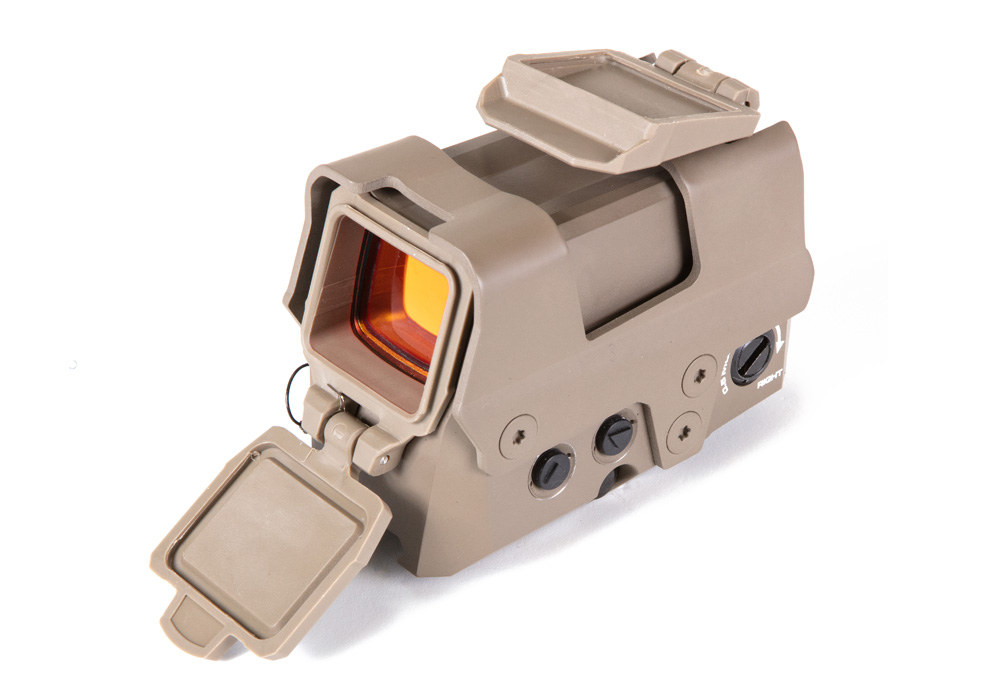
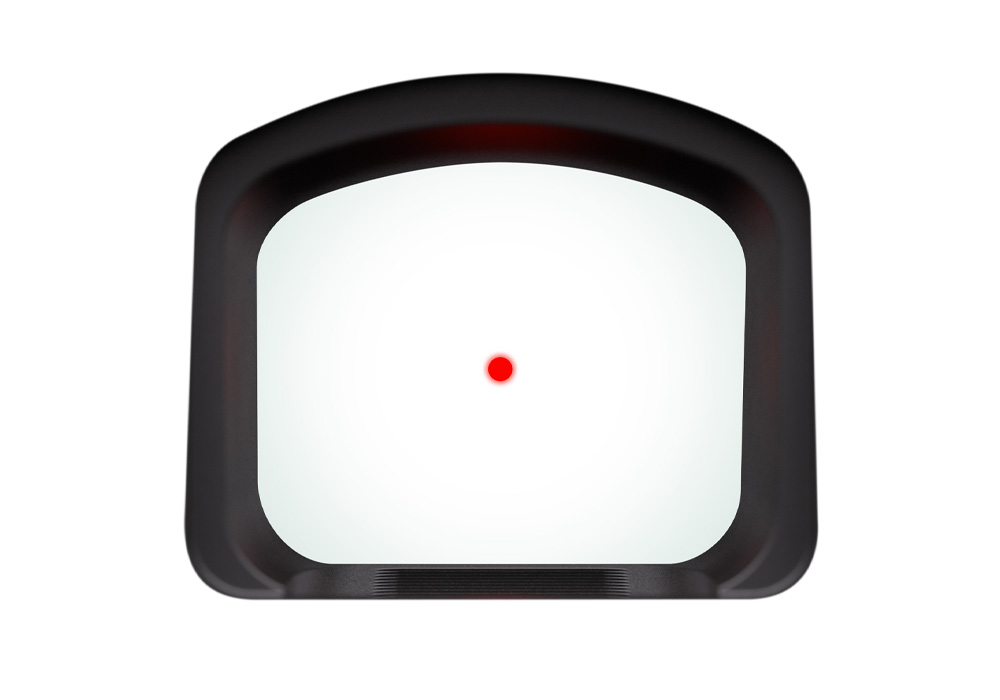
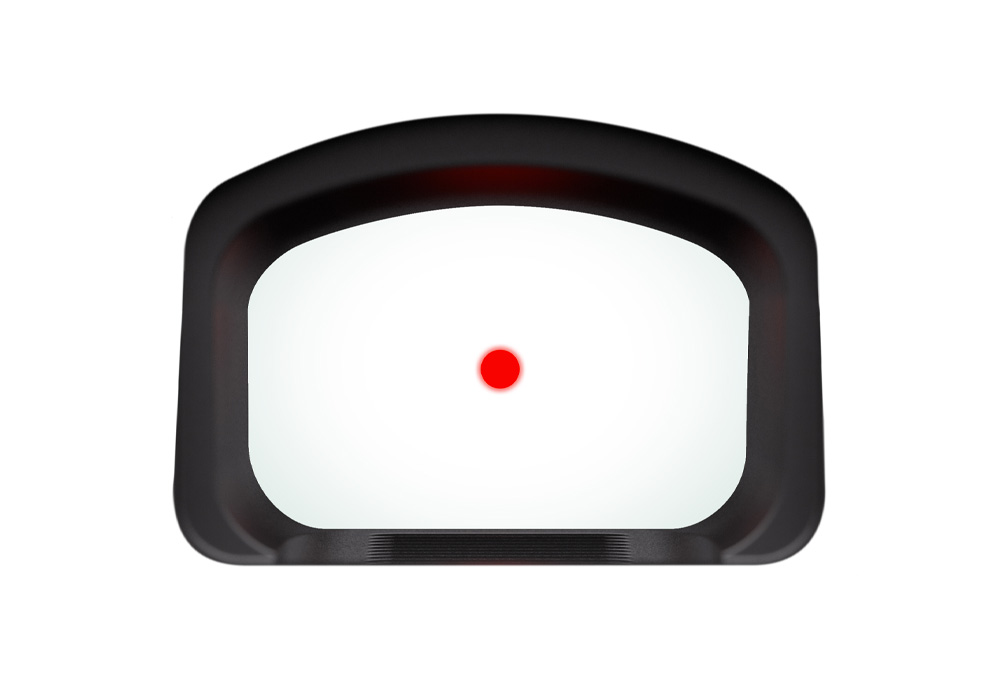
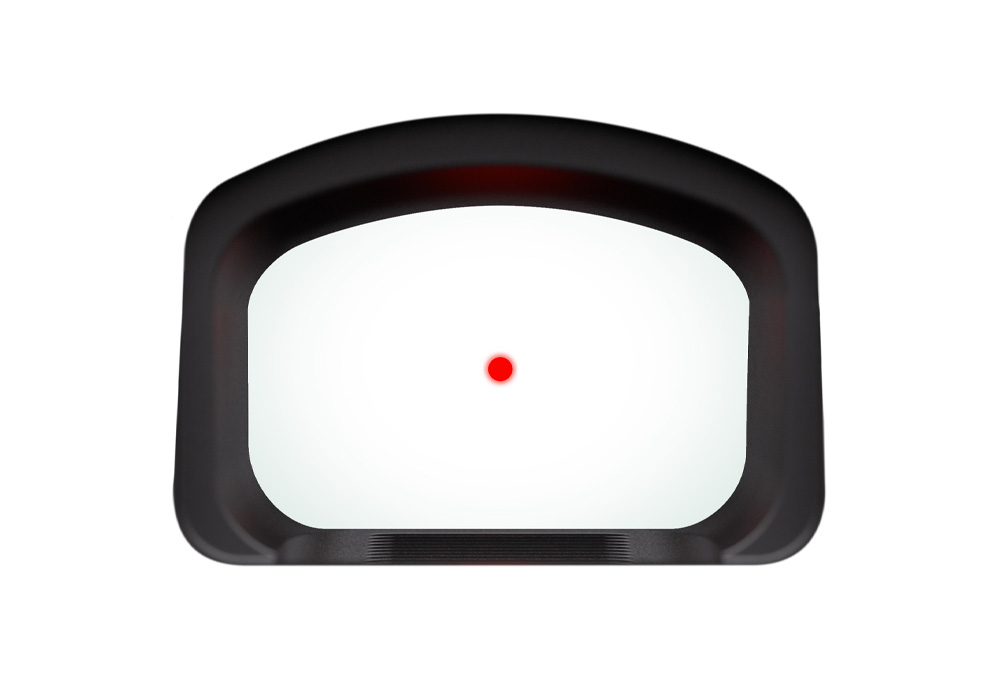
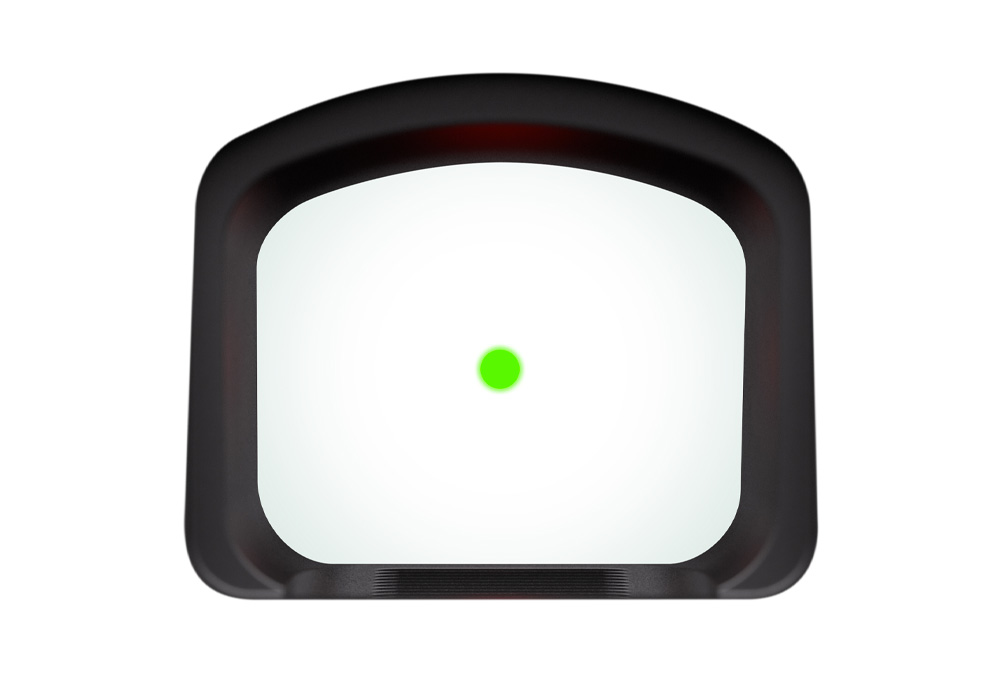
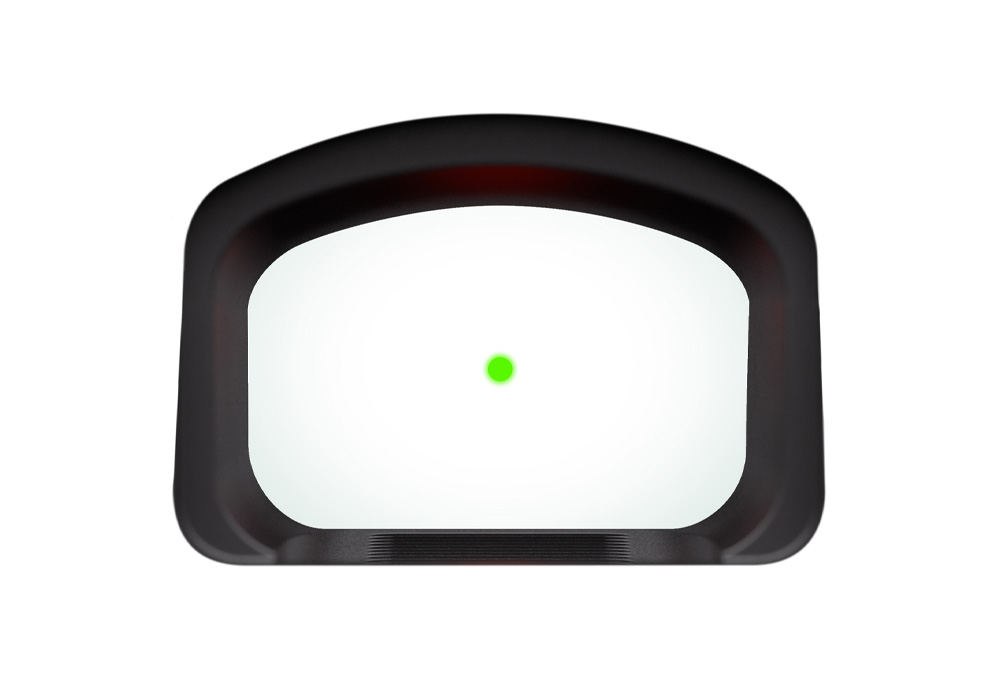
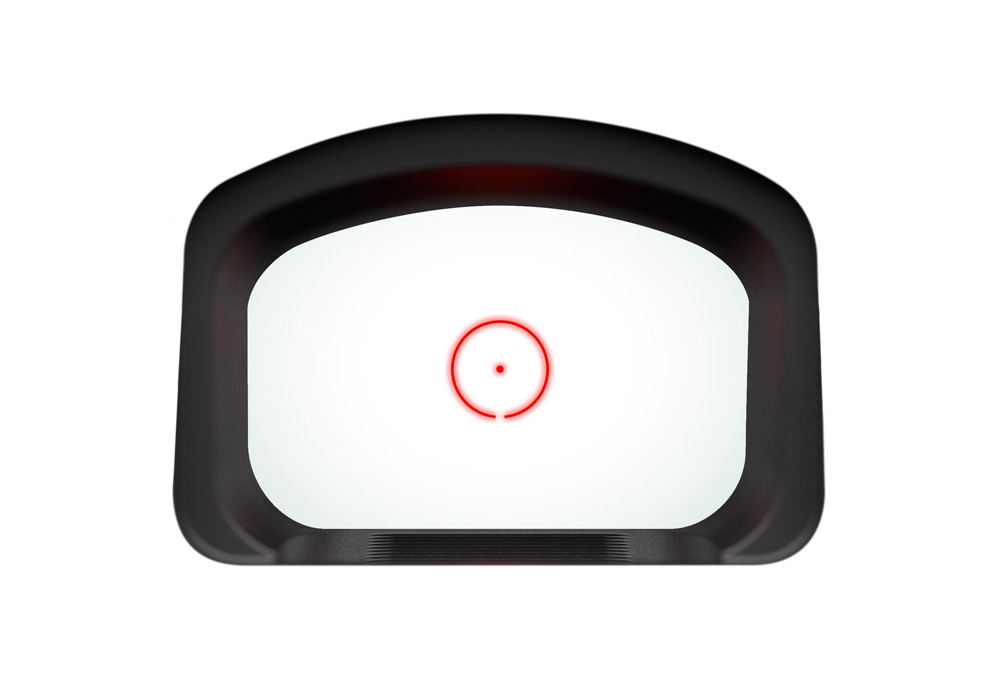
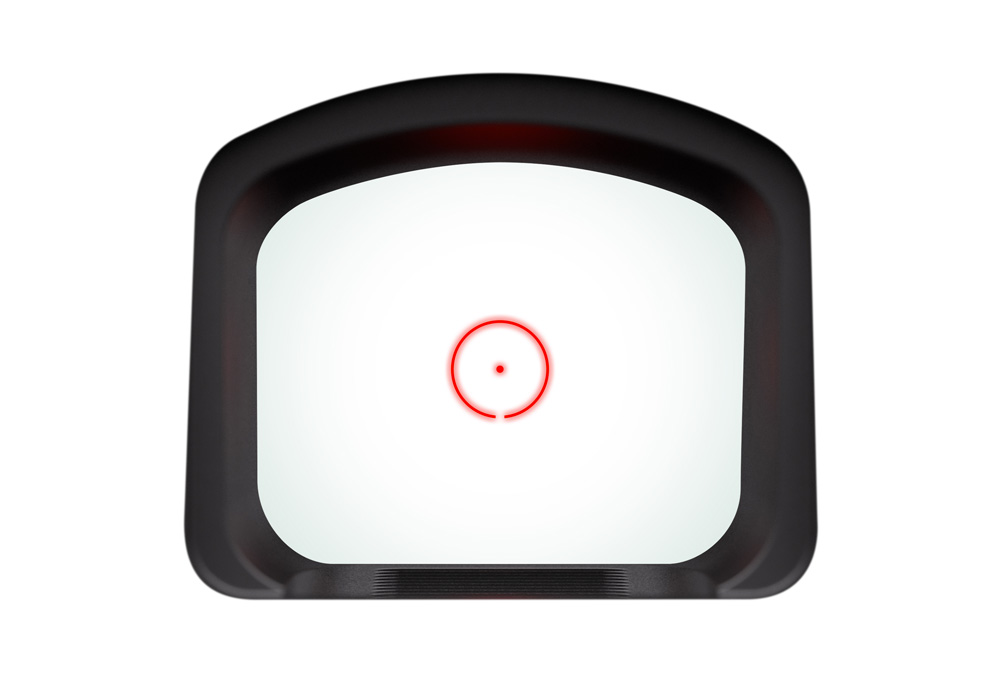
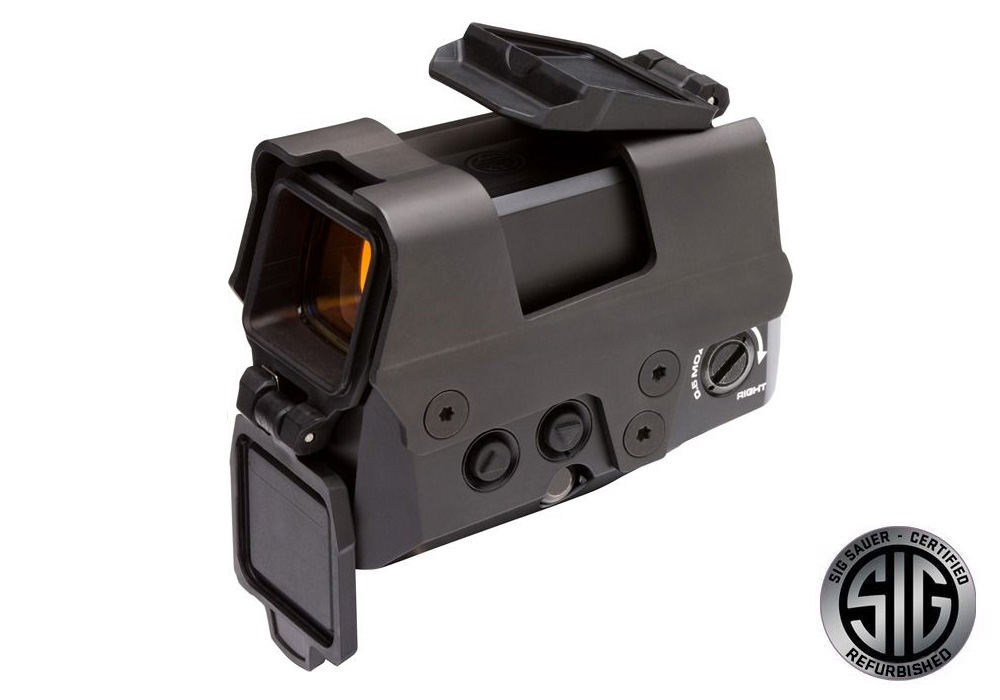
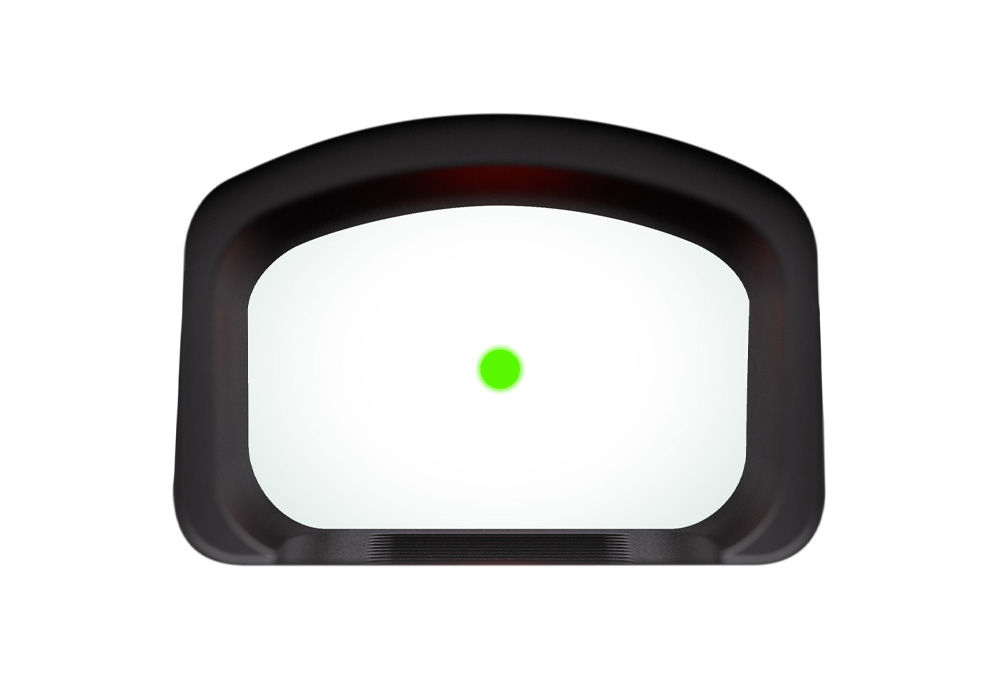
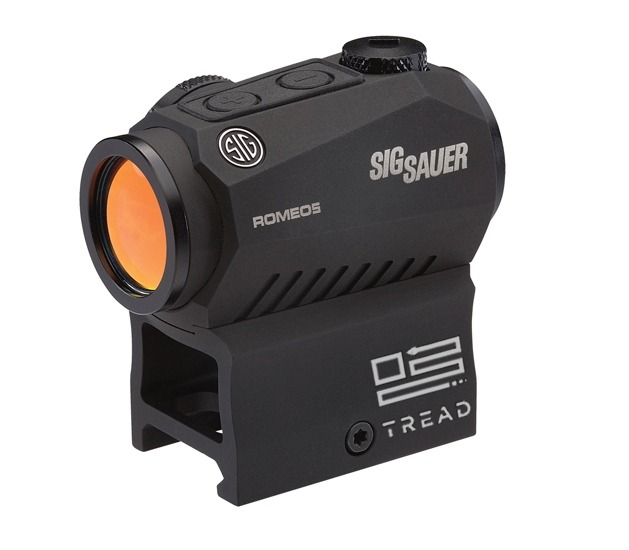
1x35mm red dot optics for shotguns combine unmagnified viewing with a nominal 35mm objective lens and an illuminated aiming point. The 1x designation means the sight does not intentionally magnify the target, while 35mm describes the objective format rather than the mounting footprint or tube diameter. Commonly associated with tube-style housings, this format gives shotgun owners an alternative to smaller reflex sights when a larger objective and a familiar enclosed sight picture are priorities. With both eyes open, an unmagnified optic can support awareness of the surrounding scene while presenting a single aiming reference instead of requiring alignment between front and rear sights. The apparent openness of that view still depends on housing thickness, lens placement, mounting position, and the shooter’s eye position; objective diameter alone does not establish the usable field of view. For recreational target shooting, lawful hunting, and sporting applications that permit optical sights, the appeal is a visible aiming point that remains easy to locate from a comfortable shooting position. Dot size and brightness influence that experience as much as the objective dimension. A finer dot can leave more of a small target visible, while a larger dot may be easier for some eyes to pick up against a detailed background. Brightness adjustment helps balance visibility with definition, since an overly bright setting can make the aiming point appear larger or less distinct. Perceived dot shape also varies with individual eyesight, so a perfectly round appearance cannot be assumed for every shooter. On a shotgun, the dot supplies an aiming reference; it does not outline the shot pattern or guarantee the placement of every pellet. Pattern distribution depends on the firearm, ammunition, choke, and distance. For slug shooting, the relationship between the aiming point and point of impact likewise requires verification with the intended ammunition. Those distinctions help keep the optic’s role clear: it supports a repeatable sight picture without replacing the need to understand the shotgun’s performance.
Fit begins with the shotgun’s receiver and mounting interface, not with the objective measurement. A 1x35mm sight may use an integrated rail base or separate rings, and the correct attachment depends on the particular housing and mount design. A nominal 35mm objective does not mean that 35mm rings are appropriate. Picatinny and Weaver interfaces are common on long-gun optics, but their cross-slot dimensions and attachment details are not universally interchangeable; compatibility needs to be confirmed for the actual sight, base, and firearm. Depending on the shotgun, a suitable foundation may involve an existing receiver rail, a compatible base for factory mounting provisions, or a model-specific saddle arrangement. Mounting hardware should match the receiver configuration without interfering with operation, and installation requirements belong to the firearm, base, and optic manufacturers. Mount height is equally important. A larger tube-style sight can sit higher or occupy more receiver space than a compact reflex design, affecting cheek contact and the way the gun settles into the shoulder. A comfortable setup allows the eye to find the aiming point without an exaggerated lift of the head or an awkward stock position. Clearance around the ejection port, safety, and other controls also matters, as does access for routine cleaning. Shotgun recoil places meaningful demands on the optic and its attachment, so a general claim of ruggedness is not a substitute for an explicit recoil rating suitable for the intended firearm and ammunition. A sight intended for a lighter-recoiling platform should not automatically be treated as suitable for 12-gauge or 20-gauge use. Aluminum housings, protective finishes, secure adjustment mechanisms, and well-supported lenses are common considerations when assessing construction. Lens coatings can help manage reflections and improve light transmission, while effective sealing helps protect internal components from dust and moisture. Durability belongs to the complete system: a strong housing still depends on a correctly matched mount, appropriate fasteners, and installation that follows the specified torque requirements.
Everyday ownership brings battery access, controls, lens care, and adjustment retention into focus. Battery life figures are most useful when considered alongside the brightness setting and operating conditions used to establish them, rather than as an unconditional service interval. Automatic illumination features, where present, also deserve attention because their behavior affects how the sight fits into a regular storage and maintenance routine. Controls that are easy to identify by touch can be helpful on a crowded receiver, while protected adjustment points reduce the likelihood of an unwanted setting change during transport. Battery compartment location matters as well: access without removing the optic can simplify maintenance, although any change that disturbs the mounting system calls for checking the sight’s settings and confirming point of impact before use. Clear lenses deserve the same care as the rest of the optical assembly. Loose grit should be removed before wiping, and lens-safe cleaning materials help protect coatings from abrasion. Solvents intended for other parts of the firearm may not be suitable for optical surfaces, seals, or finishes, so the optic’s care instructions remain the appropriate reference. Before inspection or maintenance, the shotgun should be unloaded and handled according to its safety instructions. A protective cover, when compatible, can limit contact with dust and other objects in a case, while secure storage helps protect both the firearm and its attached equipment. The same fit and visibility considerations apply across Dot Reticle Optics for Shotguns, whether the preferred housing is a traditional tube or a more compact format. For a shooter spending time on deliberate range practice, a distinct dot and comfortable head position may matter more than minimizing every ounce. For someone carrying a shotgun over longer distances, overall weight, balance, and receiver bulk may deserve greater emphasis. A well-matched 1x35mm configuration brings those practical details together: suitable recoil support, a compatible mounting arrangement, accessible controls, and an aiming point that remains comfortable to use throughout a normal shooting session.