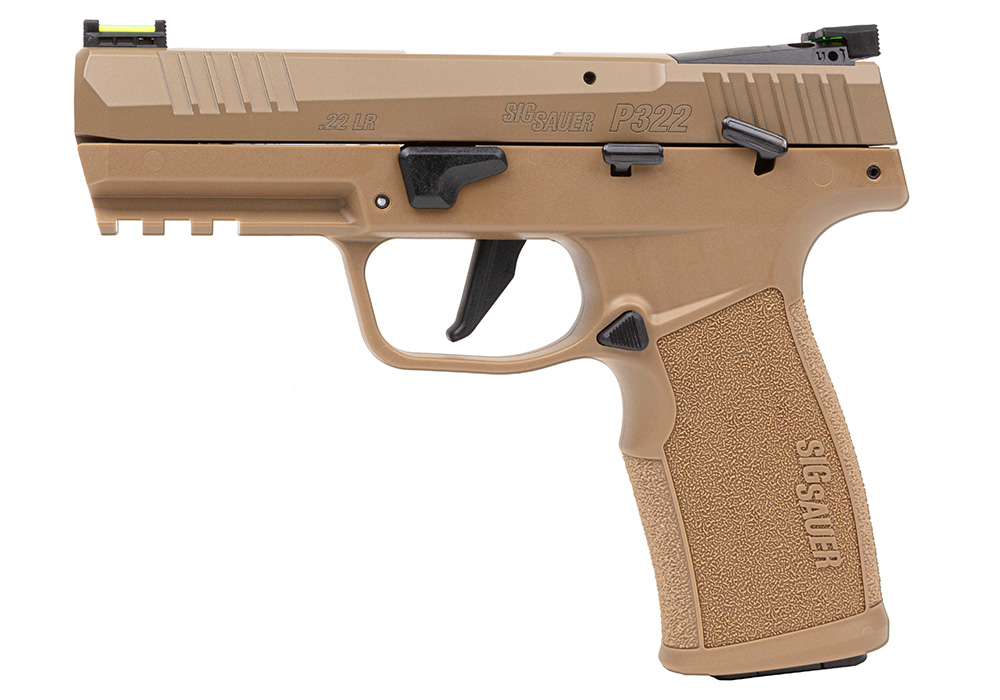
Equipment for 22LR pistol owners should support safe handling, reliable function, comfortable practice, and simple organization from the time the pistol leaves the safe until the last round is cleared at the range. Eye protection and hearing protection form the foundation of every session. Shatter-resistant shooting glasses help shield the eyes from flying debris, ejected cases, and particles that can be stirred up around a firing line, while clear lenses are useful indoors and tinted lenses can make bright outdoor conditions more comfortable. Hearing protection may include foam earplugs, electronic muffs, or a combination of both, particularly when shooting alongside larger-caliber firearms. A properly fitted set should stay in place while moving, loading, or checking targets, since protection that is uncomfortable often gets adjusted or removed at the wrong time. A durable range bag keeps the rest of the equipment together and makes preparation more consistent. Dedicated compartments can separate the unloaded pistol, magazines, ammunition, eye and ear protection, targets, tools, and personal items, while a discreet, lockable container may be appropriate for transport depending on local requirements. Many owners also appreciate small items that make a session feel orderly: a chamber flag for clear-status visibility, a compact flashlight for inspecting equipment, spare batteries for electronic accessories, and a simple notebook for recording ammunition performance or maintenance needs. For a new owner, a thoughtfully assembled range bag can be a practical gift because it supports safe habits without requiring a deep knowledge of the firearm itself.
Cleaning and maintenance equipment is especially useful for .22 LR pistols because rimfire ammunition can leave behind powder residue, bullet lubricant, and fouling that collect around the chamber, feed ramp, slide, and bore. A .22-caliber cleaning kit commonly includes a properly sized bore snake or cleaning rod, patches, a small bore brush, nylon utility brushes, a cleaning pick, and a lint-free cloth. The correct tools help remove residue without scraping finished surfaces or forcing an oversized brush through the bore. A light gun oil or CLP can protect metal surfaces and keep appropriate moving parts lubricated, but more lubricant is not necessarily better; excess oil can attract dust and residue, especially in a pistol that is handled frequently. Follow the owner’s manual for disassembly points, lubrication locations, and inspection intervals, and confirm that the firearm is unloaded before beginning any maintenance. Cleaning supplies are useful for both experienced owners and those receiving a .22 LR pistol as a gift, since a basic maintenance routine builds familiarity with the pistol’s controls and condition. Lead-removal wipes or specialized hand-cleaning soap are also sensible additions after a range visit. Washing hands thoroughly before eating, drinking, or touching the face is a straightforward part of responsible ammunition handling. During the cooler months, when range bags may move between a heated vehicle, an indoor range, and a storage area, allowing equipment to return to room temperature before sealing it away can help reduce condensation. A dry storage case, silica-gel packs, and a secure locking solution provide added protection when the pistol is not in use, while ammunition should be stored separately as appropriate and kept dry, cool, and inaccessible to unauthorized users.
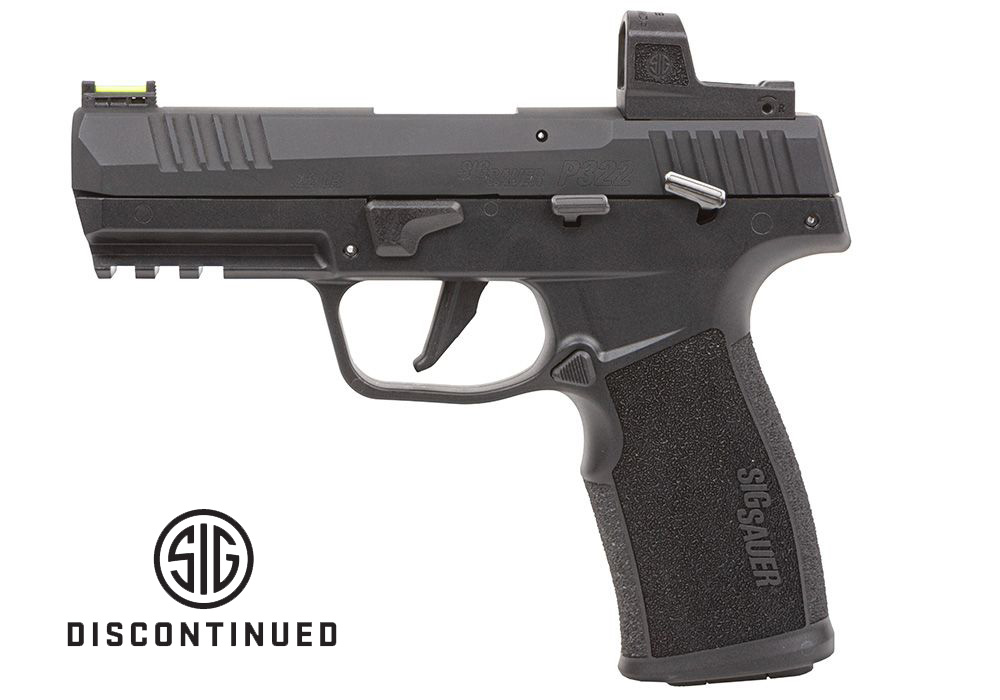
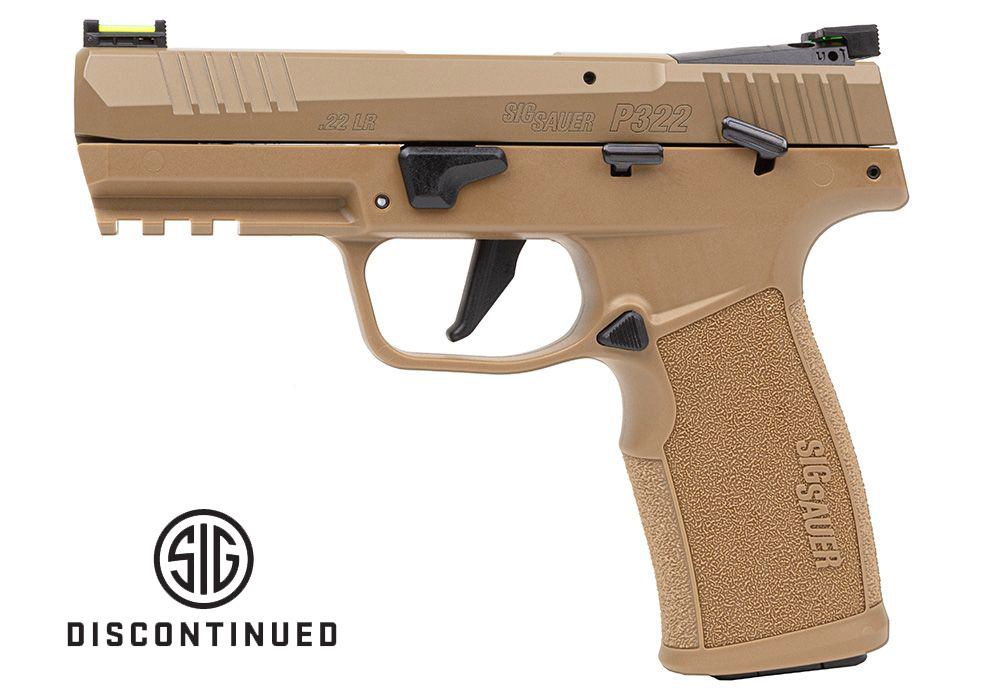
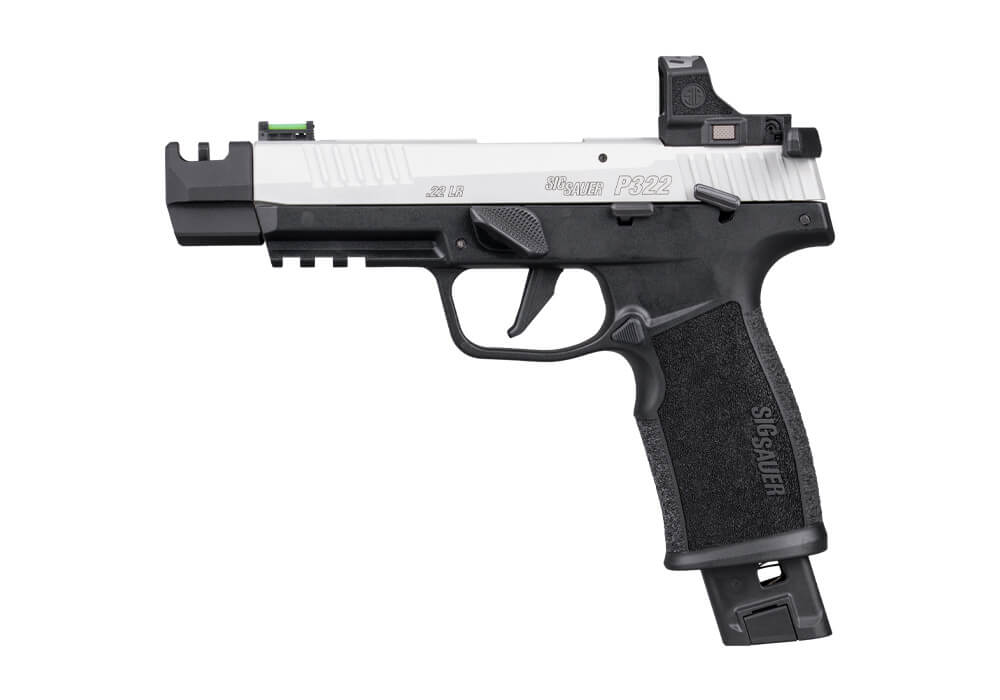
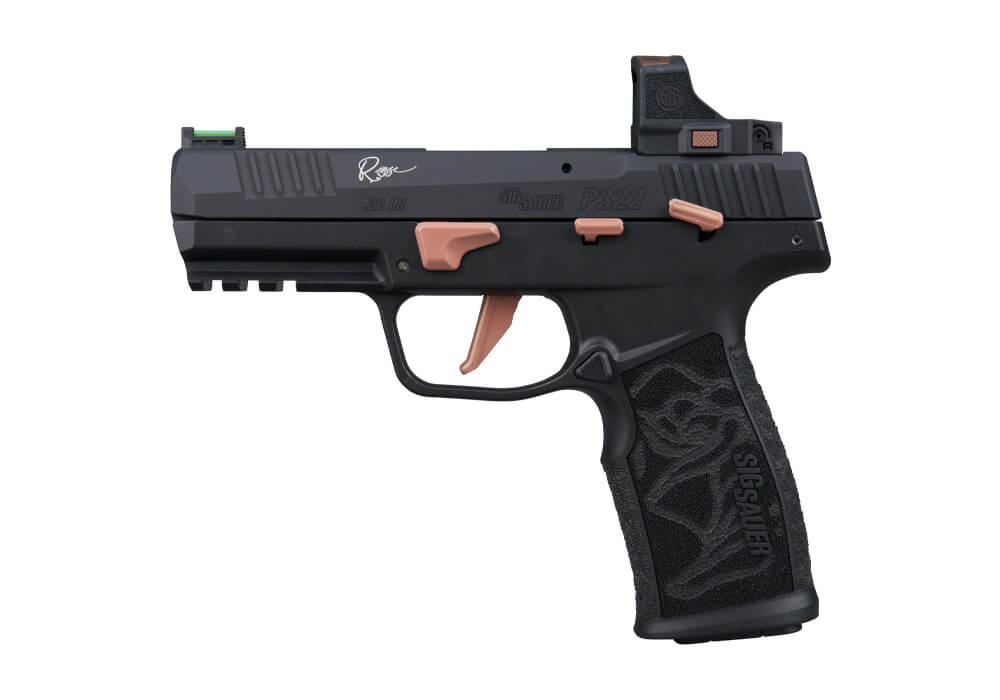
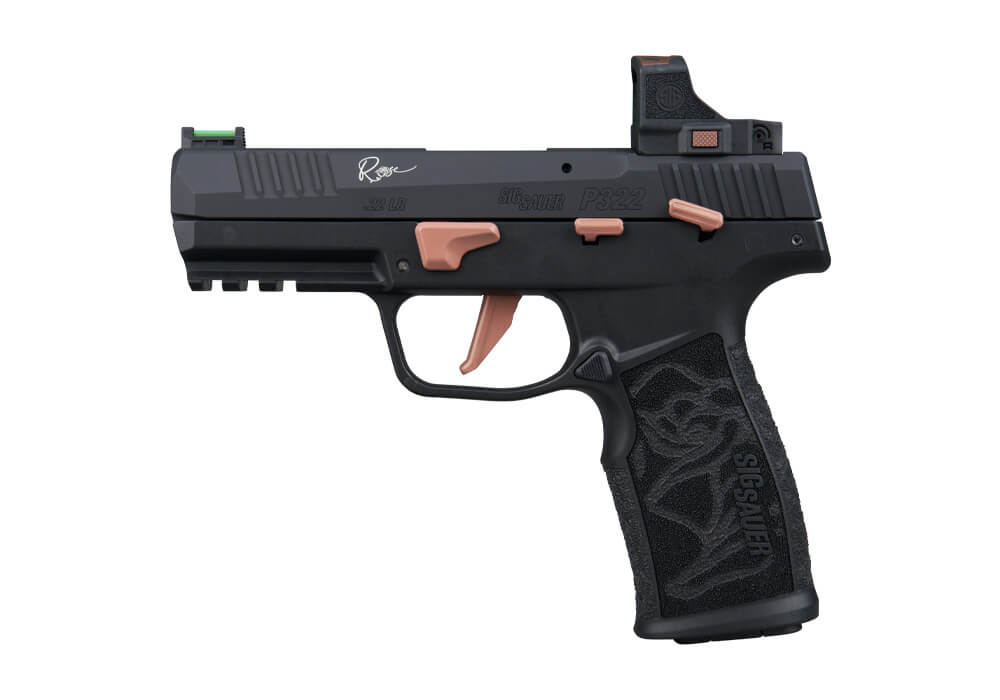
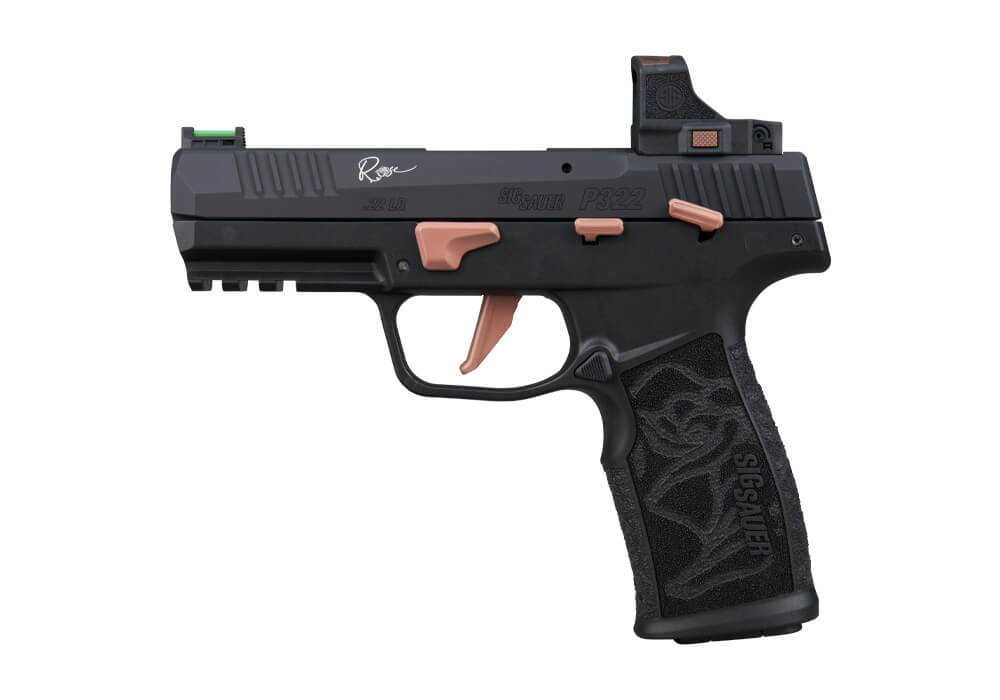
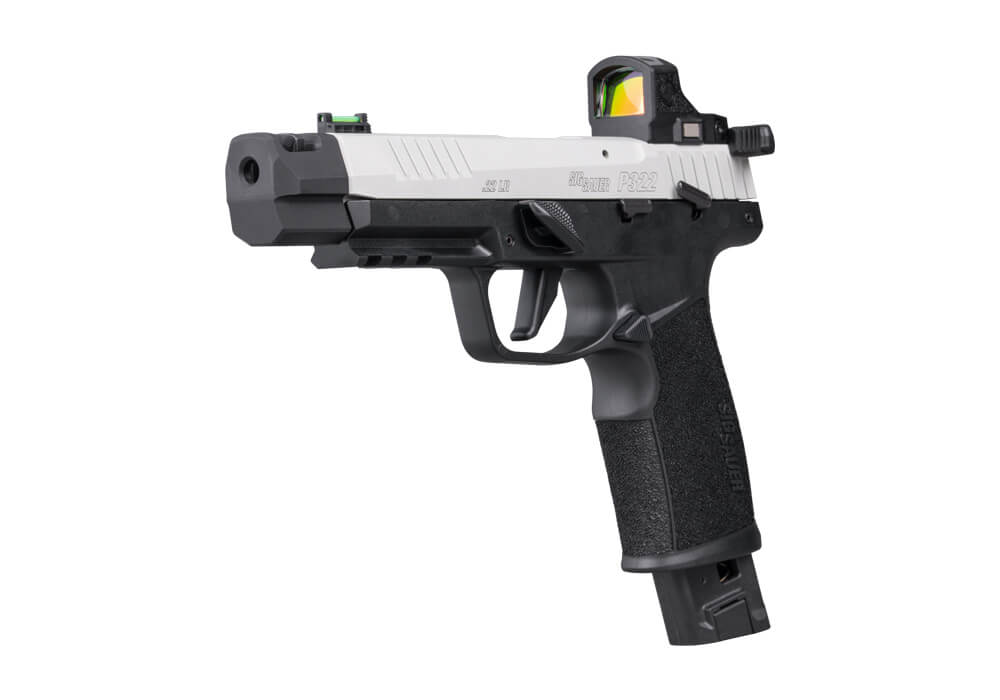
Extra magazines, magazine pouches, and a magazine loader can make practice more efficient without changing the basic character of a .22 LR pistol. Keeping several magazines available reduces interruptions between exercises and gives the shooter time to concentrate on grip, sight alignment, trigger control, and follow-through rather than repeatedly stopping to reload. Choose magazines designed for the exact pistol and verify that they seat, drop free when intended, and feed correctly before relying on them for a practice plan. Standard-capacity magazines are often convenient for general range use, while extended-capacity options may suit owners who prefer fewer reloads during informal target practice, subject to applicable laws and range rules. A loader tool can ease the pressure on the thumbs during a long session, particularly for shooters with smaller hands, reduced grip strength, or limited dexterity. Sights and optic accessories can also be considered when they are compatible with the pistol and intended use. Fiber-optic sights may provide a bright reference in favorable lighting, while a properly mounted red-dot optic can help some shooters find the aiming point more naturally during deliberate practice. Any sighting upgrade should be installed securely, confirmed at the range, and checked periodically for fasteners or changes in point of impact. Grip comfort deserves equal attention: a texture or contour that feels secure without creating hot spots can make extended practice more enjoyable and help the shooter maintain a consistent hold. Owners exploring that part of their setup can review Ergonomic Grip 22 LR Pistols for equipment centered on hand fit and control. Taken together, these accessories help create a complete .22 LR pistol setup for casual plinking, structured target practice, introductory training, or an afternoon at the range with family and friends. The most useful choices are the ones that fit the specific pistol, support safe storage and handling, and make each session easier to organize from start to finish.