Outdoor pistol practice is easier to enjoy when the right equipment keeps the session safe, organized, and focused. A typical setup begins with dependable eye protection and hearing protection. Impact-rated shooting glasses help shield the eyes from airborne debris, ejected casings, and fragments that can be produced when shooting at reactive targets, while clear or lightly tinted lenses can be useful as outdoor light changes during the cooler months. Electronic or passive earmuffs, along with properly fitted earplugs, help reduce the sharp report of gunfire while making it easier to hear range commands and communicate with others. A durable range bag gives every item a designated place, from the pistol and magazines to ammunition, tools, targets, water, and a small first-aid kit. Look for sturdy construction, secure closures, reinforced carry handles, and compartments that keep ammunition separate from other gear. A basic cleaning kit is also a practical addition, especially after a dusty outdoor session or a day spent shooting in damp grass. Cloths, a chamber flag where required by the range, lubricant, and a compact set of common tools can help with routine maintenance and safe storage. Hydration matters as much as equipment; a long practice session in bright sun or crisp wind can be more tiring than expected, and fatigue can make it harder to maintain safe habits. Before heading out, confirm the range’s rules for target types, calibers, holsters, ammunition, and firearms transport, and follow all applicable laws and local requirements.
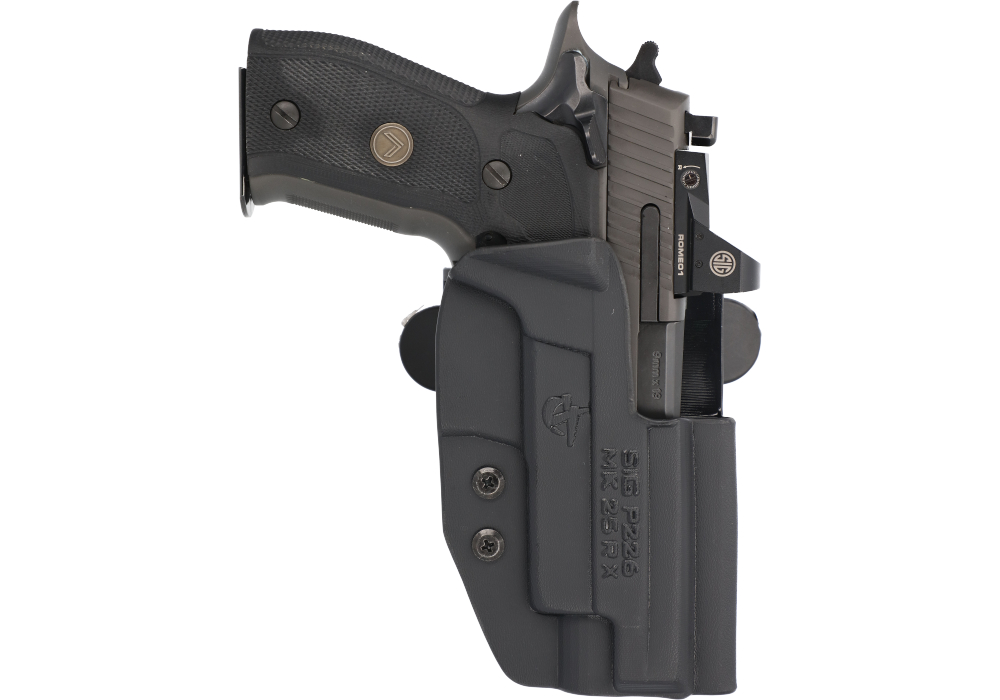
The most useful practice equipment depends on whether the goal is steady accuracy, familiarization, or structured drills. Paper targets remain a versatile choice because they show group size, sight alignment, and point-of-impact changes with clear visual evidence. Bullseye designs can support careful accuracy work, while silhouette-style targets may be useful for practicing consistent aiming at larger defined zones. A portable target stand should be stable enough for the terrain and positioned according to the range’s instructions, with a backer and fasteners suited to outdoor conditions. Reactive steel targets can provide immediate audible or visible feedback, but they must be specifically rated for the pistol caliber, distance, and ammunition being used; always follow the target manufacturer’s safety guidance and the range’s requirements. Ammunition should match the pistol’s exact caliber and be appropriate for the firearm and the range. Full metal jacket target ammunition is commonly selected for routine practice, while some ranges impose restrictions on steel-core, tracer, armor-piercing, or other specialized loads. Keep ammunition in its original packaging or a clearly labeled container until it is ready to use. For shooters working on a consistent presentation from a holster, a rigid, properly fitted holster with reliable retention can help keep the pistol secure during movement, but holster work should only be performed where it is expressly permitted and after receiving qualified instruction. Magazine pouches mounted to a suitable belt make spare magazines easier to access without placing loose equipment on the ground. Choose pouches that fit the magazine design, whether using standard or extended capacity magazines, and check that the belt provides enough support for the combined weight of the holster, magazines, and other accessories. A shot timer can add structure by recording start signals, draw times, and split times, making it easier to track progress over multiple sessions without relying on impressions alone. Even a simple notebook and pen can be valuable for recording the firearm used, ammunition, target distance, weather, group size, and observations about grip or sight picture.
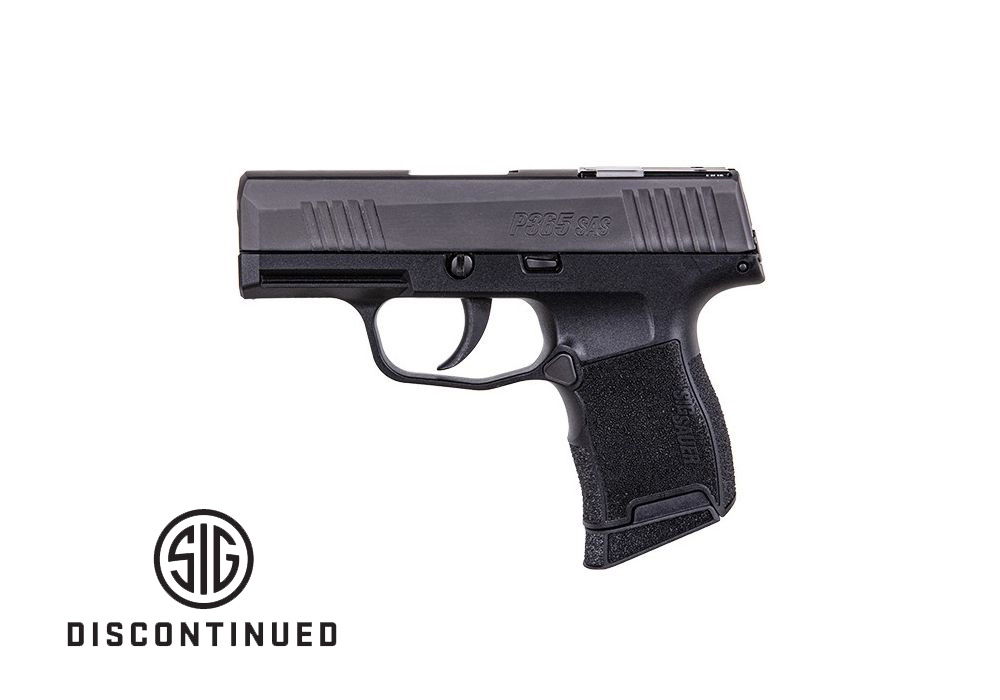
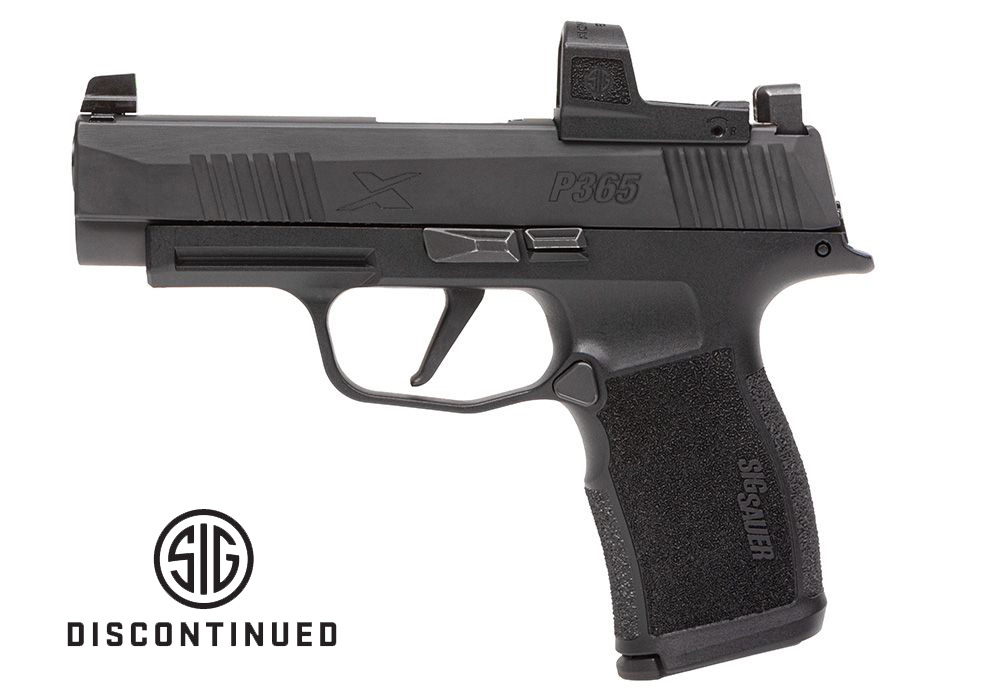
Equipment for outdoor pistol practice can serve new shooters, experienced range users, instructors, and anyone assembling a thoughtful gift for a responsible firearm owner. For a beginner, eye and ear protection, a well-organized range bag, paper targets, and a notebook form a practical foundation that supports good habits from the first session. An experienced shooter may appreciate specialized additions such as a shot timer, additional magazine pouches, a sturdier target system, or upgraded storage that makes range preparation faster. Gift buyers should pay close attention to compatibility: holsters, magazine pouches, magazines, cleaning tools, and ammunition are often dependent on the exact pistol model or caliber, so a gift card or universally useful safety equipment may be the better choice when those details are unknown. Shooters comparing pistols for practice can review Pistols for Range Shooting while considering factors such as fit, controls, sight picture, trigger reach, recoil, and the availability of compatible magazines and accessories. Comfort is especially important during longer sessions; a grip that allows a secure hold without excessive strain, controls that are easy to operate safely, and sights that remain visible in changing outdoor light can all contribute to consistent practice. During cooler months, layered clothing should allow unrestricted movement without interfering with the holster or grip, and gloves should never compromise trigger-finger discipline or the ability to operate the firearm safely. Pack equipment before leaving home, inspect the pistol and accessories according to the owner’s manual, and keep the range area orderly by collecting spent cases and discarded target materials where permitted. Thoughtful preparation turns a simple trip outdoors into a repeatable practice routine, helping each session feel less rushed and making it easier to notice small improvements over time.