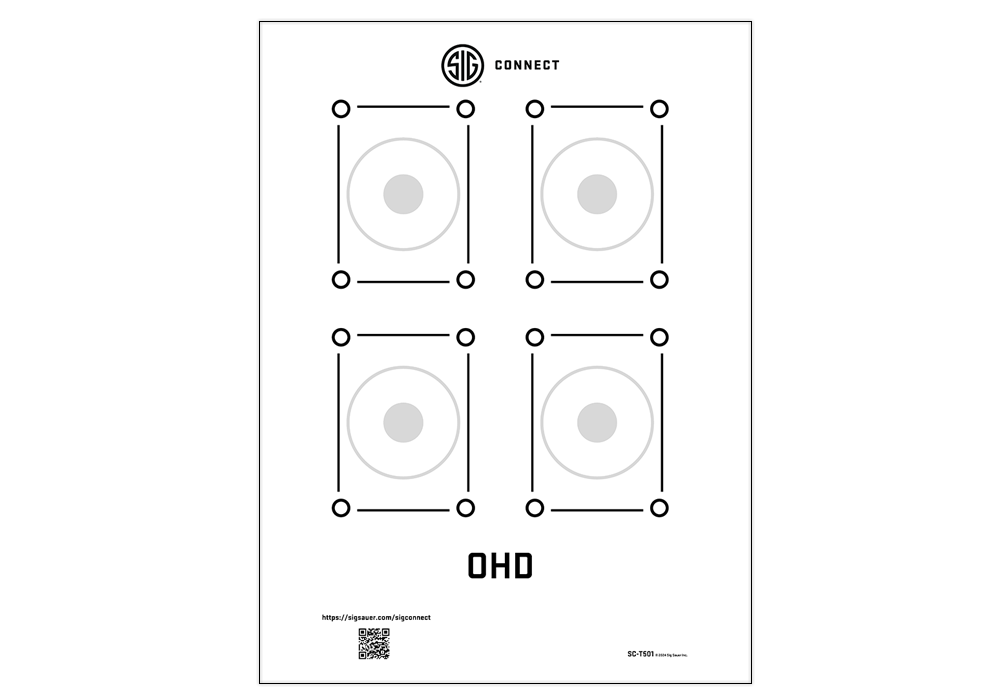
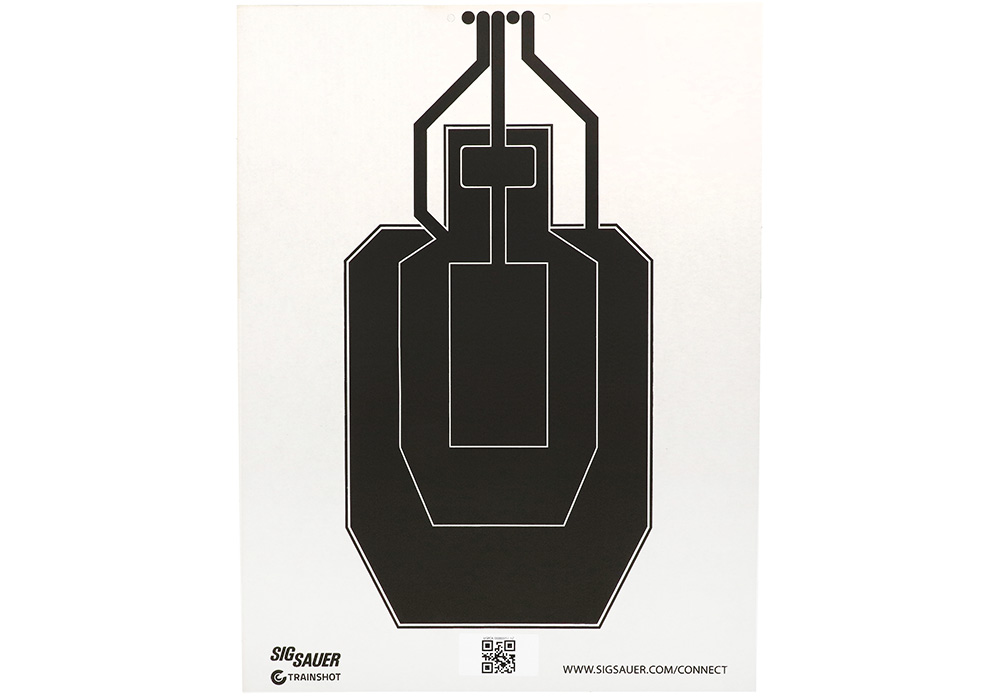
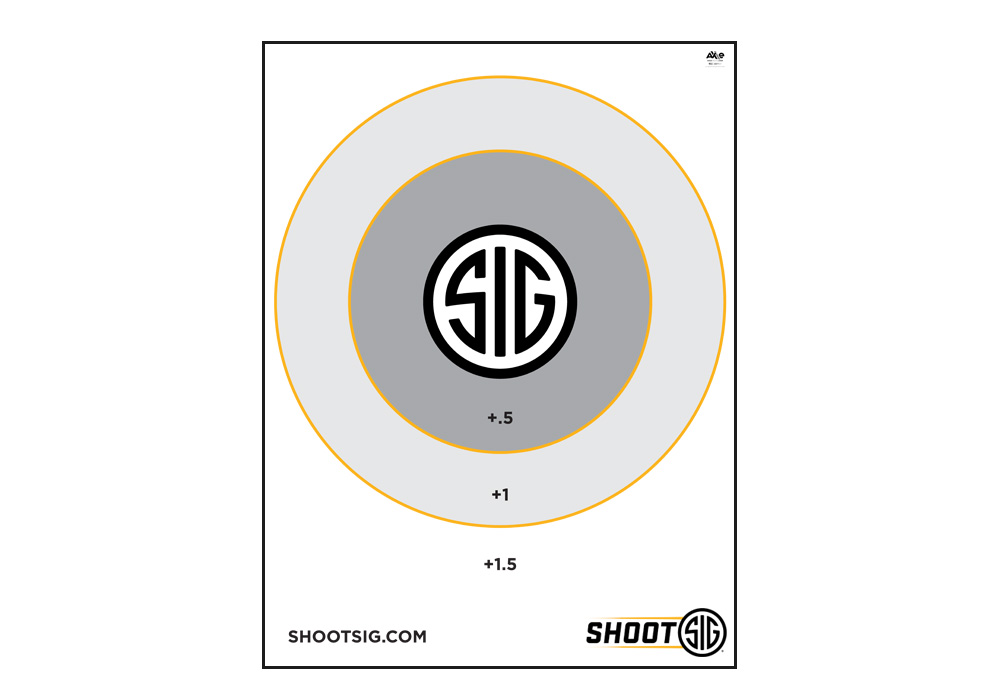
Pistol targets provide a visible reference for recreational handgun shooting, organized range practice, and competition, with options ranging from printed paper bullseyes to reusable steel and polymer designs. The most useful choice depends on the shooting environment, the range’s rules, the handgun and ammunition involved, and the kind of feedback the shooter wants to see. Paper targets offer a straightforward way to inspect individual shot holes and keep a record of a range visit. Cardboard targets provide a firmer backing and are common in organized shooting activities, while reactive targets can offer visual movement, a contrasting mark, or an audible response, depending on their construction. Each format serves a different purpose rather than representing a universal upgrade. A clearly printed bullseye suits someone who prefers a familiar aiming reference and an easy-to-read scoring layout. A grid can provide helpful visual context when comparing groups on paper. Silhouette formats offer a larger printed outline and may include scoring areas associated with particular range activities or competition rules. Multiple-bull layouts place several distinct aiming points on one sheet, giving shooters separate areas to use without replacing the entire target after every group. Overall sheet size matters, but so does the size of the printed aiming area: a large sheet can still contain small details that are difficult to distinguish from the firing line. Strong contrast, clean edges, and readable numbers help keep the layout useful under the range’s lighting. Some marking surfaces reveal a bright ring around a new hole, making impacts easier to identify against a dark background, although visibility still depends on distance, lighting, and eyesight. For shooters who enjoy reviewing their sessions afterward, a paper target also becomes a simple physical record, with room to note the date, firearm, ammunition, and range conditions. That lasting reference can be more useful than an immediate reaction alone, especially when the goal is consistent documentation rather than a moving or ringing target.
Material and construction influence how pistol targets handle repeated use, how they attach to a support, and what maintenance they need between range visits. Paper weight affects stiffness and resistance to tearing around clips or staples, while print quality helps preserve the distinction between scoring rings, grids, and background areas. Cardboard offers more structure than a loose paper sheet, though its service life depends on the number and placement of impacts and the condition of its edges. Adhesive-backed targets need a compatible surface for a secure bond; a dusty, uneven, or heavily perforated backing may not support them as well as a clean, sound surface. Repair patches can extend the usefulness of compatible paper or cardboard layouts by covering previous holes, provided that the scoring area remains readable and the range permits their use. Steel targets require a different set of considerations. The steel grade, plate thickness, surface condition, mounting system, and stated ammunition limits all matter, and a handgun rating should never be assumed to cover every cartridge or projectile type. Hardened steel is not interchangeable with ordinary sheet metal, and even a properly rated plate must be used within its manufacturer’s requirements and the facility’s rules. Visible pitting, cracks, deformation, or damaged mounting hardware can affect suitability for continued use. Projectile fragments are an inherent concern with steel, so protective equipment, an approved setup, and the specified separation distances remain essential. Polymer targets vary in composition and intended use; flexibility or a reusable design does not eliminate ammunition restrictions or inspection needs. Across materials, durability is best understood as suitability for a particular application, not simply the promise of surviving more hits. Paper and cardboard benefit from flat storage that protects corners and printed surfaces. Reusable targets and their supports need inspection, cleaning, and storage appropriate to their materials. After handling used targets or range equipment, thorough handwashing helps limit exposure to residue, and cleanup should follow the facility’s procedures.
Fit extends beyond the target face to the carrier, stand, backer, and mounting hardware that support it. Indoor lanes often have limits on target dimensions and attachment methods, while outdoor facilities may restrict target materials, placement, or stand designs. A sheet that fits neatly on a home storage shelf may still be too wide for a particular carrier, and a reusable plate may require a mounting arrangement that is incompatible with an existing stand. Checking overall dimensions, attachment points, and whether a support or backer is included helps prevent those mismatches. The complete setup also affects transport: a stack of paper targets slips into a flat folder, whereas reusable targets and their hardware can require a dedicated container and more effort to carry. For someone visiting a public range occasionally, simple paper formats can keep preparation and cleanup manageable. Frequent range visitors may value replaceable centers, repair patches, or consistent layouts that make records easier to compare. Instructors and shooting clubs often need legible designs that are easy to identify across several lanes, along with dimensions that suit the facility’s equipment. Competition participants may need a specific target pattern or scoring format, so a general resemblance is not enough when an event requires an exact specification. Targets can also be a practical gift for a recreational shooter, particularly when the recipient’s preferred range, target size, and usual activities are known. Familiar consumable formats are often a more straightforward choice than a specialized reusable system that needs separate hardware or facility approval. A selection of different printed layouts can add variety without requiring changes to the supporting equipment, provided each sheet fits the carrier. The broader Shooting Targets collection offers a place to compare target formats with those practical needs in mind. The strongest choice is one that presents a clear, readable aiming reference, works with the range’s equipment and policies, and provides feedback the shooter can readily interpret, without adding unnecessary setup or care requirements.