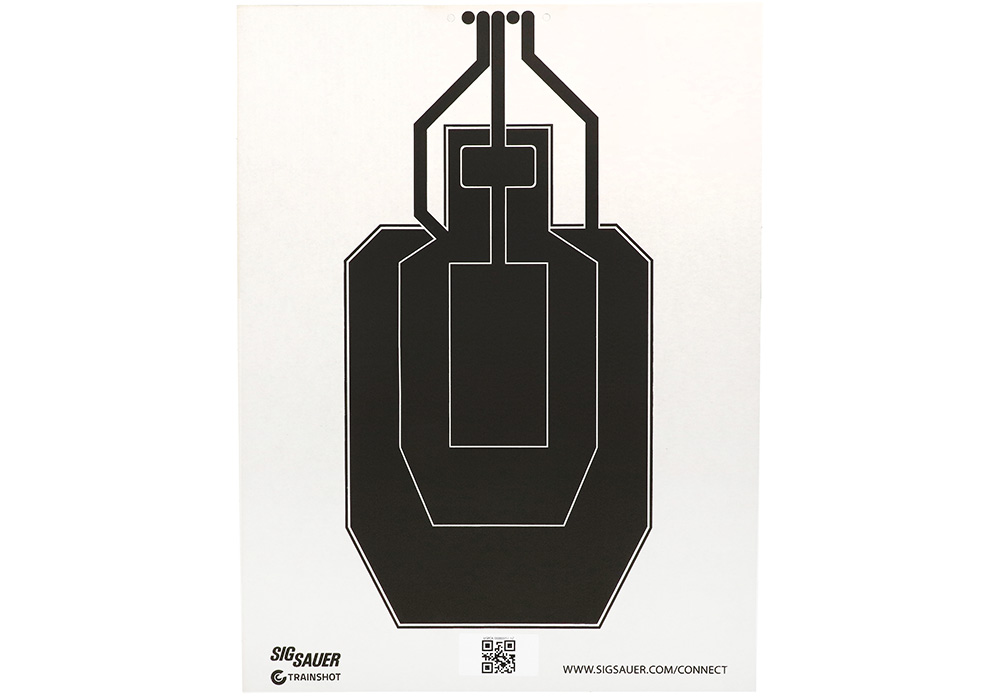
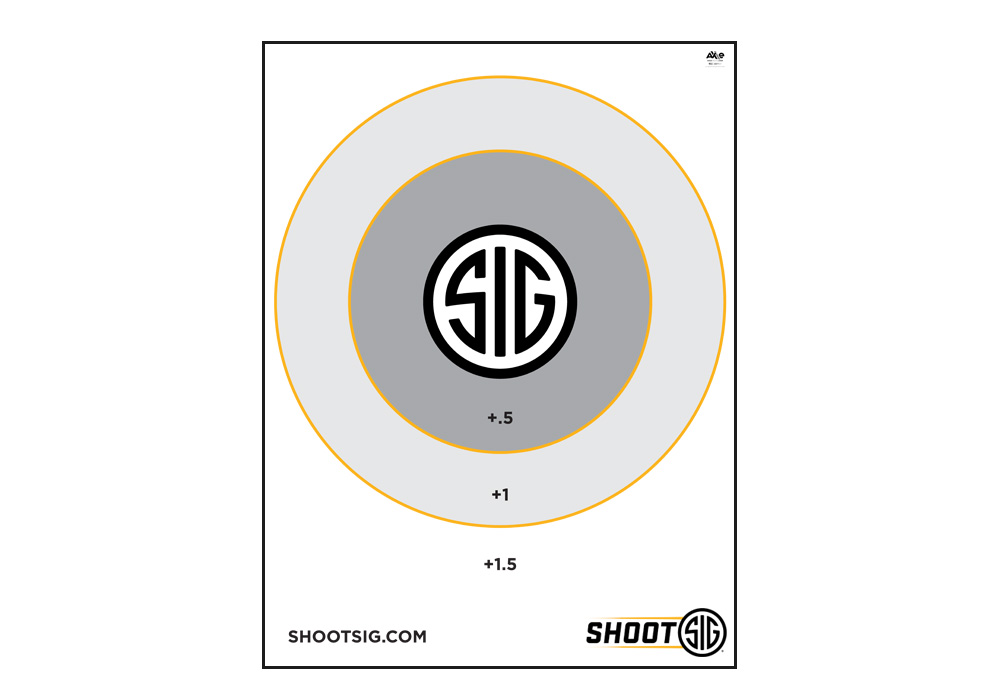
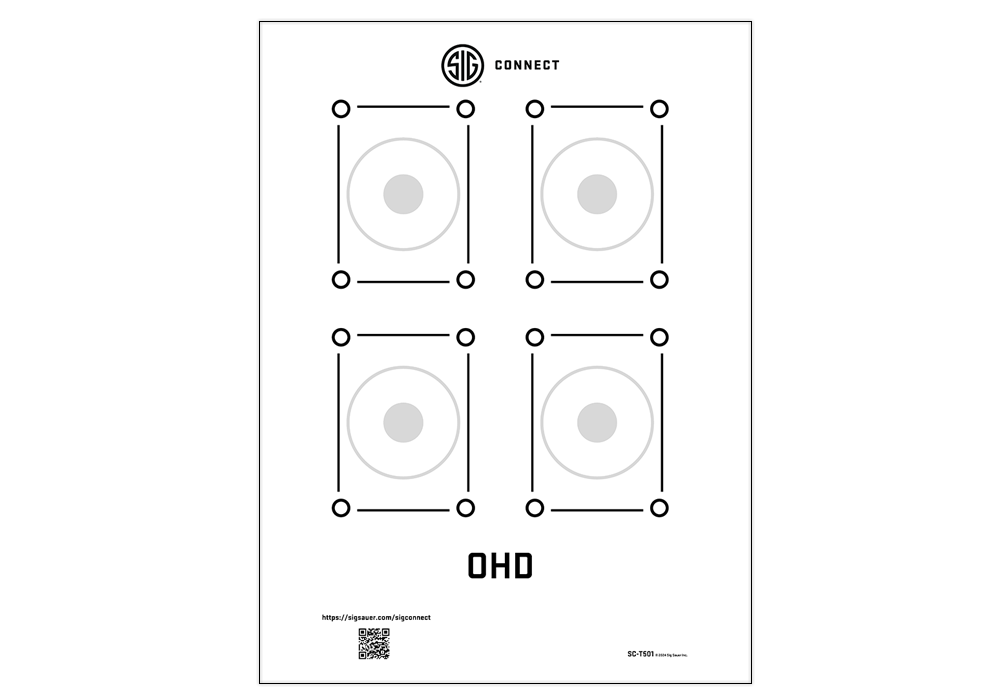
Shooting targets fall into several broad categories: paper and cardboard targets for clear scoring, reactive targets for visible impact feedback, steel targets for reusable practice with sound and movement, and self-healing polymer targets for repeated use within their stated ratings. Each material offers a different experience, from a crisp black aiming point on a white sheet to the distinct ring of a properly rated steel plate. Paper shooting targets remain a familiar choice for recreational range visits, organized competition, and instructor-led sessions because they provide a lasting record of each string of shots. Thin paper is lightweight and easy to carry, while heavier cardstock holds its shape more readily during handling and mounting. Cardboard offers a more substantial surface, although its suitability still depends on the target holder and range rules. Traditional Bullseye Targets feature concentric scoring rings around a central aiming point, creating a familiar format for precision-oriented practice and friendly competition. Other layouts use grids, geometric shapes, numbered circles, or multiple aiming points on one sheet. A grid can make the location of impacts easier to describe, while several distinct aiming areas help keep separate rounds of practice organized. High-contrast printing supports visibility, but overall target size and the diameter of the aiming area matter just as much as color. A large sheet with a small center presents a different visual experience than a compact sheet with a bold, broad circle. Matte surfaces can be easier to read under overhead range lighting, where glossy finishes may reflect light. For shooters who save their targets, clearly printed scoring rings and space for notes create a useful record without requiring a complicated setup. The appeal is straightforward: a target gives an otherwise brief range session a visible result, whether the participant is attending an introductory lesson, enjoying a familiar recreational activity, or taking part in a structured sporting event.
Reactive shooting targets add another kind of feedback, but the term covers several different designs. Splatter-style paper targets reveal a contrasting layer around a bullet hole, helping impacts stand out against the original surface. Adhesive versions can attach to a compatible backing, while separate sheets may require clips, staples, or another range-approved mounting method. These targets are still consumable, and overlapping impacts eventually make individual holes harder to distinguish. Steel targets offer a reusable alternative, often combining an audible response with visible movement or a mark on a painted face. Their suitability depends on the steel specification, thickness, intended ammunition, mounting system, and manufacturer’s operating requirements; hardness alone does not establish that every target is appropriate for every firearm. Rimfire, handgun, and rifle use can require different ratings, so a target’s stated purpose matters more than its appearance. Steel also requires a suitable range environment, an approved backstop, and adherence to the specified distance and mounting requirements. No target material replaces eye protection, hearing protection, or range supervision. Self-healing polymer targets use resilient material that can close around small punctures after an impact, allowing repeated use without the same immediate surface damage seen in ordinary cardboard. “Self-healing” does not mean indestructible, however, and performance varies with the material, projectile, impact location, and conditions permitted by the manufacturer. Some designs provide visible motion rather than a precise scoring record, making them a different experience from a printed paper target. This distinction is useful when comparing target types: a visible hole supports scoring and review, a contrasting impact mark improves recognition, and sound or movement provides immediate feedback without necessarily preserving an exact impact location. None of these formats is universally better. The most suitable target is the one whose feedback, material rating, and mounting requirements align with the intended activity and the rules of the facility where it will be used. The differences become especially noticeable when several people share a lane and need to distinguish fresh impacts from earlier marks.
Fit includes more than the dimensions printed on a package. A paper target needs enough usable space for the carrier’s clips without covering the scoring area, and a cardboard target needs backing or support that prevents it from folding or twisting. Adhesive targets depend on a clean, compatible surface, while reusable targets require hardware and supports intended for their weight and design. At a public range with overhead carriers, a flat paper format may be the practical match; at a facility that permits steel, the complete target and support arrangement must meet its requirements. Transport and care also influence everyday convenience. Paper and cardstock stay neater in a flat folder or rigid sleeve, which protects corners and keeps printed surfaces from rubbing against other equipment. Moisture can weaken fiber-based materials and affect adhesive performance, so dry storage helps preserve their condition. Reusable targets benefit from inspection before each session and storage according to their material and finish. Steel surfaces with damage outside the manufacturer’s acceptable limits should be taken out of use, and worn attachment components deserve the same attention as the target face. Polymer targets also need inspection for tearing, distortion, and damage around mounting points. These details matter to frequent range visitors who want equipment that travels well, as well as occasional participants who prefer a simple setup that is easy to organize. Targets can also be a thoughtful gift for a recreational shooter, a competition participant, or someone enrolled in a supervised class, provided the format suits the recipient’s range and equipment. Printed scoring targets are particularly easy to pair with a shared range outing because they give each participant a separate record to take home. Across materials and designs, the lasting value of a shooting target comes from readable feedback, appropriate construction, and a dependable fit with the setting—not simply from how elaborate the target looks. A straightforward target that mounts securely and remains easy to interpret can support a more satisfying visit than a complicated design unsuited to the facility.