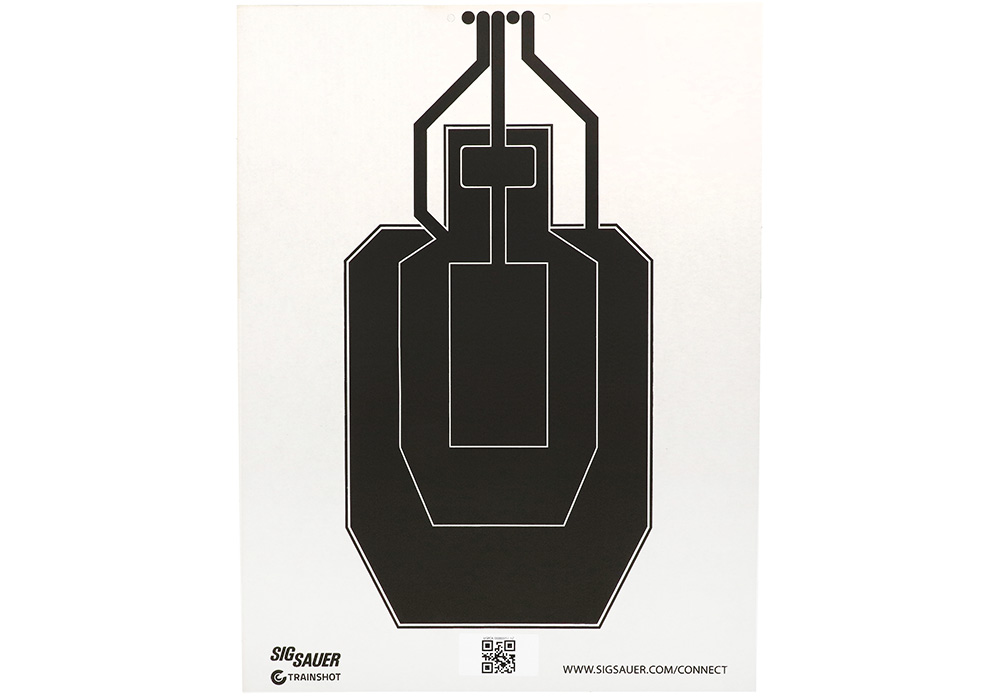
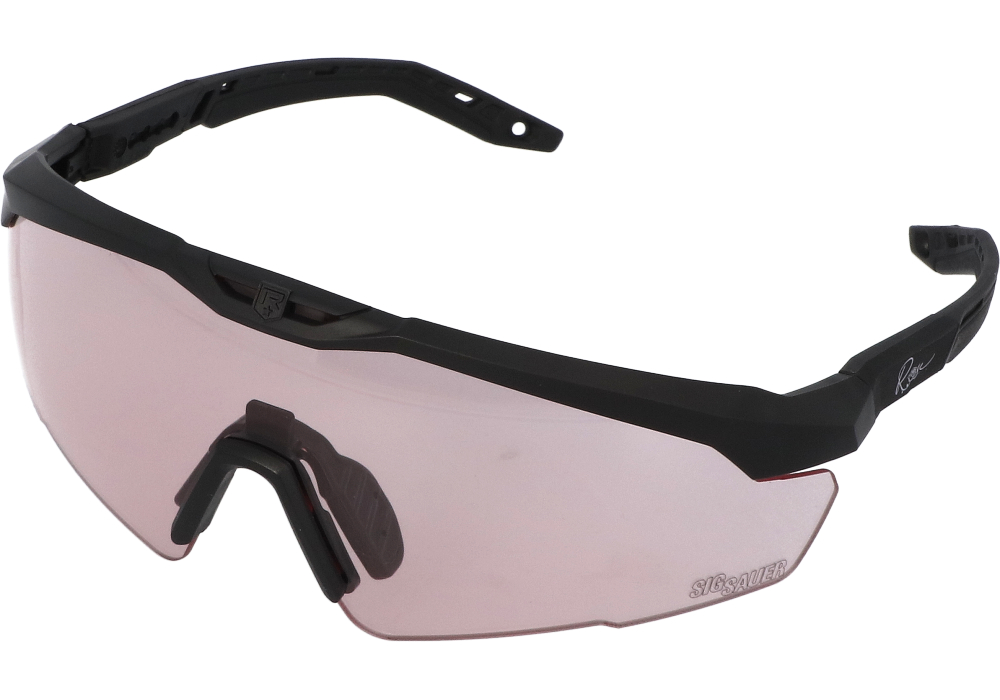
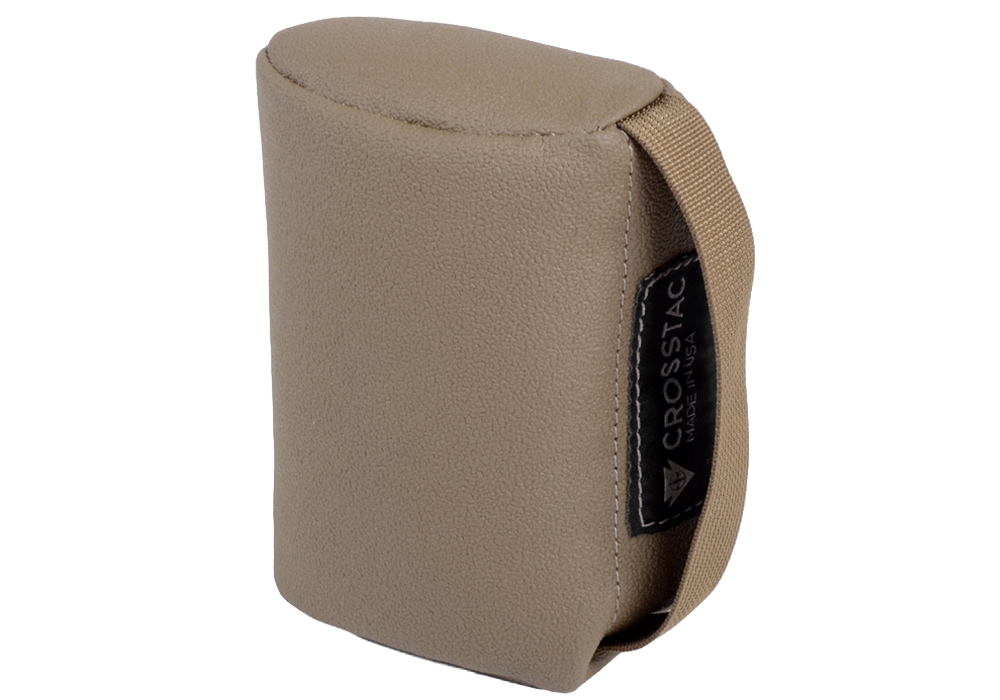
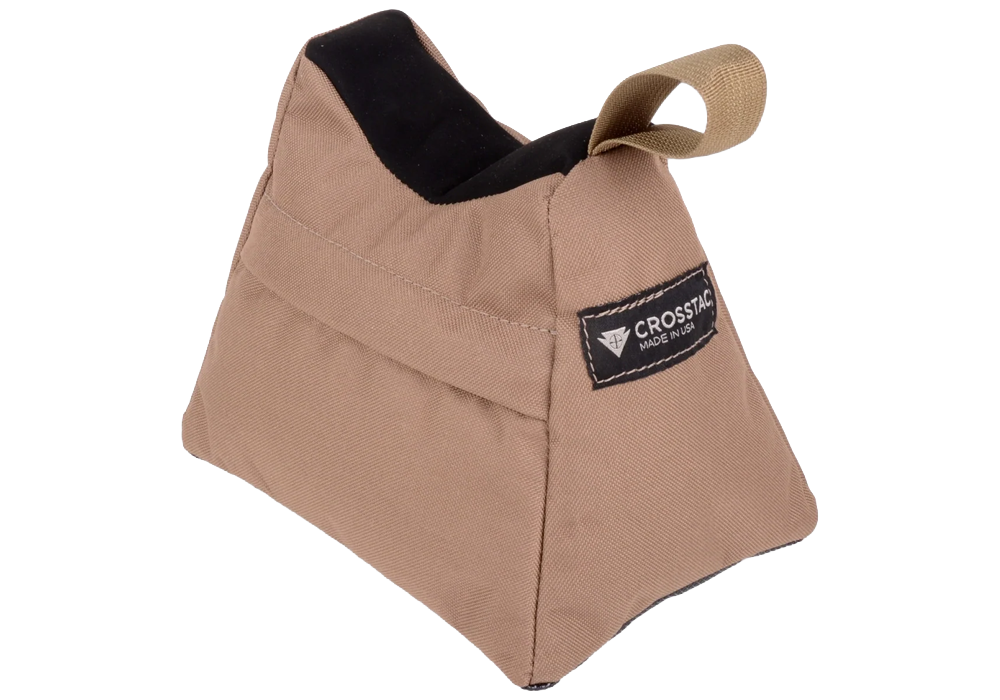
Shooting supplies support the practical details of time at the range, from keeping protective equipment close at hand to organizing the accessories that travel between a storage cabinet, a vehicle, and a shooting bench. A well-considered assortment brings together protection, organization, maintenance, and target-related essentials without adding unnecessary bulk. For someone attending a first supervised range session, the priorities may be straightforward: comfortable eye and hearing protection, a secure way to transport equipment, and enough organization to keep personal belongings separate from shooting gear. A regular target shooter may place more emphasis on durable construction, easy access to frequently used accessories, and a layout that stays familiar from one visit to the next. Both benefit from supplies that suit the range environment and the equipment already in use. Protective eyewear needs a stable fit and a clear field of view, while hearing protection needs to be appropriate for the setting and worn according to its instructions. Comfort matters because equipment that pinches at the temples or interferes with a secure seal can become distracting over a longer session. Storage and transport accessories serve a different but equally practical role: keeping contents protected, contained, and easy to identify. A bag with distinct compartments can separate clean protective gear from used cleaning materials, while a structured case can help prevent delicate surfaces from rubbing against other equipment. The broader selection of Target Shooting Accessories complements these everyday needs with equipment suited to organized range time. Whether the destination is a supervised indoor facility or an established outdoor range, the most useful shooting supplies reflect the activities permitted there, the amount of equipment being carried, and the shooter’s experience. Thoughtful organization also makes shared range time less cumbersome: each person’s protection remains easy to recognize, smaller accessories have a consistent place, and packing up does not depend on searching the bottom of a crowded bag. That practical consistency is often what turns a collection of accessories into a dependable range setup.
Materials and construction affect how shooting supplies feel in use and how well they tolerate repeated handling. Woven fabrics can offer flexibility and abrasion resistance, with reinforced seams and secure attachment points helping bags manage the strain of regular carrying. Rigid cases offer structure, while interior padding and dividers help keep contents from shifting or contacting one another. Neither approach is automatically right for every situation. A compact bag may suit a short range visit, whereas a more structured transport arrangement may better accommodate equipment that needs separate compartments or additional surface protection. Zipper pulls, handles, closures, and the shape of an opening all influence everyday convenience, especially when a bag sits beneath a narrow bench or beside other gear. Fit deserves the same attention as material. Eyewear should remain stable without uncomfortable pressure, and its temples should work comfortably with the chosen hearing protection. Adjustable components can help accommodate different users, but adjustment alone does not establish suitability; the manufacturer’s intended use, protective ratings, and fit information remain important. Compatibility also matters for maintenance supplies and firearm-related accessories. The correct dimensions, material compatibility, and equipment specifications help distinguish a useful addition from something that merely looks appropriate. Cleaning tools and care materials should be suitable for the surfaces and finishes involved, with instructions that clearly describe their intended application. Durable construction does not eliminate the need for care, either. Fabric can retain dust and residue, lenses can become scratched through rough handling, and foam or other cushioning can deteriorate with repeated use. Accessible interiors, straightforward closures, and surfaces that can be maintained according to the manufacturer’s directions make routine upkeep easier. For frequent range visitors, these details become noticeable over time: a handle that remains comfortable on the walk from the parking area, a compartment that opens without spilling its contents, or protective eyewear that has a dedicated place rather than sharing space with loose equipment. Useful durability is about preserving those everyday functions, not simply choosing the heaviest material.
Intended use helps bring the different categories of shooting supplies into focus. Recreational target shooters often value a manageable setup that is easy to carry and unpack, while participants in organized shooting activities may need more defined separation between equipment, personal protection, and maintenance materials. Someone who shares range visits with a family member or friend may appreciate individual compartments and clearly distinguishable storage, especially when several people use similar-looking accessories. Range rules, transport requirements, and the instructions for the equipment itself help establish which features are relevant. Supplies for maintenance have a role beyond the range visit, supporting inspection and routine care in an appropriate workspace. Secure storage is another consideration, particularly in households where children, visitors, or other unauthorized people could encounter firearms or ammunition. A transport bag is not a substitute for appropriate locked storage, and storage accessories need to be evaluated for their actual protective function rather than appearance alone. Keeping cleaning chemicals identified and stored as directed also helps preserve a more orderly home setup. Shooting supplies can be thoughtful gifts for an adult who enjoys target shooting, provided the choice reflects that person’s equipment, preferences, and level of experience. General-purpose organization accessories may be easier to match than equipment requiring precise fit, while eye and hearing protection call for particular attention to comfort and suitability. A useful gift might support an established routine, such as keeping protective equipment separate from maintenance materials or giving frequently used accessories a more organized place. Personal preference still matters: some shooters prefer a compact arrangement with only the essentials, while others want additional compartments and room to separate equipment by purpose. Across these different needs, the strongest choices are practical rather than ornamental. They complement equipment already in use, stand up to regular handling, and remain straightforward to inspect, clean, and store. Shooting supplies earn their place through those repeated moments of use, helping range visits feel orderly and keeping essential protection and care equipment close at hand.