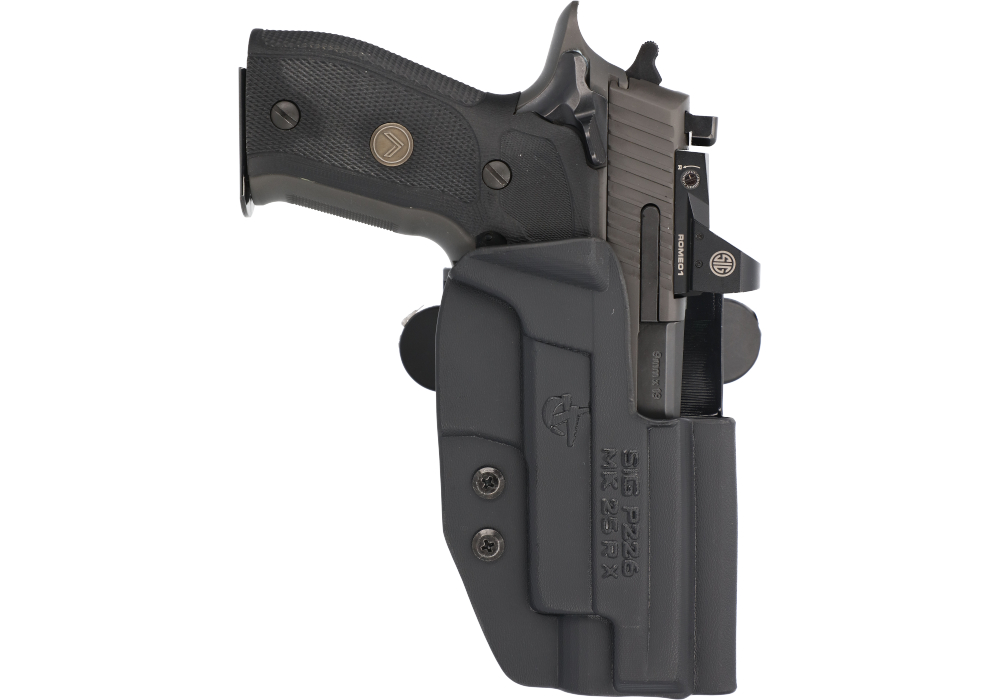
Practical shooting supplies are the equipment and accessories used for organized action-shooting sports, including action-pistol competition, steel-target events, and multi-gun matches. The category encompasses competition belts, retention holsters, magazine pouches, protective eyewear, hearing protection, shot timers, sighting accessories, range bags, targets, and maintenance essentials. Although these sports differ in their rules and equipment requirements, they share a need for dependable gear that fits the shooter, suits the firearm, and withstands repeated range use. A first-time competitor attending a local match may need a straightforward setup with secure attachment points and clearly organized storage, while an experienced participant may place greater emphasis on replaceable components, consistent fit, and compatibility across an established equipment system. Belts and carrying accessories deserve particular attention because they support equipment throughout a match, including the time spent walking between stages, waiting for a turn, and helping with range duties. Inner-and-outer belt systems can provide a stable foundation, while holsters and pouches vary in attachment method, adjustment range, and retention design. Compatibility involves more than a general firearm size: firearm configuration, sight clearance, mounting hardware, magazine dimensions, and the rules of the intended division can all affect suitability. Rigid polymers, reinforced textiles, and metal hardware each serve different purposes, balancing structure, weight, flexibility, and resistance to routine wear. Smooth edges, secure fasteners, and well-supported mounting points are practical details that matter over many practice sessions. Fit also includes comfort when standing, sitting, or moving through a supervised match environment; equipment that feels acceptable for a few minutes may become distracting over a full day. For this category, a useful distinction is between equipment intended for organized competition and accessories intended for other settings. Competition suitability depends on the complete configuration and the event rules, not simply on a sporting appearance. A coherent setup keeps required equipment secure and accessible while respecting the handling procedures established by the range and match officials.
Protective equipment and range electronics serve different roles, but both benefit from careful attention to fit and documented specifications. Protective eyewear should have an appropriate impact rating, comfortable coverage, and a frame shape that works with hearing protection without creating pressure points. Lens clarity matters when reading range signs, identifying target markings, or watching a stage briefing, while secure fit helps prevent repeated adjustments during an event. Hearing protection varies in design, noise-reduction rating, and compatibility with other equipment. Electronic models can help preserve access to conversation and range commands while providing protection according to their stated specifications; they should not be treated as interchangeable with ordinary audio accessories. Shot timers provide an audible start signal and record detected shots for structured practice or match administration, with suitability influenced by controls, display readability, mounting options, and the surrounding range environment. Sighting accessories introduce another set of compatibility considerations, including the mounting interface, manufacturer specifications, battery requirements where applicable, and acceptance under division rules. Beyond equipment worn or attached during a stage, transport and organization shape much of the match-day experience. Durable range bags often use abrasion-resistant fabric, reinforced seams, sturdy handles, and compartments that separate protective equipment, tools, and personal belongings. A padded compartment can help protect surfaces during transport, but padding is not a substitute for a secure locking arrangement where one is required. Firearms and ammunition need transport and storage arrangements consistent with applicable laws and range policies. On a crowded range bench, distinct pockets and labeled cases can make it easier to locate spare batteries, eye protection, or routine maintenance accessories without emptying an entire bag. Zippers that are easy to grasp, a stable base, and interior surfaces that can be wiped clean are useful features that rarely attract attention until a bag sees regular service. The most practical carrying arrangement is sized for the actual equipment involved, with manageable weight and enough separation to keep small essentials from becoming buried beneath heavier belongings.
Durability in practical shooting supplies is closely connected to care, compatibility, and the ability to recognize ordinary wear. Repeated packing, belt attachment, contact with range surfaces, and exposure to cleaning products can affect fabrics, finishes, lenses, and hardware differently. Manufacturer care directions are therefore important when evaluating materials and maintenance accessories, particularly where solvents, lubricants, or lens treatments are involved. Cleaning supplies should match the firearm or accessory and its specified materials rather than being treated as universally suitable. Replaceable straps, serviceable fasteners, protective cases, and clearly identified replacement components can help extend the useful life of equipment without changing its intended function. Targets, target repair materials, and other practice consumables serve a separate purpose: they support organized sessions and make routine range preparation more consistent. Paper targets and pasters, for example, are relevant to many sporting formats, but target selection and placement remain subject to the range’s approved practices. Ammunition compatibility is equally specific and must follow the firearm manufacturer’s requirements and applicable event rules. These considerations matter to recreational participants, regular competitors, club volunteers, and range staff, though their equipment needs may differ substantially. Someone attending occasional local matches may value simple organization and easy care, while a volunteer responsible for shared range equipment may prioritize clear controls, robust cases, and straightforward upkeep. Practical shooting accessories can also be thoughtful gifts for an established enthusiast when the recipient’s preferences and equipment specifications are known. A protective case or organizational accessory may involve fewer fit variables than a firearm-specific component, but dimensions and intended use still matter. For enthusiasts who also participate in air-powered target practice, Airgun Practice Supplies offers a related category with separate compatibility and safety considerations. Across these uses, lasting value comes from appropriate materials, dependable construction, clear specifications, and a comfortable fit within the recipient’s existing setup. Practical equipment earns its place through regular use: keeping essentials organized, supporting required protection, and remaining serviceable through repeated trips to the range.