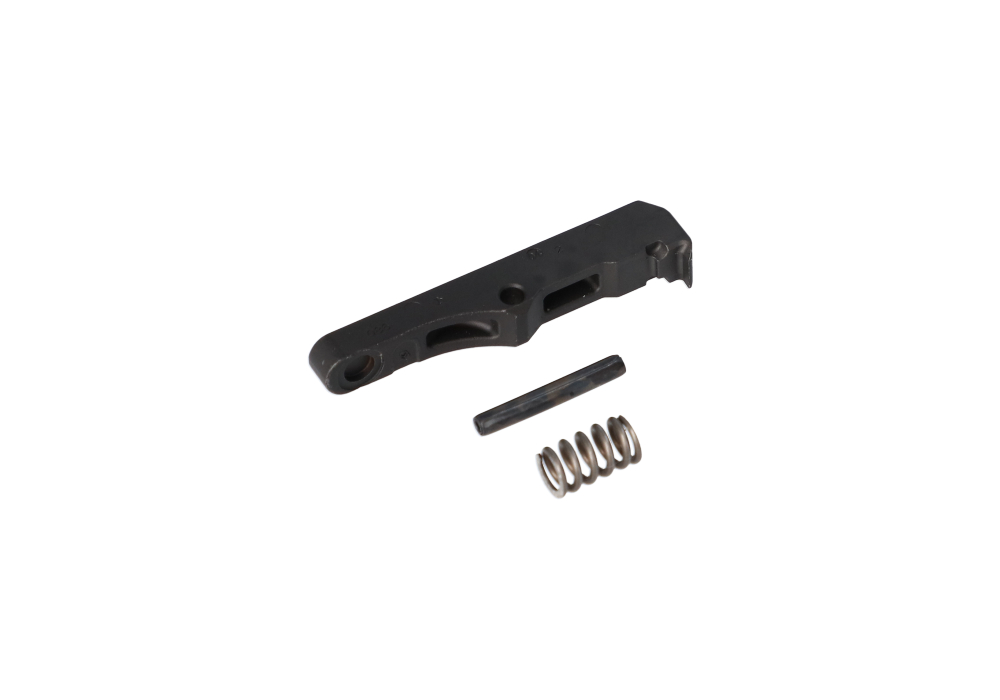
Extractor springs for pistol parts kits are small components with an important role in reliable cycling. Working behind or alongside the extractor, the spring provides the tension needed to keep the extractor claw engaged with the rim of a fired cartridge as the slide moves rearward. When that tension is consistent, the extractor can pull the spent casing from the chamber and allow the ejector to direct it clear of the pistol. A spring that has weakened from heat, age, compression, or extensive firing may no longer maintain a firm grip. Symptoms can include failures to extract, stovepipes, loose or inconsistent ejection, and spent cases that remain partially seated in the chamber. Because the spring is compact and often concealed within the slide assembly, it is easy to overlook during routine parts replacement, yet its condition can influence the performance of the entire extraction system. Extractor Springs for Pistol Parts Kits are commonly selected by pistol owners completing a parts kit, restoring a well-used slide, maintaining a training firearm, or keeping carefully chosen spares available for future service. The right replacement can help return the extractor assembly to its intended operating tension while supporting dependable function through practice, qualification sessions, and ordinary range use.
Compatibility should be the first consideration when comparing extractor springs. Pistol designs vary in extractor shape, spring dimensions, spring seat configuration, retaining hardware, and the amount of tension required for proper operation. Match the spring to the exact pistol model, slide assembly, generation, and parts-kit specifications rather than relying only on a similar appearance or a general description. A spring intended for one striker-fired polymer pistol may not be suitable for another, and a part designed for a metal-frame pistol or a different extractor arrangement may have different dimensions or operating characteristics. For pistols with a separate extractor insert, pin, sleeve, plunger, or spring cup, confirm that the replacement spring works with the complete assembly and does not omit a related component. Material and construction also matter. Precision-formed spring wire, corrosion-resistant finishes, and heat-treated materials can help a spring maintain its working properties through repeated cycling and exposure to cleaning solvents, perspiration, dust, and the heat generated during rapid-fire sessions. Some owners choose a single replacement for an immediate repair, while others keep a multi-count pack in a labeled maintenance case so a fresh spring is available when inspecting a slide assembly. It is also sensible to compare standard and extended service options where offered, always following the specifications for the pistol rather than assuming that greater tension is automatically better. Excessive tension can affect extractor movement, slide assembly, or the relationship between the extractor and cartridge rim, so proper fit and intended specification are more important than simply selecting the strongest-looking spring.
These parts can be useful for experienced hobbyists, gunsmiths, armorers, competitive shooters, instructors, and anyone who maintains a pistol parts kit with care. They may also make a practical gift for a responsible pistol owner who appreciates organized maintenance supplies more than decorative accessories. A small envelope of correctly matched springs can sit unnoticed in a range bag until a familiar inspection reveals a spring that has taken a set, or until a pistol begins throwing cases in an uneven pattern against the side of the lane. Before replacing an extractor spring, make sure the firearm is unloaded, remove all ammunition from the work area, and consult the appropriate owner’s manual or qualified professional for the assembly procedure. During inspection, look beyond the spring itself. The extractor claw should be checked for chips, rounding, cracks, buildup, or other signs of wear; the spring seat and surrounding channel should be free of debris; and any retaining pin, plunger, insert, or related hardware should be examined for damage or distortion. A new spring cannot correct a worn extractor claw or a damaged retaining component, and forcing a part into place can create a problem that is harder to diagnose later. Keeping replacement springs clean, dry, and separated by model helps prevent mix-ups, particularly when several pistols share a storage case. As the weather warms and during the cooler months, regular range use, seasonal practice, and long periods of storage can all be good reminders to review small wear items alongside larger components. For owners of pistols with a different extractor layout or frame construction, related options such as Extractor Springs for Metal Frame Pistols can make it easier to locate a compatible part category. Selecting the correct extractor spring, checking the surrounding assembly, and storing a few properly identified spares can support consistent maintenance without adding unnecessary bulk to a parts kit.