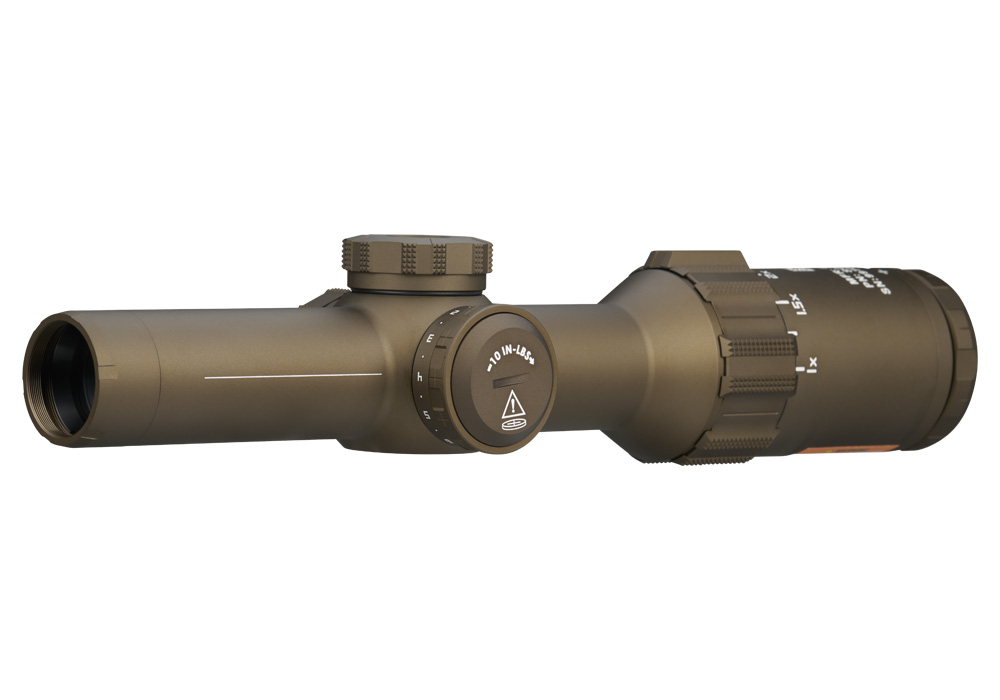
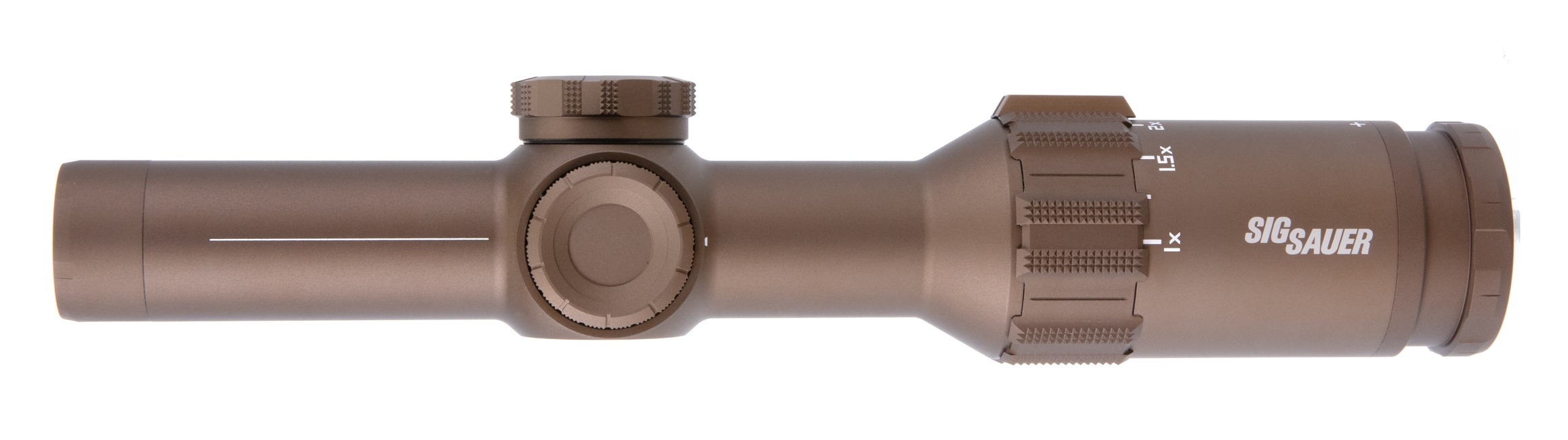
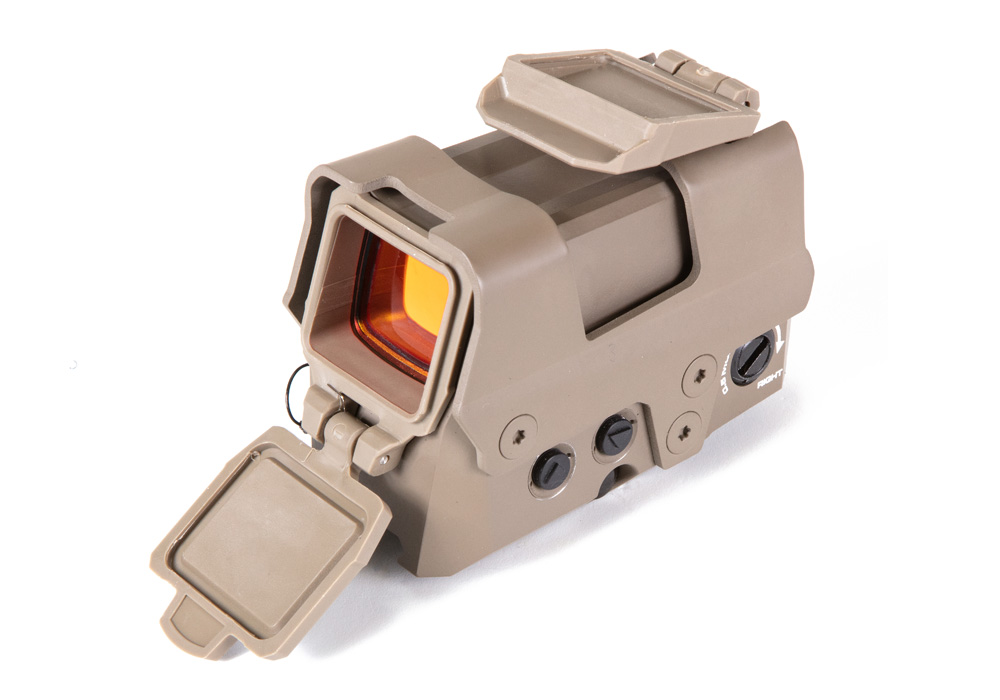
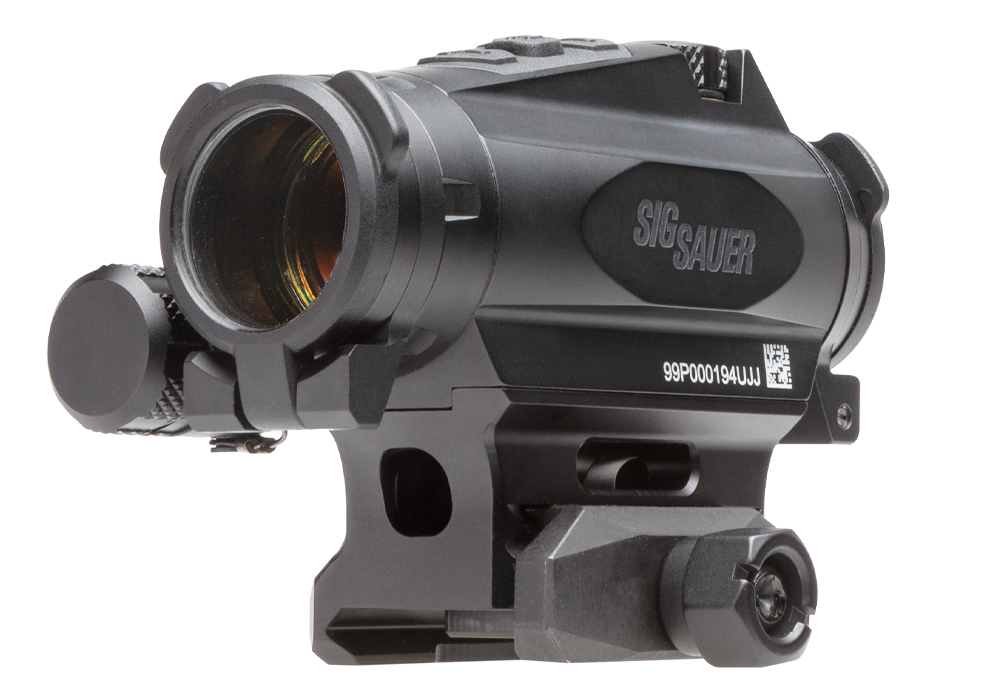
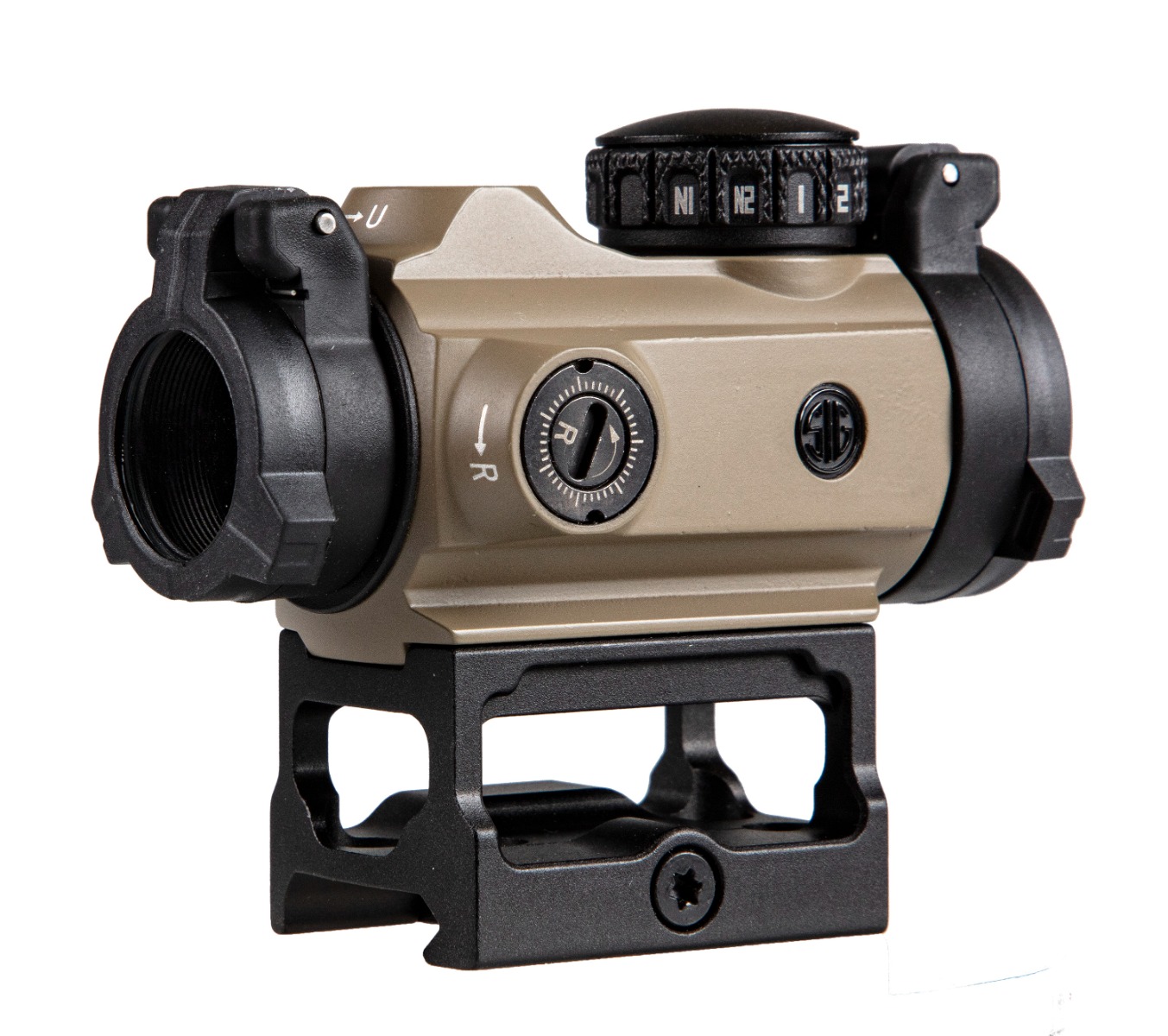
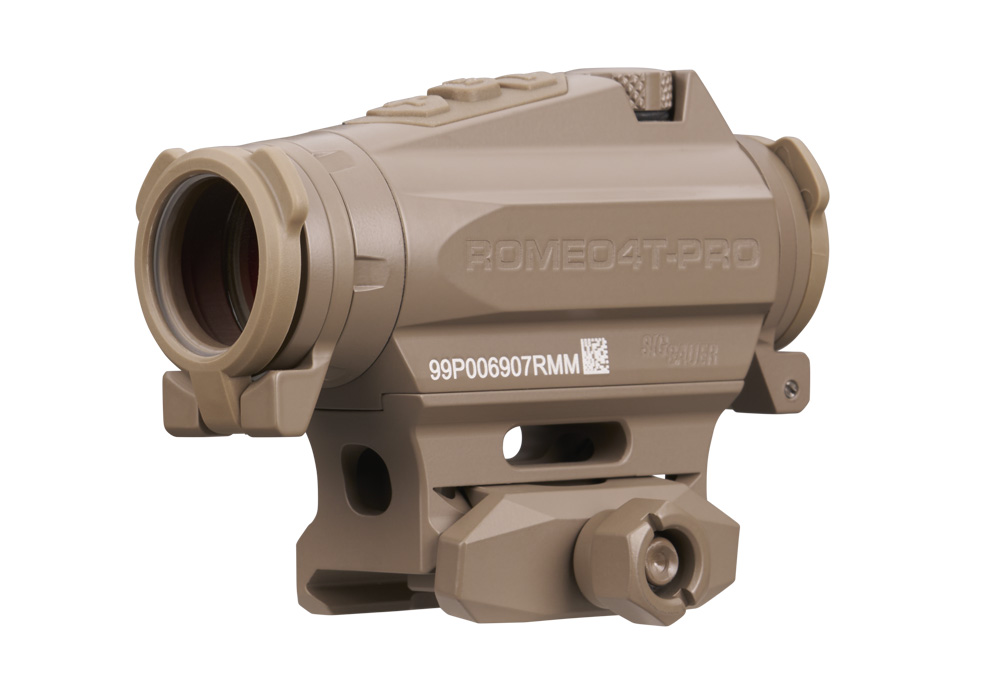
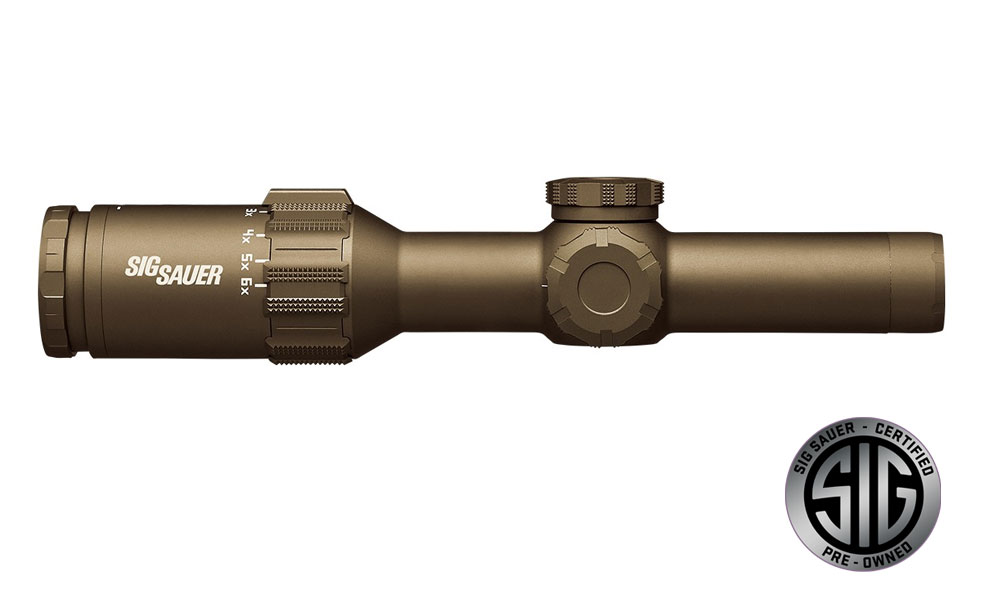
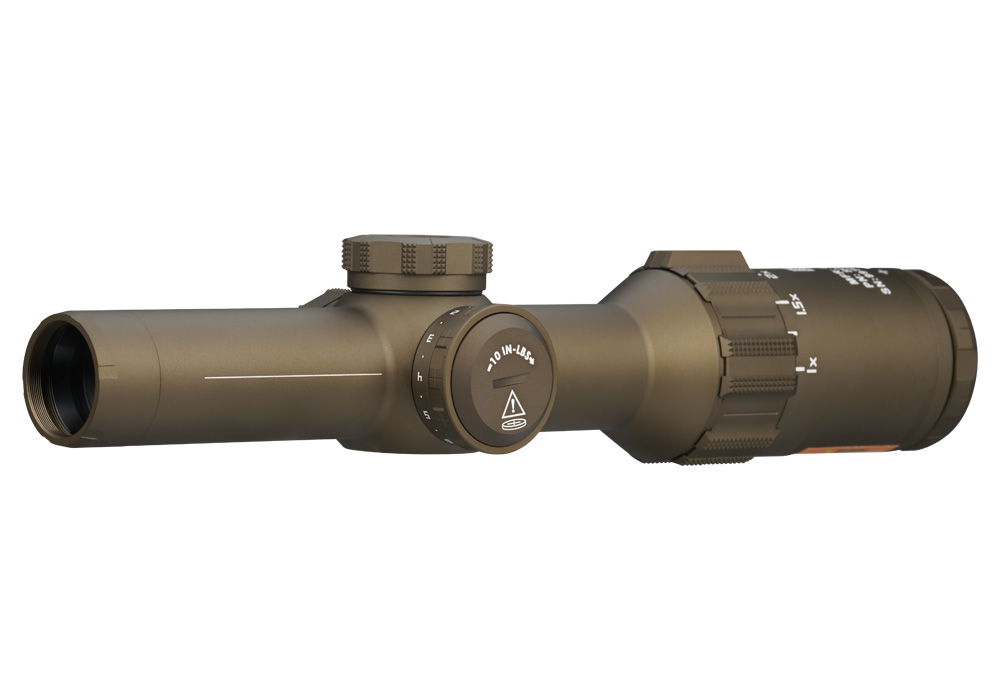
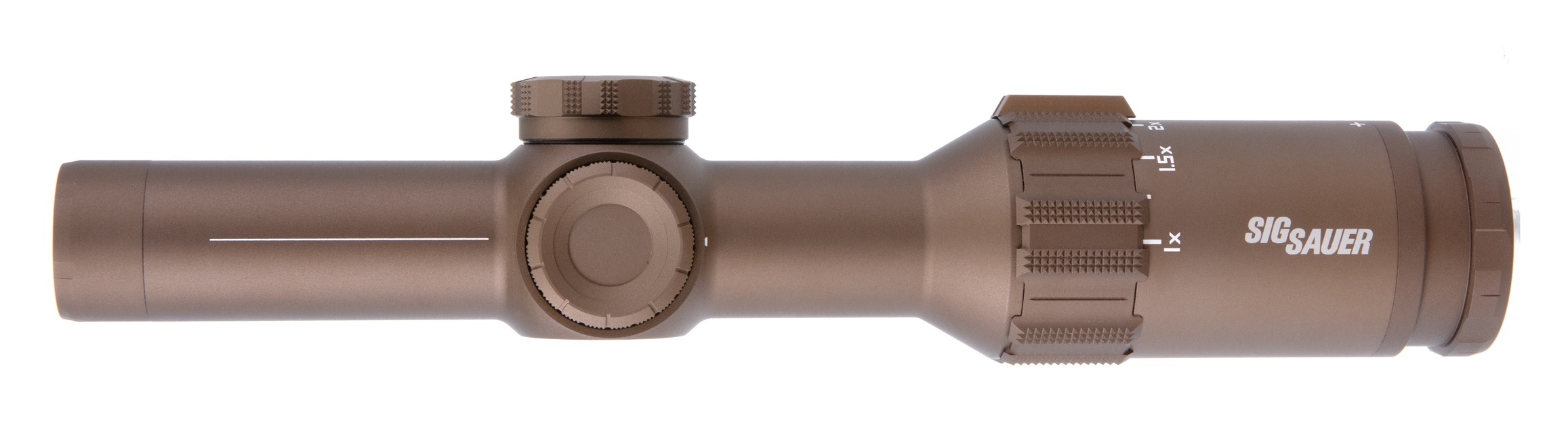
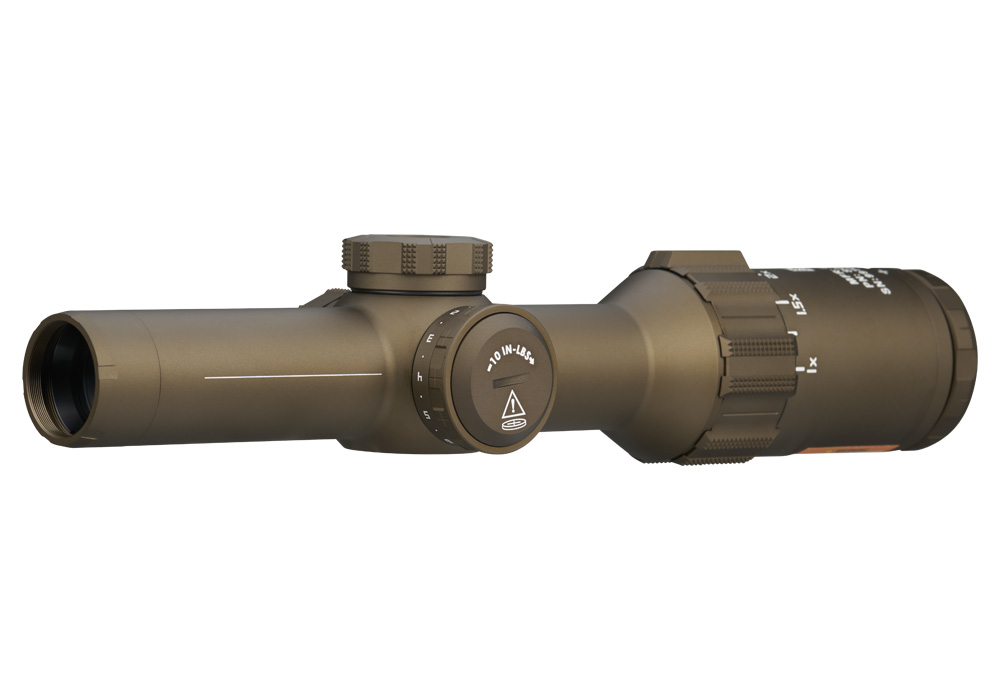
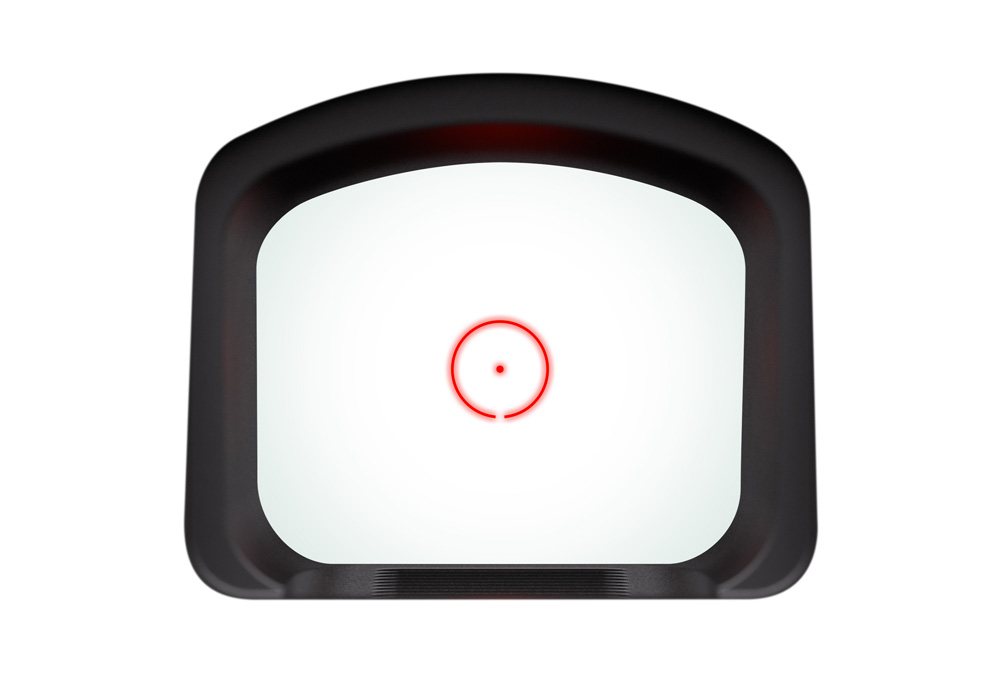
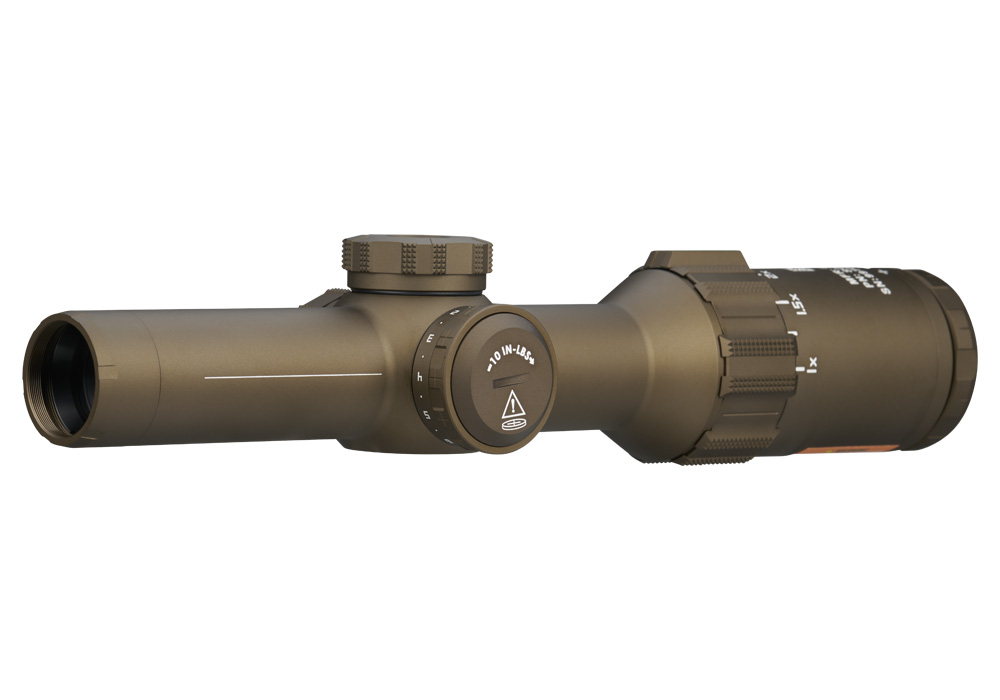
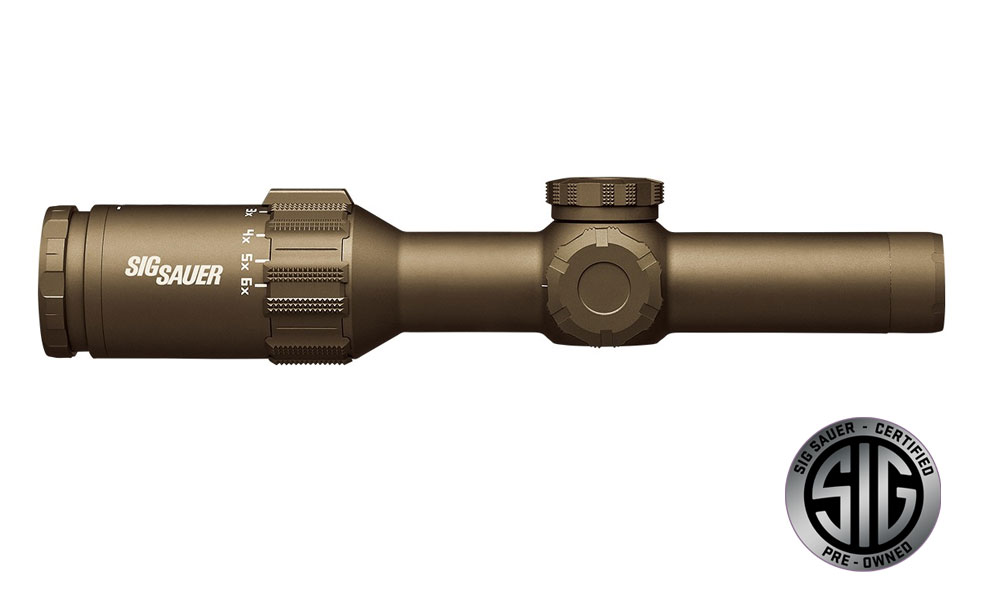
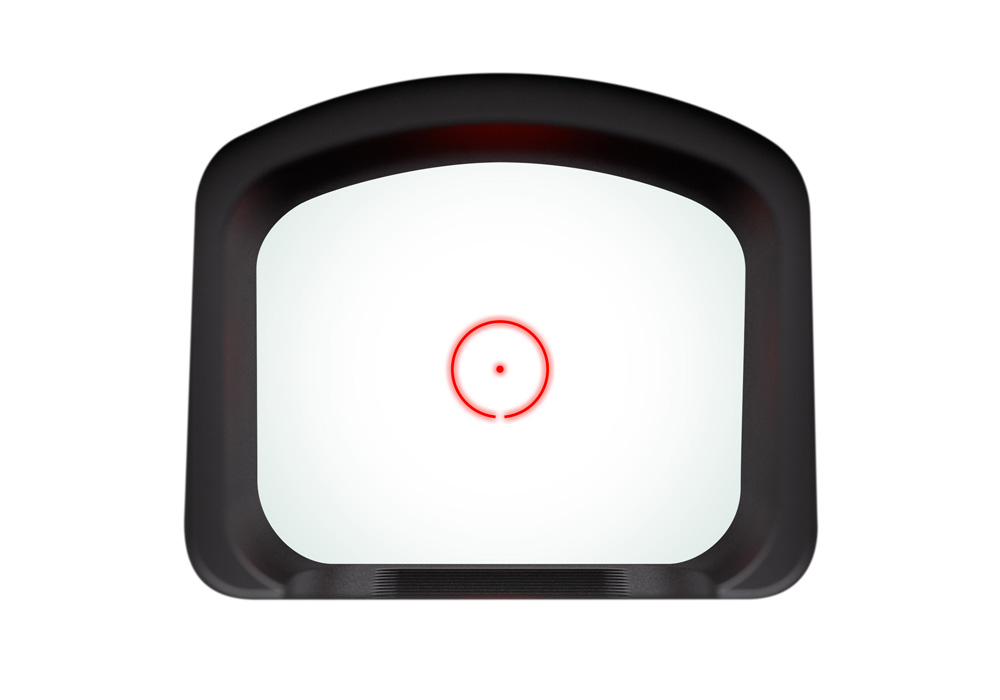
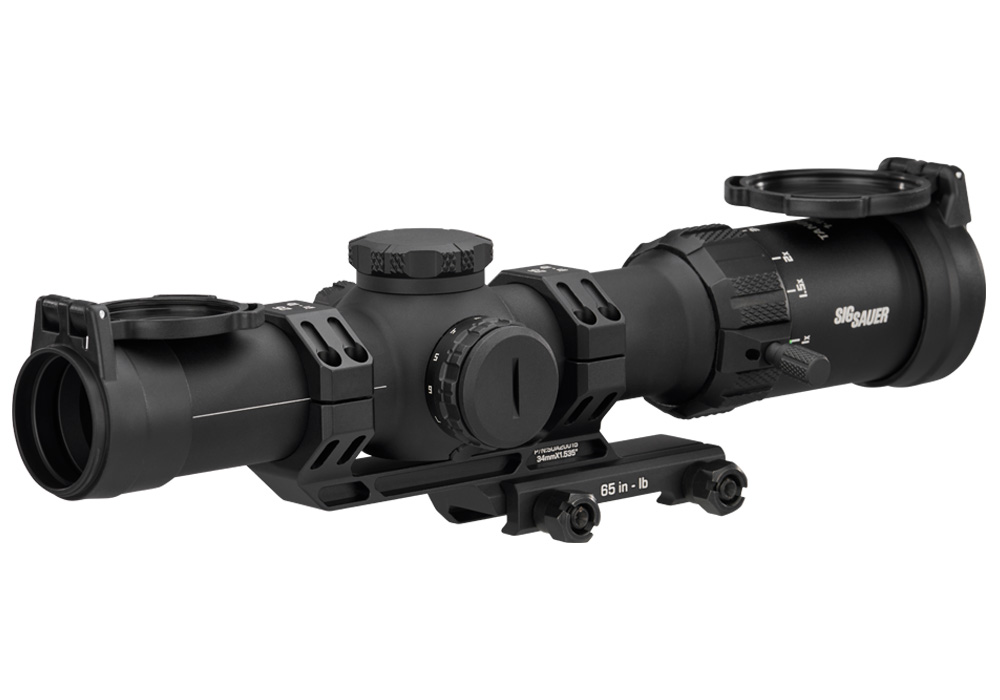
FDE adjustable brightness scopes combine a distinctive Flat Dark Earth finish with an illuminated reticle that can be tuned to suit changing light and background conditions. The FDE color typically appears as a muted desert tan, bronze, or earth-tone shade, making it a practical choice for rifles and equipment configured in similar colors while also offering an understated alternative to traditional black optics. Adjustable illumination is especially useful when a reticle needs to stand out against dark timber, shaded terrain, low-contrast vegetation, or a bright outdoor background. Rather than relying on one fixed setting, the user can select a lower brightness level for dim conditions and a stronger setting for daylight, helping preserve a clear sight picture without washing out the reticle. Many scopes in this category use push buttons, tactile controls, or a rotary dial, and the location and feel of those controls matter when adjustments need to be made without losing position behind the rifle. A well-matched scope should provide a crisp reticle, consistent brightness changes, useful eye relief, and smooth magnification adjustment, with controls that remain easy to identify while wearing gloves during the cooler months. Battery life, automatic shutoff features, available illumination colors, and the ability to use the optic with illumination turned off are also worth reviewing before purchase. These details help determine whether a scope is best suited to a lightweight carbine, a general-purpose rifle, or a precision-oriented setup intended for deliberate shots at extended distances.
The most important choice is usually the relationship between magnification range, reticle design, and the way the rifle will be used. A low-power variable scope can provide a wide field of view at its lowest setting for close and intermediate distances, then offer additional magnification when a more precise aiming point is needed. This style is often selected for versatile rifles used across varied terrain, where a fast sight picture at low power and added detail at higher power are both valuable. A long-range precision scope generally offers a broader magnification range and more adjustment features, making it better suited to careful shooting from a stable position, where target identification, elevation corrections, and repeatable turret performance take priority. First focal plane reticles maintain their relationship with the target as magnification changes, which can be helpful when using reticle-based holds at different power settings. Second focal plane reticles remain the same apparent size through the magnification range and may be preferred by shooters who want a bold, consistent aiming reference at a particular setting. Objective lens diameter, tube size, mounting height, turret style, and total weight should be considered alongside magnification. A larger objective may support a brighter image in certain conditions but can add bulk and require higher rings, while a compact scope may balance more naturally on a carbine or hunting rifle. Before choosing, confirm the mount is compatible with the scope tube, the rifle has enough rail space, and the optic’s eye relief works comfortably with the stock and shooting position. For shoppers comparing finishes and magnification styles, the selection of FDE Variable Magnification Scopes can provide a useful starting point when deciding between a compact low-power configuration and a more powerful precision setup.
FDE adjustable brightness scopes can serve hunters, recreational shooters, competitors, collectors, and responsible rifle owners who want an optic that performs across changing environments while coordinating with an earth-tone configuration. A hunter moving from an open field into a shaded tree line may appreciate the ability to reduce illumination so the reticle remains visible without becoming distracting. A range shooter working through drills can use a brighter setting during sunny sessions, then lower it as clouds move in or the firing line becomes shaded. Someone preparing a rifle for field use may value the combination of a familiar magnified sight picture, quick access to illumination controls, and a finish that blends naturally with tan, brown, green, or neutral equipment. These scopes can also make thoughtful gifts for an experienced shooter who has already selected a rifle and mount but wants an optic tailored to a particular role; the best gift choice depends on the rifle’s chambering, rail system, intended distances, and the recipient’s preferred reticle style. When giving or purchasing one, it is helpful to include compatible rings or a one-piece mount only after confirming specifications, since tube diameter and mounting height are not universal. After installation, the optic should be leveled, securely torqued according to the manufacturer’s instructions, and sighted in with the rifle and ammunition that will actually be used. Store spare batteries with other range equipment, protect the lenses with quality covers, and verify illumination before heading outdoors. With sensible selection and careful setup, an FDE adjustable brightness scope can provide a dependable aiming reference from bright open ground to the muted light of wooded terrain, supporting confident, lawful, and controlled shooting throughout the changing conditions of the season.