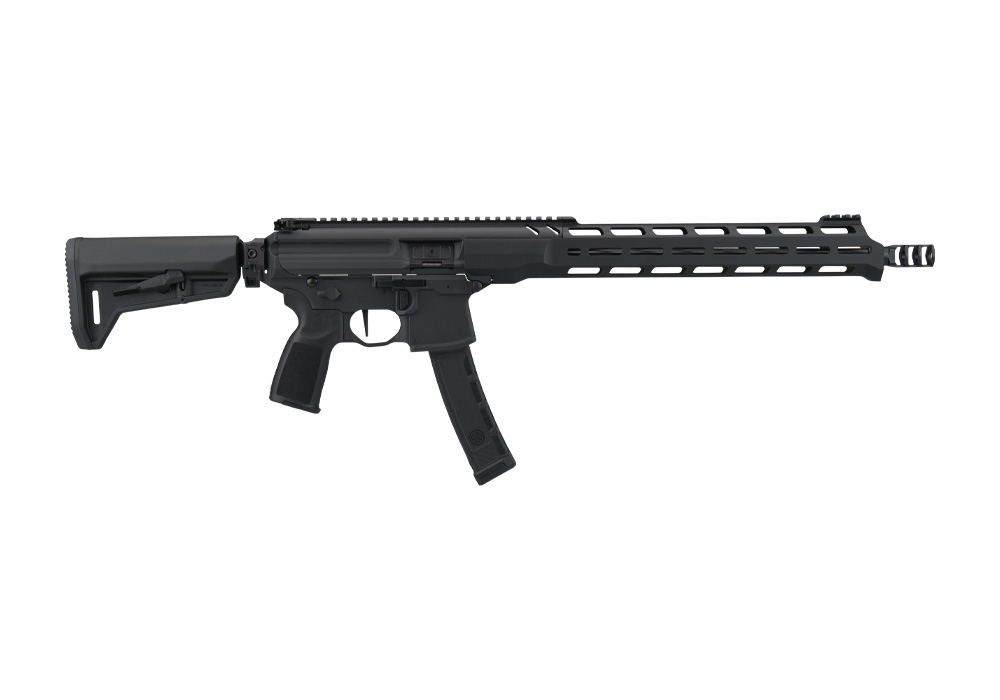
FDE handguards are a popular foundation for custom rifle builds, combining a warm, matte finish with the practical features builders look for in a modern forend. The flat dark earth color offers a low-glare appearance and pairs naturally with black, gray, olive, and other earth-tone components, making it easy to create a coordinated setup without relying on a single color throughout the rifle. More than an aesthetic choice, the handguard influences how a firearm feels in the hands, where accessories can be positioned, and how comfortably the rifle can be carried or supported during use. When comparing FDE handguards for custom builds, begin with compatibility. Confirm that the handguard is designed for the intended upper receiver, barrel nut system, gas system, and barrel length, and pay close attention to the manufacturer’s specifications for installation. Length matters as well: a shorter handguard can leave more of the barrel exposed and keep the front end compact, while a longer model may provide additional support and mounting space. Clearance around the gas block is essential, particularly when a build uses a low-profile configuration or a setup with specialized components. A secure fit, appropriate barrel clearance, and properly aligned receiver interface are the foundation of a dependable build. Installation should follow the supplied instructions and applicable safety procedures, with a qualified gunsmith consulted when fitment, torque values, timing, or compatibility is uncertain.
The rail system is another important consideration. M-LOK handguards use slim mounting slots that allow compatible accessories to attach directly to the handguard, helping maintain a clean profile and reduce unnecessary bulk. This style is well suited to builders who prefer to place a hand stop, light, sling mount, or other accessory exactly where the support hand naturally falls. Because unused sections remain smooth and uninterrupted, an M-LOK design can be comfortable during extended handling and convenient for a rifle that moves between a case, a workbench, and the range. Quad rail handguards, by contrast, provide continuous 1913 Picatinny rail sections around the handguard, offering broad compatibility with rail-mounted accessories and a traditional, highly adaptable layout. The tradeoff is added weight and a more angular exterior, which some users appreciate for its robust feel while others may find less comfortable during longer sessions. Free-float designs attach to the upper receiver without contacting the barrel, helping preserve consistent barrel movement and harmonics when the rifle is fired. A drop-in style may offer straightforward installation and a familiar configuration, but it must be selected with the correct front sight, gas system, and receiver arrangement in mind. Consider the balance of the finished build rather than the handguard alone. A longer rail, optic, light, vertical grip, backup sights, and sling hardware can shift the center of gravity forward, while an appropriately sized handguard may keep the rifle lively and easier to manage. Builders who spend cooler months refining a project at the workbench often find that mapping accessory placement before installation prevents crowded rail sections and unnecessary purchases later.
FDE handguards also make a thoughtful addition to a custom-build project for experienced firearm owners, competition participants, recreational shooters, and hobbyists who enjoy assembling a rifle around a specific purpose. They can be selected as part of a new build, used to refresh an older configuration, or given as a practical gift to someone who already knows the dimensions and mounting standards of their firearm. For gifting, compatibility is more important than appearance, so the recipient’s upper receiver pattern, barrel length, gas block dimensions, preferred rail interface, and desired handguard length should be confirmed before purchase. A gift card or an agreed-upon model may be the better choice when those details are not known. Outdoor users may value the subdued finish and modular layout for training, field practice, or property use, while range-focused builders may prioritize a comfortable grip, repeatable accessory placement, and a rigid free-float interface. For customers whose setup is centered on practice and target work, the selection of FDE Handguards for Range Shooting offers another way to browse color-matched options. Across every use case, inspect the finish for consistent coverage, verify that mounting hardware is included when advertised, and make sure the handguard’s length leaves adequate space for the chosen muzzle device, front sight arrangement, and support equipment. FDE handguards for custom builds can give a rifle a distinctive, cohesive appearance while also providing a stable platform for thoughtful configuration. With careful attention to fit, rail type, weight, ergonomics, and lawful use, a selected handguard can become one of the most meaningful upgrades in a personalized rifle setup.