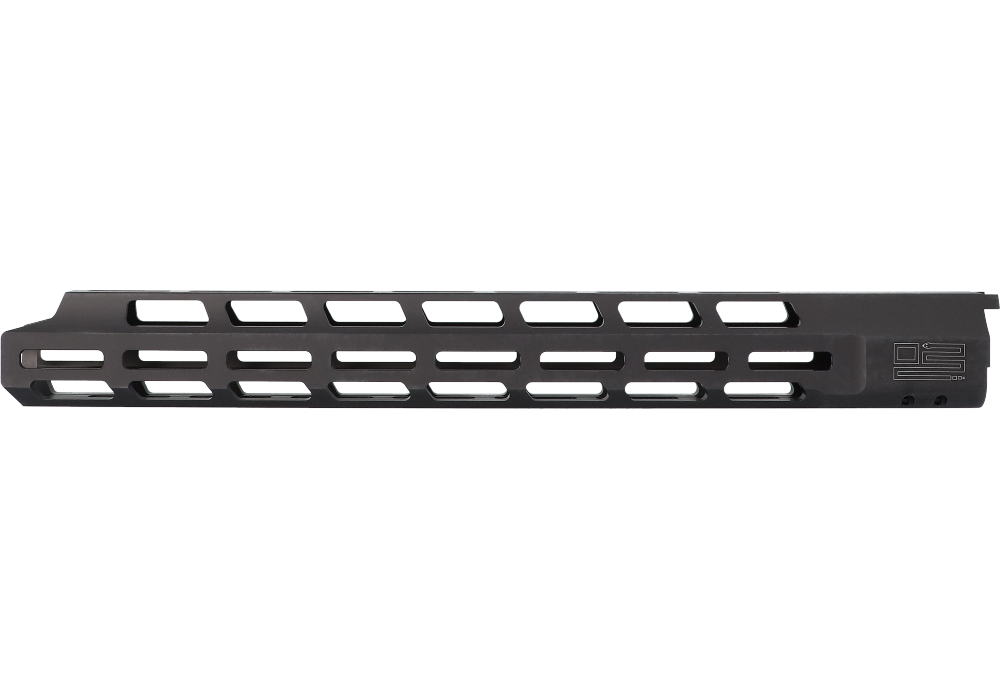
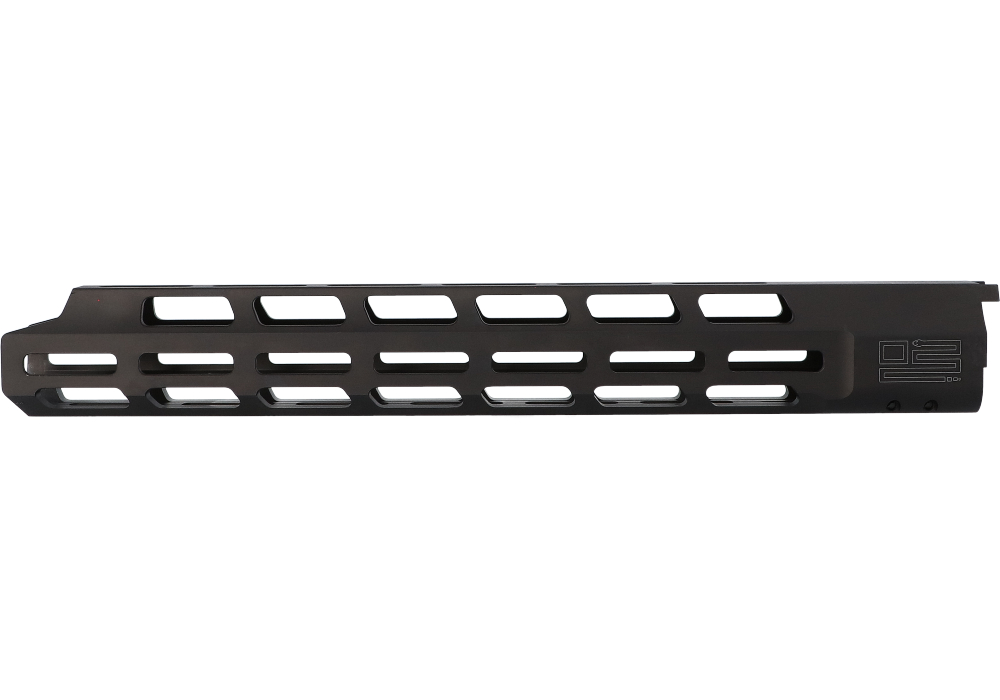
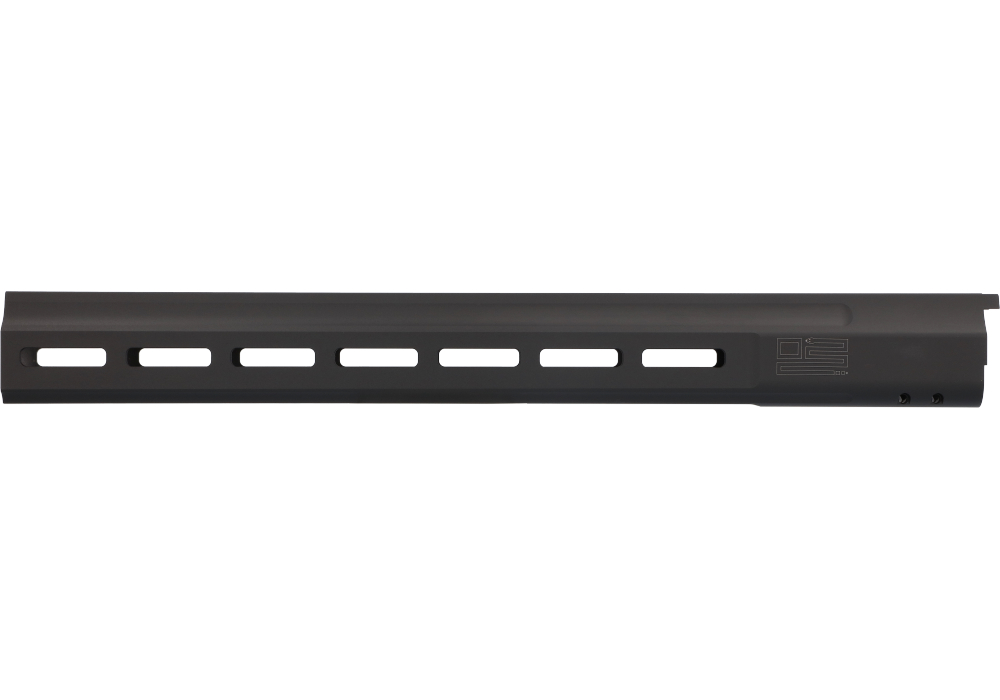
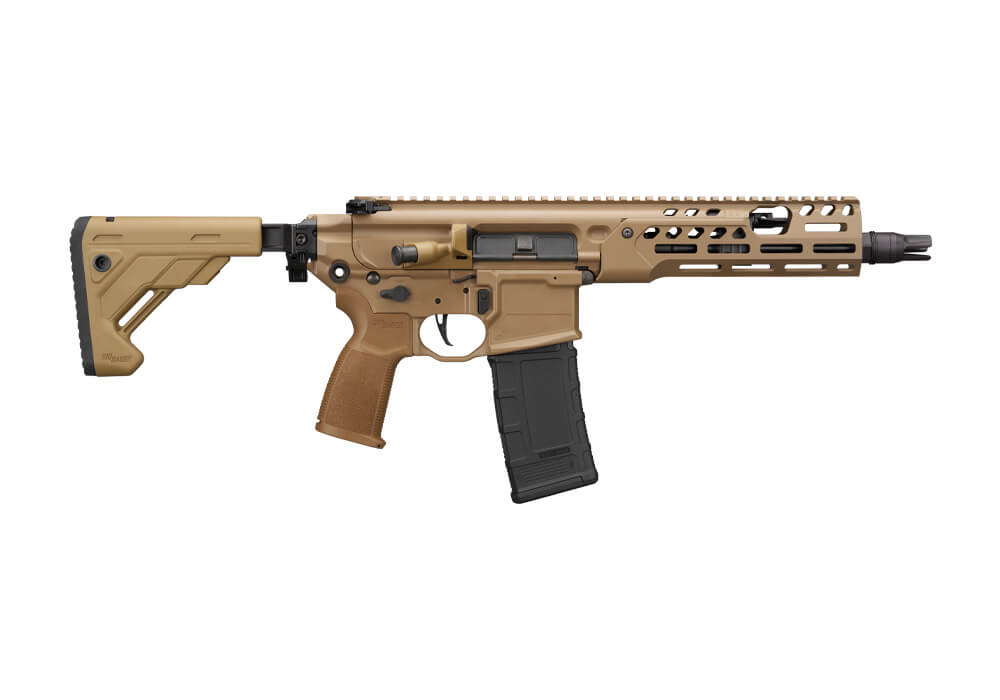
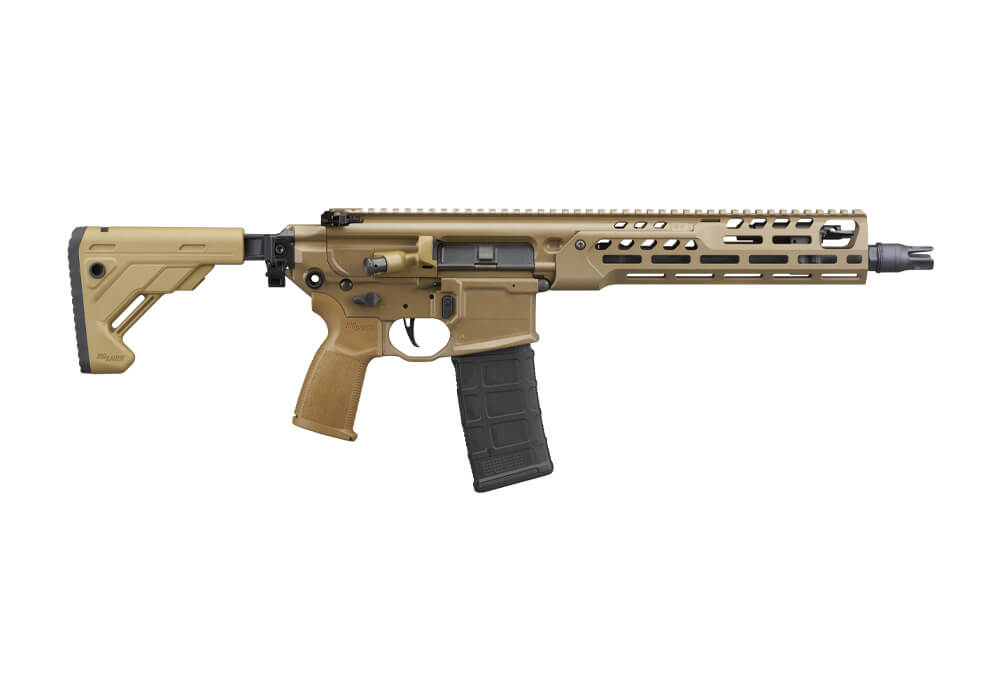
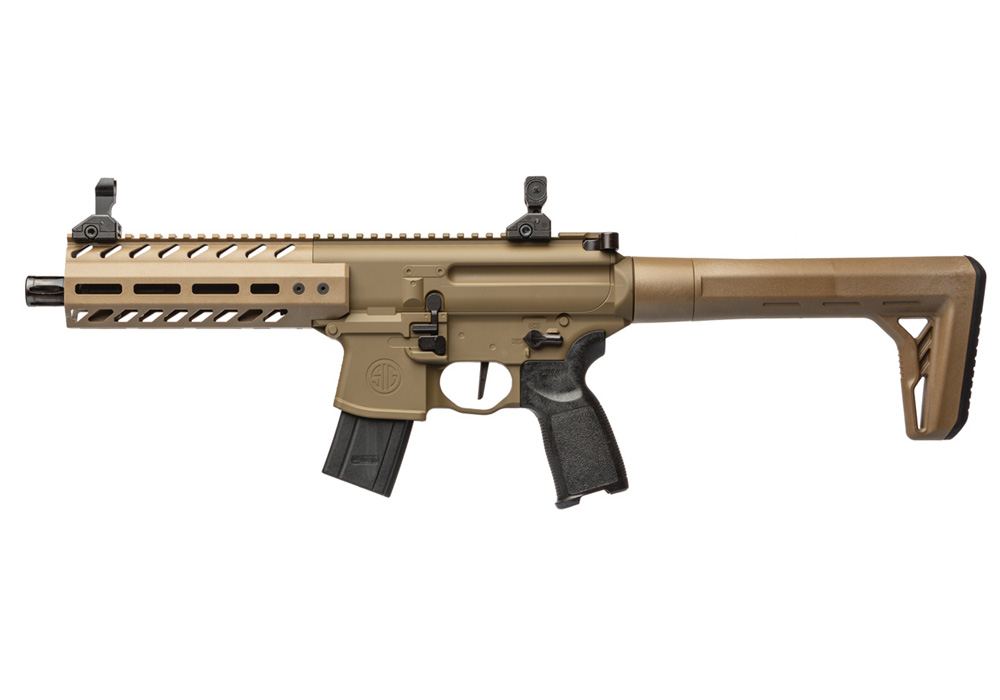
FDE handguards for range shooting combine a distinctive flat dark earth finish with the practical features that shape how a firearm feels during practice. A handguard provides a gripping surface around the barrel, helps keep the support hand away from direct barrel contact, and can offer attachment points for accessories used at the bench or on a supervised firing line. For recreational shooters, target enthusiasts, and experienced owners refining a familiar setup, the most useful differences often involve profile, weight, mounting layout, and compatibility rather than color alone. FDE describes a family of earth-toned finishes, not a particular material or construction standard. Shades can lean toward tan, brown, or muted bronze, so a handguard and receiver with the same color description may not match exactly. That variation does not establish a difference in quality, and subtle contrast can give a range setup a coordinated appearance without requiring every component to share an identical tone. Many metal handguards use aluminum alloys to balance rigidity with manageable weight. Wall thickness, machining, reinforcement around mounting points, and overall geometry all contribute to durability; a slim profile is not automatically fragile, and a heavier profile is not automatically better suited to every shooter. Hard-coat anodizing and ceramic-based coatings are common finishing approaches, with resistance to abrasion and corrosion depending on the specific treatment and its application. Repeated contact with bench rests, transport cases, and accessory hardware can eventually leave visible wear, particularly along exposed edges. The finish is therefore one part of the comparison, alongside comfortable contours and a construction style suited to regular handling. Rounded edges and a manageable circumference can matter during a lengthy practice session, when an awkward gripping surface becomes more noticeable. A handguard that feels natural in the support hand and does not add unnecessary weight can be a better match for routine range use than one selected primarily for an aggressive appearance or a large number of accessory positions.
Fit is the central consideration when comparing FDE handguards, because similar-looking platforms do not necessarily accept the same mounting hardware or dimensions. Compatibility can involve the receiver, barrel nut, gas system, barrel profile, and the clearance required around adjacent components. A stated length alone does not establish whether a handguard will fit a particular firearm, and compatibility within one platform family should not be assumed to extend to another. Manufacturer specifications and installation requirements are more useful than visual resemblance, with a qualified gunsmith appropriate when fit or mounting is uncertain. Free-float handguards are supported at the receiver end without bearing against the barrel along their length. This arrangement can reduce the influence of support-hand or rest pressure on the barrel, although the firearm, ammunition, sighting system, and shooter still determine the results on target. Other designs use existing retaining hardware and have different fit requirements, making construction style an important part of the comparison rather than a universal ranking of quality. Length also changes the feel and usefulness of the setup. A longer handguard can provide more room for a comfortable support-hand position or a compatible bipod attachment, while a shorter version may keep weight closer to the receiver and leave fewer surfaces to manage. Neither choice is automatically preferable; the useful length depends on the firearm and the way it is used. Accessory interfaces introduce another distinction. M-LOK slots allow compatible accessories to attach at selected positions, often leaving much of the gripping surface uncluttered. Picatinny rails provide a familiar mounting interface, while extensive rail coverage can add weight and a more pronounced texture. Integrated sling attachment points, where present, may reduce the need for separate hardware. The same fit, profile, and mounting considerations apply when browsing FDE Tactical Handguards, especially when the intended role is consistent range practice rather than carrying accessories that serve little purpose during a typical session.
On the range, small differences in handguard design become apparent through ordinary use: settling a firearm onto a rest, carrying it between supervised shooting stations, or finding a comfortable grip while checking targets. A smooth underside can sit differently on a support bag than a surface covered with rail sections, and accessory placement can affect whether the support hand has a clear, comfortable area to hold. For someone who spends most sessions shooting from a bench, the relationship between the handguard and the chosen support may matter more than the number of unused mounting positions. A shooter practicing from several permitted positions may place greater value on a profile that remains comfortable across different hand placements. These are practical reasons to favor a layout suited to actual use rather than an elaborate configuration built around appearance. Vent openings can reduce material and allow air movement, but they do not prevent a metal handguard from becoming hot during sustained firing. An FDE finish is not, by itself, evidence of heat insulation or superior cooling. Appropriate handling and the firearm manufacturer’s safety guidance remain important regardless of color or coating. Routine care generally centers on keeping the exterior clean, removing grit that can abrade contact surfaces, and using cleaning products appropriate for the finish. Aggressive solvents, abrasive pads, and unnecessary scraping can damage protective treatments or alter their appearance. Inspection can also reveal loose accessories, unusual movement, or wear around mounting points before those issues interfere with a range session; concerns about the handguard’s attachment warrant attention from a qualified professional. Protected transport helps limit repeated rubbing against other equipment, while ordinary finish wear should be distinguished from cracks, deformation, or changes in fit. A compatible handguard can be a thoughtful gift for an experienced recreational shooter when the recipient’s platform and preferences are known. For personal use or gifting, the strongest choice balances dependable fit, comfortable handling, appropriate accessory support, and a finish whose appearance suits the rest of the firearm. Those qualities give FDE handguards lasting relevance beyond their distinctive color.