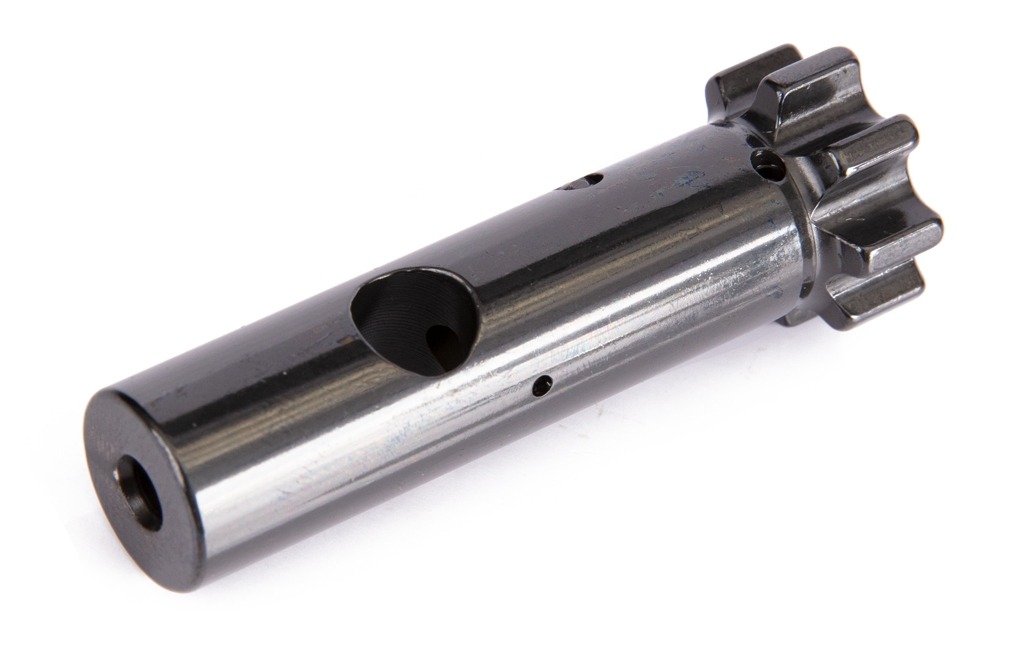
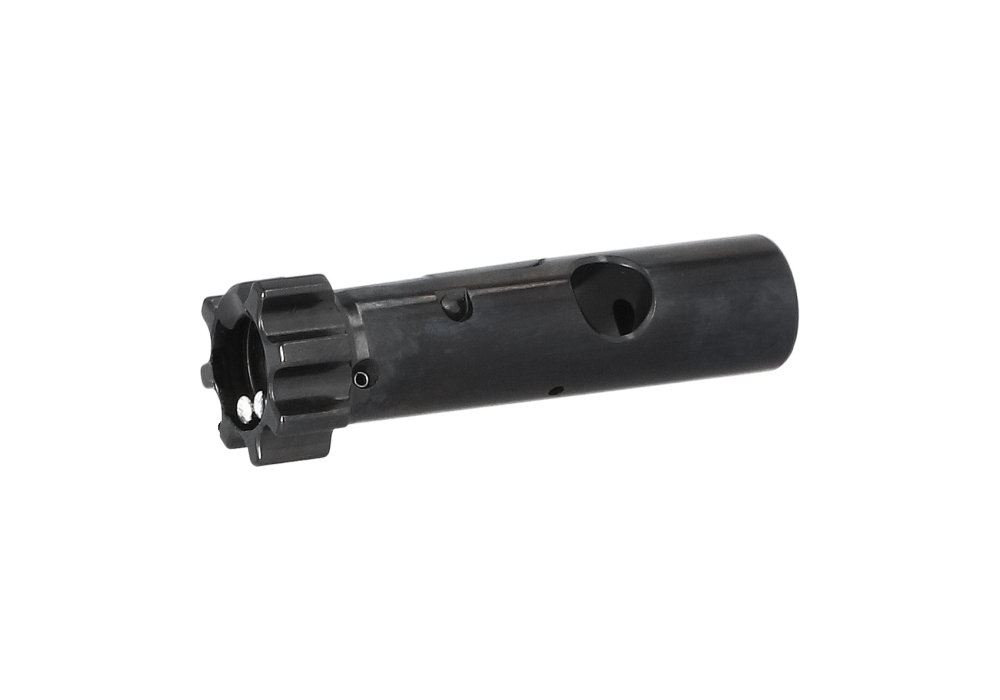
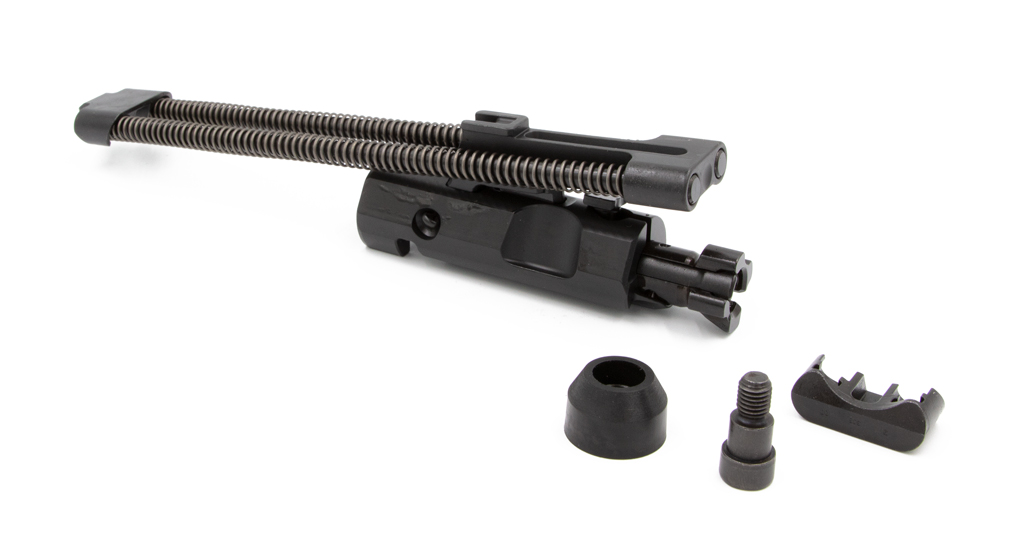
Firearm bolt parts are the components that support the controlled loading, locking, firing, extraction, and ejection cycles of a bolt-action rifle. Because these parts work together as a precisely fitted system, choosing the correct replacement or upgrade begins with identifying the firearm’s exact make, model, action pattern, caliber, and configuration. A bolt is the metal assembly that closes the breech and supports the cartridge during firing, while the bolt body, locking lugs, bolt face, and related surfaces help maintain proper alignment with the chamber and receiver. The bolt handle and knob provide the leverage needed to lift, draw back, push forward, and lock the action, and their shape can affect handling comfort, clearance, and the speed of cycling. Inside or around the bolt, the firing pin and spring deliver the impact needed to strike the cartridge primer, while the extractor grips the rim and withdraws the fired case from the chamber. The ejector then helps move that case clear of the action. Depending on the firearm and the part being replaced, bolt components may be available individually or as part of a matched assembly. Details such as bolt-face dimensions, extractor style, ejector design, firing pin geometry, shroud configuration, thread specifications, finish, and right- or left-hand operation can all matter. A part that appears similar may not be compatible, and even small differences in dimensions or timing can affect safe function. For that reason, shoppers should compare the replacement part against the firearm’s technical documentation and consult a qualified gunsmith when fitment, installation, or function is uncertain. For a broader selection of related components, explore Bolt Action Parts and narrow the options according to the action and application.
Replacement firearm bolt parts may be useful for hunters, recreational shooters, competitive marksmen, firearm collectors, and owners who maintain a rifle used regularly in changing conditions. A well-used bolt can show wear on the handle, knob, extractor, firing pin assembly, or locking surfaces, especially when a rifle has seen repeated cycling, field carry, dusty range sessions, or storage without appropriate maintenance. Replacing a worn component can help restore the familiar feel of an action, while an upgraded handle or knob may provide a more comfortable grip for shooters who operate the rifle with gloves during cooler months. Some owners keep spare springs, extractors, or other small bolt components with their maintenance supplies so an unexpected issue does not interrupt a planned range visit or a day in the field. Others select replacement parts while refurbishing a trusted rifle that has been passed through the family, giving the firearm a renewed role without changing the qualities that make it familiar. These items can also be thoughtful gifts for an experienced shooter who enjoys careful maintenance, practical upgrades, or building a dedicated parts kit; however, the recipient’s exact firearm details should be confirmed before purchasing. A gift selected by action type and model is far more useful than a visually similar part chosen without fitment information. When comparing options, consider the intended use, the amount of cycling the action receives, the shooter’s preference for a larger or more streamlined control surface, and whether the part is intended for repair, replacement, or a project build. Material and finish may influence corrosion resistance, wear characteristics, and how the component complements the rest of the firearm, but appearance should remain secondary to correct fit and reliable operation. Owners who spend time outdoors should also consider how moisture, grit, cold temperatures, and gloves may affect access to the bolt handle and other controls.
Selecting firearm bolt parts is ultimately an exercise in matching precision components to a specific action and maintaining the safety features designed into that system. Before ordering, verify the complete model designation rather than relying only on caliber, since firearms chambered for the same cartridge can use different bolt bodies, locking lug arrangements, firing pin assemblies, extractors, ejectors, or handle placements. Review product specifications for compatibility, dimensions, material, finish, and included hardware, and confirm whether professional fitting is recommended. The receiver, barrel, trigger assembly, safety, recoil lug, and bolt all contribute to the rifle’s operating system, so a change to one area should be evaluated in relation to the others. Any firearm should be unloaded before inspection, with ammunition stored separately from the work area, and a qualified professional should handle fitting or troubleshooting when a part does not move smoothly, lock correctly, extract consistently, or pass a proper function check. Avoid forcing a bolt or altering critical engagement surfaces without the appropriate training and tools. During the cooler months, a clean, lightly maintained action can be easier to operate with gloved hands, but excess lubricant can collect dust or become sluggish in low temperatures, making it important to follow the firearm manufacturer’s maintenance guidance. Whether the goal is replacing a worn extractor, refreshing a firing pin spring, improving bolt-handle control, or keeping carefully chosen spares available, the right part should support dependable operation without compromising the firearm’s original safety design. Thoughtful selection, accurate model information, and professional installation where needed help ensure that firearm bolt parts serve their intended purpose for seasons of responsible use.