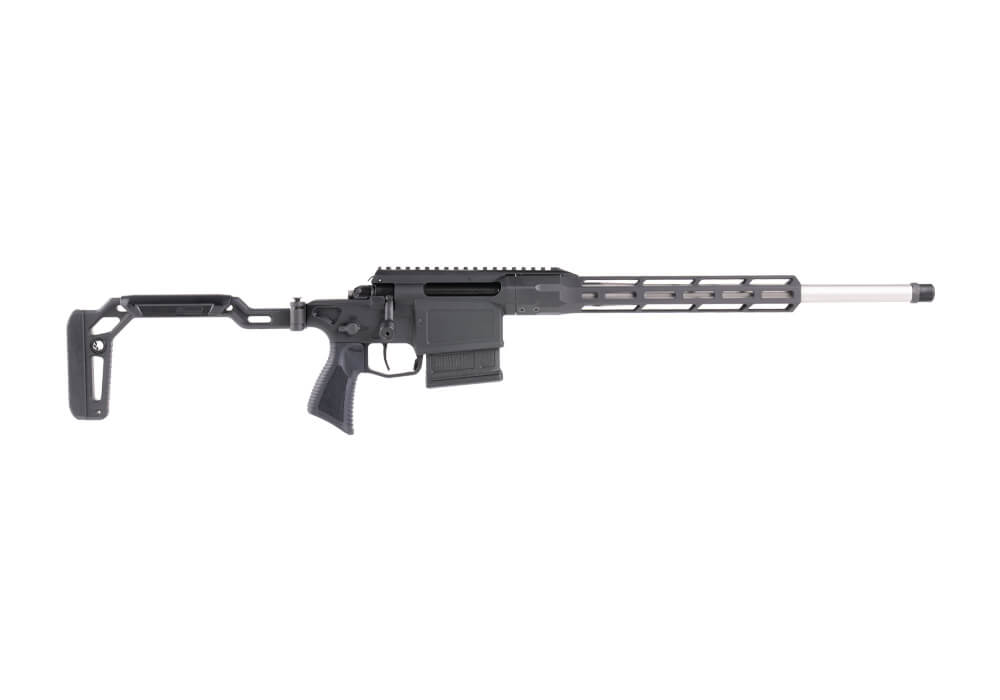
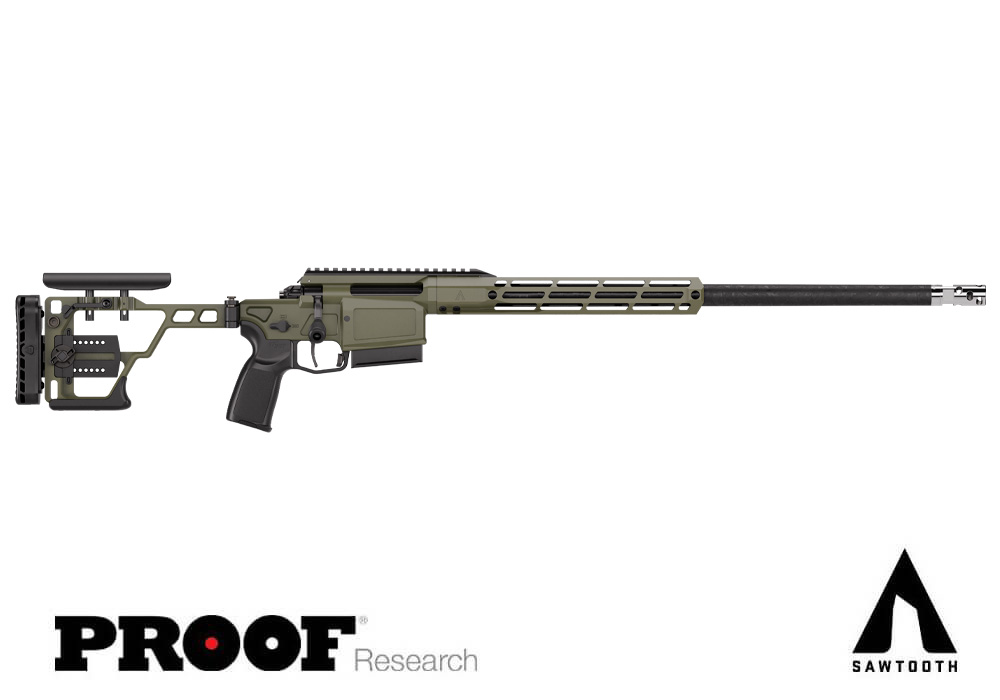
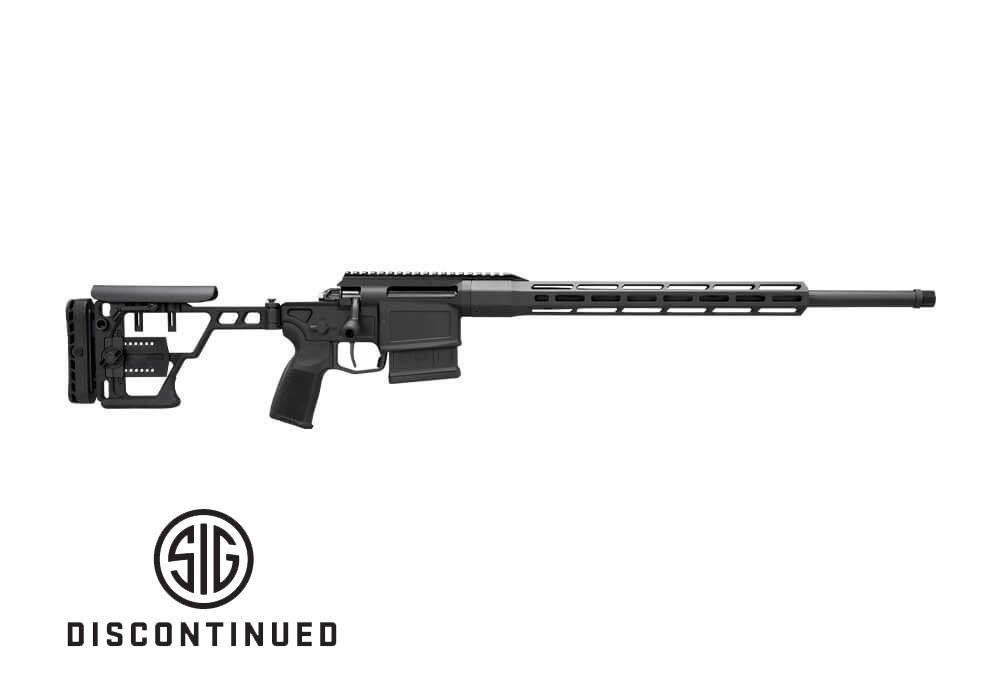
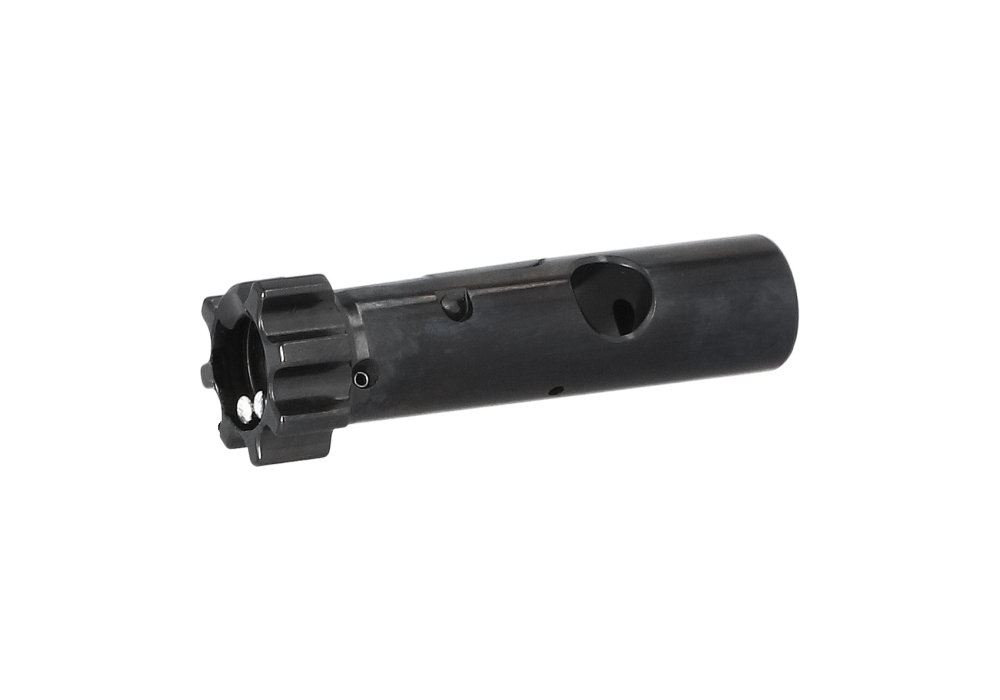
Firearm bolts are precision components that help control the complete cycle of a compatible firearm. In a bolt-action rifle, the bolt moves through the receiver to open the action, draw a cartridge from the magazine, guide it into the chamber, and lock the breech before firing. When the action is opened after a shot, the bolt helps remove the spent casing so the firearm can be prepared for the next cartridge. Once locked in place, the bolt supports the rear of the chamber and helps contain the high-pressure gases produced when ammunition is fired. This combination of feeding, extraction, locking, and breech support makes the bolt central to the firearm’s operation, whether the platform is intended for range use, hunting, competition, training, or responsible recreational shooting. Bolt designs vary by action type and firearm pattern. A traditional turn-bolt uses a lift, rearward pull, forward push, and downward rotation to cycle, while a straight-pull design moves back and forth without the same rotating motion. Some firearms use an open-bolt operating system, in which the bolt remains rearward until the trigger is pressed, while many precision and sporting rifles use a closed-bolt system that places the bolt forward before firing. Because the bolt interfaces with several other parts, including the receiver, barrel, magazine, firing pin, extractor, ejector, and locking surfaces, choosing a compatible replacement or spare requires more than matching a general description. The correct firearm model, action configuration, caliber or cartridge family, bolt face dimensions, lug arrangement, bolt handle position, and finish should all be confirmed before purchase.
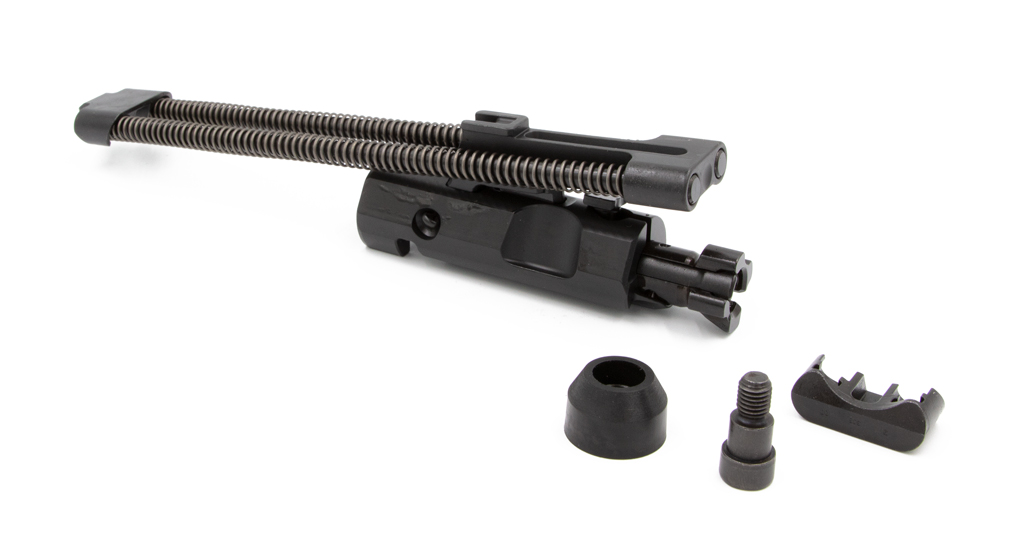
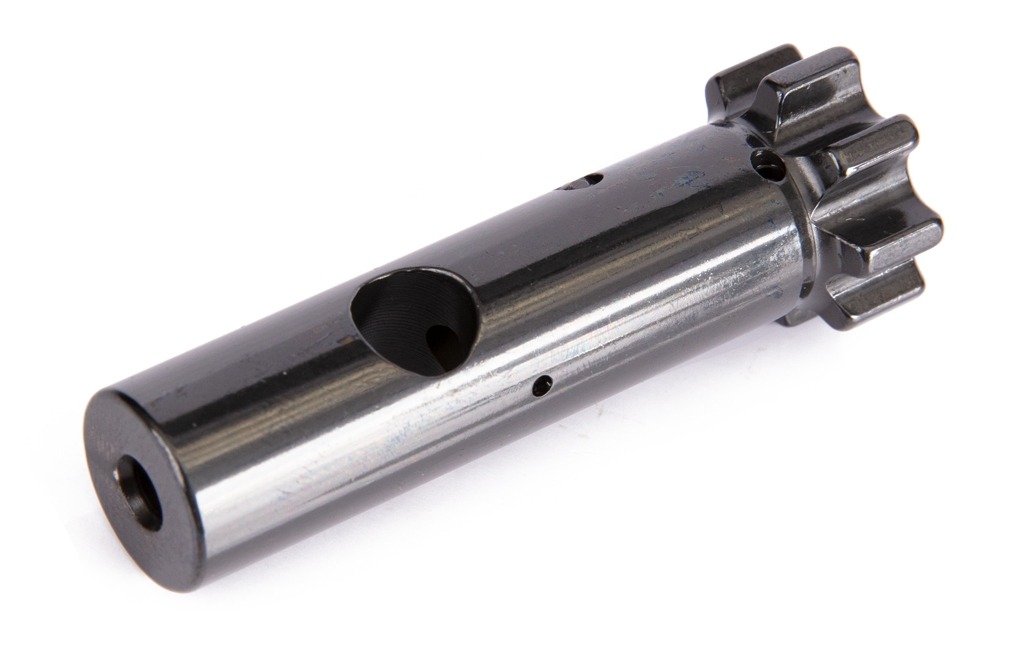
A firearm bolt may be offered as a complete assembly or as a component intended to work with existing hardware. Depending on the design, an assembly can include or interface with a bolt body, locking lugs, bolt head, bolt handle, firing pin, extractor, ejector, and related springs or retainers. The firing pin is the internal part that travels forward to strike the cartridge primer and initiate ignition, while the extractor grips the rim or groove of the fired cartridge case and draws it from the chamber as the action opens. An ejector then helps move the empty case clear of the firearm. These parts must work together with precise timing and fit; wear, damage, corrosion, fouling, or an incorrect replacement can affect feeding, extraction, lockup, or safe operation. For that reason, buyers should compare manufacturer specifications and consult a qualified gunsmith when compatibility, headspace, installation, or function is uncertain. A bolt that appears similar may not be interchangeable, even when it fits loosely into the receiver. Pay close attention to whether a selection is intended for a complete action, a specific barrel and receiver combination, a left- or right-hand configuration, or a particular generation of firearm. Finish and material can also matter. Protective coatings may help resist moisture and surface wear, while carefully machined contact surfaces support consistent operation when properly maintained. Customers looking for related replacement items can also browse Bolt Parts for components that support bolt maintenance and configuration. During the cooler months, when firearms may move between damp field conditions, cold vehicle interiors, and warm storage areas, careful inspection for condensation and surface moisture becomes especially important. Follow the firearm manufacturer’s instructions for cleaning, lubrication, storage, and function checks, and keep all firearms unloaded and secured whenever they are not in use.
The products listed in this collection may appeal to firearm owners who maintain their own equipment, competitive shooters who want a properly matched spare, hunters preparing a trusted rifle for changing field conditions, or range users replacing a worn or damaged component through an appropriate professional installation. A compatible bolt can also be a thoughtful gift for an experienced adult firearm owner, but it should be selected with the same care given to any precision part: the recipient’s exact firearm model and configuration must be known, and a gift card or an agreed-upon selection may be more practical than guessing. For someone assembling a maintenance kit, a bolt or related component can complement chamber-cleaning supplies, approved lubricant, protective storage equipment, and other tools suited to the firearm. It is not a universal accessory, and visual resemblance alone should never determine fit. Before placing an order, verify the listed specifications against the firearm’s documentation and consider whether the item is a complete bolt assembly, a replacement bolt body, or a smaller internal part. Inspect locking surfaces, the bolt face, extractor area, firing pin opening, and surrounding hardware for signs of peening, cracking, unusual wear, or deformation, and stop using the firearm if its action does not close, lock, extract, or function as expected. Any concern involving headspace, firing pin protrusion, lug engagement, or installation should be evaluated by a qualified gunsmith rather than resolved by trial and error. With the right match and proper care, a firearm bolt supports dependable cycling and helps preserve the smooth, deliberate feel that many shooters value in a well-maintained action. During seasonal transitions, store the firearm and its components in a dry, secure location, use only approved maintenance products, and follow all applicable laws and safe-handling practices.