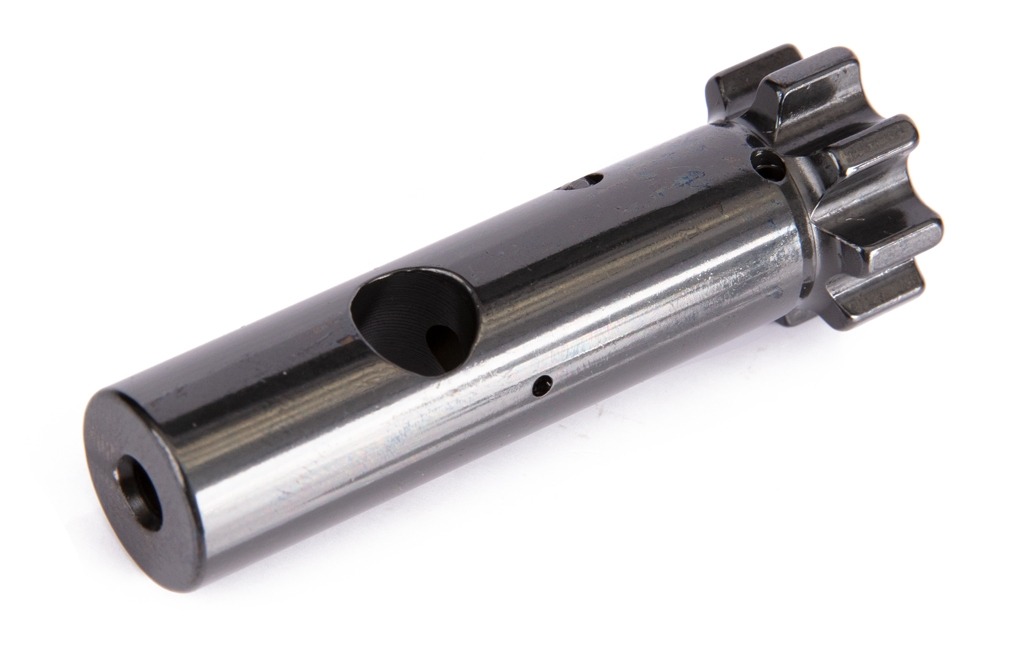
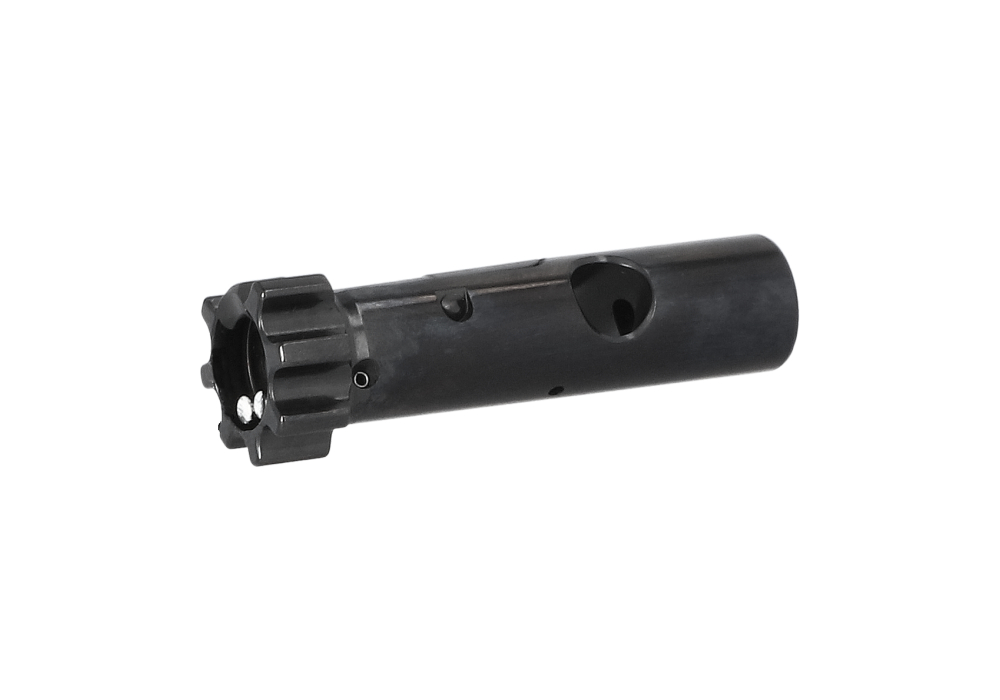
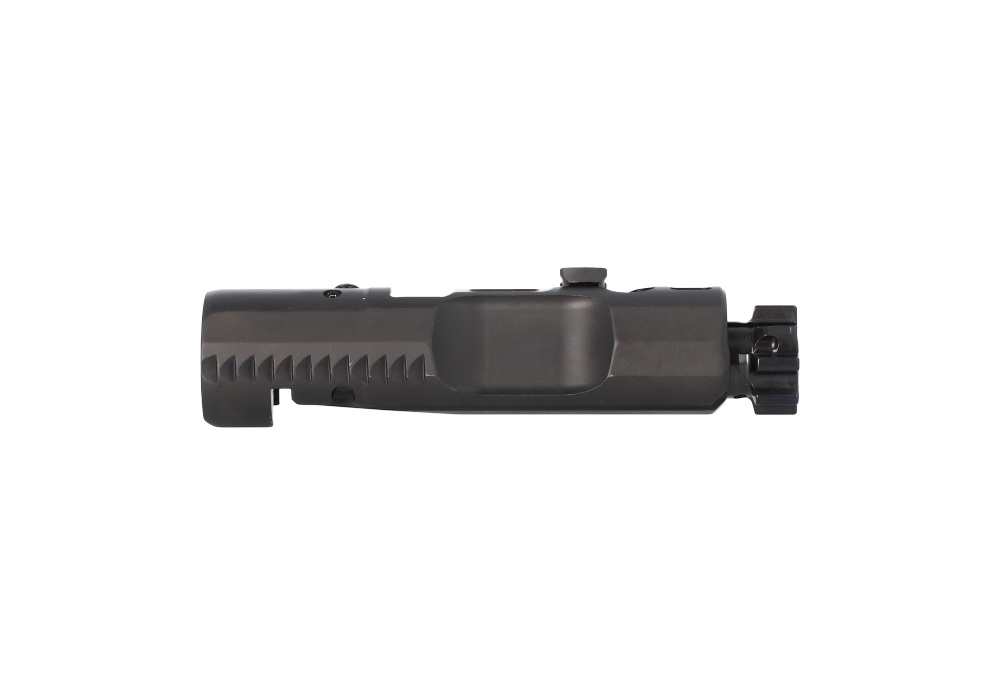
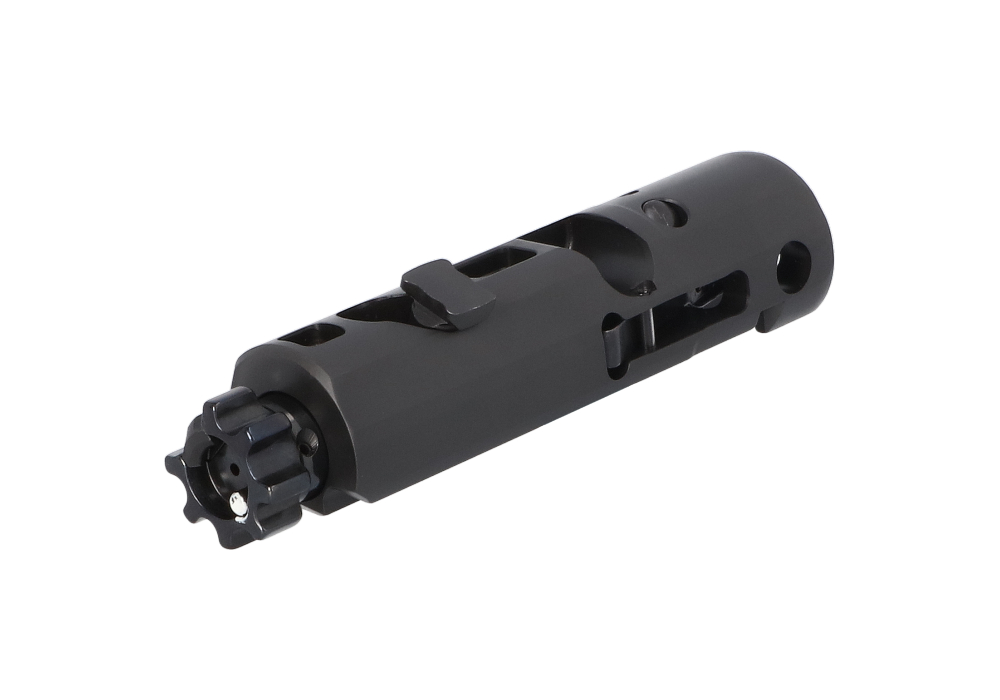
Bolt Assemblies are essential components in many repeating firearms, bringing together the parts that guide a cartridge into the chamber, secure it during firing, and support reliable extraction afterward. In the firearm context, a bolt assembly may include the bolt body, locking lugs, firing pin, extractor, ejector, retaining hardware, and, depending on the design, gas rings or related components. Each part has a specific role, and the complete assembly must work in harmony with the receiver, barrel extension, carrier or operating system, and ammunition selected for the firearm. This is why identifying the correct bolt assembly involves more than matching a general description. Caliber, cartridge dimensions, action type, bolt face pattern, lug arrangement, barrel extension, and operating system all deserve careful attention before purchase. A component that appears similar can still be unsuitable if its dimensions or configuration do not align with the rest of the firearm. For shoppers comparing Bolt Assemblies, the first step is to confirm the firearm’s exact model and chambering through the owner’s manual or manufacturer specifications. The product description should then be reviewed for compatibility details, included components, finish, material, and intended use. If you are beginning your search with the bolt itself, the Firearm Bolts collection provides a focused place to compare compatible options. These components are commonly selected by firearm owners who maintain their own equipment, competitive shooters who keep service parts on hand, hunters preparing a rifle for the field, and professional armorers responsible for inspection and upkeep. They may also be useful for a knowledgeable firearm enthusiast receiving a thoughtful gift, provided the giver confirms the exact firearm and configuration beforehand. A bolt assembly is not a universal accessory, so a little research can prevent an otherwise generous gift from being incompatible.
When comparing Bolt Assemblies, pay close attention to the details that influence fit, function, service life, and maintenance. The bolt face must correspond with the cartridge, while the extractor and ejector need to match the firearm’s design and operating requirements. Locking lugs should be inspected for clean, even contact, since they help secure the action during the firing cycle. In systems that use gas rings, their condition and arrangement can affect the movement of the bolt carrier group and the consistency of cycling. Finish and material also matter, especially for owners who use a firearm in wet woods, dusty ranges, cold weather, or other demanding environments. A corrosion-resistant surface can simplify routine care, while a durable construction may be valued by shooters who train often or keep a rifle in regular rotation. That does not mean every buyer needs the same specification. A hunting rifle used for a handful of carefully prepared outings may have different priorities from a training carbine that sees frequent practice sessions. Consider how often the firearm is used, how easy it is to access replacement parts, whether the assembly is intended for a complete repair or a planned spare, and what tools or technical knowledge installation requires. Headspace is another important consideration. It is a critical relationship between the chamber, barrel, bolt, and cartridge, and it should be verified whenever a bolt or related major component is replaced. Visual similarity is not a substitute for proper measurement or inspection. If the manufacturer calls for a qualified armorer or gunsmith, follow that recommendation. Before any work begins, unload the firearm completely, remove all ammunition from the work area, and consult the owner’s manual. A careful inspection under good lighting can reveal worn locking surfaces, damaged extractor parts, chipped edges, unusual marking, or debris that may need attention before a new assembly is installed.
Bolt Assemblies can serve several purposes beyond an immediate repair. Some owners select a replacement after extended use, while others keep a properly matched spare available so a worn component does not interrupt a training schedule or a planned hunting trip. A replacement may also be part of a broader restoration, maintenance routine, or configuration change, but every change should be approached with the same attention to compatibility and safe function. Keep records of the firearm’s model, caliber, barrel details, and any relevant part numbers so future shopping is simpler. When an assembly includes multiple parts, confirm whether the firing pin, extractor, ejector, springs, retaining pins, and gas rings are included or must be sourced separately. Packaging and storage deserve consideration as well: a clean, dry container away from moisture and abrasive debris helps preserve small springs, pins, and machined surfaces until they are needed. During the cooler months, temperature changes between a vehicle, workshop, and outdoor range can encourage condensation, so allow equipment to acclimate before inspection and wipe away moisture promptly. After installation, function checks should follow the firearm manufacturer’s instructions and take place in a controlled setting with no ammunition present unless a qualified professional directs otherwise. At the range, begin with a deliberate inspection and follow all local laws, range rules, and safe handling practices. The best Bolt Assemblies are not simply selected by appearance or price; they are chosen because their specifications align with the firearm, their components support dependable operation, and their role in the owner’s maintenance plan is clear. With accurate fitment information, responsible installation, and consistent care, a replacement bolt assembly can help keep a trusted firearm ready for the work, practice, or outdoor use it was selected to support.