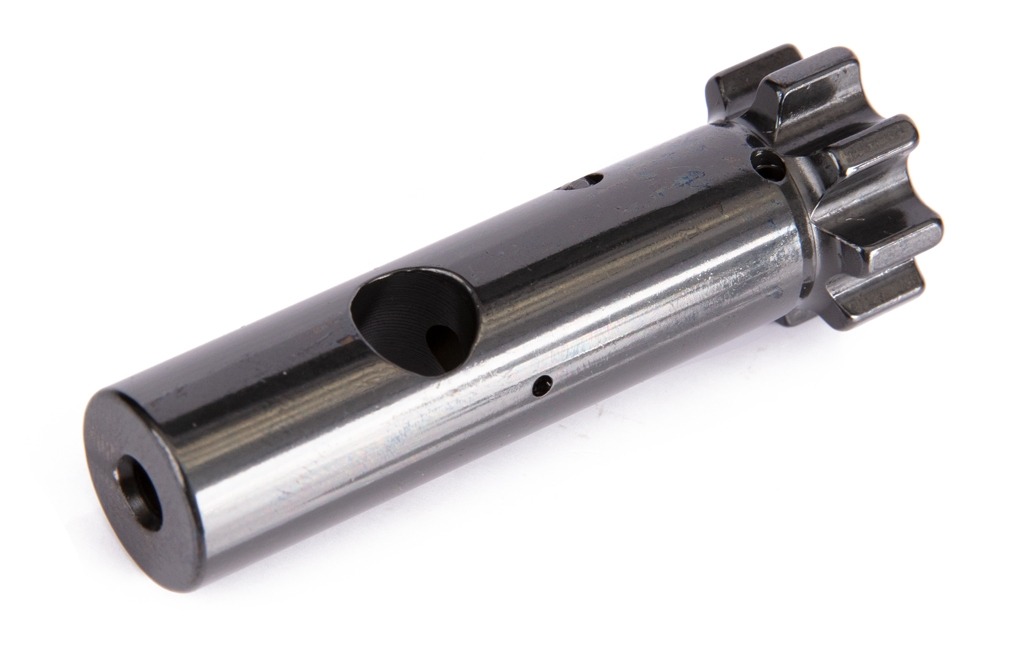
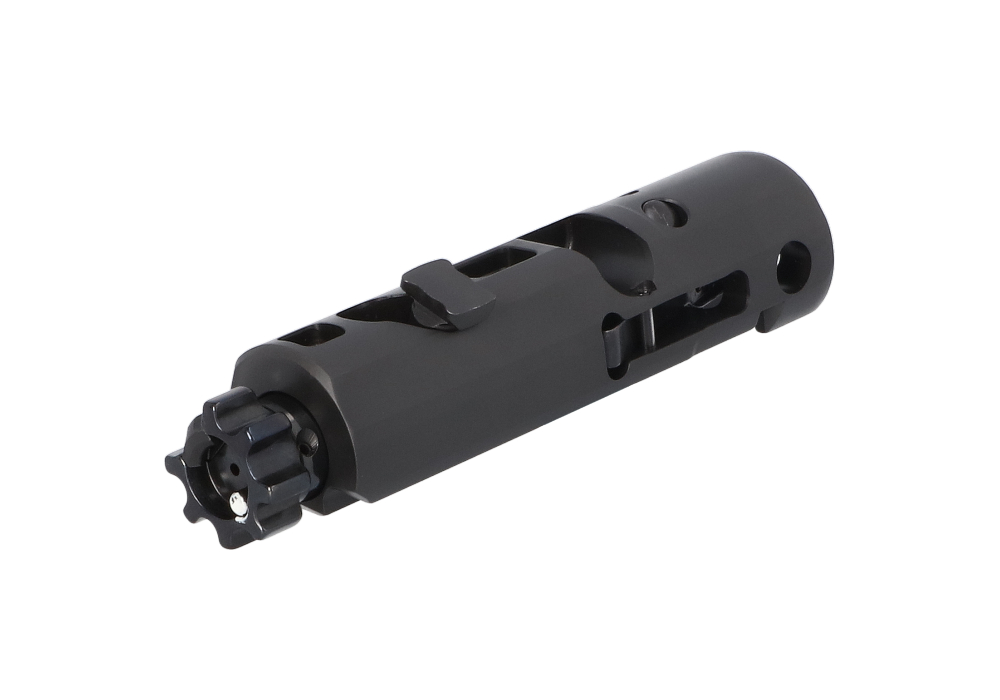
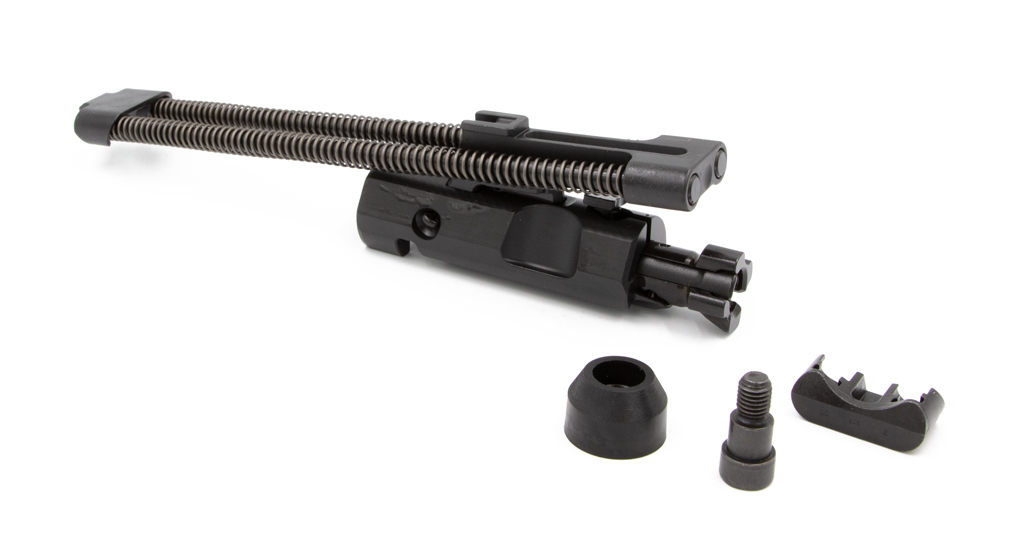
Bolt parts are the small, precisely fitted components that support the core operation of a bolt-action firearm, and selecting the right part begins with understanding how each piece relates to the complete bolt assembly. The bolt body forms the central structure, while the bolt head engages the barrel extension or receiver and supports the locking surfaces that hold the action closed during firing. Depending on the platform, the bolt may include locking lugs, an extractor, an ejector interface, a firing pin, a firing pin spring, a shroud, a cocking piece, and retaining hardware. Each component has a specific role, and even a visually similar part may not suit a particular model, caliber, generation, or receiver configuration. Before ordering, confirm the firearm’s exact designation and consult the owner’s manual or a qualified gunsmith when fitment is uncertain. Dimensions that matter can include bolt face geometry, lug arrangement, overall bolt length, firing pin style, extractor location, and the relationship between the bolt and receiver. For general hardware reference, a bolt is commonly described by its head, drive, shank, threads, chamfer, runout, grip length, and nominal length; firearm bolts use related terminology while also incorporating specialized locking and ignition features. The head is the enlarged portion handled by the action, the shaft or body extends through the receiver, and the locking lugs provide the contact surfaces that secure the bolt in battery. A smooth shank may guide the bolt through part of its travel, while threaded sections or retaining interfaces secure internal components. A chamfer at an edge can help guide insertion, and a curved transition, sometimes called a fillet or radius, can reduce sharp stress points. These details are useful when comparing replacement parts, but they should never replace platform-specific fitment information. A sound selection should account for intended use, finish, dimensions, material specifications, and the condition of related components. Replacing one worn part may reveal wear elsewhere, particularly around locking surfaces, extractor contact points, retaining pins, or spring seats. Inspect parts under bright light for peening, burrs, cracks, unusual rounding, corrosion, or uneven contact patterns, and pause the project if anything appears questionable. Firearms should be unloaded before inspection, with ammunition stored separately, and any installation or fitting work should follow the manufacturer’s instructions or be handled by a qualified professional.
The products in this Bolt Parts collection can support routine maintenance, service work, restoration projects, or carefully planned configuration changes for experienced firearm owners, collectors, competitive shooters, hunters, and gunsmiths. A replacement bolt component may help restore reliable cycling after extended use, while a spare can provide practical support for a long-term maintenance kit when it is approved for the specific firearm. These parts can also suit a thoughtful gift for a knowledgeable enthusiast who keeps detailed records and prefers to handle maintenance with the proper tools, although fitment should always be confirmed before purchase. A gift card or a conversation about the exact firearm may be more useful than guessing at a part, since small differences in bolt geometry can affect safe operation. When reviewing options, compare the listed model compatibility, caliber designation, generation, left- or right-hand configuration, and whether the part is intended for a complete assembly or for use with existing components. Consider the tools required for installation as well: some work calls for basic hand tools, while other procedures require gauges, specialized fixtures, torque equipment, or professional fitting. Avoid forcing a bolt into a receiver, altering locking surfaces without qualified guidance, or mixing internal components simply because their dimensions appear close. Properly fitted parts should move smoothly through the intended range of travel, lock without unusual resistance, and maintain the correct relationship with the extractor, ejector, firing pin, and receiver. After service, a qualified professional should verify headspace and function before the firearm returns to use. Owners who are building a maintenance routine may find it helpful to keep a written record of inspection dates, observed wear, replaced components, and any professional service performed. Store spare parts in a clean, dry container with labels that identify the intended firearm, and protect precision surfaces from grit, moisture, and unnecessary handling. For shoppers comparing related components, the Bolt Catch Assemblies collection offers another category of action hardware to review when the firearm’s design calls for it. Whether the goal is restoring a trusted hunting rifle, preparing a competition setup, or keeping a carefully maintained collection ready for the seasons ahead, accurate identification and disciplined installation matter more than appearance alone. A bolt part should complement the complete action, preserve the manufacturer’s intended interface, and support safe, dependable function through the cooler months and beyond.