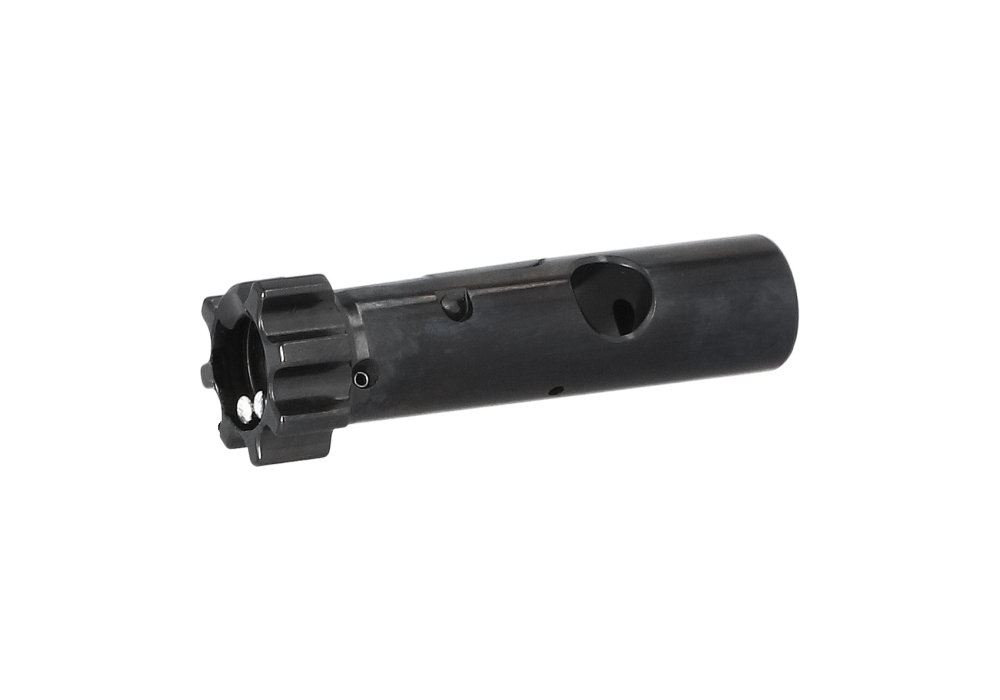
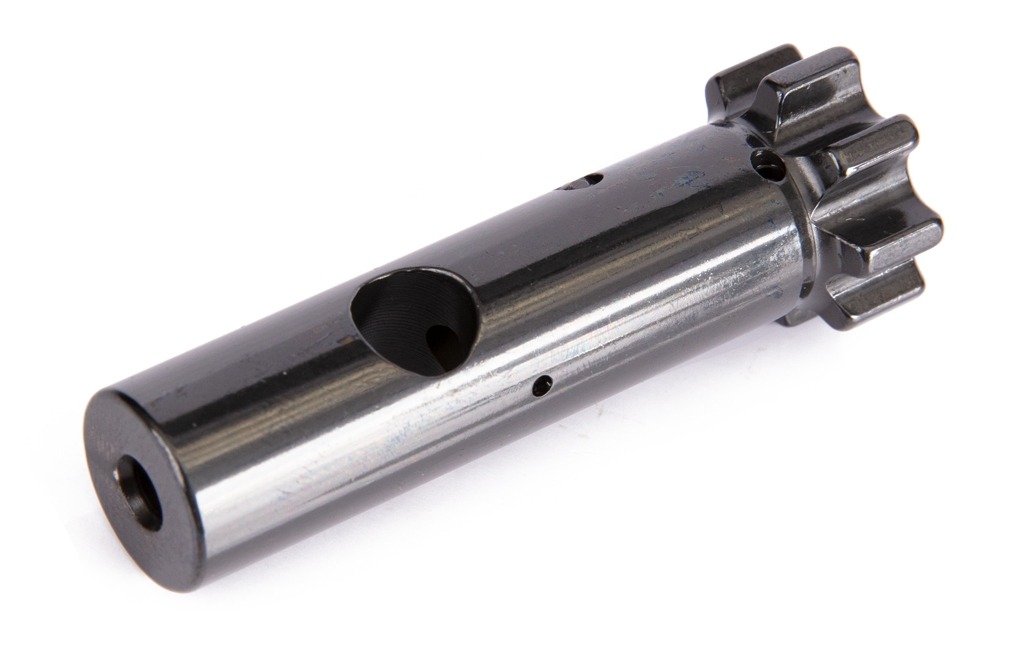
Replacement bolts are firearm components intended to replace the bolt in a compatible action, not the threaded fasteners used in furniture, vehicles, or general hardware. Within a firearm, the bolt helps close the breech, support the cartridge case, and participate in the loading and extraction cycle. Its precise role depends on the operating system, which is why replacement bolts belong to particular firearm designs rather than a universal size category. A bolt for a manually operated rifle differs from one intended for a semiautomatic action, and similar-looking components can have important differences in their dimensions, locking surfaces, and internal features. Even when two firearms share a chambering, their bolts are not necessarily interchangeable. Model designation, production revision, and the manufacturer’s stated compatibility all matter. The term “replacement bolt” can also describe different levels of completeness: a bolt body, a complete bolt assembly, and a bolt carrier assembly are distinct components, with contents that vary by design and listing. Understanding those distinctions helps set clear expectations about what a replacement includes and which existing components require professional evaluation. For an owner maintaining a familiar rifle, the objective is a correctly specified replacement that supports the firearm’s original operating requirements. A rifle that has accompanied years of target practice may need attention to worn components, while a firearm undergoing a professional inspection may require a replacement identified by the gunsmith. Neither situation is served by selecting a part solely because its profile looks familiar. Clear compatibility information is more useful than broad claims about universal fit. Related Bolt Parts can include individual components associated with a bolt assembly, but a component listing should not be assumed to contain a complete replacement bolt. The distinction is especially important when comparing photographs, package descriptions, and assembly names across different firearm platforms.
Materials and manufacturing quality play a substantial role in bolt durability because the component operates under repeated mechanical stress. Depending on the design, replacement bolts may use alloy steel, stainless steel, or other specified materials selected for the intended application. Material names alone do not establish suitability. Heat treatment, dimensional consistency, surface finish, and quality-control practices contribute to how a component performs within its designated action. Locking surfaces and other contact areas require precise relationships with the surrounding firearm, so a finish that looks attractive cannot substitute for correct specifications. Protective surface treatments may help resist corrosion or reduce surface wear, but their benefits depend on the treatment, the underlying material, and proper maintenance. No finish eliminates the need for inspection and care. Residue, moisture, and unsuitable storage can affect even a durable component, particularly around recesses and mating surfaces that are not immediately visible. Routine care should follow the firearm manufacturer’s instructions, including the recommended cleaning products and lubrication practices. Excess lubricant can collect debris, while incompatible chemicals or abrasive treatment can harm finishes and conceal rather than resolve an underlying problem. For a rifle used regularly at the range, consistent maintenance provides opportunities to notice changes in condition before the next outing. For a firearm stored between infrequent trips, periodic inspection remains relevant even when the round count is modest. Wear is not determined by appearance alone, and a polished contact surface does not provide a complete picture of serviceability. Cracks, unusual deformation, corrosion, or a change in normal operation warrant evaluation by a qualified gunsmith rather than continued use or an attempt to reshape the component. Long service life depends on the relationship between correct materials, proper fit, appropriate care, and the condition of the firearm as a whole. A replacement bolt is therefore best understood as a precision operating component, not a cosmetic accessory or an interchangeable piece of ordinary hardware.
Fit deserves particular attention because replacing a bolt can affect critical relationships within the firearm. Headspace describes a dimensional relationship between the chamber and the closed bolt; it is not something that can be confirmed from a product photograph or by comparing external dimensions. Compatibility statements help identify the intended application, but they do not replace any inspection or fitting required by the manufacturer. Some designs require professional fitting, and others still call for verification before the firearm returns to service. A bolt that appears to seat normally is not, by itself, proof of a safe match. The barrel, receiver, bolt, and associated components function together, and their condition matters alongside the specifications of the replacement. Qualified gunsmith evaluation is particularly valuable when a firearm has an uncertain service history, has previously received replacement components, or shows unusual wear. For target shooters, hunters, and other firearm owners, the practical benefit of a suitable replacement is continued service within the firearm’s intended design, not a promise of greater accuracy or a different operating character. A familiar rifle with a well-fitted stock and established sight settings may remain useful for many years, but familiarity does not remove the need for careful mechanical assessment. Documentation helps preserve that continuity: the firearm’s exact model information, the replacement component’s identification, and records of professional service can make future maintenance more straightforward. Storage also deserves consideration when a replacement will not be installed immediately. A clean, dry, protected container helps prevent contact damage and keeps small associated components from becoming separated or confused with parts for another firearm. Original labeling provides a useful reference long after the packaging has been opened. Whether the need arises from routine service, a gunsmith’s recommendation, or the upkeep of a regularly used firearm, the strongest selection criteria remain the same: documented compatibility, appropriate materials, clearly stated assembly contents, and professional verification where required. Those details support a replacement that belongs in the intended firearm and a maintenance decision grounded in fit and condition rather than appearance alone.