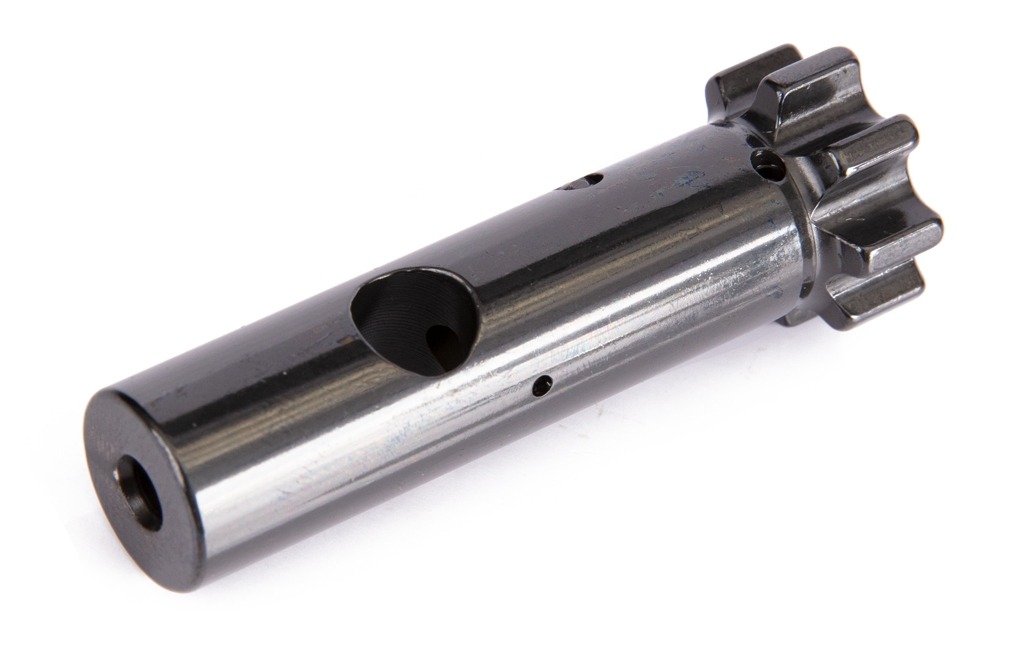
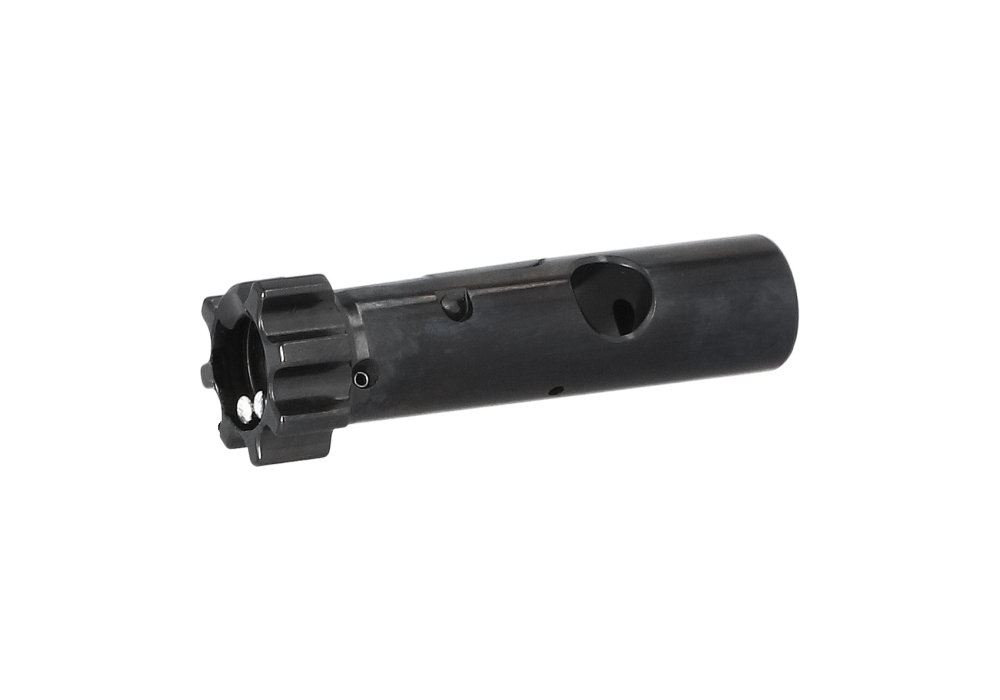
Replacement bolt heads are firearm action components that replace the bolt’s forward, cartridge-facing section on designs with a serviceable, separate bolt head. They are different from the heads of threaded bolts used as mechanical fasteners, and they are not necessarily the same thing as complete bolt assemblies. In a compatible firearm, the bolt head works within the action to support the cartridge case and, depending on the design, provide locking surfaces and accommodate extraction or ejection components. Those responsibilities make correct identification more important than a familiar shape or a matching finish. The relevant distinctions include the firearm platform, action design, model generation, chambering, and manufacturer specifications. Two parts can look almost identical while differing in dimensions or engagement surfaces that matter to safe operation. Conversely, firearms with similar names may use different internal arrangements, so a shared model family is not enough to establish fit. Replacement bolt heads are most relevant to owners maintaining an existing firearm, shooters addressing professionally identified wear, and qualified gunsmiths servicing supported actions. For an owner whose rifle has seen years of regular range sessions, the purpose is to restore the correct mechanical relationship among existing components, not to select an accessory by appearance. A clearly documented maintenance history and an exact firearm identification provide a stronger basis for selection than a general description such as rifle bolt head. Compatibility also extends beyond whether a component physically enters an action. The relationship between the bolt head, barrel, chamber, and associated parts must remain within the firearm manufacturer’s specifications. Headspace is part of that relationship and requires appropriate professional verification when relevant to replacement. A separate bolt head should therefore be considered a precision replacement component rather than a universal repair solution. Clear descriptions that distinguish a bolt head from a complete bolt, bolt carrier, or other action component help narrow the category without implying that every firearm supports the same replacement arrangement.
Materials and manufacturing details matter because bolt heads operate under repeated mechanical stress and contact closely fitted surfaces throughout the firearm’s service life. Hardened steels are common in these components, but the material name alone does not tell the whole story. Alloy selection, heat treatment, dimensional control, and surface finishing work together to influence strength, resistance to wear, and consistency of fit. A darker surface or a more polished appearance does not, by itself, establish better performance. Finishes may help resist corrosion or affect surface characteristics, but their suitability depends on the underlying design and the manufacturer’s requirements. Locking lugs, where present, need the correct geometry and relationship to the corresponding surfaces in the firearm. The bolt face likewise needs to match the intended cartridge and action specifications; visual resemblance cannot confirm that match. Extractor and ejector arrangements vary, and a replacement bolt head may be supplied with different associated components depending on its configuration. The distinction between a bare component and an assembly is worth understanding because photographs do not always explain what accompanies a part. Product documentation should establish those details rather than leaving the owner to infer them from a general category name. Durability is best understood as dependable service within the intended system, not as a promise that one material or finish eliminates wear. A firearm used frequently for organized practice may develop a different service history from one taken to the range occasionally, yet both depend on correctly specified components. Maintenance records, observed condition, and a qualified assessment are more useful than a replacement schedule based solely on elapsed time. For owners comparing suitable options, documented compatibility and clear technical specifications deserve more weight than cosmetic differences. The most appropriate replacement is the one that meets the requirements of the firearm and the service being performed, with no assumptions about interchangeability.
Care for a replacement bolt head belongs within the firearm’s established maintenance requirements. Residue, moisture, and contamination can affect closely fitted action components, while inappropriate cleaning products or excessive abrasion can damage protective surfaces. Manufacturer-recommended care helps preserve the component’s finish and supports meaningful inspection over time. The areas that contact other action parts deserve professional attention when there are signs of unusual wear, cracking, deformation, or persistent functional problems. A new-looking surface does not guarantee sound condition, just as ordinary finish wear does not automatically establish that replacement is necessary. For the owner returning to a trusted rifle after an extended period between range visits, an inspection can clarify whether the concern is routine maintenance or an issue requiring service. For a frequent shooter, consistent records can help a gunsmith evaluate changes in function without relying on memory alone. Replacement should address an identified need; it should not be treated as a substitute for diagnosing an underlying problem elsewhere in the action. Related components, including Replacement Bolt Catches, serve separate purposes and are not interchangeable with bolt heads. A bolt catch generally retains the bolt or bolt carrier in an open position on compatible designs, whereas the bolt head interfaces with the cartridge and the firearm’s locking arrangement. Recognizing those distinctions helps keep a parts search focused on the actual service requirement. Intended use also shapes expectations: recreational shooting, organized training, and hunting all call for dependable function, but none changes the need for exact compatibility. A replacement component does not establish that a firearm is ready for use simply because it appears to fit. Qualified installation where required, verification against manufacturer specifications, and an appropriate assessment of the complete firearm remain central to responsible maintenance. For owners seeking long-term service from an established firearm, replacement bolt heads belong in a careful, specification-led approach that values correct fit, durable materials, and a clear understanding of the component’s role.