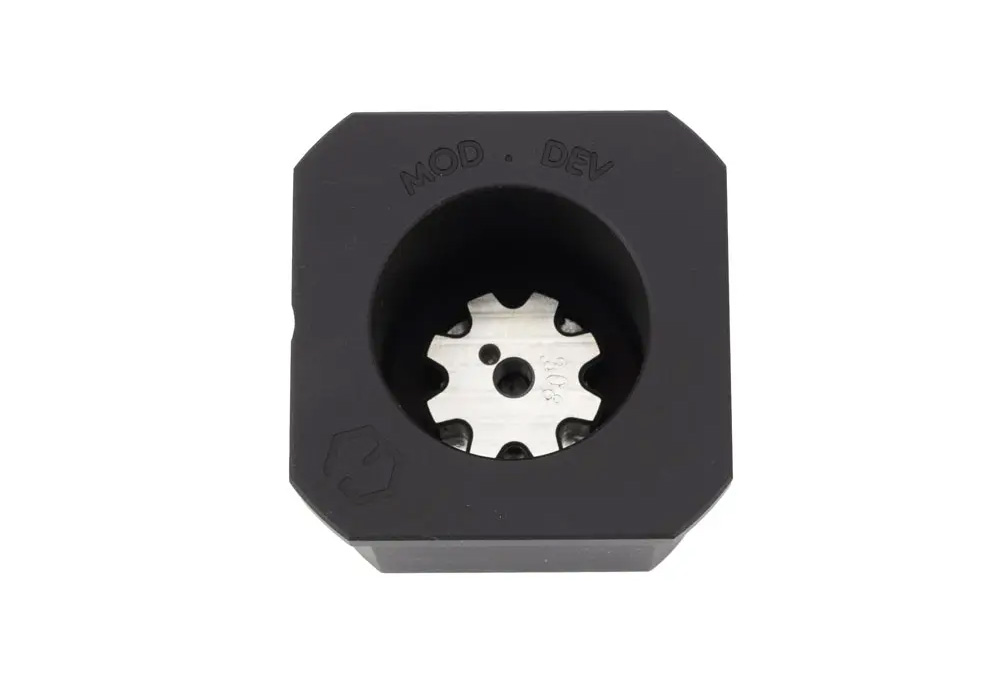
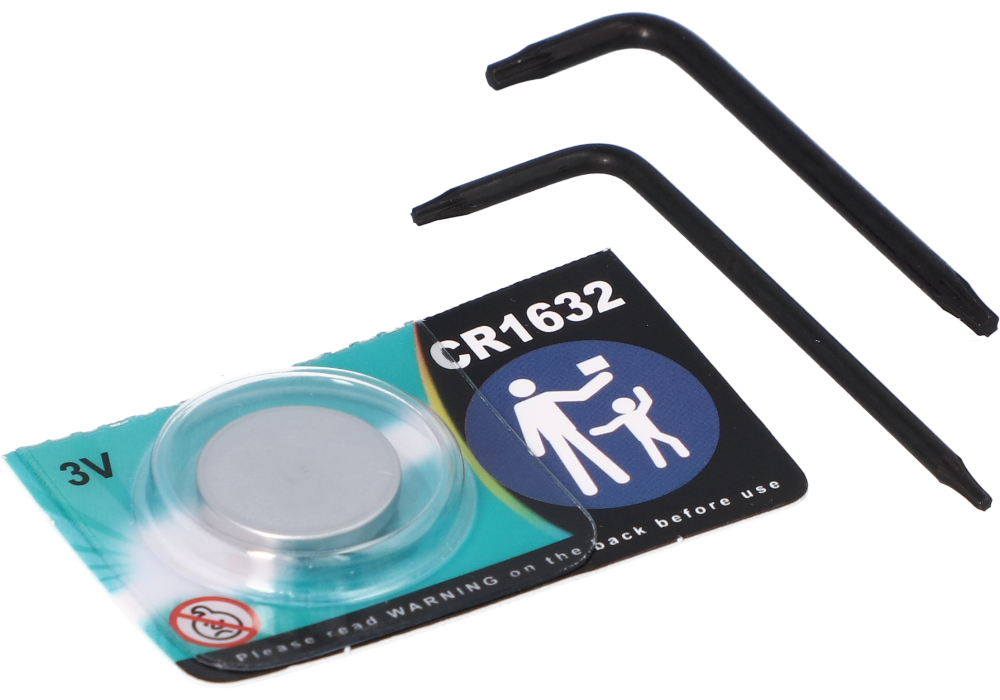
Firearm disassembly tools are specialized hand tools and supports used to separate compatible firearm components for cleaning, inspection, and manufacturer-approved maintenance. The category includes punches, soft-faced hammers, bench blocks, fitted drivers, and platform-specific tools, each serving a different purpose at the workbench. Their value comes from accurate fit and controlled contact: a tool that matches the component can help protect pin openings, screw heads, finishes, and surrounding surfaces. For owners who handle routine maintenance, a small selection of correctly sized tools may be more useful than an assortment with little relevance to the firearm. Gunsmiths, armorers, and experienced enthusiasts may need a broader range of dimensions and profiles to accommodate different designs. Solid-pin punches and roll pin punches are distinct tool types, not interchangeable substitutes. A roll pin punch typically has a small centering projection intended to engage the hollow center of a compatible roll pin, while a conventional flat-ended punch presents a different contact surface. Punch diameter, tip geometry, shaft alignment, and material all matter when evaluating fit. Drivers deserve the same attention. Slotted, hex, and star-profile fasteners require matching tips that seat properly rather than relying on a close visual match. A worn bit or an undersized tip can concentrate pressure along a small edge, increasing the chance of damage to the fastener. Platform-specific disassembly tools address interfaces that general-purpose tools may not suit, but their usefulness depends on compatibility with the exact firearm configuration. A familiar model name alone does not establish fit across every version or production revision. Manufacturer documentation remains the reference for required tools, permitted maintenance, and any components that call for professional service. For a shopper building a practical maintenance setup, the strongest starting point is the firearm’s documented requirements and the tasks the owner is qualified to perform, rather than the number of pieces in a case.
Materials and construction influence how firearm disassembly tools feel in use and how well they hold their working shape. Hardened steel is common in punches and driver bits because it can provide strength and resistance to wear, although a hard tool surface still requires careful matching to the part it contacts. Brass offers different contact characteristics and can be useful in appropriate applications, but it is not a guarantee against marks, transferred material, or deformation. Nylon and other polymer contact surfaces can help protect finishes in suitable tasks, while also showing wear sooner than harder materials under some conditions. Replaceable hammer faces and serviceable components can extend a tool’s useful life when compatible replacements are specified. Clean machining, straight shafts, securely fitted handles, and clearly marked sizes are practical details that become noticeable during repeated use. A punch with a damaged tip or a driver with rounded edges no longer offers the same fit as an intact tool. Support equipment matters as much as the tool in hand. Bench blocks provide designated support surfaces and clearance for compatible components; protective mats help separate parts from a hard tabletop and keep small pieces visible. Neither replaces the correct support arrangement for a particular firearm. A stable work surface, good lighting, and a tray for small components can turn a crowded cleaning area into a more orderly maintenance space. For someone working at a shared bench, a fitted case also helps keep similar-looking punches and bits distinguishable. Handles should offer a secure grip without obscuring the working end, and tool dimensions should provide appropriate access without encouraging awkward contact with nearby surfaces. Where manufacturer documentation specifies a torque value during reassembly, a suitable torque tool with the correct operating range supports consistent fastening. It does not resolve an incorrect bit, incompatible hardware, or damaged threads. These considerations help distinguish tools suited to occasional routine care from equipment intended for frequent professional use, without assuming that a heavier tool or a larger assortment is automatically the better choice.
A useful firearm maintenance setup should also suit where the tools will be stored, how often they will be used, and how easily their condition can be checked. Compact tools and organized cases are convenient for owners who need a portable maintenance kit, while a dedicated bench can accommodate separate supports, clearly arranged drivers, and more specialized sizes. Portability is most useful when it preserves the tools needed for the intended task; a compact format should not obscure compatibility or sacrifice a secure grip. Shoppers comparing individual tools with coordinated assortments can explore Firearm Tool Kits for a broader view of organized maintenance equipment. Individual tools can fill a known gap, while a coordinated selection can help keep commonly used sizes together. Either approach benefits from readable markings, storage that protects working tips, and enough organization to reveal a missing piece before the next maintenance session. Care requirements vary by material, finish, and handle construction. Cleaning residues and moisture should be addressed according to the tool manufacturer’s recommendations, particularly when solvents may contact polymers, coatings, adhesives, or storage foam. Dry storage and appropriate corrosion protection help preserve susceptible metal surfaces. Regular inspection can reveal bent shafts, chipped edges, loose heads, and worn driver profiles before those defects affect a firearm component. For a gift recipient, these tools are most useful when matched to an established maintenance routine and a confirmed platform, rather than selected on appearance alone. A dedicated owner may appreciate a compatible replacement for a frequently used tool or a better way to organize an existing assortment. A newer owner may benefit more from a focused selection aligned with the manufacturer’s instructions than from specialized equipment beyond routine care. Before maintenance, the firearm manufacturer’s unloading and safety procedures remain essential, with ammunition kept separate from the work area. Tasks outside the owner’s training or the manufacturer’s permitted maintenance belong with a qualified professional. Thoughtfully selected firearm disassembly tools support a straightforward goal: access for appropriate care, protection for compatible components, and a dependable workspace that remains useful through repeated maintenance sessions.