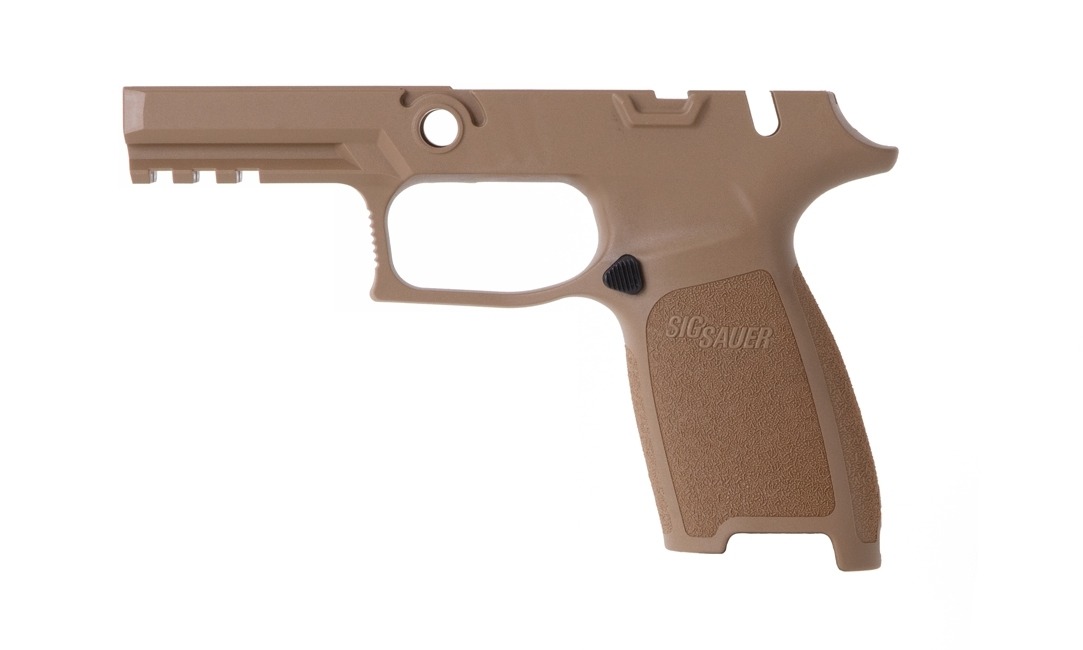
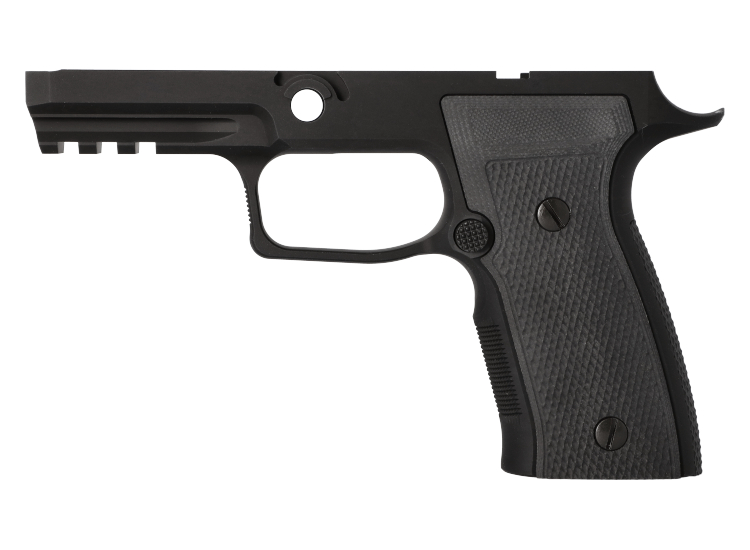
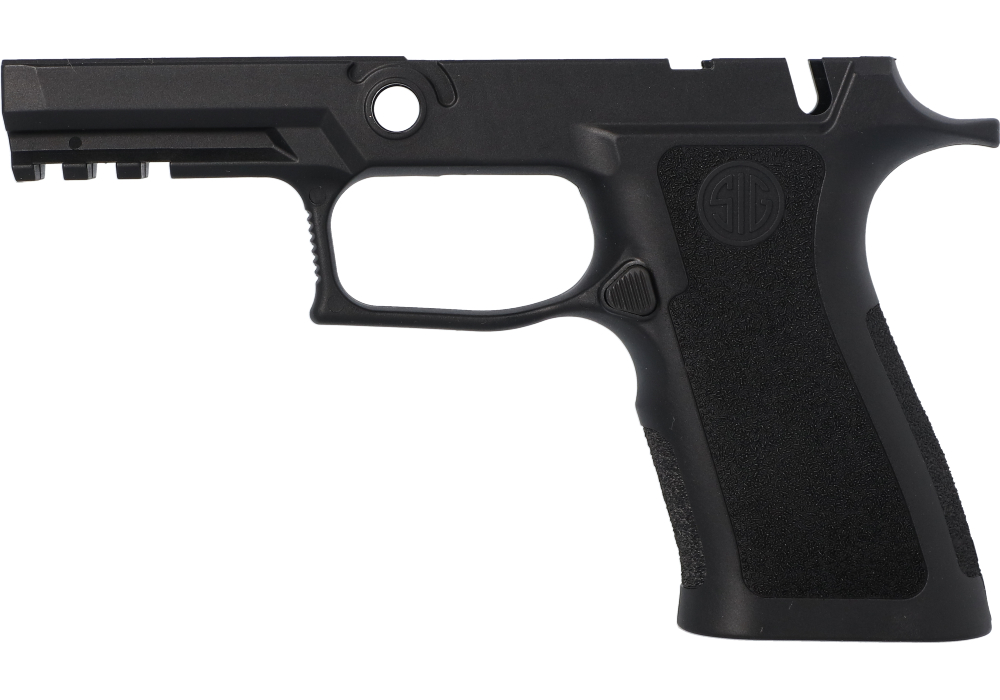
Firearm grip adjustments are changes to the size, shape, or surface of a firearm’s grip intended to create a better match between the firearm and the user’s hand. Grip panels, interchangeable backstraps, sleeves, and compatible grip assemblies offer different approaches to that fit, depending on the firearm’s design. The most relevant considerations include grip circumference, finger length, palm shape, surface texture, and the relationship between the grip and the firearm’s controls. A grip that feels comfortable to one person may feel bulky, narrow, or sharply contoured to another, even when both people have similar hand measurements. An unusually wide grip can fill the palm yet leave controls feeling distant, while a very slim profile may concentrate pressure along a narrow edge. Rounded contours, flatter side panels, and different backstrap profiles each create a distinct feel without necessarily changing the firearm’s overall dimensions in the same way. These differences explain why grip fit involves more than choosing a small, medium, or large option. Compatibility comes first: an accessory needs to match the exact firearm configuration, including any relevant frame dimensions, attachment points, and manufacturer requirements. Similar appearance does not establish interchangeability, and a sleeve or panel intended for one design should not be assumed suitable for another. It also helps to distinguish between a replaceable outer grip component and a larger assembly that incorporates other functional parts. Those categories can involve different fitting requirements and should not be treated as equivalent. For shoppers comparing firearm grip adjustments, the goal is a comfortable, secure interface that preserves normal access to controls and does not interfere with the firearm’s intended operation. Product dimensions, compatibility information, and clear material descriptions are more useful than broad promises about universal fit. A contoured surface that feels welcoming during a brief inspection may become noticeable during a longer practice session, particularly where a seam, raised ridge, or prominent finger groove meets the hand. Thoughtful selection accounts for those contact points rather than relying on appearance alone.
Materials influence how a grip feels, how it wears, and how much attention it needs over time. Molded polymer generally offers a practical combination of relatively low weight, dimensional consistency, and straightforward care, although texture and rigidity vary considerably between designs. Rubber and other elastomer surfaces can feel more yielding against the hand, but their feel depends on formulation, thickness, and the pattern of the surface. Wood brings natural grain and a distinctive tactile character, with maintenance needs that depend on its finish and construction. Metal grip components tend to feel firm and substantial, and their coatings or surface treatments influence both appearance and everyday wear. None of these materials is automatically the best choice for every user. A person who dislikes pronounced texture may prefer a gentler pattern, while someone who finds smooth panels slippery may appreciate a more defined surface. Texture should be evaluated as a contact surface, not simply as a visual feature. Deep patterns can retain lint and residue, raised edges may rub against clothing, and especially coarse surfaces can feel abrasive during extended handling. Subtle transitions around panel edges and attachment points can matter as much as the broad surface across the palm. Durability also depends on the complete construction rather than the material name alone. Cleanly finished edges, stable attachment, and resistance to routine cleaning products all contribute to long-term usefulness. Care should follow the accessory manufacturer’s recommendations, particularly where solvents, oils, coatings, or natural finishes are involved. A cleaner suitable for one firearm component may not be suitable for a rubber sleeve, finished wood panel, or coated grip surface. Routine inspection can reveal cracks, looseness, lifted edges, or unusual wear before they become larger concerns. Any fit assessment, cleaning, or inspection should take place only after the firearm has been verified unloaded and handled according to its manufacturer’s safety instructions. Uncertain fit, damaged components, or interference with controls warrants evaluation by a qualified gunsmith rather than an improvised alteration.
Intended use gives these material and fit considerations a practical context. Someone who spends an extended afternoon at a recreational range may place particular value on comfortable contours and a surface that does not create persistent pressure points. A newer owner may be trying to understand why an otherwise suitable firearm feels awkward in the hand, while an experienced enthusiast may be replacing worn panels or seeking a different texture without changing familiar controls. Shooters with smaller hands, longer fingers, or sensitivity to firm contact surfaces can have different priorities, so recommendations based solely on another person’s preference have limits. Rifle grips introduce their own compatibility and ergonomic considerations, including the relationship between grip shape and the rest of the firearm’s configuration. For that category, Shooting Rifle Grips provides a related place to explore grip options with those distinctions in mind. Across firearm types, a comfortable accessory should complement the existing design rather than obstruct controls, interfere with normal handling, or require unapproved changes. Installation requirements vary, and manufacturer documentation or qualified professional assistance is appropriate whenever the correct fit is uncertain. Grip accessories can also be a considerate gift for a firearm enthusiast when the recipient’s exact firearm configuration and preferences are known. Hand feel is personal, however, and matching someone’s preferred contour and texture is more meaningful than selecting an accessory for its appearance alone. For long-term ownership, practical details remain important: whether the surface is easy to inspect, whether its care requirements suit the owner’s routine, and whether wear can be identified without guesswork. A well-chosen grip component does not replace safe handling or qualified instruction, and no single shape guarantees the same experience for every person. Its value lies in appropriate fit, dependable construction, and a comfortable point of contact that suits the owner’s hands and intended use. Those fundamentals offer a sound basis for comparing firearm grip adjustments without confusing a different appearance with a genuinely suitable fit.