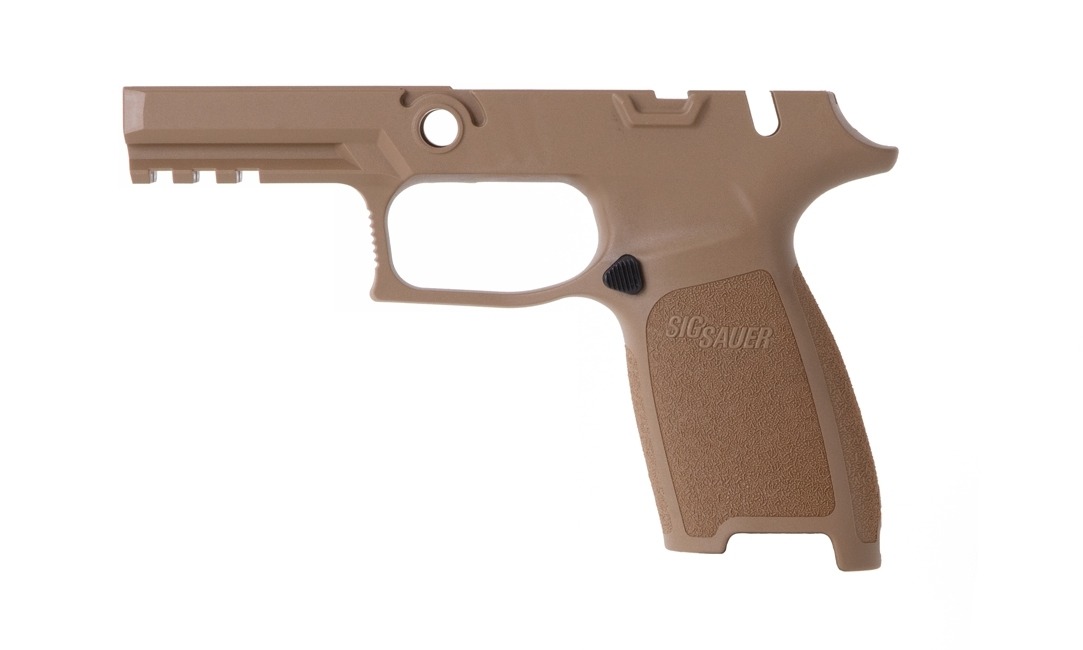
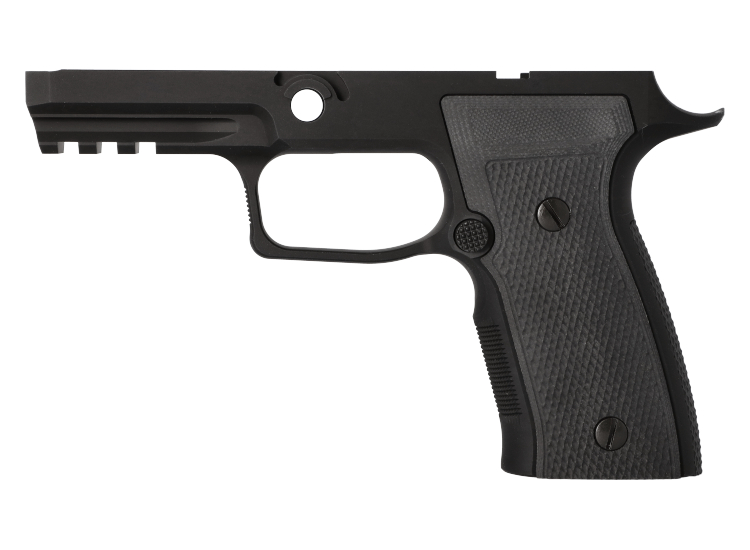
Firearm grip parts are the structural components, contact surfaces, and hardware that form or support the portion of a firearm held in the hand. Depending on the firearm’s design, this category can include grip panels, grip modules, backstraps, sleeves, screws, and related mounting hardware. Some components replace a worn exterior surface, while others provide a different contour, texture, or hand fit on a compatible platform. These parts serve distinct purposes, so similar appearance does not establish interchangeability. A removable grip panel is different from a complete grip module, and a backstrap intended for one frame may not fit another frame of similar size. Compatibility starts with the firearm’s exact model, generation, and frame configuration, followed by the component manufacturer’s stated fitment. Mounting locations, screw dimensions, control clearances, and the relationship between adjoining parts all matter. A panel that looks nearly identical in a photograph can still differ in thickness, screw spacing, or the shape of its upper edge. For firearms with modular construction, the exterior grip structure may also need to match a particular internal chassis or frame arrangement. Product descriptions and manufacturer documentation are more useful here than broad labels such as compact or full-size, which do not establish compatibility across different designs. The distinction between replacement and fit adjustment is equally important. Someone restoring a familiar range firearm may prefer its existing profile, while someone comparing hand-fit options may be looking for a narrower contour or a different backstrap shape. Grip dimensions can influence how the hand rests against the frame and how comfortably the fingers reach the controls, but a larger or more textured grip is not automatically a better match. The most relevant details are the ones that connect the part to the firearm and the person using it: the correct mounting interface, an appropriate profile, and a surface that feels comfortable without obstructing normal operation. Clear fitment information helps distinguish a suitable replacement from a component that merely looks similar.
Material and surface design give firearm grip parts much of their character. Polymer components can combine relatively low weight with molded contours and integral texture. Rubber or elastomer surfaces have a more yielding feel, although their response to oils, cleaning chemicals, and repeated handling depends on the particular formulation. Metal grip panels offer a firm contact surface, with machining patterns and edge treatments shaping how they feel in the hand. Wood brings visible grain and a traditional appearance, while composite materials can provide layered patterns and a range of surface finishes. No material is universally best; construction quality, compatibility, maintenance requirements, and personal preference carry more weight than appearance alone. Texture deserves close attention because photographs do not fully communicate it. Fine checkering can feel very different from broad ridges, a pebbled surface, or a smooth panel with shallow grooves. A pronounced texture may appeal to a recreational shooter who prefers a distinct contact surface, while a gentler pattern may be more comfortable through an extended practice session. Panel thickness and edge shape matter just as much. A raised border, a palm swell, or a pronounced finger groove can change where pressure falls across the hand. A contour that suits one person can feel intrusive to another, especially when hand size or finger length differs. Related options in Firearm Grip Adjustments can help focus a search on fit rather than finish alone. Color and decorative treatment remain valid preferences, but they work best alongside practical considerations such as surface consistency, comfortable edges, and suitable clearance around controls. For a firearm handled frequently, the feel of a seam or the edge of a panel can become more noticeable than its visual pattern. A thoughtfully matched grip part complements the firearm’s existing design without requiring the user to overlook an uncomfortable contour or an uncertain fit.
Durability involves more than resistance to visible scratches. Grip parts encounter repeated handling, friction against storage materials, skin oils, and residue from routine firearm maintenance. Depending on the material, long-term wear may appear as polished texture, changes in finish, compressed contact areas, or deterioration around mounting points. Hardware condition matters as well: screws, bushings, and other attachment components need to be compatible with the assembly rather than simply close in appearance. Correct thread specifications and fastener dimensions are essential fitment details, and manufacturer requirements take precedence over generic hardware assumptions. Maintenance should follow the instructions for both the firearm and the grip component, since a cleaning product suitable for metal may be unsuitable for a particular polymer, rubber, wood finish, or coating. Inspection and care take place with the firearm unloaded and ammunition kept separate from the work area. Cracks, damaged mounting points, movement, or interference with controls warrant attention from the manufacturer or a qualified gunsmith rather than an improvised repair. For recreational target shooters, organized competition participants, and owners maintaining familiar firearms, replacement grip parts can support different priorities without changing the importance of correct fit. One person may want to preserve the feel of a well-used practice firearm; another may prefer a contact surface that better suits regular range sessions. A collector may place greater emphasis on an appropriate profile and finish. As gifts, grip accessories require more information than many other sporting goods: the recipient’s exact firearm configuration and personal preferences are essential, and surprise selections based only on color or a general model name can miss the mark. Manufacturer documentation, clear material descriptions, and detailed compatibility notes give shoppers a stronger basis for comparison. The useful distinction is not between the most elaborate component and the simplest one, but between a part that belongs on the intended firearm and one that does not. Reliable fit, a comfortable surface, sound hardware, and straightforward care remain the foundation of a well-considered selection.