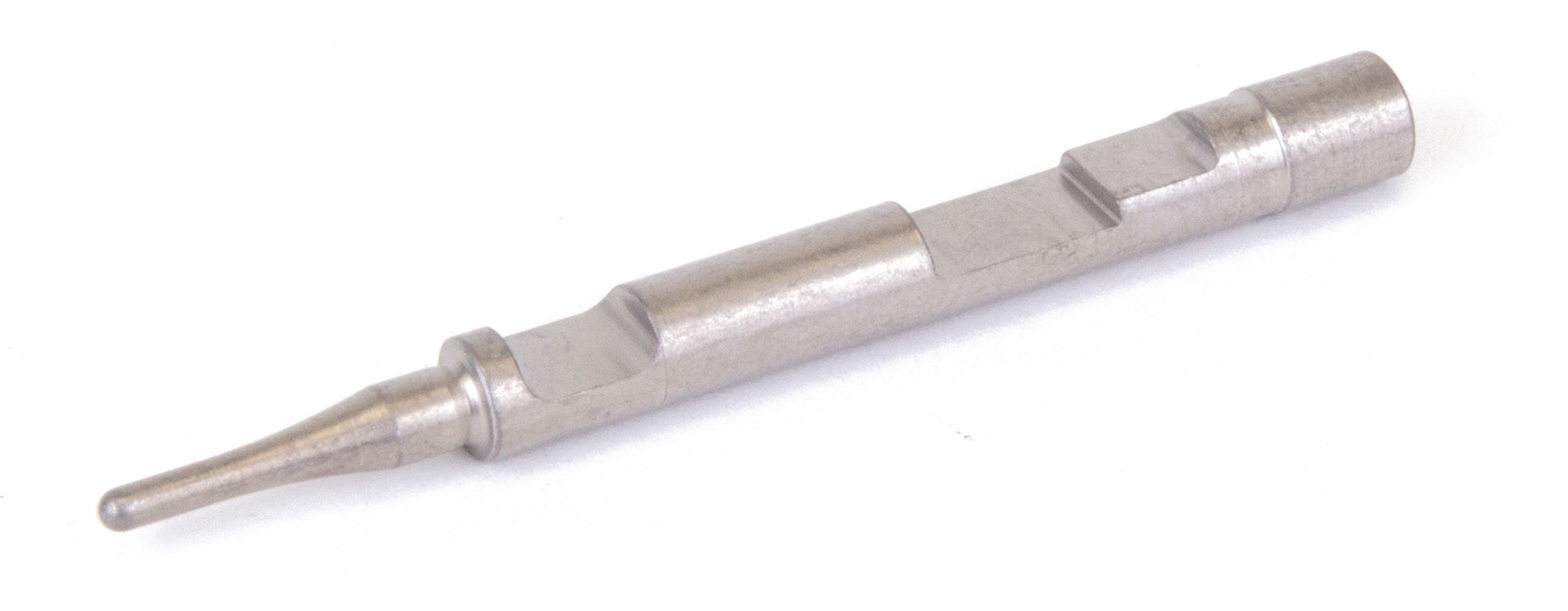
Firing pin springs are an essential component for anyone who relies on a tactical pistol, whether for duty, self-defense, or rigorous range sessions. These springs play a critical role in the firing mechanism, ensuring the firing pin or striker delivers consistent and reliable primer ignition with each pull of the trigger. Over time, even the most robust firing pin springs can lose tension after thousands of cycles, especially when pistols are used frequently or exposed to the elements during training, qualification, or extended carry. As the weather shifts from the heat of mid-summer to the cooler, crisper days of early fall, many firearm owners take the opportunity to inspect, maintain, or upgrade their gear. This period is ideal for routine maintenance or for tuning pistols to match evolving needs, whether that’s a focus on home defense, concealed carry, or duty performance. For those who shoot regularly or participate in tactical training, swapping out worn firing pin springs is a simple yet vital step to prevent light primer strikes and maintain peak reliability.
Selecting the right firing pin spring for a tactical pistol requires thoughtful consideration of intended use and personal preferences. Standard tension springs are the go-to choice for most tactical, duty, and carry pistols, offering the balance of reliable ignition and consistent performance across a wide range of ammunition types and environmental conditions. For individuals who demand absolute dependability—such as law enforcement professionals, security personnel, or anyone relying on their pistol for personal protection—sticking with manufacturer-specified spring weights is a sound strategy. On the other hand, some experienced shooters and competitive enthusiasts may experiment with reduced power springs to achieve a lighter, crisper trigger pull for range or competition use. However, these lighter springs are not recommended for tactical or defensive applications, as they may increase the risk of light strikes, particularly with hard-primed ammunition. Conversely, those seeking extra assurance may opt for extended capacity or extra-power springs, which deliver a more forceful primer strike and can provide an added margin of safety, especially in older pistol designs or in pistols that see hard use in demanding environments. For those gifting a firing pin spring to a fellow shooter—perhaps as part of a thoughtful maintenance kit for a family member, friend, or mentor—it’s a practical gesture that underscores the importance of regular upkeep and reliability.
Whether you’re preparing for long days at the range, gearing up for a new training season, or simply keeping your trusted sidearm in top condition, it’s wise to keep spare firing pin springs on hand and to replace them at recommended intervals. Maintenance is straightforward and can often be performed at home with basic tools, making it accessible for both seasoned firearms enthusiasts and those newer to pistol care. For those looking to streamline their upkeep or ensure they have all the necessary components in one place, consider exploring Firing Pin Spring Maintenance Kits, which offer a convenient solution for comprehensive spring replacement. No matter your level of experience or the demands placed on your tactical pistol, staying proactive with firing pin spring maintenance is a small investment that pays dividends in safety, reliability, and peace of mind throughout the active months of summer and fall.