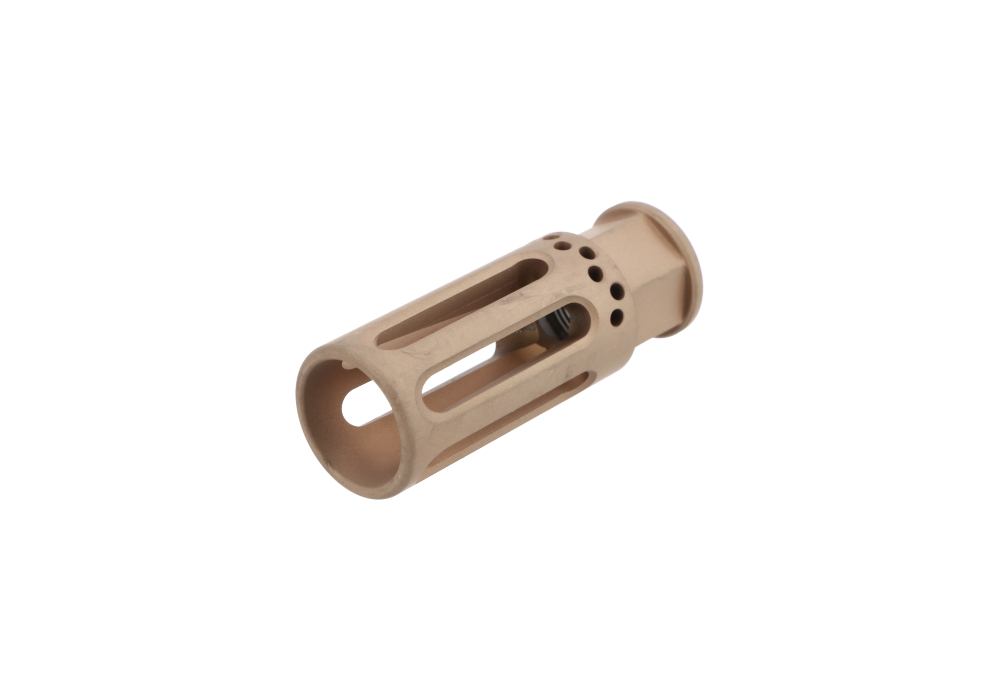
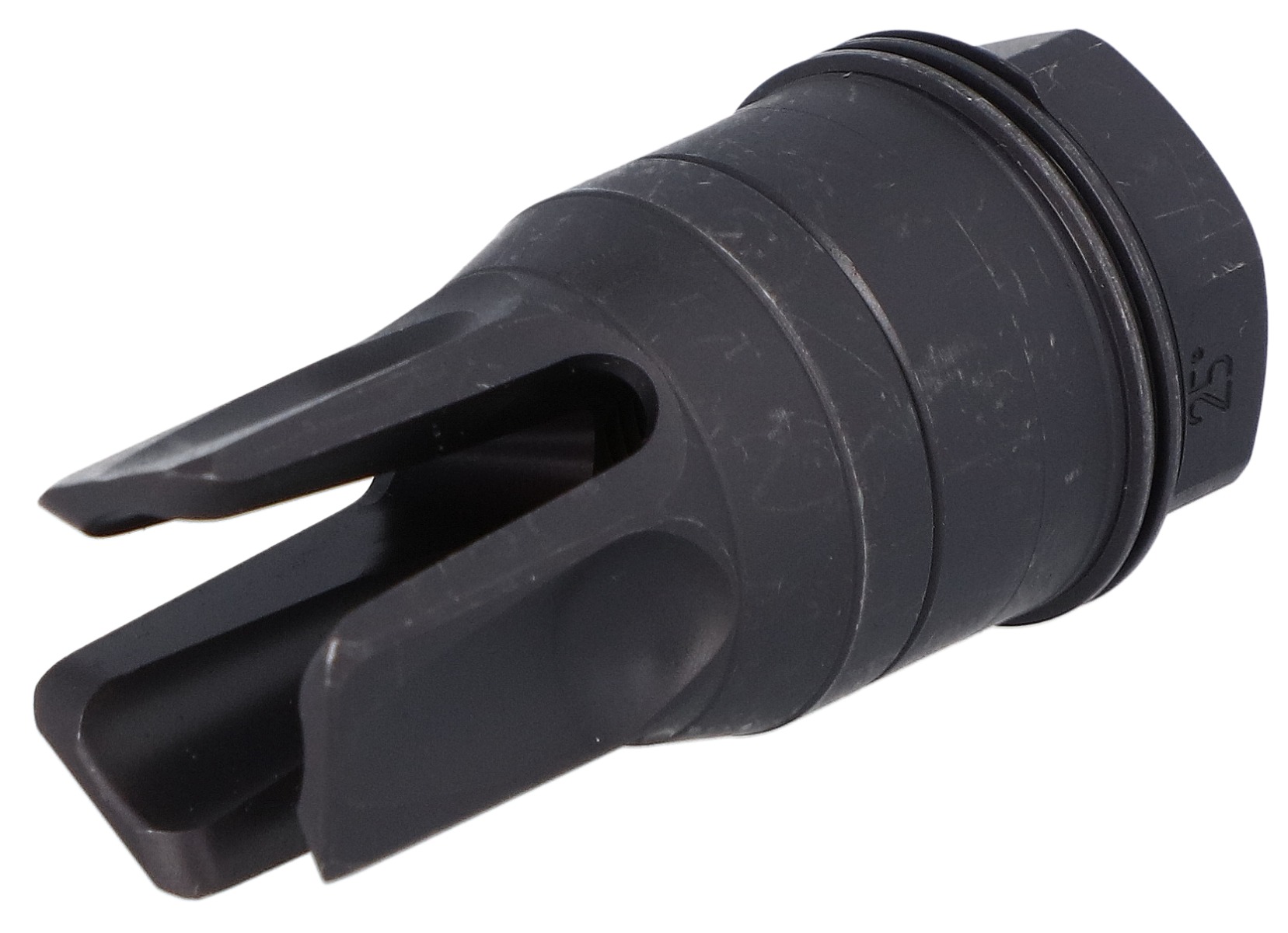
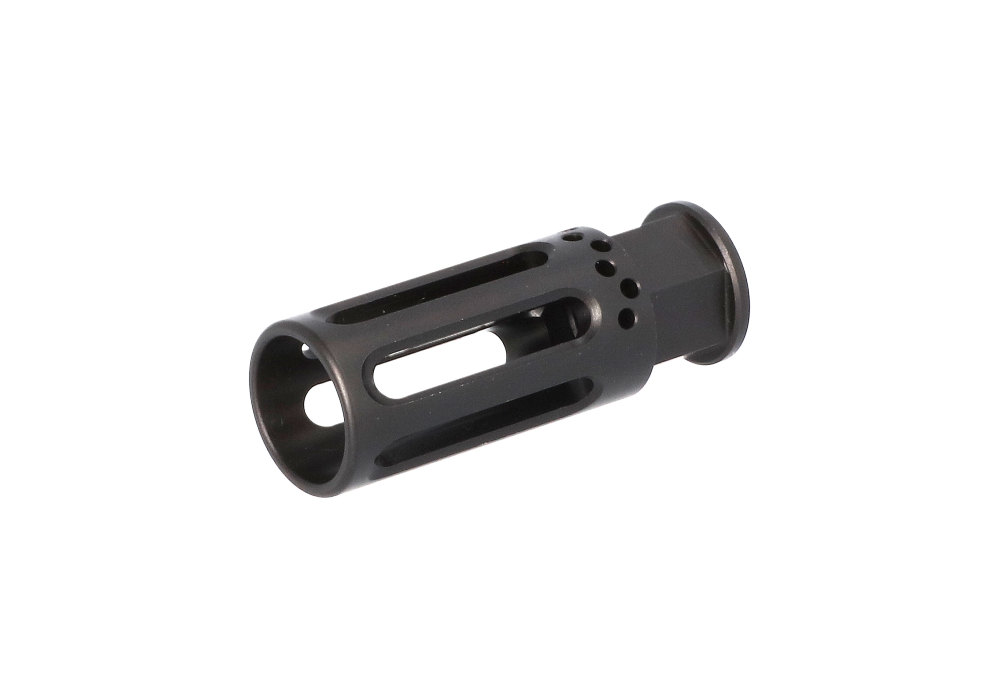
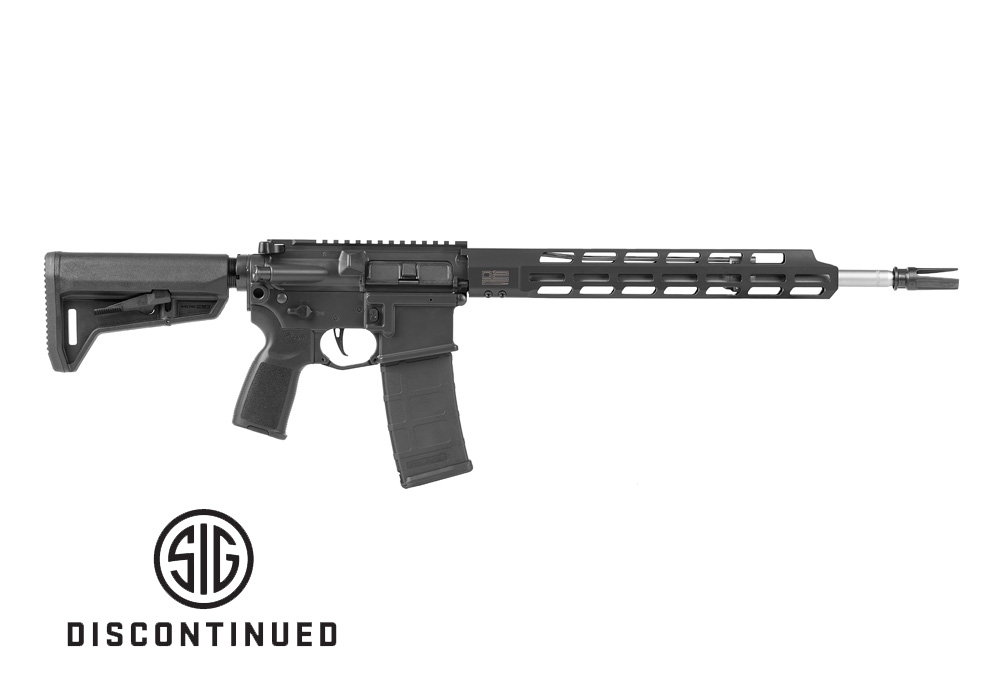
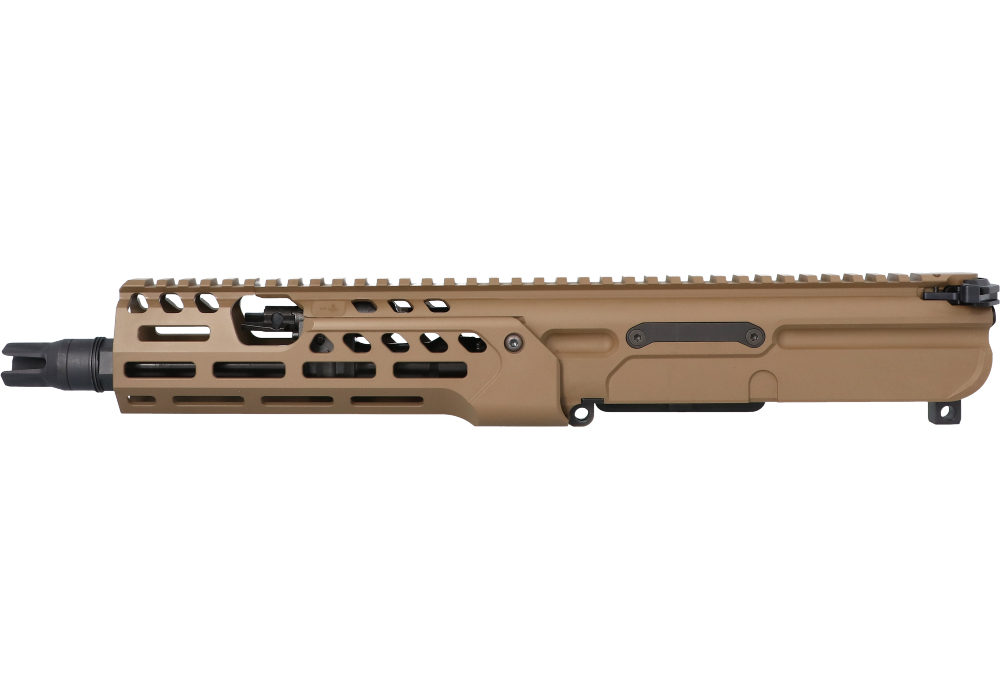
Flash hiders for home defense rifles are muzzle devices designed to reduce the visible flash produced when a rifle fires. Their primary role is flash reduction, not sound suppression or recoil control. As hot propellant gases leave the barrel, they can produce a bright burst of light; a flash hider’s geometry helps manage those gases to limit the visible signature. That distinction matters when evaluating a rifle intended for lawful defensive use, particularly because bright muzzle flash can be distracting in dim surroundings. A flash hider does not guarantee uninterrupted vision, eliminate every visible flash, or replace safe firearm handling and appropriate training. Its effectiveness depends on the device design, ammunition, barrel configuration, and viewing conditions, so performance should be understood as part of the complete firearm setup rather than as an isolated promise. Open-prong designs and enclosed, slotted designs approach flash reduction differently, with each offering its own balance of profile, construction, and compatibility. Some configurations emphasize a compact outline, while others incorporate features that support an approved suppressor mounting system. A flash hider also serves a different purpose from a muzzle brake, which primarily redirects gases to reduce recoil, or a sound suppressor, which is designed to reduce the firearm’s sound signature. These categories can overlap in certain designs, but their names are not interchangeable. Neither a flash hider nor a muzzle brake makes rifle fire safe for unprotected hearing, and a flash hider should not be assumed to eliminate indoor blast or direct all pressure forward. For shoppers comparing muzzle devices, the most useful starting point is a clear understanding of the intended function. Overall length, weight, and shape also influence how a rifle feels during routine handling, transport, and storage. A streamlined device may suit an owner who values a simple configuration, while a mounting-compatible design may interest someone whose rifle already belongs to an approved suppressor system. The right choice supports the firearm’s intended role without introducing unnecessary complexity or unsupported expectations.
Materials, fit, and manufacturing precision are central considerations when comparing flash hiders. Steel construction is common because a muzzle device must withstand repeated exposure to hot gases, fouling, and the mechanical stresses associated with firing. Material specifications and protective finishes deserve attention alongside appearance: a dark surface treatment can help resist corrosion and wear, but the finish alone does not establish the strength or service life of the underlying component. Cleanly formed slots, consistent surfaces, and properly finished interfaces reflect the level of detail expected from a component positioned at the muzzle. Pronged designs have exposed tines, while enclosed designs surround their openings with a continuous outer structure; those differences affect the physical profile and the surfaces that need inspection and cleaning. Durability also depends on use and maintenance. A rifle fired regularly at the range exposes its muzzle device to different demands than one used infrequently, though either can accumulate residue or encounter moisture during cleaning and storage. Compatibility is equally important and extends beyond whether a device appears to fit. The rifle’s caliber, barrel thread specification, and manufacturer-approved mounting requirements all matter. Similar-looking muzzle devices are not necessarily interchangeable, and a suppressor-compatible flash hider must belong to the correct mounting system if that feature is intended for use. Compatibility should be confirmed through the relevant manufacturer’s documentation, with installation and any alignment concerns handled by a qualified professional. This is especially important when a rifle has an existing muzzle device, a permanent attachment, or other configuration requirements that affect replacement. A product’s stated dimensions and weight help establish how it will complement the rifle, but appearance should remain secondary to verified fit. For example, a shopper comparing two compact designs may find that only one supports the rifle’s approved interface. Another may prefer an enclosed profile for a straightforward, unsuppressed configuration. These are practical product considerations, not reasons to assume that the longest, lightest, or most visually distinctive option will perform best.
Care and long-term ownership are part of choosing a flash hider for a home defense rifle. Carbon residue can collect around openings and mounting surfaces, and exterior finishes can show wear through repeated handling or contact during transport. Manufacturer-recommended cleaning products and methods help preserve those surfaces without unnecessary abrasion. Maintenance should take place only with the firearm unloaded and handled according to its safety instructions, and any suspected damage, looseness, or change in alignment warrants professional evaluation before further use. Visible cracks, distorted features, or corrosion are more meaningful than minor cosmetic differences, especially on a component exposed to repeated firing. For mounting-compatible designs, the condition of the approved attachment interface is also relevant to reliable system fit. Product documentation that clearly explains construction, intended use, compatibility, and care can be more valuable than broad performance claims. Owners who practice regularly may appreciate a design that fits into their established maintenance routine, while those seeking a simple rifle configuration may prioritize straightforward construction and minimal additional hardware. Related options in Flash Hiders for Tactical Carbines offer another way to compare muzzle-device profiles and intended applications, with the same emphasis on verified compatibility. Regardless of the rifle’s role, responsible ownership includes secure storage that prevents unauthorized access, familiarity with the firearm’s controls, and practice in an appropriate setting with suitable eye and hearing protection. A flash hider does not change the importance of those fundamentals or resolve the broader risks associated with firearm use inside a residence. Applicable laws and restrictions also deserve review, since muzzle features and firearm configurations may be regulated differently by jurisdiction. For an informed purchase, prioritize documented flash-reduction function, suitable materials, a durable finish, and a confirmed fit with the rifle and any approved accessories. Those concrete details provide a sounder basis for selection than dramatic descriptions of darkness, blast, or defensive performance, and they keep the focus on a muzzle device that meets its stated purpose throughout routine use and care.