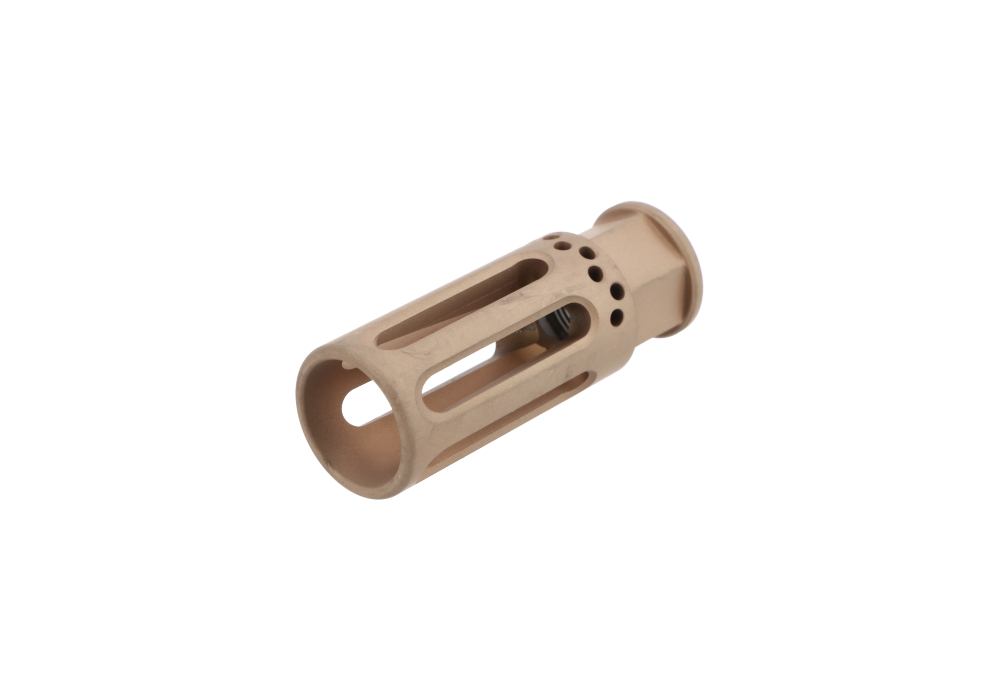
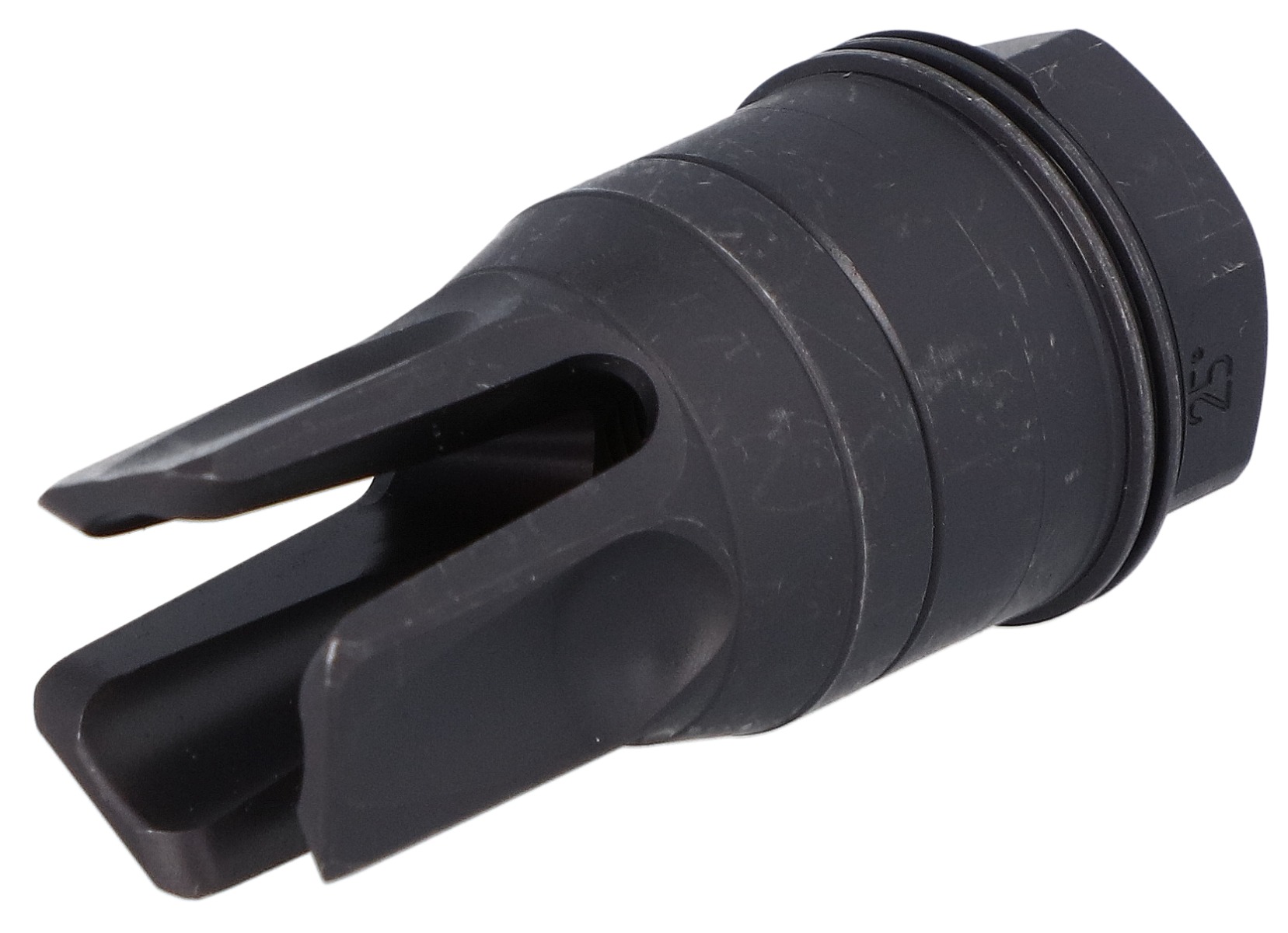
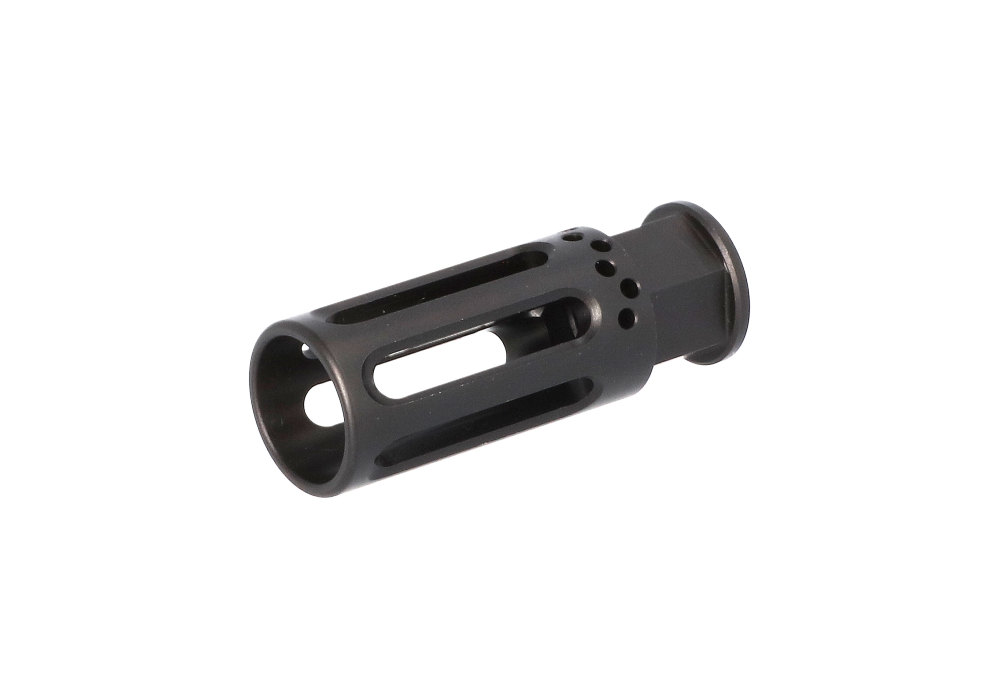
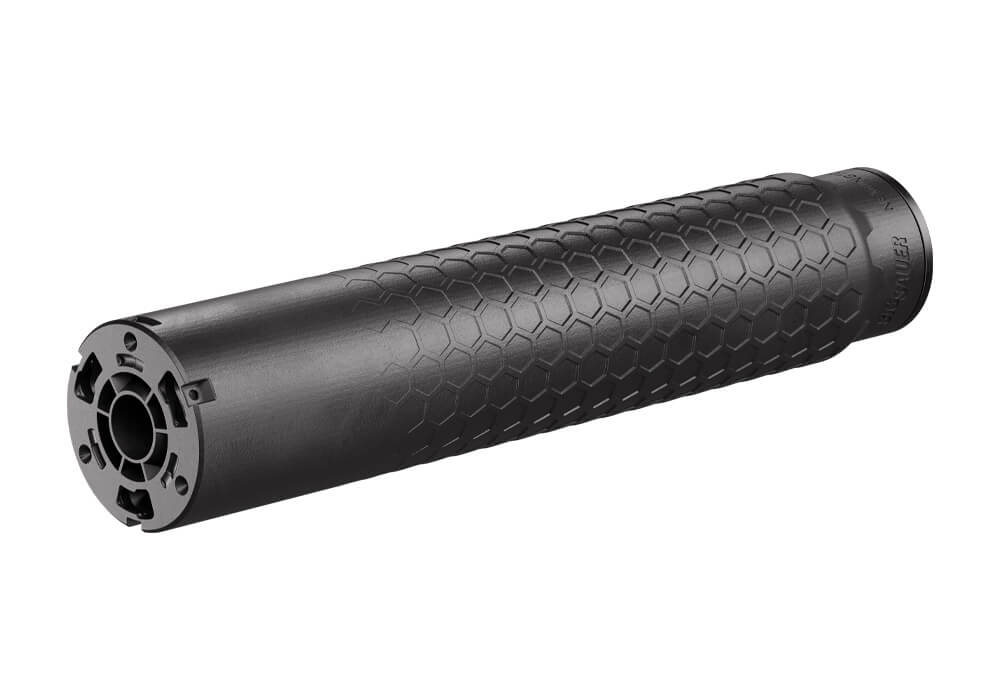
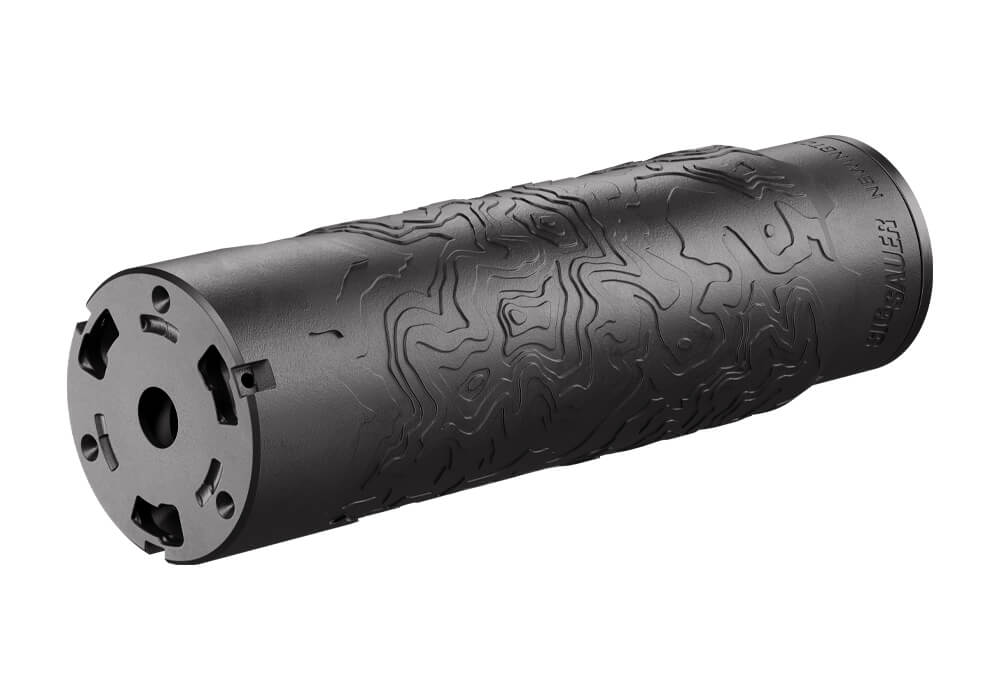
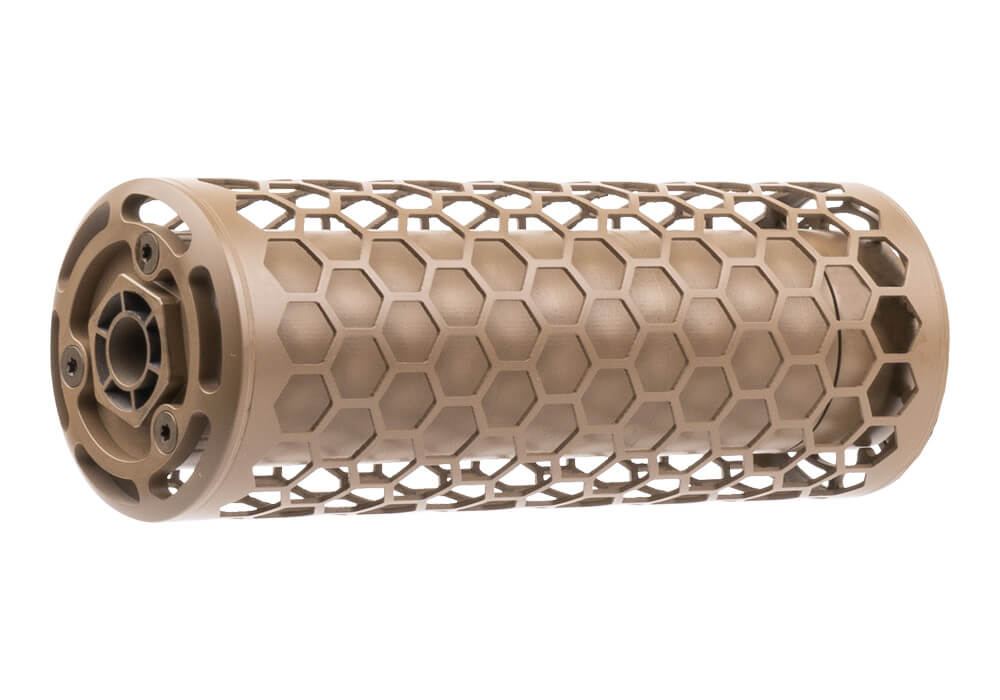
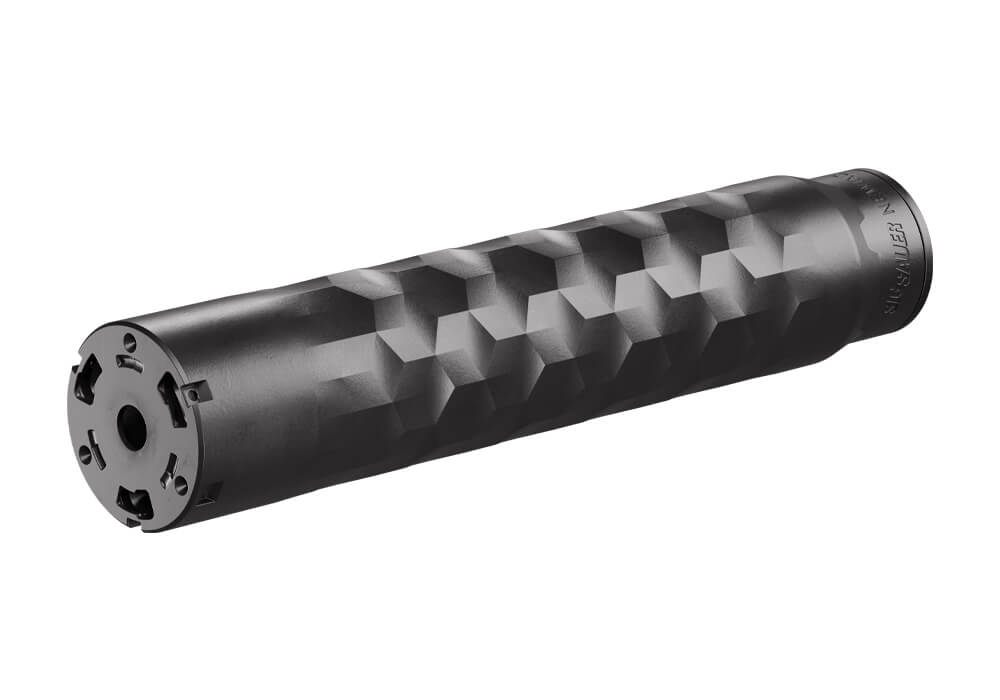
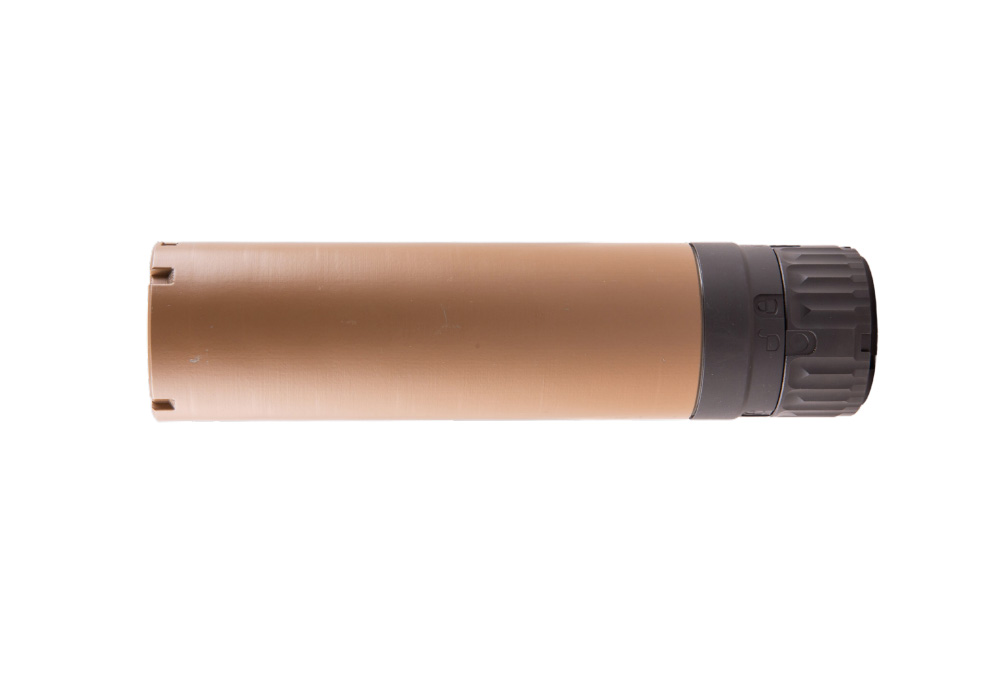
Flash hiders for law enforcement rifles are muzzle devices designed to reduce the visible flash produced when hot propellant gases exit the barrel. They influence the flow and expansion of those gases to limit the bright flare at the muzzle, although results depend on the firearm, ammunition, and device design. A flash hider does not eliminate every visible signature, silence the rifle, or replace appropriate eye and hearing protection. For agencies evaluating duty-rifle accessories, that distinction matters: flash reduction is a specific function, separate from the recoil-management role commonly associated with muzzle brakes. Some muzzle devices combine functions, but their capabilities should be supported by the manufacturer’s specifications rather than assumed from appearance. Patrol officers, firearms instructors, and agency armorers may evaluate flash hiders as part of an equipment standard for authorized rifles and training carbines. During a supervised low-light qualification, visible muzzle flash can briefly interfere with the shooter’s view of the sights and target. Limiting that flare is one reason flash suppression may be relevant to a department’s equipment requirements. Performance still needs context, since barrel length, ammunition characteristics, and the complete rifle configuration influence the visible result. A device evaluated on one setup should not automatically be expected to perform identically on another. Open-prong and enclosed designs also have different external profiles, which can affect how a rifle fits its assigned storage and transport equipment. A rifle that moves between a secure rack, a fitted case, and a qualification range needs accessories that work with that entire routine. The useful comparison is therefore broader than appearance or a single performance claim. Clear documentation, appropriate fit, and suitability for the authorized platform provide a stronger basis for evaluating flash hiders than an aggressive profile or an unsupported promise of complete flash elimination.
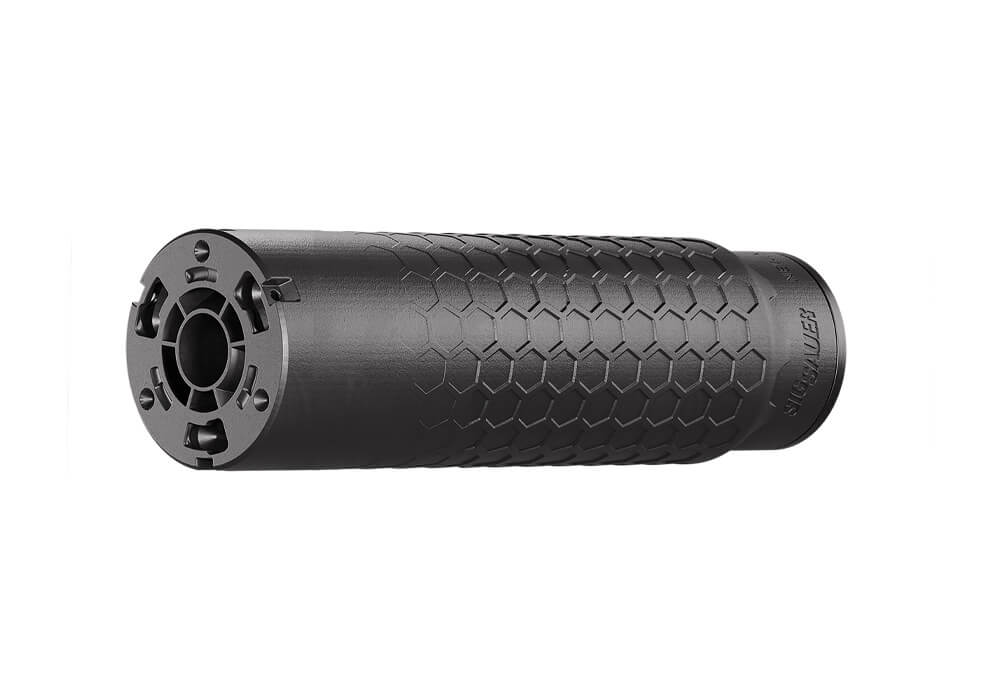
Materials, protective finishes, and dimensional consistency contribute to how a flash hider holds up through repeated training and routine duty use. Steel alloys are common in this category, while the particular alloy, treatment, and finish vary by design. Those details deserve attention because a muzzle device is exposed to combustion residue, cleaning products, handling wear, and the heat generated during firing. A dark finish may complement the rifle’s other components, but color alone does not establish corrosion resistance or service life. More useful information includes the stated material, the purpose of the surface treatment, and the manufacturer’s maintenance requirements. Likewise, a heavier device is not automatically more durable, and a compact profile is not automatically the best match for every rifle. Length, weight, and external shape should be considered in relation to the complete firearm and its authorized accessories. Fit is especially important: caliber compatibility, barrel thread specifications, and the intended mounting interface must all agree with the manufacturer’s documentation. A similar appearance or a familiar thread description is not enough to establish suitability across different platforms. Where a flash hider also serves as part of a sound-suppressor mounting system, compatibility is specific to the interfaces identified by the manufacturers; that secondary role should never be presumed. Installation and inspection belong with a qualified armorer or gunsmith working within agency requirements. For ongoing care, the relevant considerations are straightforward: access for inspection, compatibility with approved cleaning methods, and a finish that can tolerate the prescribed maintenance routine. Residue around openings and wear on exposed surfaces should be assessed according to the manufacturer’s guidance rather than treated as interchangeable issues. Consistent inspection records help an agency distinguish ordinary cosmetic wear from a condition that needs professional attention. A durable accessory is valuable not just because of its initial construction, but because its condition can be monitored throughout its service life.
For law enforcement procurement, the strongest product selection is one that supports repeatable equipment standards without treating every rifle as interchangeable. An agency replacing accessories across issued patrol rifles has different administrative needs from an instructor evaluating a small group of dedicated training firearms. Both benefit from accurate compatibility information, clear maintenance documentation, and a defined inspection process. Standardizing an authorized configuration can simplify recordkeeping and armorer support, but it does not remove the need to verify each firearm’s specifications. Product descriptions are most useful when they identify the intended platform, material, finish, dimensions, and mounting requirements without blurring flash reduction with unrelated performance claims. Agencies comparing a broader range of carbine configurations can also review Flash Hiders for Tactical Carbines while keeping their own approval requirements central to the decision. Practical details often become apparent away from the product photograph: whether the complete rifle fits an existing case, whether the muzzle profile works with an approved storage arrangement, and whether maintenance personnel have the documentation needed to support it. These considerations are less dramatic than a photograph of muzzle flash, but they matter throughout the equipment’s working life. Evaluation should reflect the agency’s authorized firearm and ammunition combination under controlled, supervised conditions, rather than relying solely on a demonstration involving a different setup. Manufacturer claims should be read with the same care as fit specifications, especially when terms such as flash reduction, recoil control, and sound suppression appear together. None of those terms should be treated as a substitute for another. Department policy and applicable legal requirements also remain part of any purchasing decision. A well-matched flash hider serves a defined purpose within an approved rifle configuration, with documented compatibility, appropriate materials, and a realistic maintenance plan. That combination gives officers, instructors, and armorers a clear foundation for selecting equipment intended for sustained professional use.