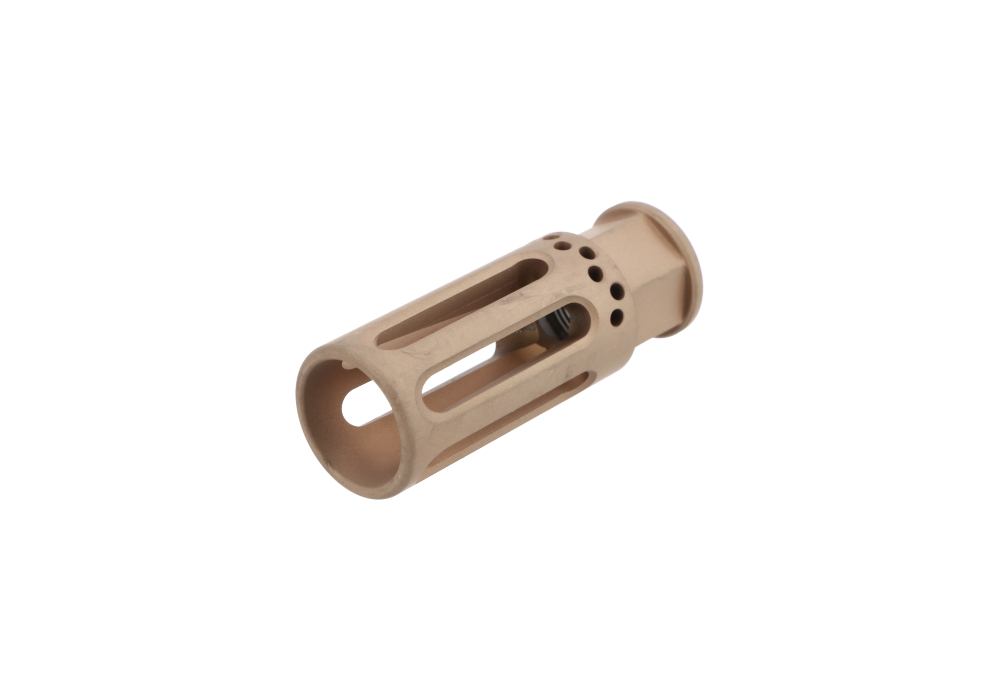
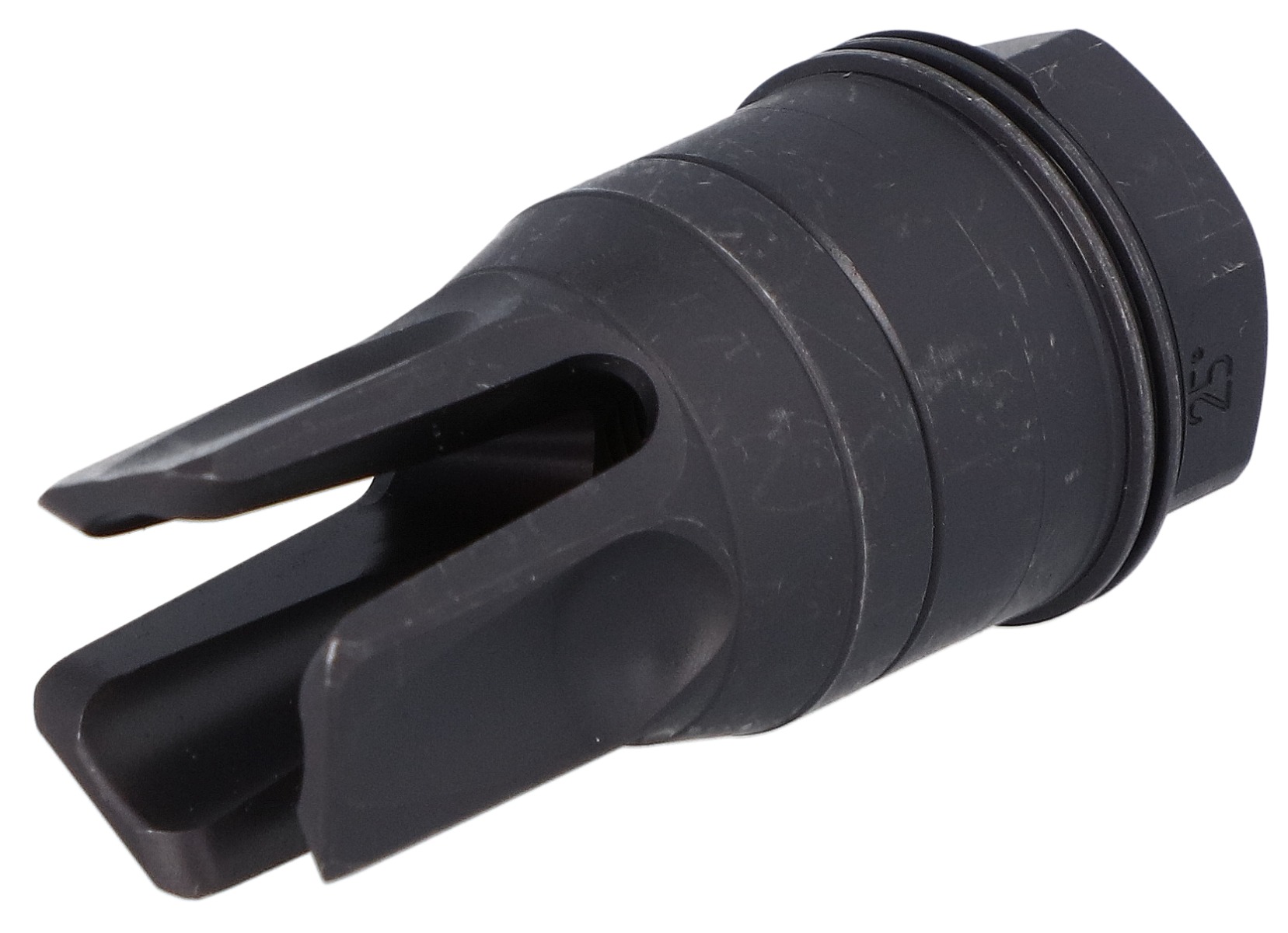
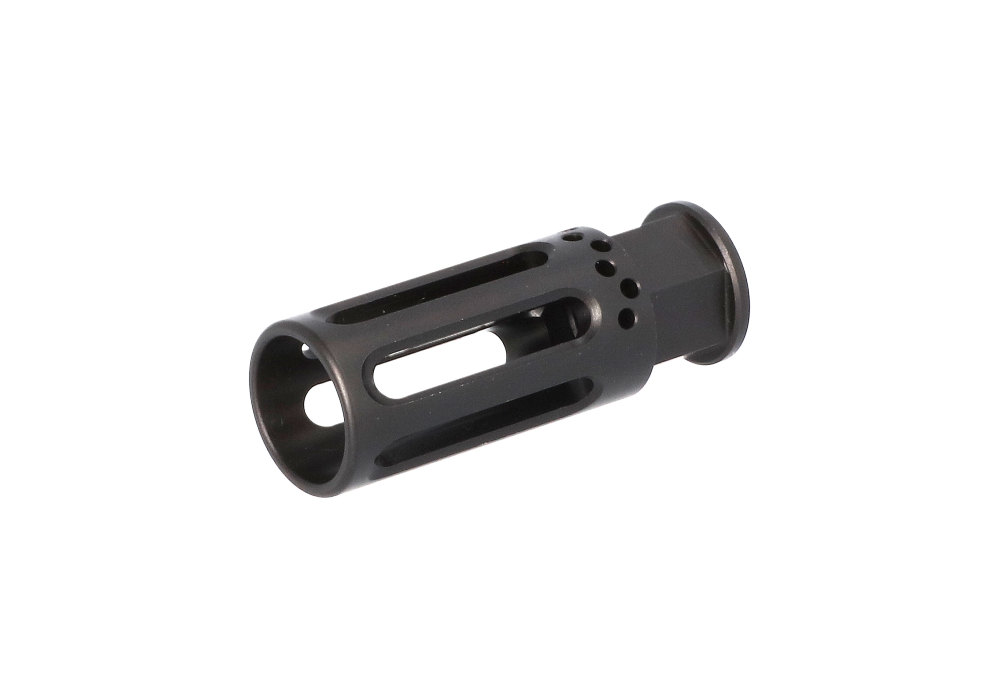
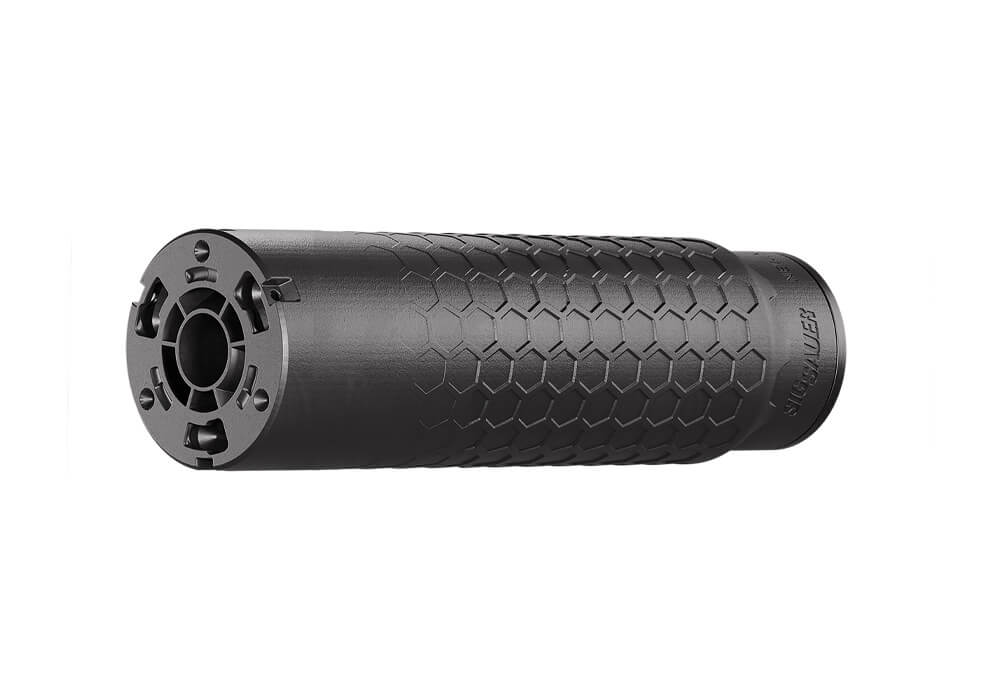
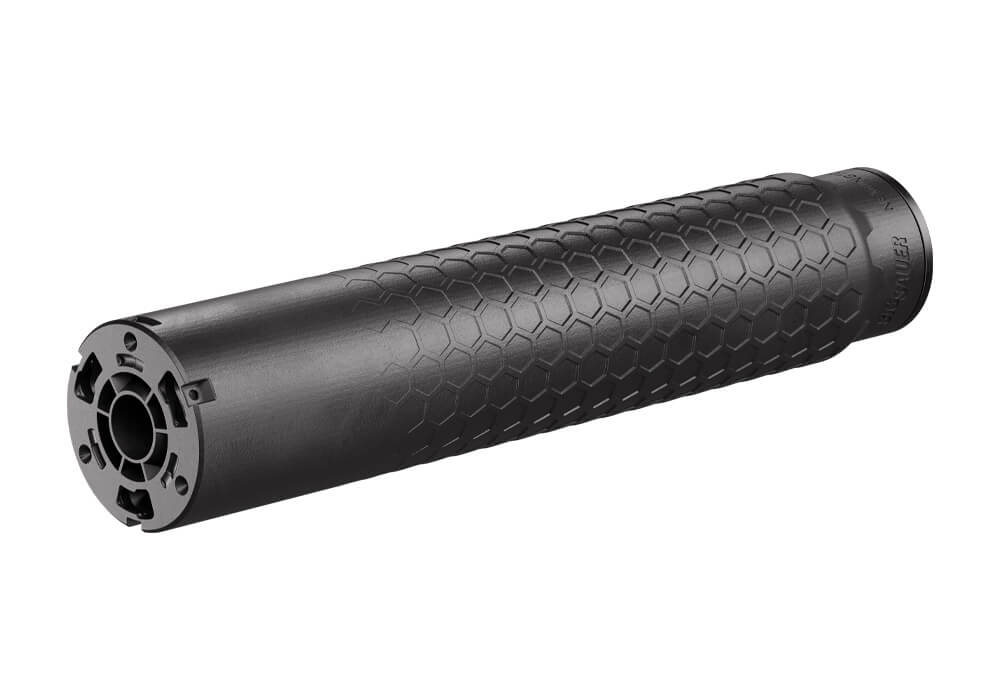
Flash hiders for precision shooting are muzzle devices designed to reduce the visible flash that can accompany a shot, particularly when ambient light is limited. Their value is easiest to understand from behind the rifle: a brief burst of light near the muzzle can be distracting when the shooter is concentrating on a small target, a reticle, and the details of a carefully controlled shot. Reducing that flash can make the visual experience less disruptive, although results depend on the firearm, barrel length, ammunition, and surrounding light. A flash hider does not improve the rifle’s inherent accuracy or guarantee smaller groups. Instead, it addresses one aspect of the shooting experience that precision-minded shooters may want to manage alongside reliable ammunition, suitable optics, and consistent fundamentals. The distinction between a flash hider and a muzzle brake matters here. A brake primarily redirects gases to influence recoil and muzzle movement, while a flash hider primarily limits visible flash. Some muzzle devices combine functions, but their performance should be evaluated according to their actual design rather than their appearance. Compared with aggressively ported brakes, dedicated flash hiders often produce less pronounced lateral blast, which can be a consideration at a shared range where another shooter occupies the next bench. That does not make them quiet, and they do not replace a sound suppressor or appropriate hearing protection. Open-prong and enclosed designs offer different profiles, with details such as overall length, exterior shape, and protective geometry affecting handling and maintenance. Neither style is automatically the better choice for every precision rifle. For a shooter practicing from a bench, attending a supervised range session, or building familiarity with a rifle used in precision competition, the most relevant qualities are predictable function, appropriate fit, and durability. Flash reduction is a practical feature, not a substitute for the broader equipment and skills that support accurate shooting.
Compatibility deserves as much attention as flash-hiding performance because a muzzle device must suit the barrel and the rest of the firearm configuration. Thread pattern, caliber compatibility, barrel specifications, and the manufacturer’s stated installation requirements all matter. Common thread dimensions are not universal compatibility guarantees, and similar-looking devices can have different internal clearances or mounting interfaces. A flash hider intended for one application should not be assumed suitable for another simply because the exterior dimensions look familiar. Manufacturer documentation and a qualified gunsmith provide the right basis for resolving fit questions, especially when an existing rifle configuration has been altered or its specifications are uncertain. Materials and finish are also meaningful differences. Alloy steel and stainless steel are common choices because muzzle devices face repeated heat exposure, combustion residue, and routine handling. The particular alloy, treatment, and finish influence resistance to wear and corrosion; color alone says little about those properties. Protective coatings and surface treatments can help preserve the exterior, but no finish removes the need for proper care. Precise machining, clean thread surfaces, and sound construction are more useful indicators than decorative styling. Length and weight affect the rifle’s overall dimensions and balance, so the appropriate choice depends partly on how the firearm is transported, stored, and used at the range. A compact profile may appeal to someone working with a shorter rifle case, while another shooter may prioritize an interface compatible with an approved suppressor system. Some flash hiders also serve as suppressor mounts, but that feature is specific to the mounting system and should never be treated as interchangeable across unrelated designs. Compatibility includes the suppressor, firearm, and applicable manufacturer requirements, not just the muzzle device itself. Any muzzle-device change can also affect point of impact, so an established zero should not be assumed unchanged after a configuration change. These considerations help distinguish a suitable component from one that merely looks appropriate, without suggesting that a flash hider alone can transform a rifle’s precision performance.
Long-term ownership brings the less visible qualities of a flash hider into focus: how well its finish tolerates normal use, how accessible its surfaces are for cleaning, and how consistently it remains in serviceable condition. Carbon residue can collect around openings, prongs, and mounting surfaces, making routine inspection and manufacturer-approved cleaning important. Cleaning methods should suit the material and finish rather than rely on aggressive scraping or abrasive treatment that could damage important surfaces. Where a flash hider also functions as a suppressor mount, the condition of the mounting interface deserves particular attention because residue or wear may affect proper engagement. Muzzle devices can remain hot after shooting, so handling and cleaning belong after adequate cooling, with the firearm unloaded and handled according to established safety practices. A durable finish helps with everyday exposure, but storage conditions and regular care still influence the service life of any metal component. Visible damage, unusual wear, or a suspected fit problem warrants evaluation by a qualified professional rather than continued use. For experienced precision shooters, these practical details often matter more than cosmetic differences: the device needs to suit the rifle, tolerate repeated range sessions, and remain straightforward to maintain. Enthusiasts who also use shorter rifle configurations may find related context in Flash Hiders for Tactical Carbines, while still evaluating each application on its own specifications. A flash hider can also be a thoughtful equipment gift for a knowledgeable rifle owner, but only when the recipient’s exact compatibility requirements and preferences are known; guessing at barrel threads or suppressor interfaces is not a useful shortcut. Applicable laws, range rules, and manufacturer restrictions remain part of responsible ownership. The lasting appeal of a well-suited flash hider is its focused purpose: reducing visible muzzle flash while fitting naturally into a carefully considered rifle setup. For precision shooting, that means prioritizing verified compatibility, sound materials, realistic performance expectations, and dependable care over claims of effortless accuracy.